Artwork
Kambara: Evening Snow
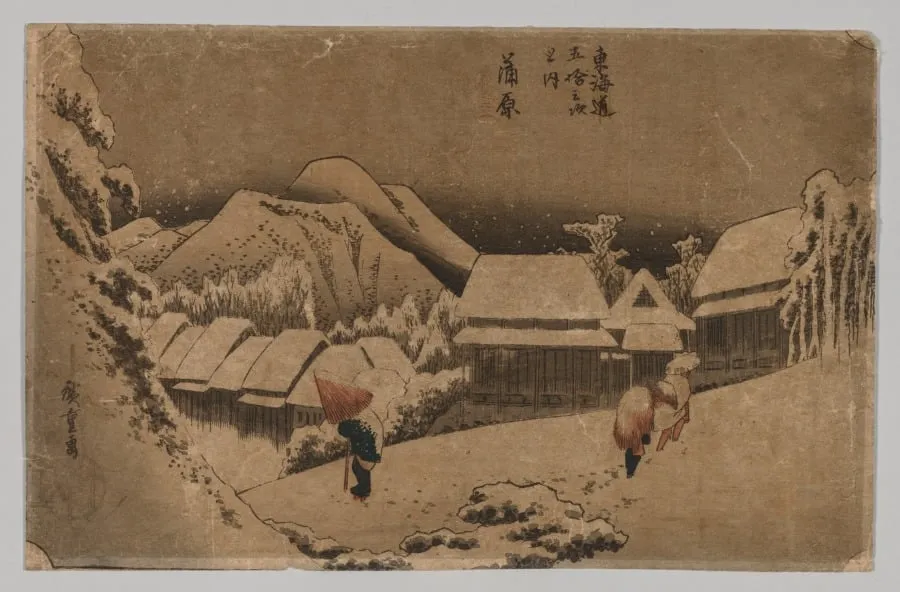
Kambara: Evening Snow is a print by the Romanticist artist Utagawa Hiroshige. It dates from 1828 and is held in the collection of the Cleveland Museum of Art.
About this work
Overview
Created in 1828, *Kambara: Evening Snow* is a woodblock print by the Edo‑period ukiyo‑e master Utagawa Hiroshige. It forms part of his celebrated series *The Fifty‑three Stations of the Tōkaidō*, which records views along the historic coastal highway linking Edo (now Tokyo) with Kyoto.
Subject & Meaning
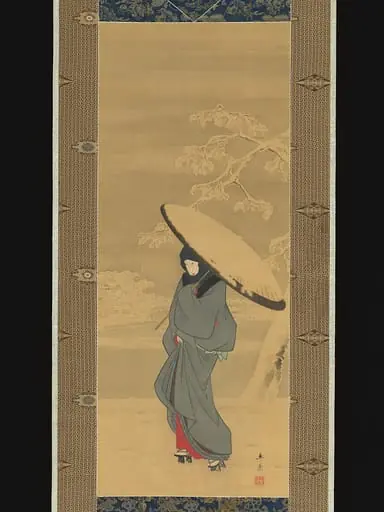
The scene depicts a small village blanketed in fresh snow. A figure with a red parasol walks beside a rider leading a horse along a narrow path, while modest thatched houses with sloping roofs line the street beneath leafless trees. Distant mountains dissolve into a misty horizon, suggesting the quiet stillness of an evening snowfall.
Technique & Style
Hiroshige employs restrained line work and delicate gradations of ink to convey depth and atmosphere. The light, fluffy quality of the snow is achieved through subtle shading, giving the impression of ongoing snowfall. The composition balances empty space with minimal detail, a hallmark of his approach to landscape subjects.
History & Provenance
Printed as the twenty‑second panel of the *Tōkaidō* series, the work was produced by the Edo‑based publisher Hōeidō. Original impressions circulated widely in the early nineteenth century, and the print later entered Western collections during the late 1800s, contributing to the Japonisme movement in Europe and America.
Context
While ukiyo‑e traditionally emphasized urban entertainment districts, Hiroshige’s focus on rural scenery and weather conditions marked a shift toward a broader view of Japanese life. His depiction of snow aligns with a series of winter images that explore seasonal change and the transient nature of the landscape.
Artist & collection
Artist
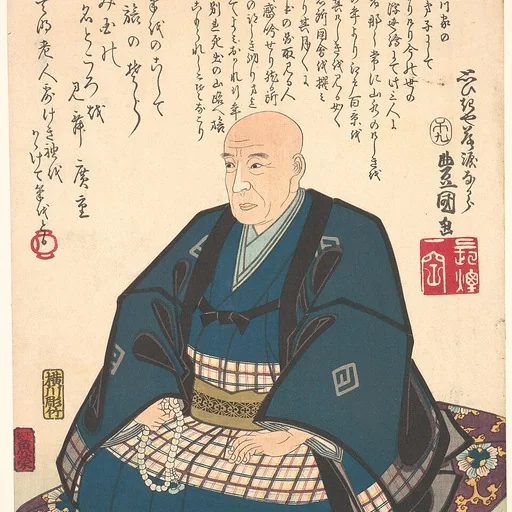
Utagawa Hiroshige (歌川 広重) or Andō Hiroshige (安藤 広重), born Andō Tokutarō (安藤 徳太郎; 1797 – 12 October 1858), was a Japanese ukiyo-e artist, considered the last great master of that tradition.

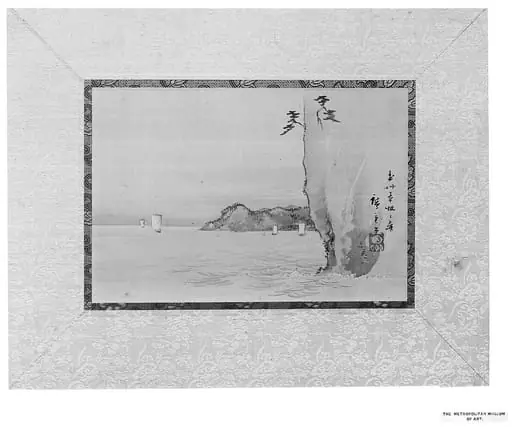
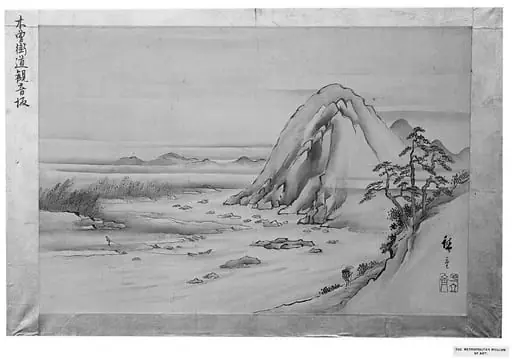
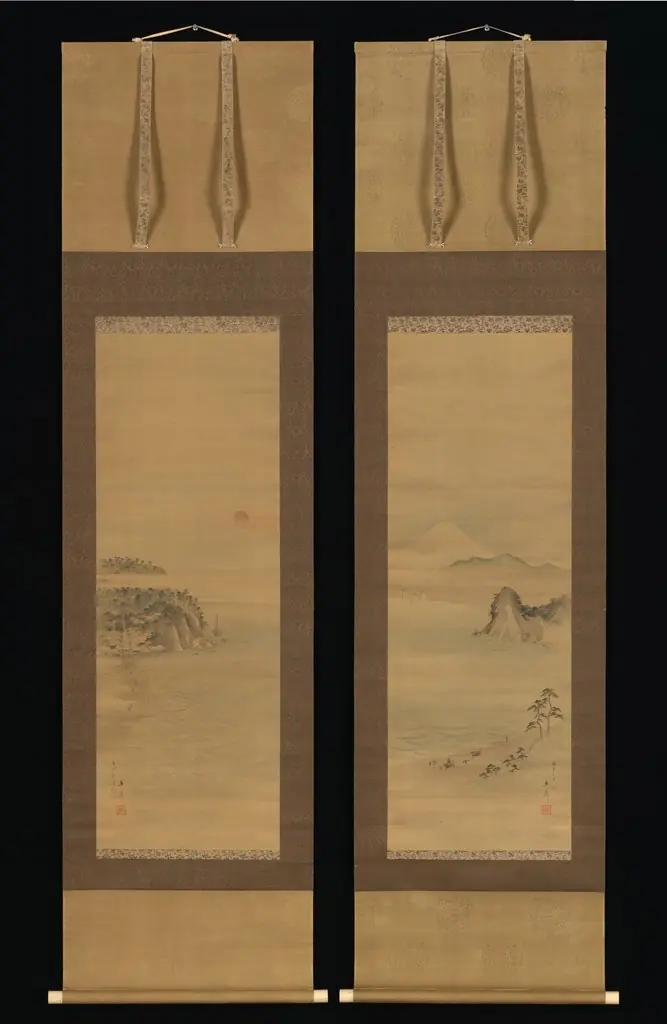
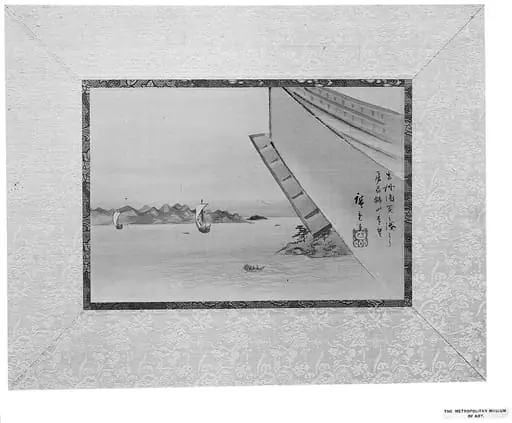
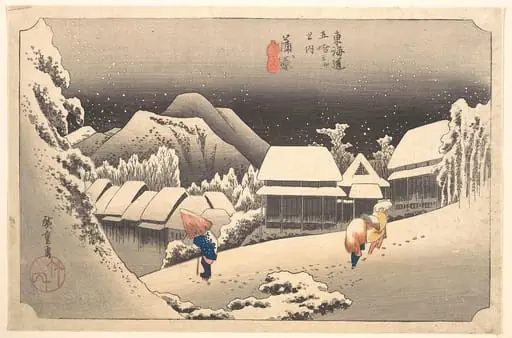 東海道五十三次之内 蒲原 夜の雪|Evening Snow
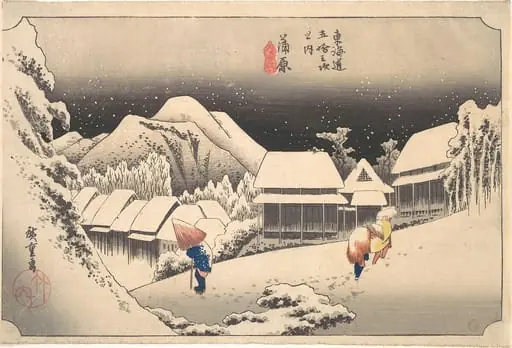 東海道五十三次之内 蒲原 夜の雪|A Snowy Evening at Kambara Station
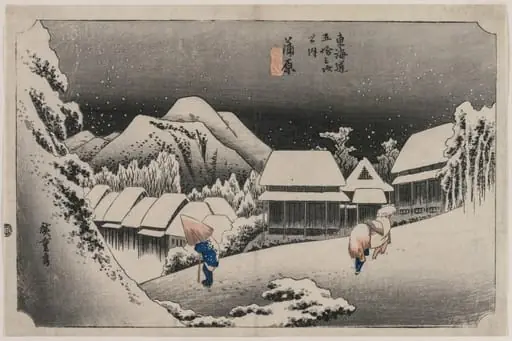 Evening Snow at Kambara (number sixteen of the series Fifty-three Stations of the Tokaido)
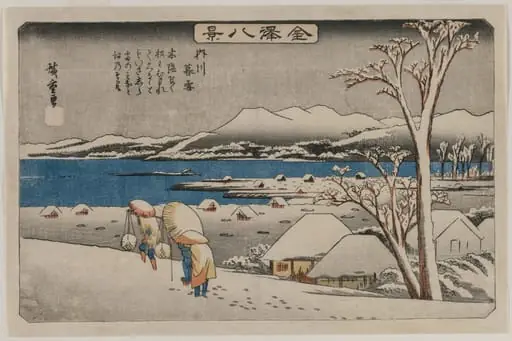 Evening Snow at Uchikawa, from the series Eight Views of Kanazawa
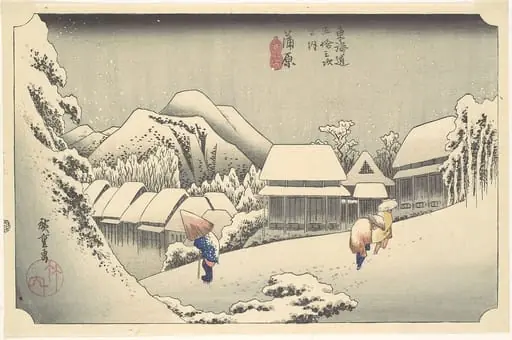 東海道五十三次之内 蒲原 夜の雪|Evening Snow at Kanbara, from the series "Fifty-three Stations of the Tōkaidō"
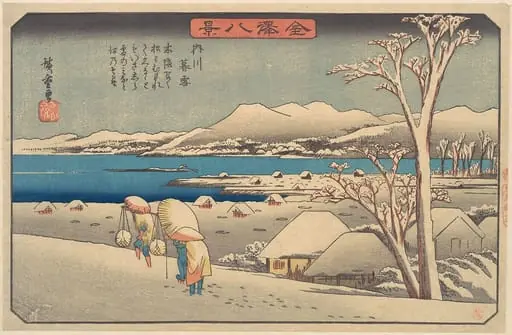 金沢八景 内川暮雪|Evening Snow at Uchikawa
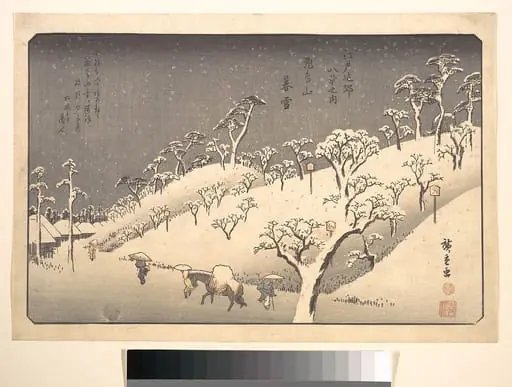 江戸近郊八景之内 飛鳥山暮雪|Asukayama in Evening Snow