Artwork
東海道五十三次之内 蒲原 夜の雪|Evening Snow at Kanbara, from the series "Fifty-three Stations of the Tōkaidō"
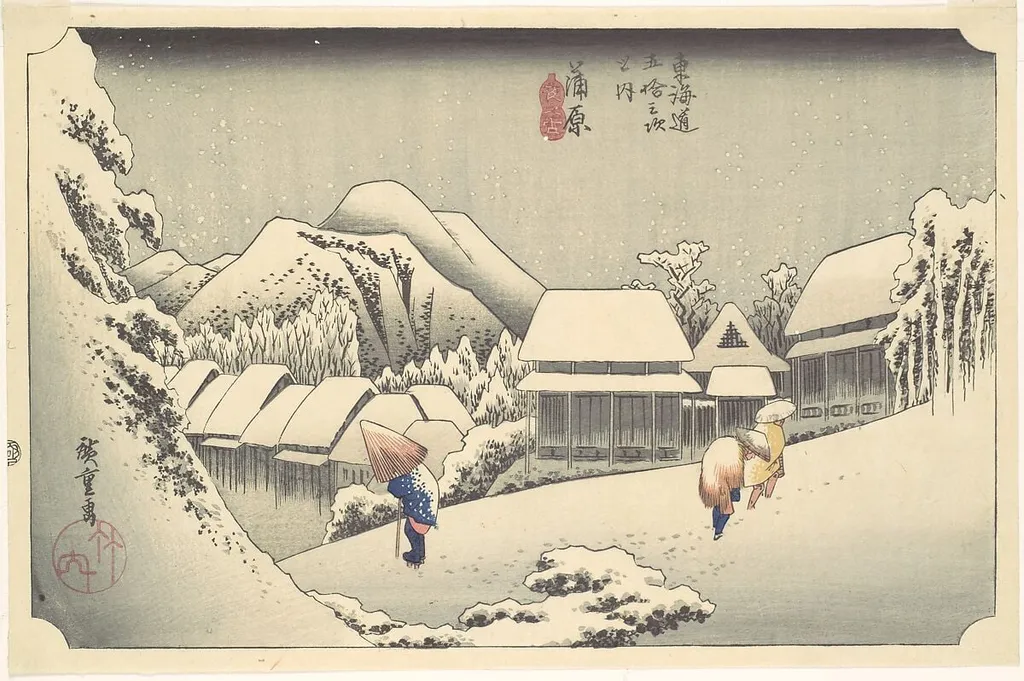
東海道五十三次之内 蒲原 夜の雪|Evening Snow at Kanbara, from the series "Fifty-three Stations of the Tōkaidō" is an ink print by the Romanticist artist Utagawa Hiroshige. It dates from 1834 and is held in the collection of the Metropolitan Museum of Art.
About this work
Overview
Unlike many ukiyo-e works centered on urban life or actors, this series documents the landscapes and travelers of a major pilgrimage and trade route.
Created around 1834 by Utagawa Hiroshige, 'Evening Snow at Kanbara' is one of fifty-four prints in the series 'Fifty-three Stations of the Tōkaidō.' Made using woodblock printing techniques with ink and color on paper, it captures a quiet winter scene along Japan’s primary coastal road. Unlike many ukiyo-e works centered on urban life or actors, this series documents the landscapes and travelers of a major pilgrimage and trade route.
Subject & Meaning
The print portrays a snow-laden mountain pass near the post station of Kanbara, with small dwellings huddled beneath heavy snowfall. Figures in travel attire move along a path, their forms minimized to emphasize the scale of nature. The stillness and solitude evoke a contemplative mood, reflecting the transient, seasonal rhythms central to Japanese aesthetic traditions. It conveys the quiet endurance of travelers amid the indifference of the natural world.
Technique & Style
Hiroshige employed delicate linework and muted tonal gradations to suggest depth and texture without detail. The snow is rendered through subtle washes of gray and white, while the mountains fade into soft blues and indigos. The composition uses asymmetry and a high horizon to create a sense of vastness. These techniques, typical of his mature style, prioritize atmosphere over realism, guiding the viewer’s emotional response through restraint and suggestion.
History & Provenance
The series was commissioned by the publisher Hoeidō and released in successive installments between 1833 and 1834. It quickly gained popularity among Edo-period travelers and townspeople, becoming one of the most widely distributed ukiyo-e series of its time. Original impressions were printed in limited runs, and surviving examples are now held in major collections worldwide, including the Metropolitan Museum of Art and the British Museum.
Context
During the Edo period, the Tōkaidō road connected Edo (Tokyo) with Kyoto, serving as a vital artery for commerce, pilgrimage, and official travel. Hiroshige’s series responded to growing public interest in domestic tourism and regional identity. By depicting everyday landscapes rather than courtly or theatrical subjects, he aligned his work with a broader cultural shift toward appreciating the beauty of ordinary journeys and seasonal change.
Legacy
Hiroshige’s 'Fifty-three Stations' influenced later Western artists, including Impressionists and Post-Impressionists, who admired his use of perspective and atmospheric effects. The series helped define the Japanese landscape print as a distinct genre. Today, it remains a key reference for understanding how Edo-period society perceived its geography, travel, and the quiet rhythms of nature within daily life.
Artist & collection
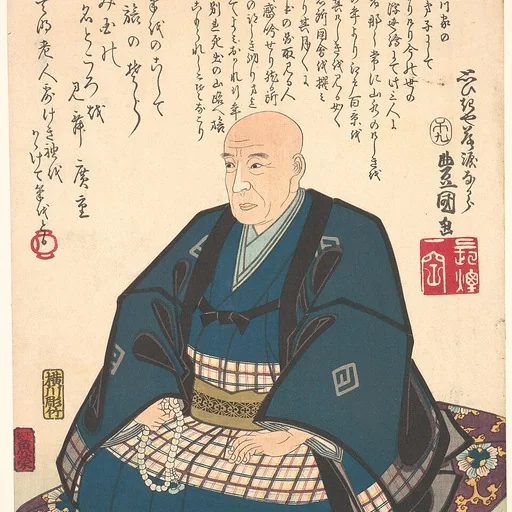
Artist
Utagawa Hiroshige (歌川 広重) or Andō Hiroshige (安藤 広重), born Andō Tokutarō (安藤 徳太郎; 1797 – 12 October 1858), was a Japanese ukiyo-e artist, considered the last great master of that tradition.

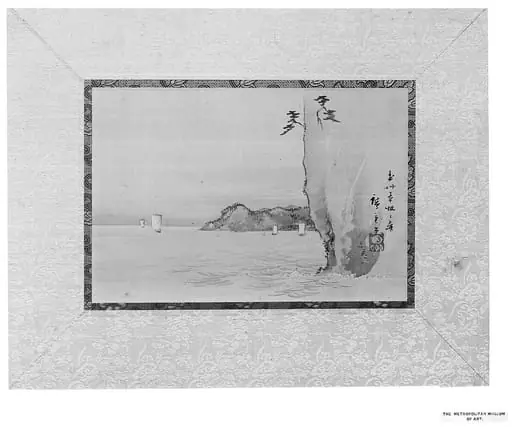
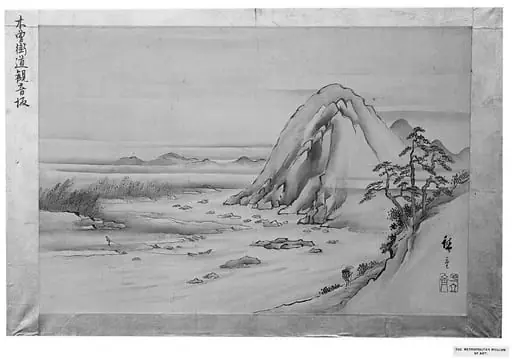
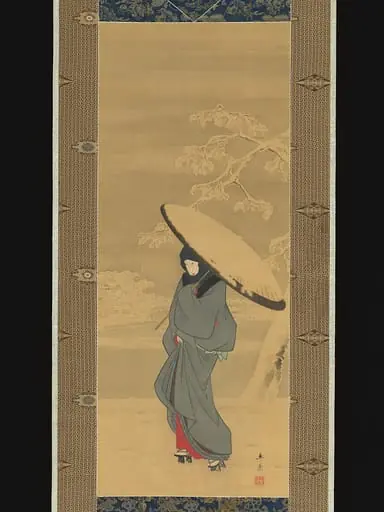
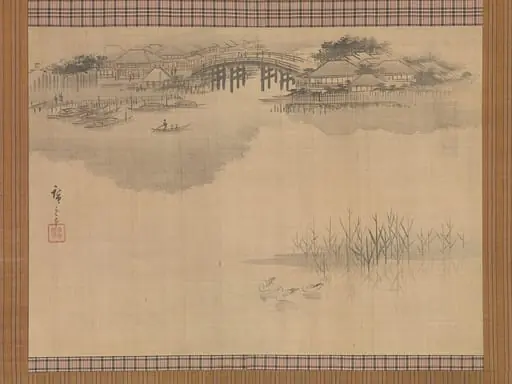
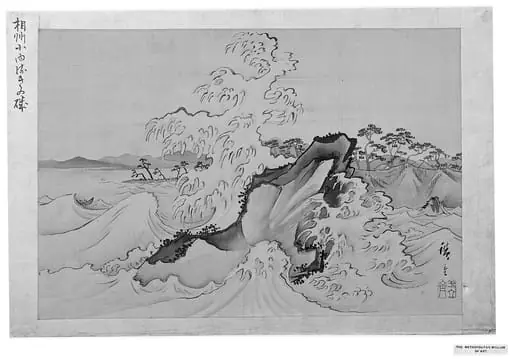
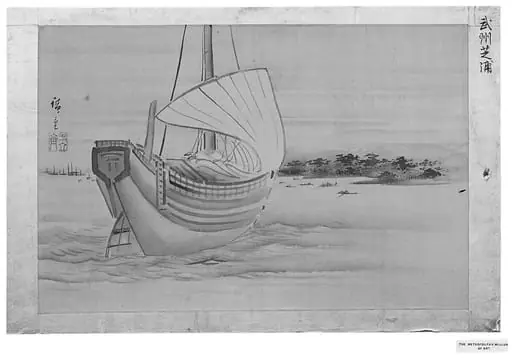
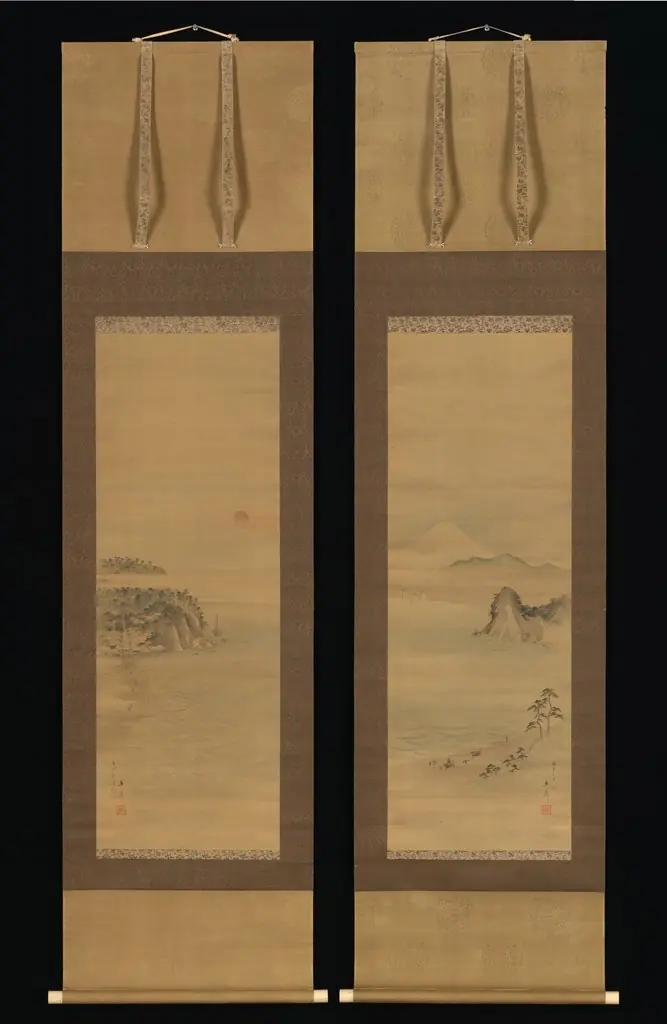
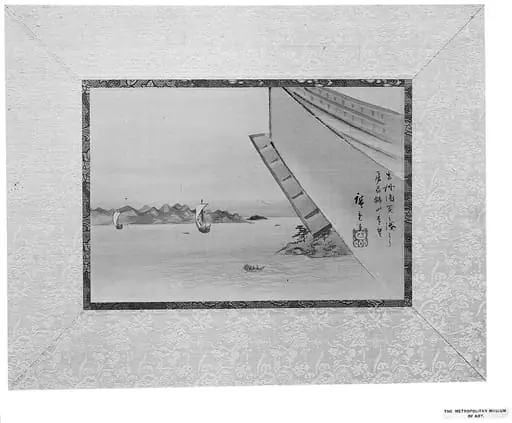
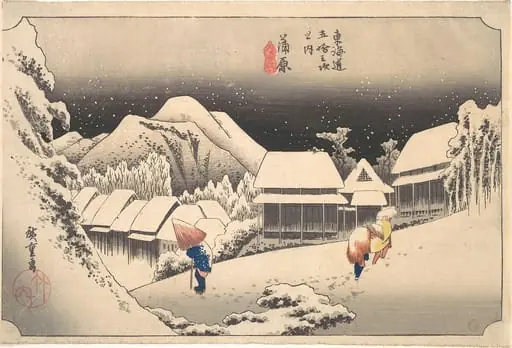 東海道五十三次之内 蒲原 夜の雪|A Snowy Evening at Kambara Station
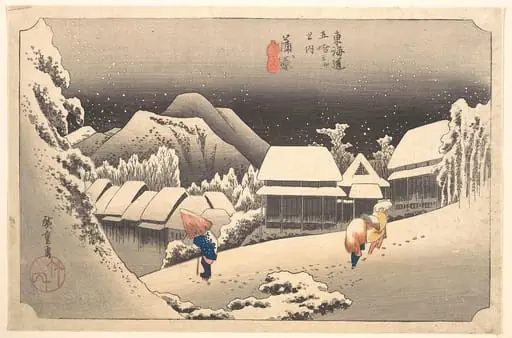 東海道五十三次之内 蒲原 夜の雪|Evening Snow
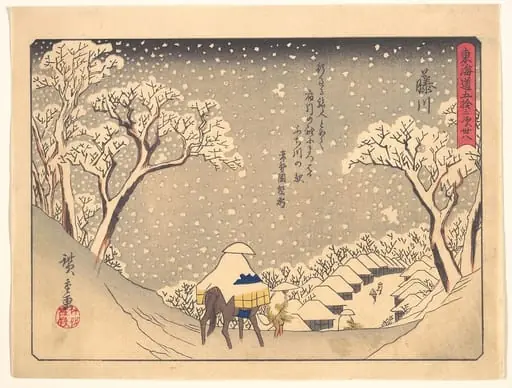 東海道五十三次 藤川|Fujikawa, from the series The Fifty-three Stations of the Tōkaidō Road
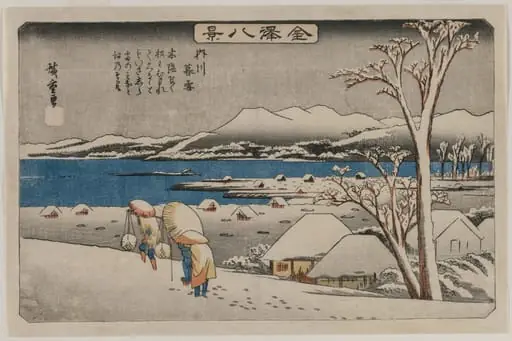 Evening Snow at Uchikawa, from the series Eight Views of Kanazawa
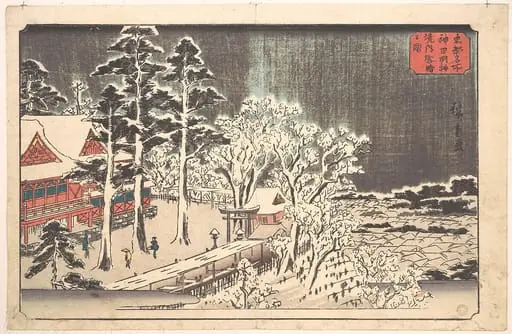 東都名所 神田明神境内雪晴之図|“Clear Weather after Snow in the Precincts of the Kanda Myōjin Shrine” (Kanda Myōjin keidai yukibare no zu), from the series Famous Places in the Eastern Capital (Tōto meisho)
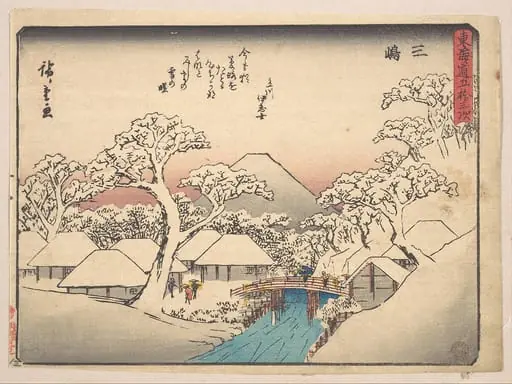 東海道五十三次 三島|Mishima, from the series Fifty-three Stations of the Tōkaidō Road (Tōkaidō gojūsan tsugi, Mishima), also known as the Kyōka (Witty Verse) Tōkaidō
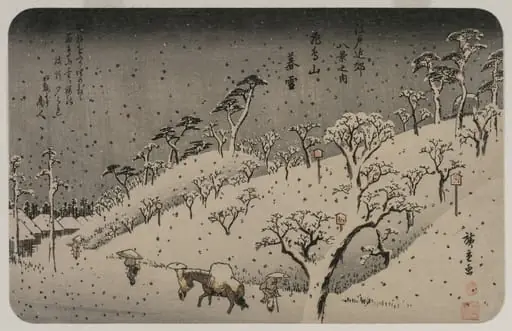 Evening Snow at Asuka Hill, from the series Eight Views of the Environs of Edo
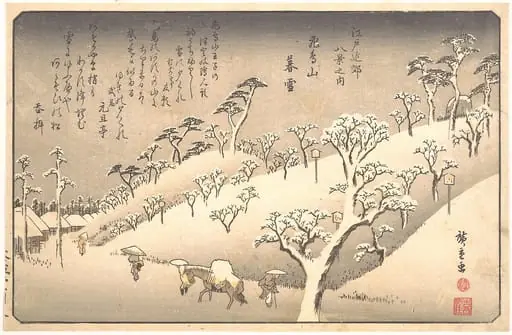 Asukayama Bosetsu|江戸近郊八景之内 飛鳥山暮雪|Asukayama in the Snow at Evening
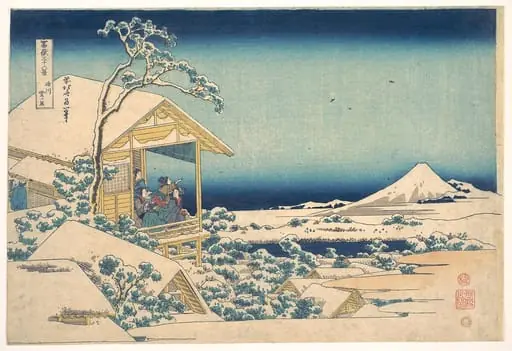 冨嶽三十六景 礫川雪の旦|Morning after the Snow at Koishikawa in Edo (Koishikawa yuki no ashita), from the series Thirty-six Views of Mount Fuji (Fugaku sanjūrokkei)
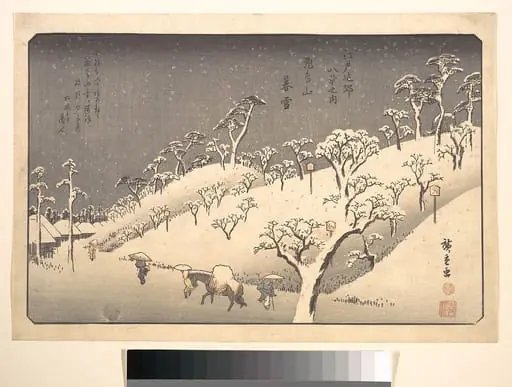 江戸近郊八景之内 飛鳥山暮雪|Asukayama in Evening Snow