Artwork
江戸近郊八景之内 飛鳥山暮雪|Asukayama in Evening Snow
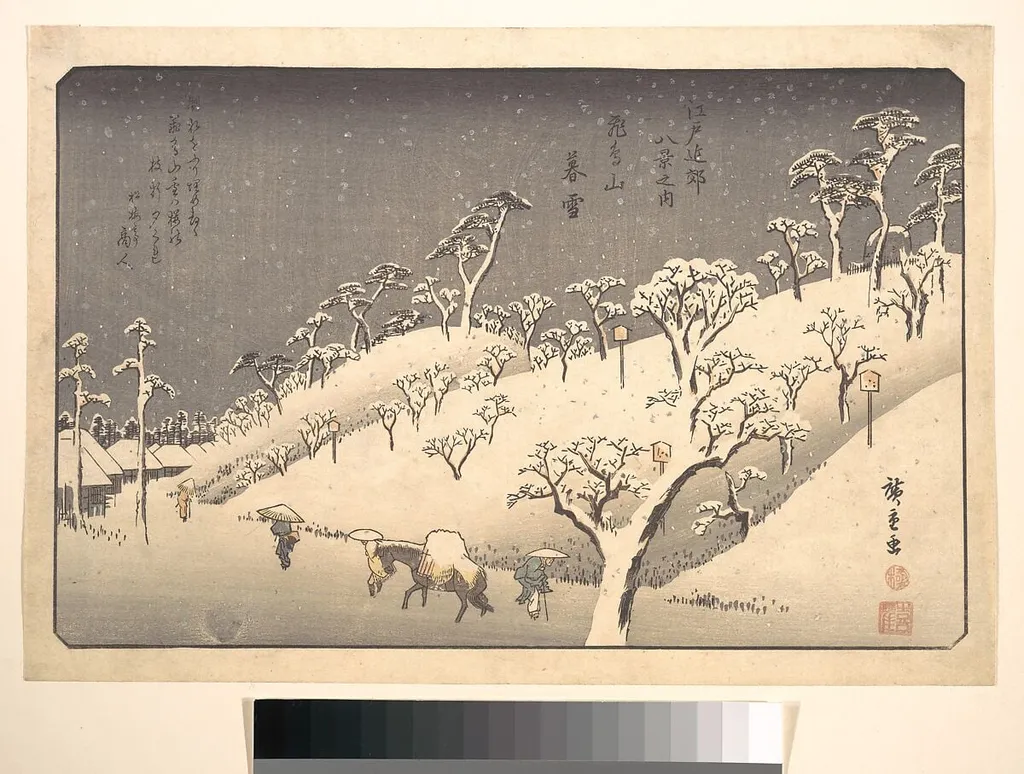
江戸近郊八景之内 飛鳥山暮雪|Asukayama in Evening Snow is an ink print by the Romanticist artist Utagawa Hiroshige. It dates from 1838 and is held in the collection of the Metropolitan Museum of Art.
About this work
Overview
Created around 1838 by Utagawa Hiroshige, this woodblock print is one of eight scenes from a series portraying landscapes near Edo. Unlike typical ukiyo-e subjects centered on city life, this work turns attention to quiet natural settings. Rendered in ink and color on paper, it exemplifies Hiroshige’s shift toward evocative, atmospheric landscapes that reflect seasonal change and solitude.
Subject & Meaning
The scene depicts Asukayama, a hill in northern Edo, blanketed in evening snow. A winding path climbs through bare trees, with small figures carrying umbrellas moving slowly upward. The dark sky, punctuated by faint white dots, suggests either falling snow or distant stars. The composition emphasizes stillness and the quiet dignity of human presence within a vast, frozen landscape.
Technique & Style
Hiroshige employed flat areas of color and minimal shading to suggest depth, avoiding realistic perspective in favor of expressive simplicity. Fine lines define tree branches and snow-laden limbs, while the texture of snow is implied through sparse, delicate marks. The use of negative space and muted tones enhances the sense of cold and quiet, characteristic of his mature landscape style.
History & Provenance
The print was produced during the late Edo period as part of a commercially published series. It entered the collection of The Metropolitan Museum of Art through documented acquisitions, likely in the early 20th century, as interest in Japanese prints grew among Western collectors. Its preservation reflects its status as a representative example of Edo-period printmaking.
Context
During the 1830s, travel literature and illustrated guidebooks popularized scenic spots near Edo, encouraging urban dwellers to appreciate nearby nature. Hiroshige’s series responded to this cultural trend, offering idealized yet recognizable views. Asukayama, once a cherry-blossom viewing site, took on new meaning in winter, symbolizing transient beauty and the passage of seasons.
Legacy
This print contributed to the broader recognition of landscape ukiyo-e as a serious artistic form. Hiroshige’s approach influenced later Western artists, including Impressionists, who admired his compositional restraint and sensitivity to atmosphere. Today, it remains a key example of how Japanese printmakers transformed everyday natural scenes into meditative visual experiences.
Artist & collection
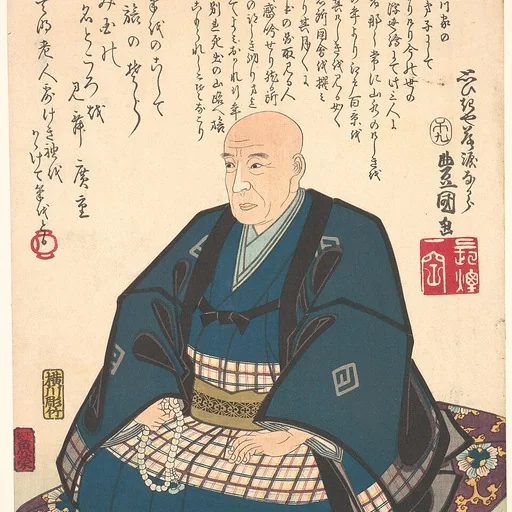
Artist
Utagawa Hiroshige (歌川 広重) or Andō Hiroshige (安藤 広重), born Andō Tokutarō (安藤 徳太郎; 1797 – 12 October 1858), was a Japanese ukiyo-e artist, considered the last great master of that tradition.

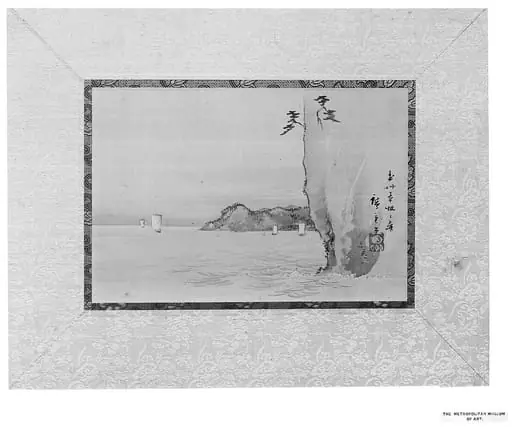
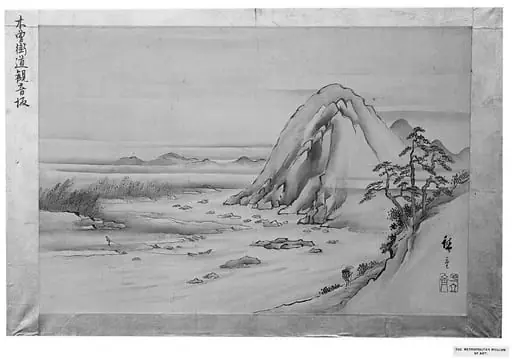
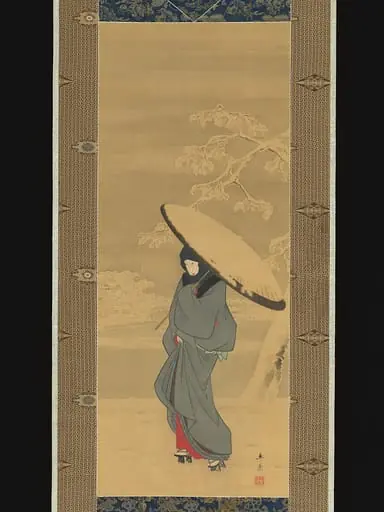
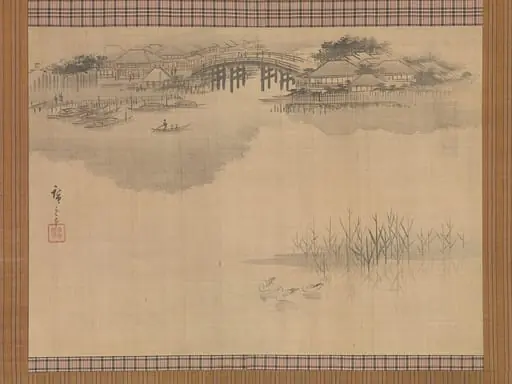
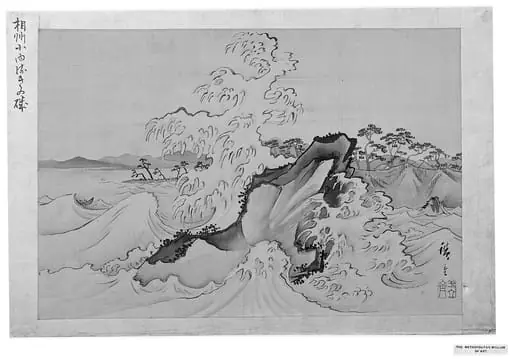
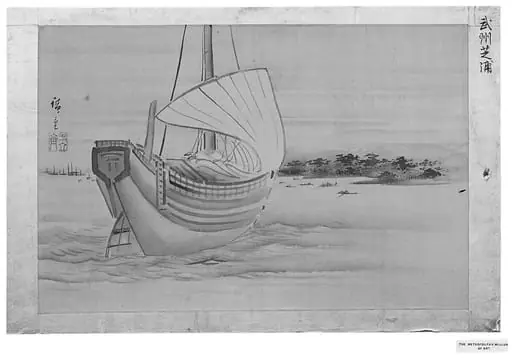
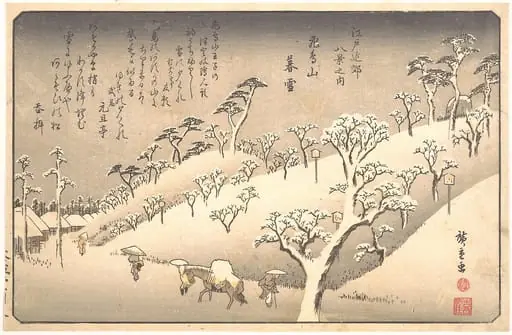 Asukayama Bosetsu|江戸近郊八景之内 飛鳥山暮雪|Asukayama in the Snow at Evening
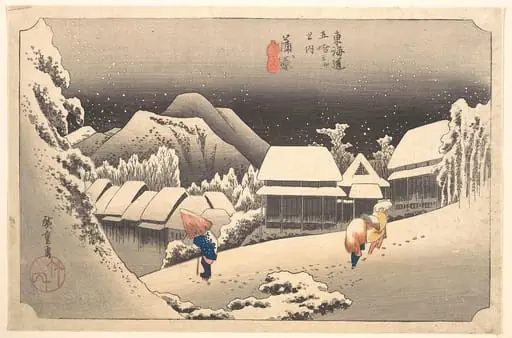 東海道五十三次之内 蒲原 夜の雪|Evening Snow
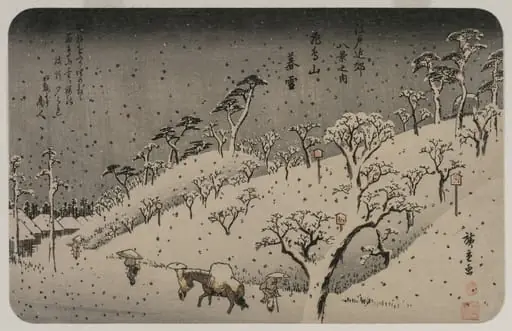 Evening Snow at Asuka Hill, from the series Eight Views of the Environs of Edo
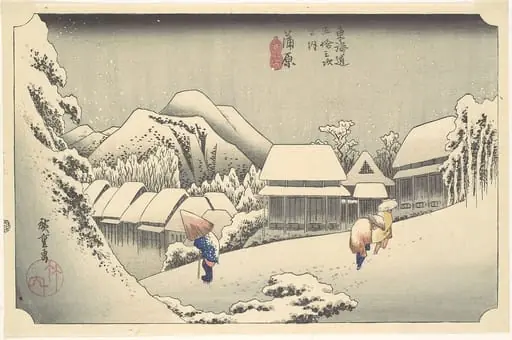 東海道五十三次之内 蒲原 夜の雪|Evening Snow at Kanbara, from the series "Fifty-three Stations of the Tōkaidō"
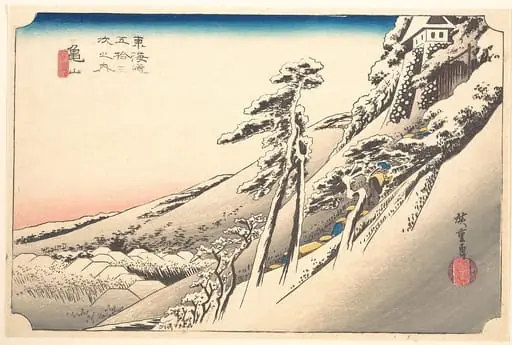 東海道五十三次之内 亀山 雪晴|Clear Weather after Snow
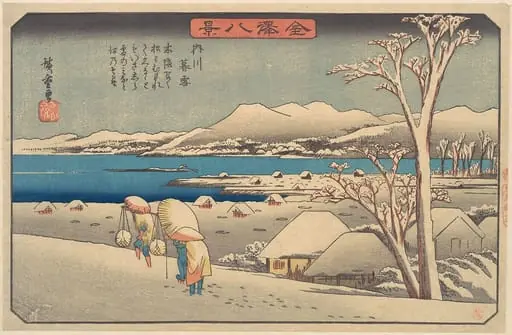 金沢八景 内川暮雪|Evening Snow at Uchikawa
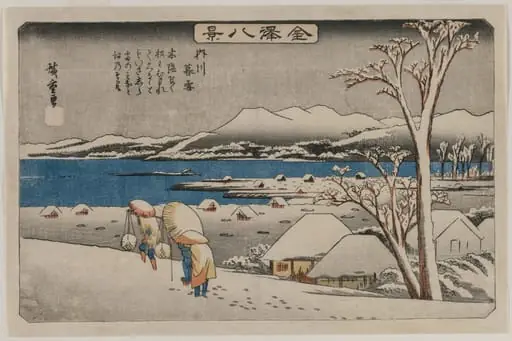 Evening Snow at Uchikawa, from the series Eight Views of Kanazawa
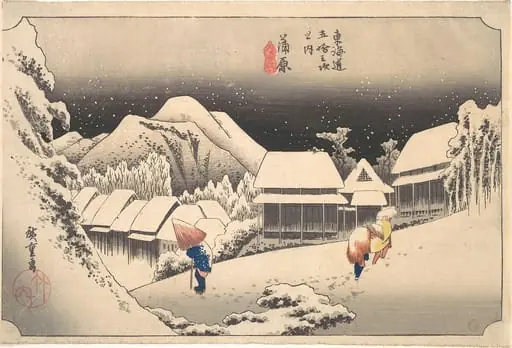 東海道五十三次之内 蒲原 夜の雪|A Snowy Evening at Kambara Station