Artwork
Night Rain at Karasaki, from Eight Views of Ōmi
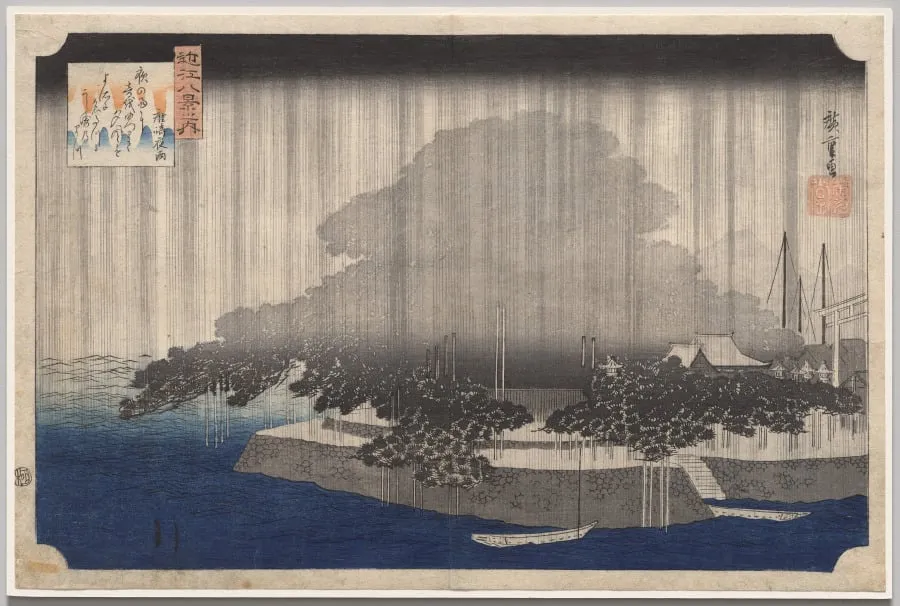
Night Rain at Karasaki, from Eight Views of Ōmi is a print by the Romanticist artist Utagawa Hiroshige. It dates from 1835 and is held in the collection of the Cleveland Museum of Art. This woodblock print, part of Hiroshige’s series *Eight Views of Ōmi*, depicts the renowned Karasaki pine on the shore of Lake Biwa.
About this work
Look up more prints from *japan, edo period (1615–1868)* to see how artists turned daily life into quiet moments.
A lone pine tree bends under sheets of rain at dusk. Its branches stretch wide, held up by bamboo poles. A few tiny figures hurry along a dark path near the water.
This print is one of eight scenes Hiroshige made of Ōmi province. The poem on it praises the famous Karasaki Pine, a real tree that sheltered a shrine. The rain isn’t just weather—it’s sound, almost music, turning the tree into something alive.
Look up more prints from *japan, edo period (1615–1868)* to see how artists turned daily life into quiet moments.
Overview
This woodblock print, part of Hiroshige’s series *Eight Views of Ōmi*, depicts the renowned Karasaki pine on the shore of Lake Biwa. The composition shows the solitary tree bent beneath evening rain, its branches supported by a lattice of bamboo poles that also shelter a small shrine. A brief poem inscribed on the image celebrates the pine’s fame and its connection to the sound of rain.
Subject & Meaning
The central pine, historically known for its association with a shrine, is rendered as a living presence that responds to the night’s rain and wind. The accompanying verse emphasizes the tree’s fame through its interaction with the elements, suggesting a harmony between nature, spirituality, and the auditory experience of falling rain.
Technique & Style
Hiroshige employs delicate line work to delineate the pine’s drooping branches and the bamboo framework, while muted ink washes convey the dusk atmosphere and the sheen of rain. The contrast between the dark path near the water and the illuminated foliage creates depth, a hallmark of Edo‑period ukiyo‑e landscape printing.
History & Provenance
Created in the mid‑19th century, the print belongs to the *Eight Views of Ōmi* series, a popular thematic set that revisited classic Chinese landscape motifs within a Japanese context. Original impressions were produced by the artist’s workshop and circulated among collectors of Edo‑period prints.
Context
Karasaki pine was a celebrated landmark on Lake Biwa, often visited by pilgrims and poets. By integrating a well‑known poetic reference, Hiroshige links the visual scene to literary tradition, reflecting the Edo era’s practice of pairing images with verses to enrich the viewer’s experience.
Artist & collection
Artist
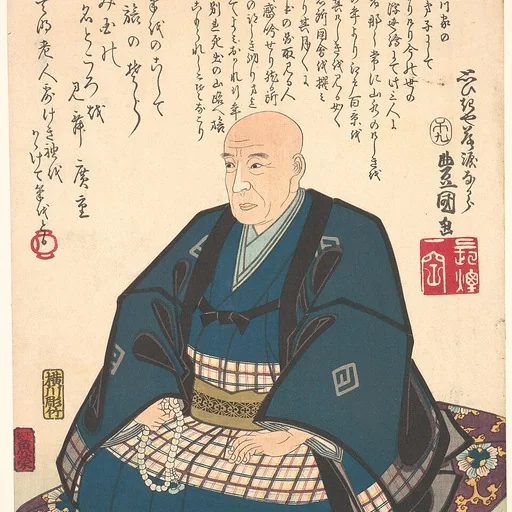
Utagawa Hiroshige (歌川 広重) or Andō Hiroshige (安藤 広重), born Andō Tokutarō (安藤 徳太郎; 1797 – 12 October 1858), was a Japanese ukiyo-e artist, considered the last great master of that tradition.

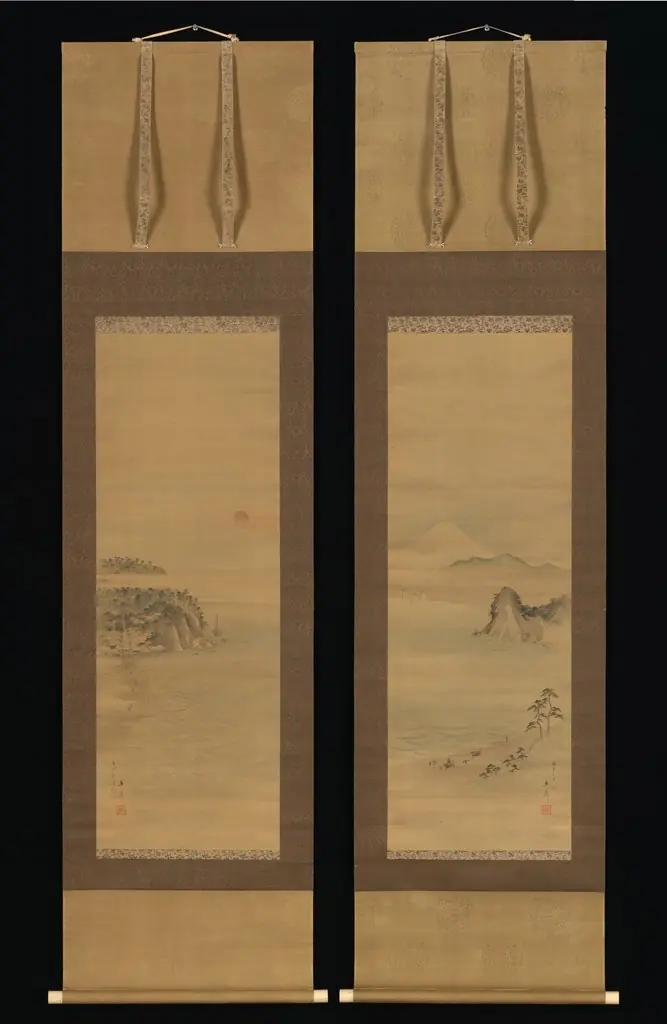
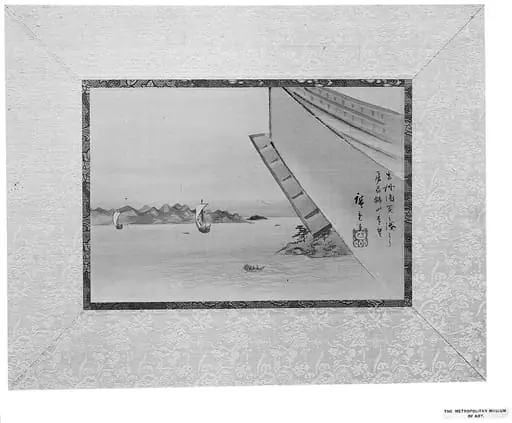
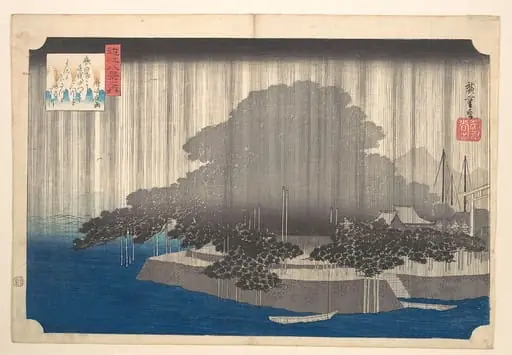 近江八景之内 唐崎夜雨|Evening Rain at Karasaki-Pine Tree
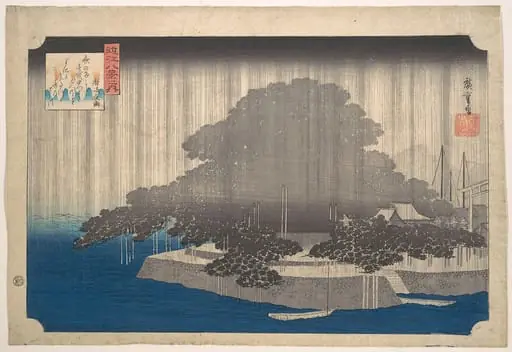 近江八景之内 唐崎夜雨|Evening Rain on the Karasaki Pine
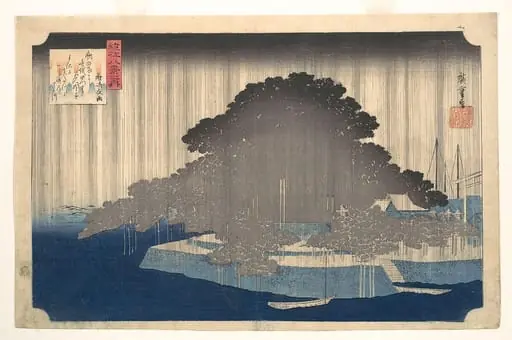 Karasaki no Yau|近江八景の内 唐崎夜雨|Evening Rain at Karasaki, Pine Tree
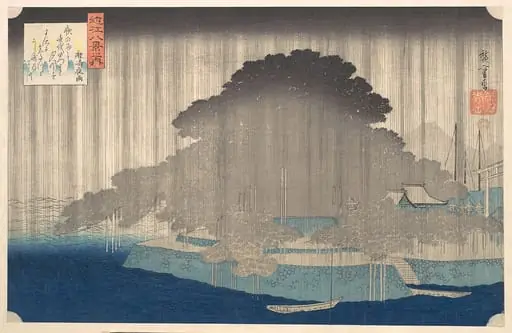 歌川広重画 「近江八景之内 唐崎夜雨」|Night Rain at Karasaki, from the series Eight Views of Ōmi (Ōmi hakkei no uchi)
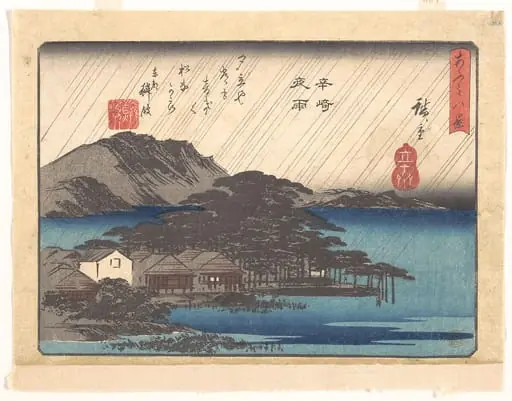 歌川広重画 「あふみ八景 辛崎夜雨」|Evening Rain at Karasaki, from the series Eight Views of Ōmi (Ōmi hakkei)
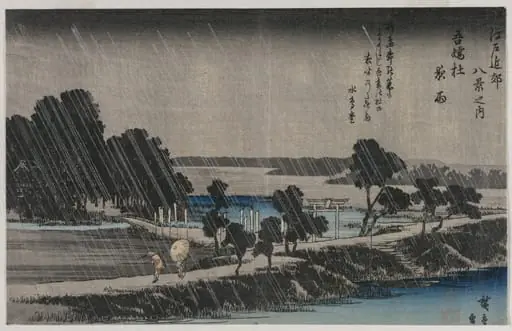 Night Rain at the Azuma Shrine (from the series Eight Views of the Environs of Edo)
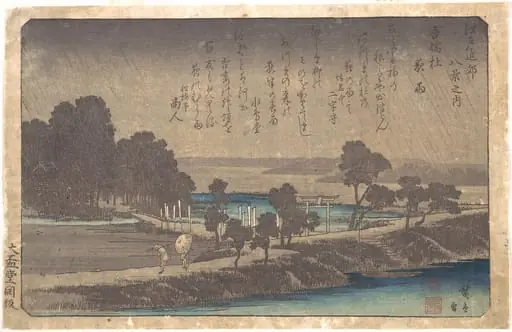 Azuma Mori Yau|江戸近郊八景之内 吾嬬杜夜雨|Evening Rain in Azuma Wood
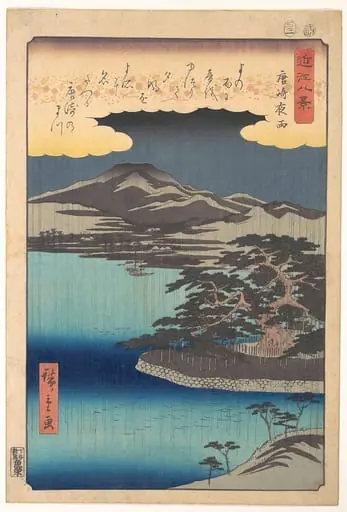 Karasaki ya'u|近江八景 唐崎夜雨|Pine Tree at Karasaki
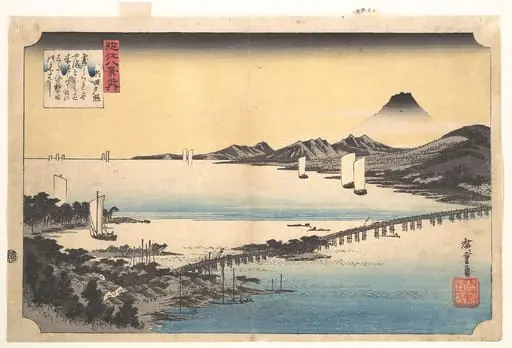 歌川広重画 近江八景の内 瀬田夕照|Sunset Glow at Seta (Seta sekishō), from the series Eight Views of Ōmi Province (Ōmi hakkei)
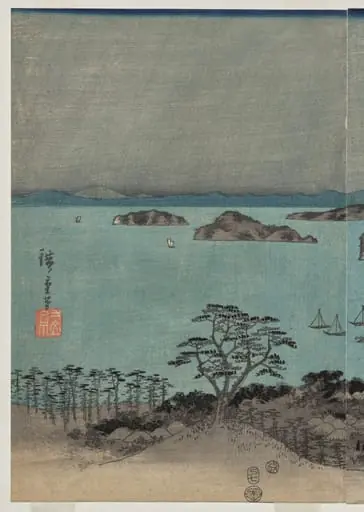 Evening View of the Eight Famous Places near Kanazawa Under Full Moon in Musashi Province