Artwork
Evening View of the Eight Famous Places near Kanazawa Under Full Moon in Musashi Province
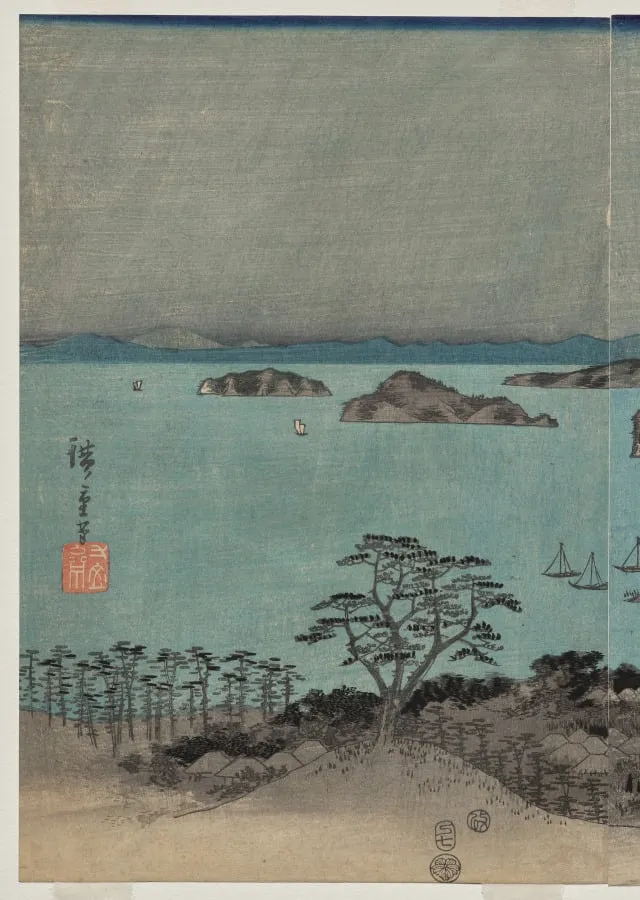
Evening View of the Eight Famous Places near Kanazawa Under Full Moon in Musashi Province is a print by the Impressionist artist Utagawa Hiroshige. It dates from 1857 and is held in the collection of the Cleveland Museum of Art.
About this work
You see a long, narrow print of a moonlit coastline: tiny fishing boats, dark hills, and a double-arched bridge at the bottom right.
You see a long, narrow print of a moonlit coastline: tiny fishing boats, dark hills, and a double-arched bridge at the bottom right.
Hiroshige made this near the end of his life. He was part of a series showing snow, moon, and flowers—this one is the moon. People in his time would have known the real places in the scene, like recognizing a postcard of home.
To see more prints like this, look up *japan, edo period (1615–1868)*.
Overview
Created near the end of Hiroshige’s life, this print belongs to a series of three triptychs centered on the poetic motif of setsugekka—snow, moon, and flowers. This installment depicts the moonlit landscape of Kanazawa in Musashi Province, capturing a quiet, expansive coastal scene. The composition emphasizes stillness and lunar illumination, aligning with traditional Japanese aesthetic ideals of seasonal contemplation and natural harmony.
Subject & Meaning
The scene portrays a tranquil autumn night along the shoreline, where the full moon casts a silver glow over quiet waters. Distant hills, sparse villages, and small fishing boats suggest human presence without activity, evoking solitude and reflection. The double-arched bridge at the lower right anchors the view, signaling a recognizable local landmark. For contemporary viewers, these details would have evoked personal or regional memory, transforming the image into a quiet homage to place.
Technique & Style
Hiroshige employs subtle gradations of ink and muted color to convey the softness of moonlight across water and land. The horizontal format stretches the viewer’s gaze across the landscape, reinforcing the sense of quiet vastness. Delicate linework defines distant hills and boats, while areas of negative space suggest mist and shadow. His use of perspective and atmospheric tone reflects a mature command of ukiyo-e conventions, prioritizing mood over detail.
History & Provenance
This print was produced in the final years of Hiroshige’s career, around the 1850s, as part of a thematic series commissioned during a period of declining health. It was likely published by a Tokyo-based firm, common for his later works. Though specific ownership records are sparse, the print circulated widely among urban patrons who valued landscape series for their emotional resonance and connection to familiar locales.
Context
Hiroshige’s late work emerged amid shifting cultural tastes in Edo-period Japan, as travel literature and illustrated guides popularized regional landmarks. The setsugekka theme drew from classical poetry and seasonal observances, offering viewers a meditative escape from urban life. By focusing on lesser-known coastal sites rather than famous pilgrimage spots, Hiroshige expanded the scope of landscape printmaking beyond the well-trodden routes of the Tokaido.
Legacy
This print exemplifies Hiroshige’s enduring influence on the evolution of Japanese landscape art. Its emphasis on atmosphere and emotional tone prefigured later Western interest in Japanese prints, particularly among Impressionist artists. Though less celebrated than his travel series, these final works reveal a refined sensitivity to nature’s quiet rhythms, securing his place in the tradition of poetic visual storytelling.
Artist & collection
Artist
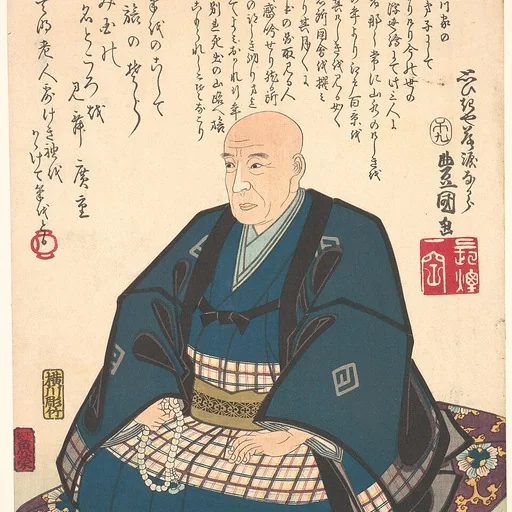
Utagawa Hiroshige (歌川 広重) or Andō Hiroshige (安藤 広重), born Andō Tokutarō (安藤 徳太郎; 1797 – 12 October 1858), was a Japanese ukiyo-e artist, considered the last great master of that tradition.

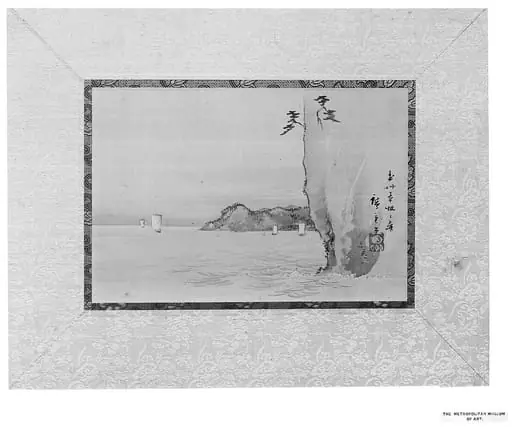
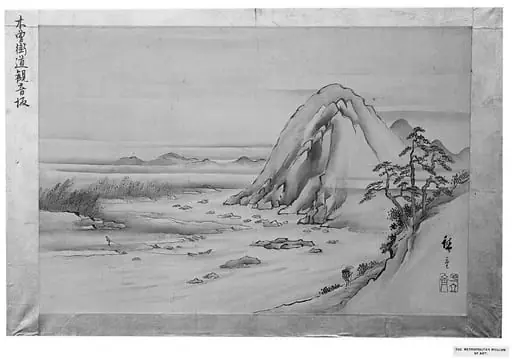
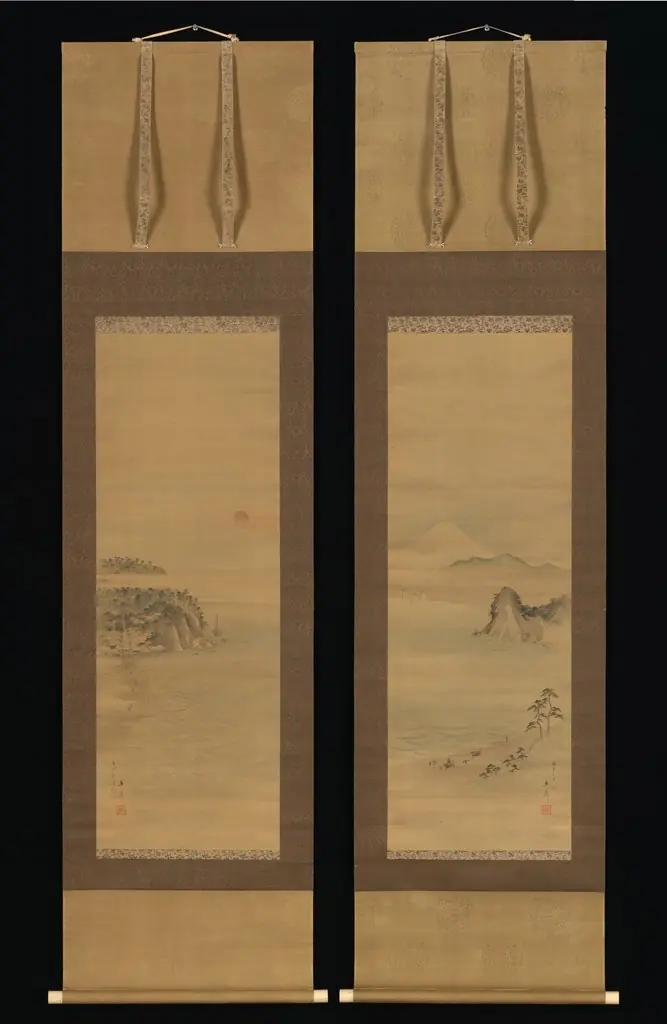
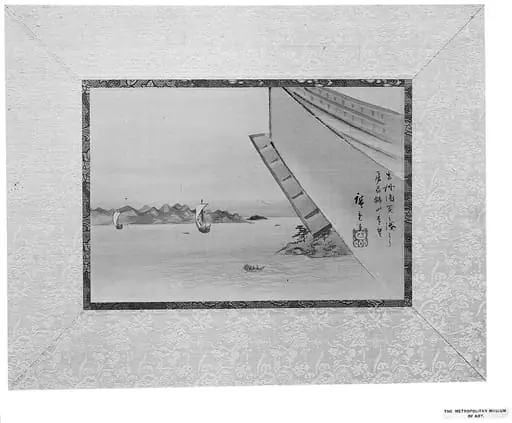
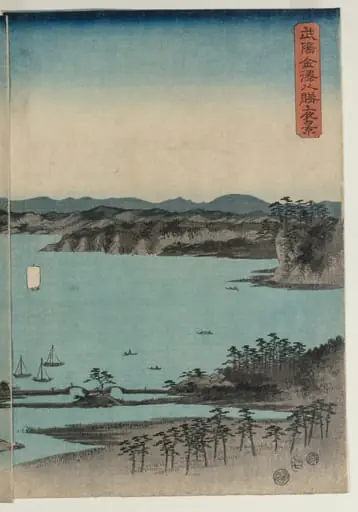 Full Moon on Kanazawa, Musashi
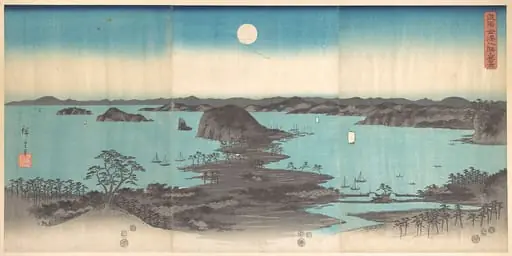 雪月花 武陽金沢八勝夜景|Panorama of the Eight Views of Kanasawa under a Full Moon
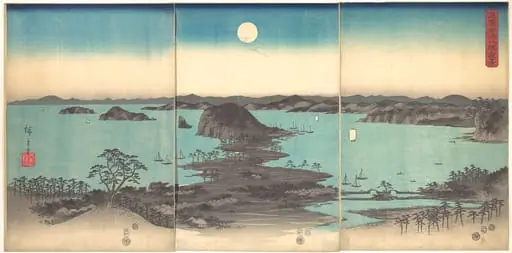 Buyō Kanazawa Hasshō Yakei|雪月花 武陽金沢八勝夜景|Full Moon at Kanazawa, Province of Musashi
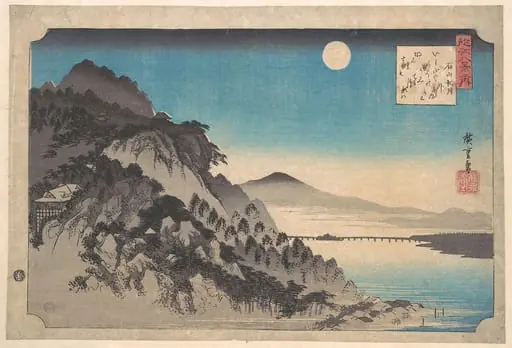 近江八景之内 石山秋月|The Autumn Moon at Ishiyama on Lake Biwa
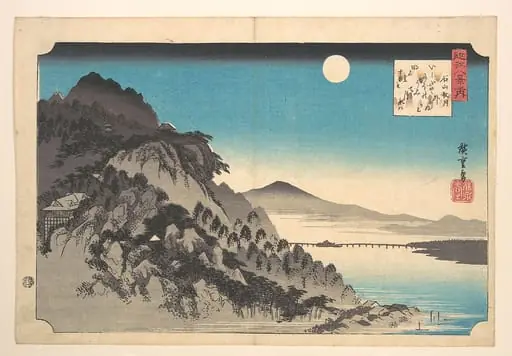 近江八景之内 石山秋月|The Autumn Full Moon at Ishiyama
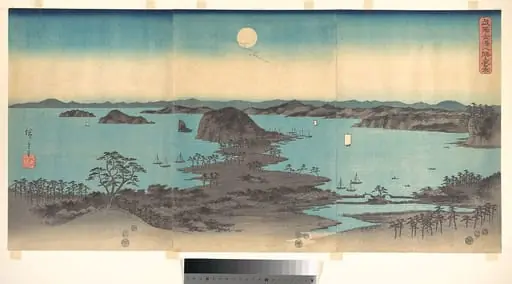 奥村 政信画 浮絵 「紋尽名古屋曽我」|Full Moon at Kanazawa, Province of Musashi
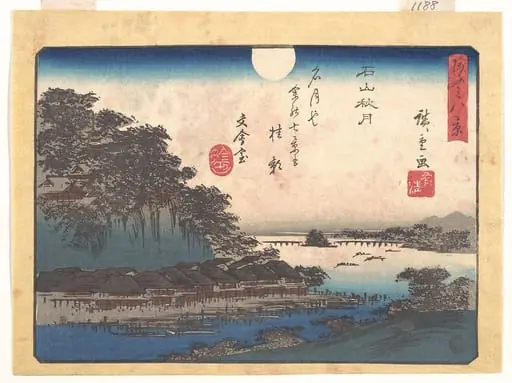 歌川広重画 「あふみ八景 石山秋月」|Autumn Moon at Ishiyama, from the series Eight Views of Ōmi (Ōmi hakkei)