Artwork
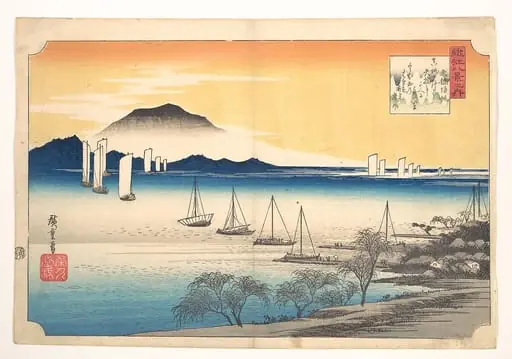
歌川広重画 「近江八景 矢橋帰帆」|Returning Fishing Boats at Yabase, from the series Eight Views of Ōmi (Ōmi hakkei)
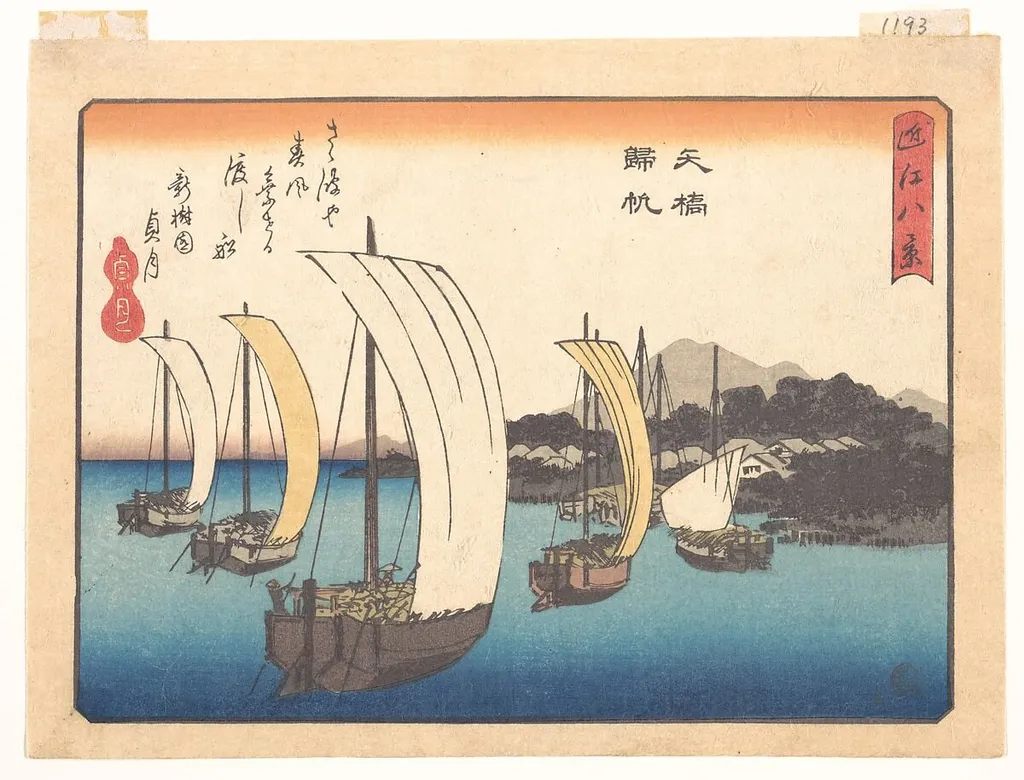
歌川広重画 「近江八景 矢橋帰帆」|Returning Fishing Boats at Yabase, from the series Eight Views of Ōmi (Ōmi hakkei) is an ink print by the Romanticist artist Utagawa Hiroshige. It dates from 1834 and is held in the collection of the Metropolitan Museum of Art.
About this work
Overview
Created around 1834, this woodblock print is one of eight scenes in Utagawa Hiroshige’s series depicting landscapes of Ōmi Province. It captures a tranquil moment at Yabase, a harbor on the eastern shore of Lake Biwa. Unlike many ukiyo-e works centered on urban life, Hiroshige focused on natural settings and quiet, everyday rhythms, establishing a new direction in Japanese printmaking.
Subject & Meaning
The scene portrays three fishing boats returning to shore at dusk, their sails catching the last light. The vessels, laden with gear, suggest a day’s labor completed. The quiet harbor, nestled against a sloping hillside town and distant mountains, evokes a sense of rest and cyclical routine. The composition reflects a contemplative harmony between human activity and the natural landscape.
Technique & Style
Hiroshige employed traditional ukiyo-e methods: carved woodblocks, ink outlines, and flat areas of color, including a deep blue for the water. The forms are simplified yet precise, with minimal shading and strong contours. The perspective is subtly elevated, allowing the viewer to take in both the boats and the surrounding terrain, a hallmark of Hiroshige’s atmospheric approach to landscape.
History & Provenance
The print was produced during Hiroshige’s early career, shortly after he began focusing on landscape series. Published by the firm of Hoeidō, the Eight Views of Ōmi series was among his first major successes. Copies circulated widely in Edo, appealing to travelers and locals alike who admired the poetic representation of provincial scenery.
Context
Ōmi Province, home to Lake Biwa, was a well-known cultural region with a long tradition of poetic and visual depictions. The Eight Views motif, borrowed from Chinese landscape traditions, was adapted by Japanese artists to celebrate local sites. Hiroshige’s version honored this literary heritage while grounding it in the observable rhythms of rural life.
Legacy
This print helped define Hiroshige’s reputation as a master of lyrical landscape. His emphasis on mood, seasonal nuance, and everyday scenes influenced later artists in Japan and, eventually, European Impressionists. The Eight Views of Ōmi series remains a key example of how ukiyo-e evolved from depicting pleasure quarters to capturing the quiet beauty of the natural world.
Artist & collection
Artist
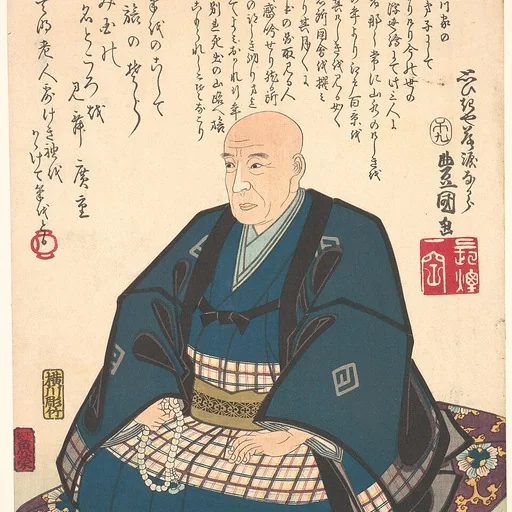
Utagawa Hiroshige (歌川 広重) or Andō Hiroshige (安藤 広重), born Andō Tokutarō (安藤 徳太郎; 1797 – 12 October 1858), was a Japanese ukiyo-e artist, considered the last great master of that tradition.

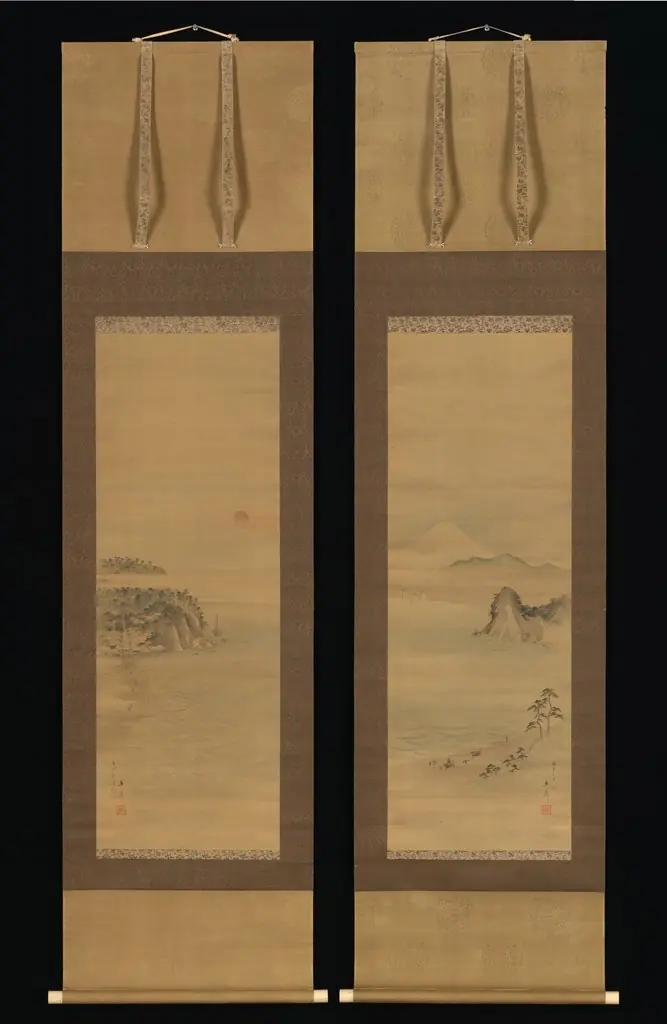
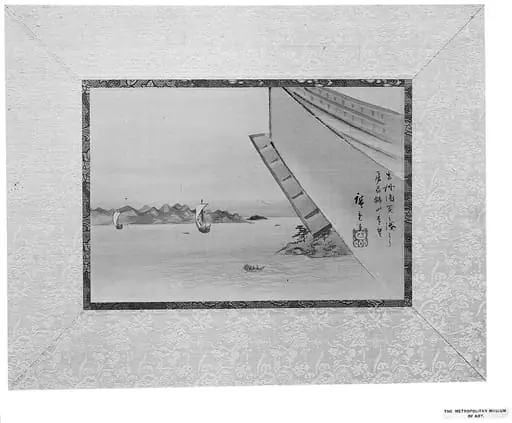
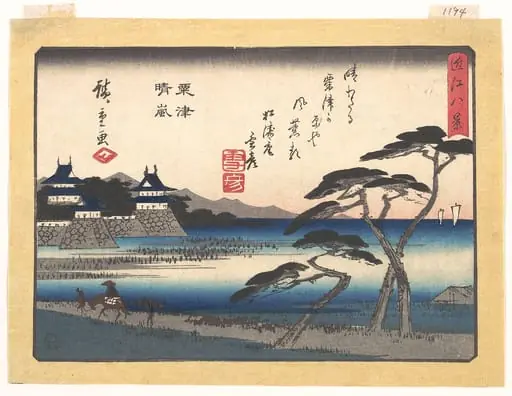 歌川広重画 「近江八景 粟津晴嵐」|Clearing Weather at Awazu (Awazu seiran), from the series Eight Views of Ōmi (Ōmi hakkei)
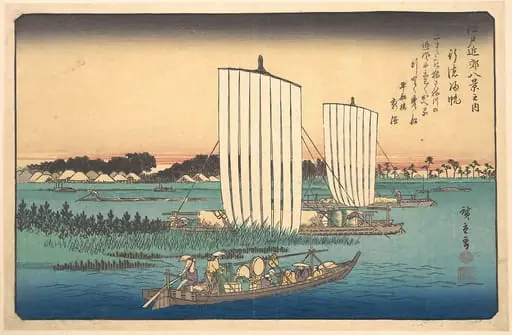 江戸近郊八景之内 行徳帰帆|Boats Returning to Gyotoku
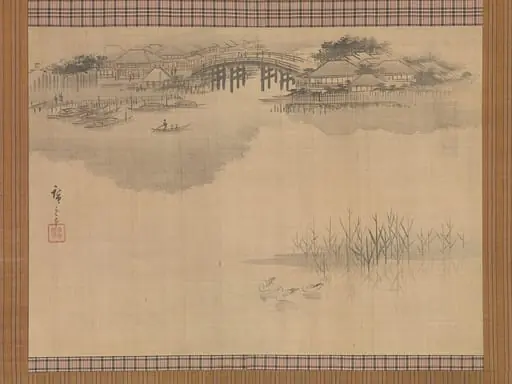
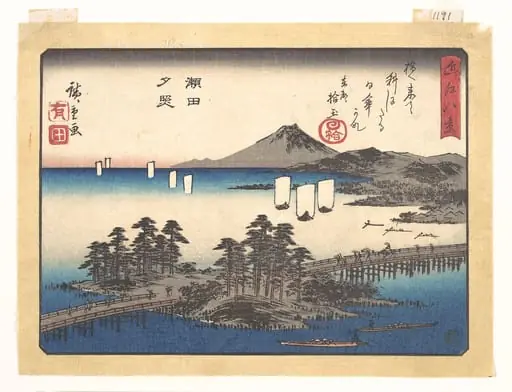 歌川広重画 「近江八景 瀬田夕照」|Sunset Glow at Seta, from the series Eight Views of Ōmi (Ōmi hakkei)
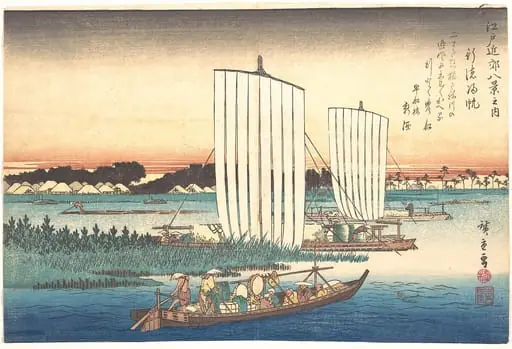 Gyotoku Kihan|江戸近郊八景之内 行徳帰帆|Boats Returning to Gyotoku
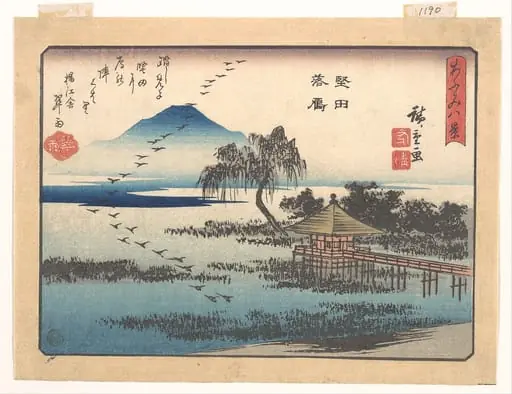 歌川広重画 「あふみ八景 堅田落雁」|Descending Geese at Katada, from the series Eight Views of Ōmi (Ōmi hakkei)
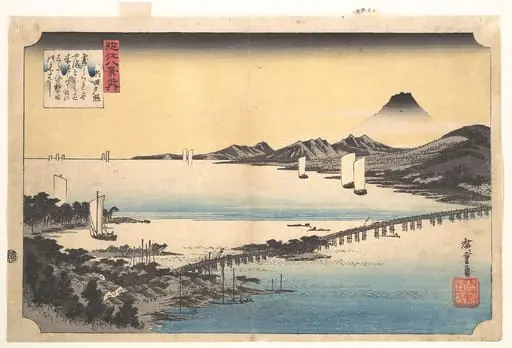 歌川広重画 近江八景の内 瀬田夕照|Sunset Glow at Seta (Seta sekishō), from the series Eight Views of Ōmi Province (Ōmi hakkei)
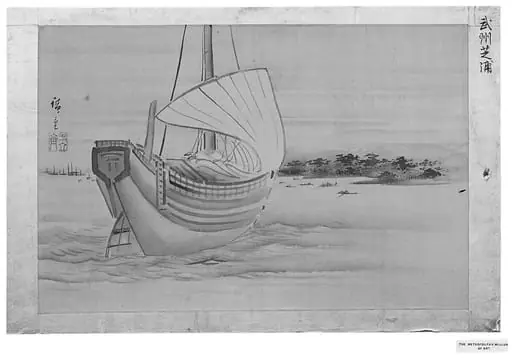
 近江八景之内 矢橋帰帆|Fishing Boats Returning to Yabase