Artwork
東海道五十三次之内 由井 薩埵嶺|Satta Peak at Yui
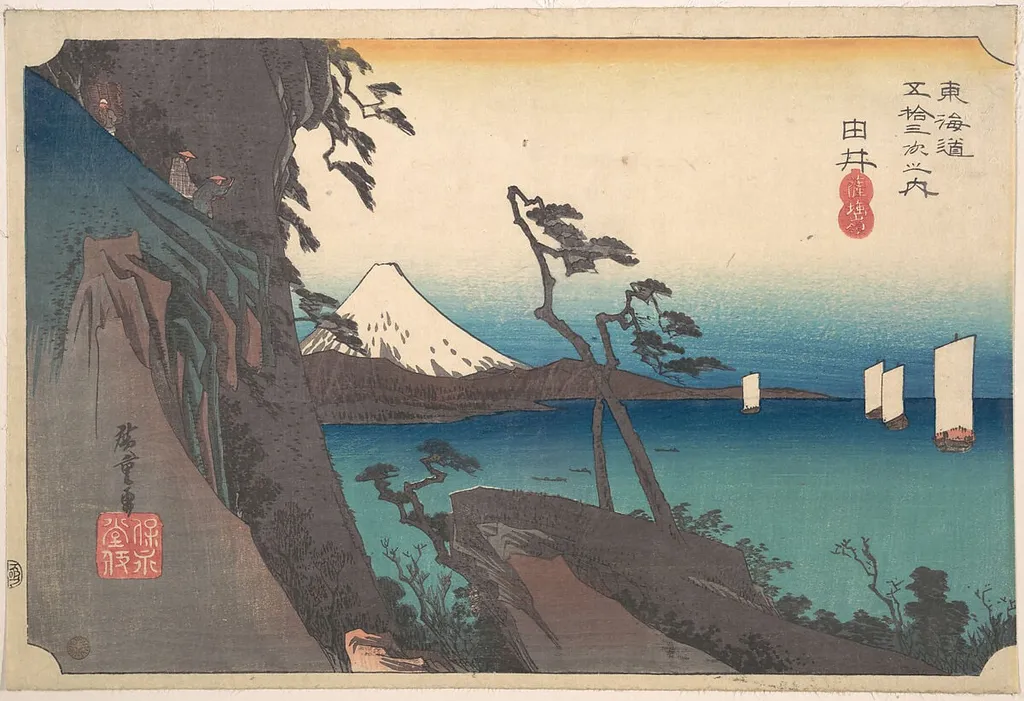
東海道五十三次之内 由井 薩埵嶺|Satta Peak at Yui is an ink print by the Romanticist artist Utagawa Hiroshige. It dates from 1834 and is held in the collection of the Metropolitan Museum of Art.
About this work
Overview
Satta Peak at Yui is a woodblock print created by Utagawa Hiroshige around 1834, as part of his landscape series, The Fifty-three Stations of the Tōkaidō. Executed in ink and color on paper, it marks a divergence from the typical urban themes prevalent in ukiyo-e art.
Subject & Meaning
The print features a serene natural scene: a boat on water, set against the backdrop of Satta Peak and a tree. This composition reflects Hiroshige's inclination towards landscape, differing from the genre's common focus on figures and urban entertainment districts.
Technique & Style
Characterized by simple yet effective lines and a nuanced color palette, the work embodies the traditional style of Japanese woodblock prints of its era. These visual elements collectively create a sense of depth, drawing the viewer into the natural landscape.
History & Provenance
Created circa 1834 by Utagawa Hiroshige (born Andō Tokutarō in 1797), Satta Peak at Yui is part of a notable series that cemented Hiroshige's reputation as a leading ukiyo-e artist, particularly acclaimed for his landscapes.
Context
As part of The Fifty-three Stations of the Tōkaidō, this print is not only a landscape but also a depiction of a stop along the famous Tōkaidō road, blending natural beauty with a snapshot of travel in 19th-century Japan.
Legacy
Satta Peak at Yui contributes to Hiroshige's legacy as a pioneer in ukiyo-e landscapes, influencing subsequent generations of artists with its harmonious balance of nature and composition.
Artist & collection
Artist
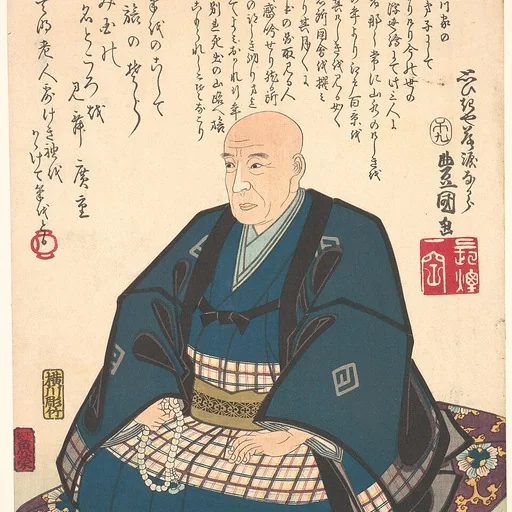
Utagawa Hiroshige (歌川 広重) or Andō Hiroshige (安藤 広重), born Andō Tokutarō (安藤 徳太郎; 1797 – 12 October 1858), was a Japanese ukiyo-e artist, considered the last great master of that tradition.


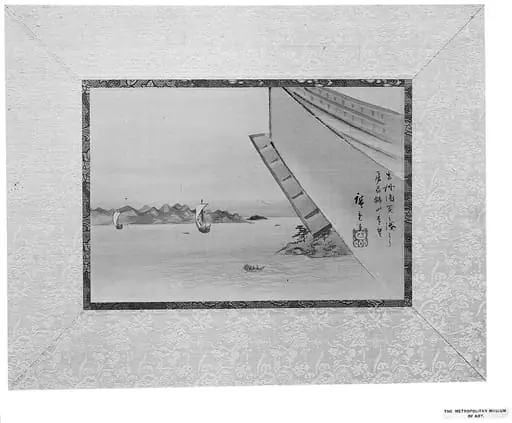
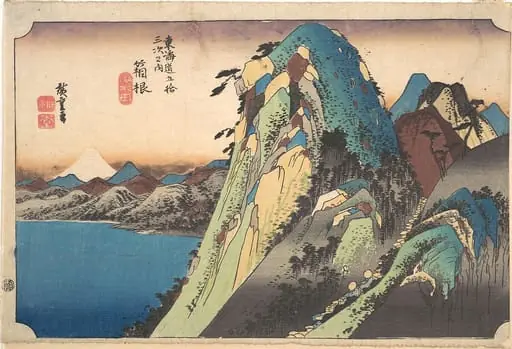 東海道五十三次之内 箱根 湖水図|Hakone; Kosui
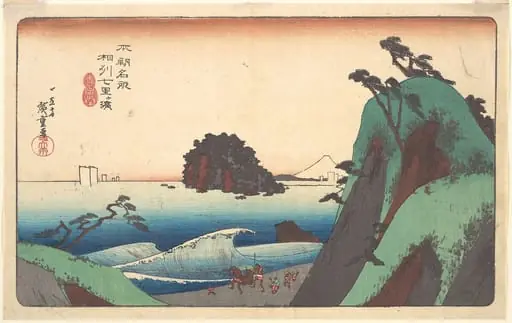 本朝名所 相州七里ヶ浜|Soshu, Shichi-ri ga Hama
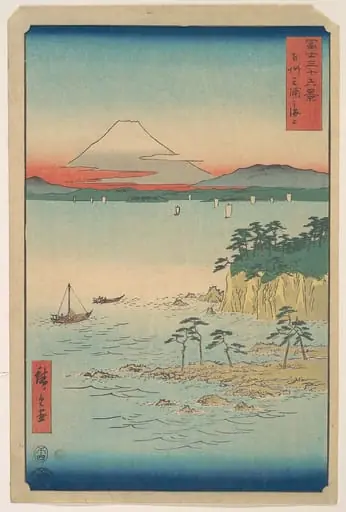 富士三十六景 相州三浦の海上|Fuji from Miura, Sagami (Soshu Miura no Kaijo), from the series Thirty-six Views of Mount Fuji (Fugaku sanjūrokkei)
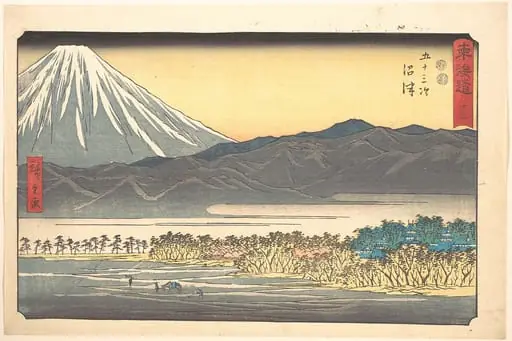 歌川広重画 東海道 十三 五十三次
沼津|Numazu, Number 13, from the series Fifty-Three Stations of the Tōkaidō (Tōkaidō gojūsan tsugi)
歌川広重画 東海道 十三 五十三次
沼津|Numazu, Number 13, from the series Fifty-Three Stations of the Tōkaidō (Tōkaidō gojūsan tsugi)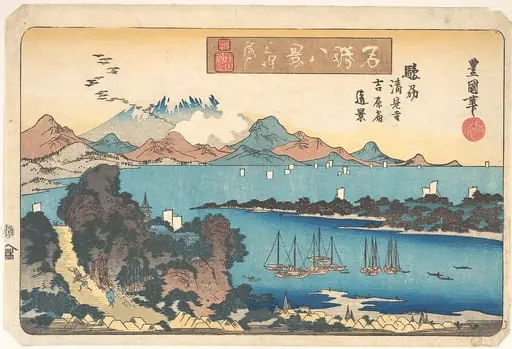 Untitled
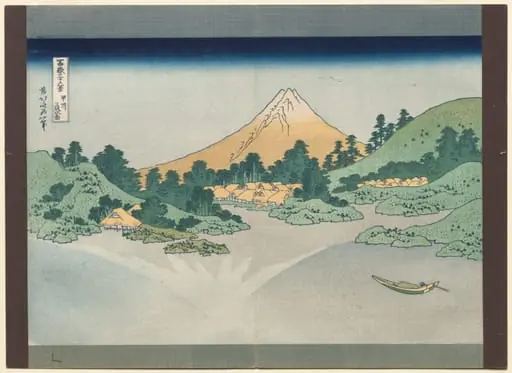 Thirty-Six Views of Mt. Fuji: The Surface of Lake Misaka in Kai Province
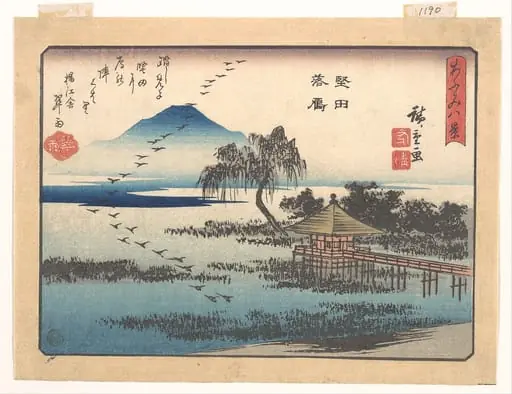 歌川広重画 「あふみ八景 堅田落雁」|Descending Geese at Katada, from the series Eight Views of Ōmi (Ōmi hakkei)
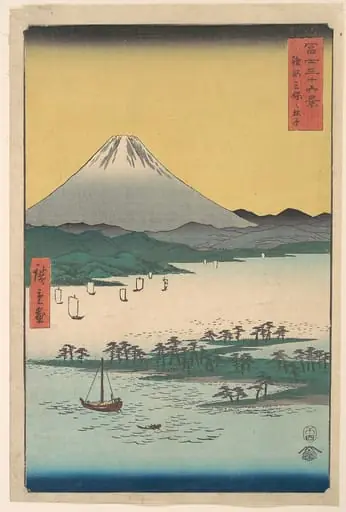 富士三十六景 駿河三保の松原|Pine Groves of Miho in Suruga Province