Artwork
東海道五十三次 関 本陣早立|Seki, Stations No. 48
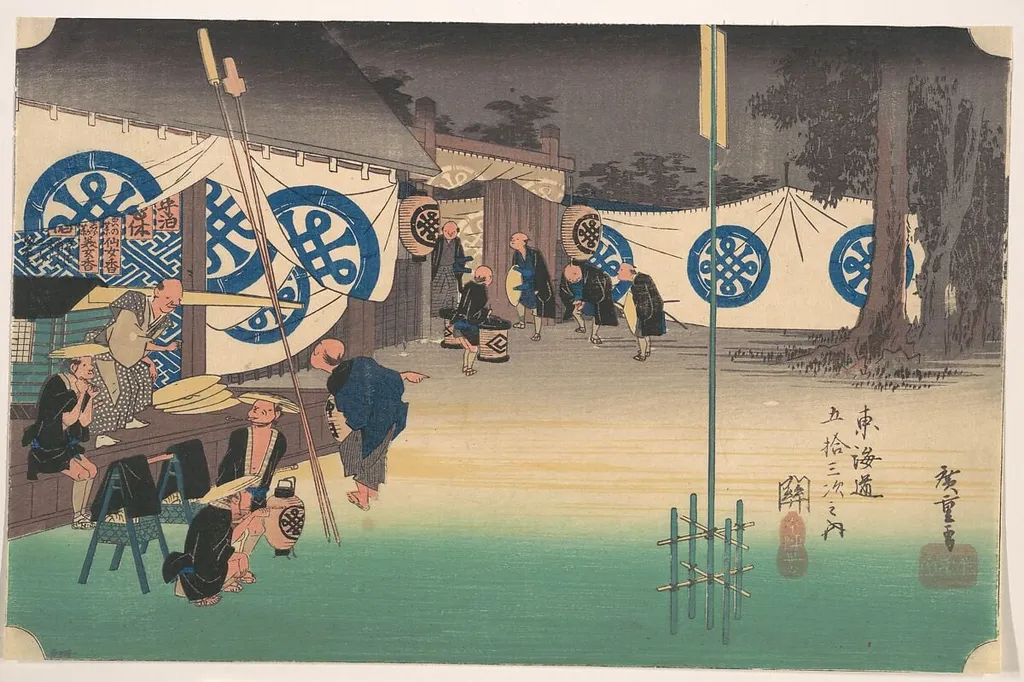
東海道五十三次 関 本陣早立|Seki, Stations No. 48 is an ink print by the Romanticist artist Utagawa Hiroshige. It dates from 1834 and is held in the collection of the Metropolitan Museum of Art. Seki, Stations No.
About this work
Overview
Seki, Stations No. 48 is a woodblock print created by Utagawa Hiroshige around 1834, as part of The Fifty-three Stations of the Tōkaidō series, depicting a scene from the post town of Seki along the Tokaido road.
Subject & Meaning
The print captures a bustling riverside moment in Seki, showcasing everyday life and travel along the vital Edo-Kyoto route, emphasizing naturalistic and atmospheric elements over traditional ukiyo-e subjects.
Technique & Style
Hiroshige's characteristic attention to detail is evident in the intricate patterns on flags, varied clothing, and layered composition, blending ink and color on paper to evoke a sense of depth and activity.
History & Provenance
Created circa 1834 by Utagawa Hiroshige for The Fifty-three Stations of the Tōkaidō series, part of the late Edo period's ukiyo-e movement.
Context
Part of a broader series documenting the Tokaido's fifty-three stations, this work reflects Hiroshige's shift towards capturing Japan's landscapes and the lives of common travelers.
Legacy
As part of Hiroshige's renowned series, Seki, Stations No. 48 contributes to the artist's lasting influence on Japanese ukiyo-e and the global appreciation of Japanese landscape art.
Artist & collection
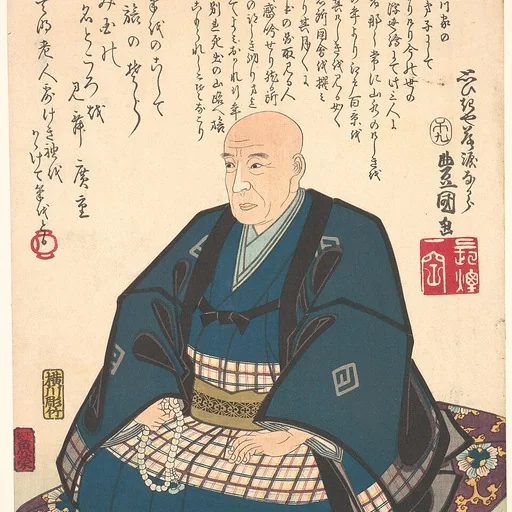
Artist
Utagawa Hiroshige (歌川 広重) or Andō Hiroshige (安藤 広重), born Andō Tokutarō (安藤 徳太郎; 1797 – 12 October 1858), was a Japanese ukiyo-e artist, considered the last great master of that tradition.

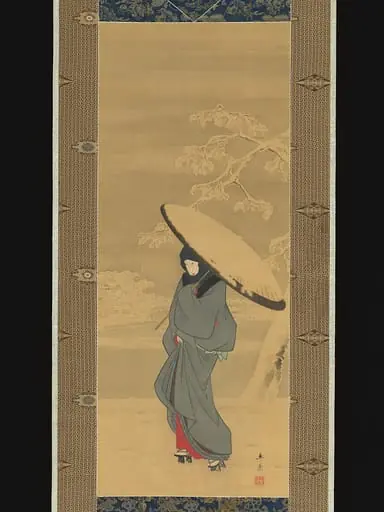
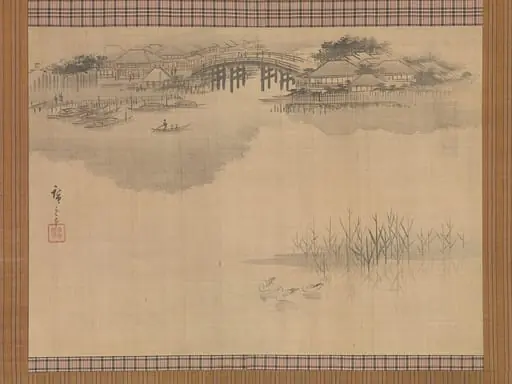
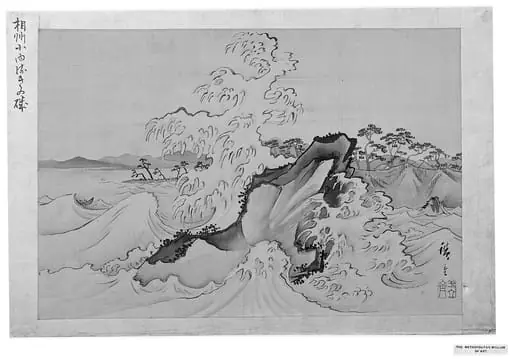
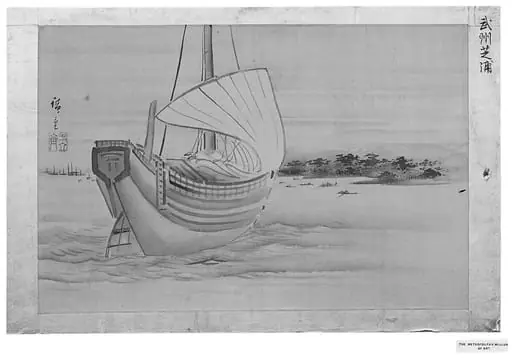
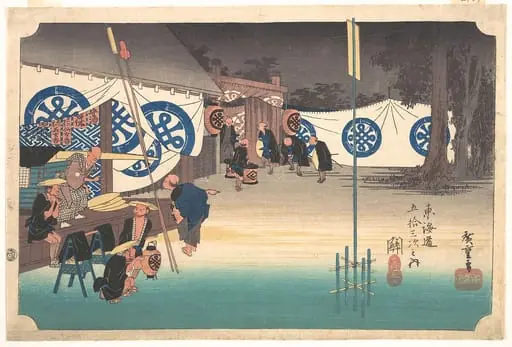 東海道五十三次之内 関 本陣早立|Station Forty-Eight: Seki, Early Departure from the Headquarters Inn, from the Fifty-Three Stations of the Tokaido
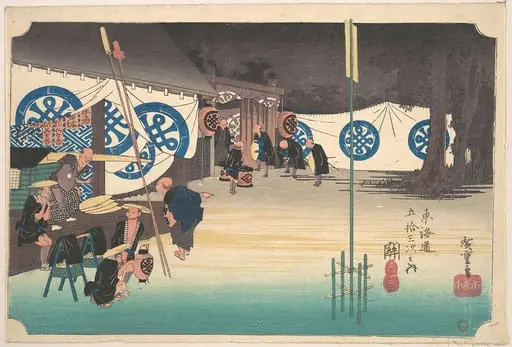 東海道五十三次之内 関 本陣早立|Seki, Honjin Sotatsu
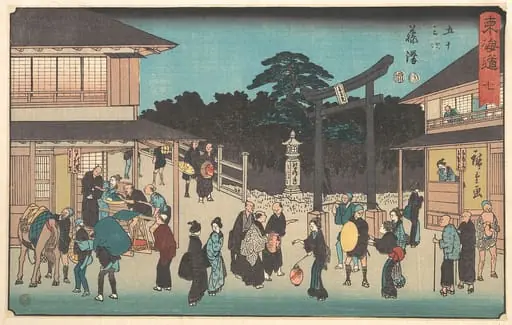 東海道五十三次 藤澤|Fujisawa
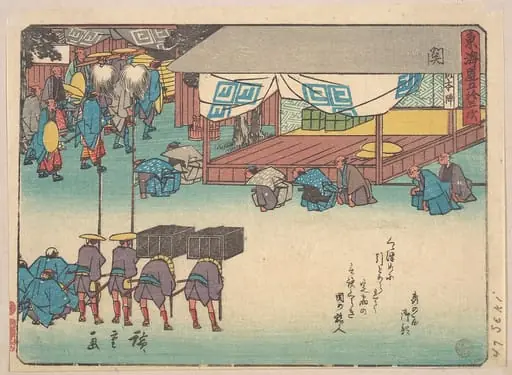 東海道五十三次 関|Seki
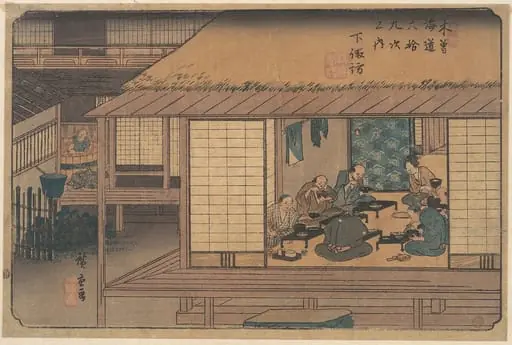 木曽海道六拾九次之内 下諏訪|Shimono Suwa Station
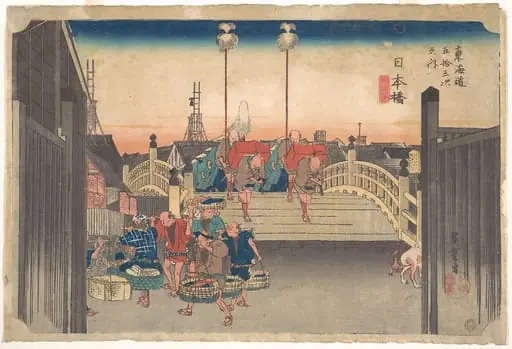 東海道五十三次之内 日本橋 朝之景|Stations One: Morning View of Nihonbashi
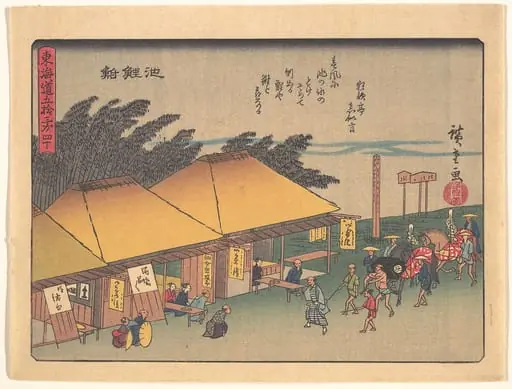 東海道五十三次 池鯉鮒|Chiryūshuku, from the series The Fifty-three Stations of the Tōkaidō Road