Artwork
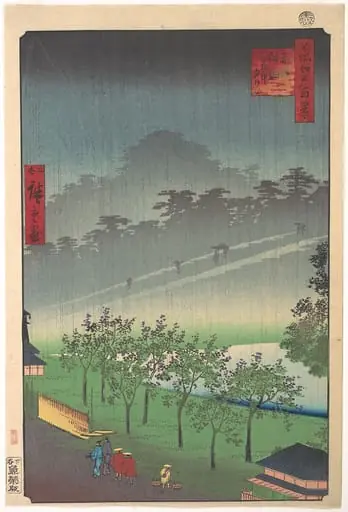
名所江戸百景 昌平橋 聖堂 神田川|Shohei Bridge, Seido Temple and Kanda River
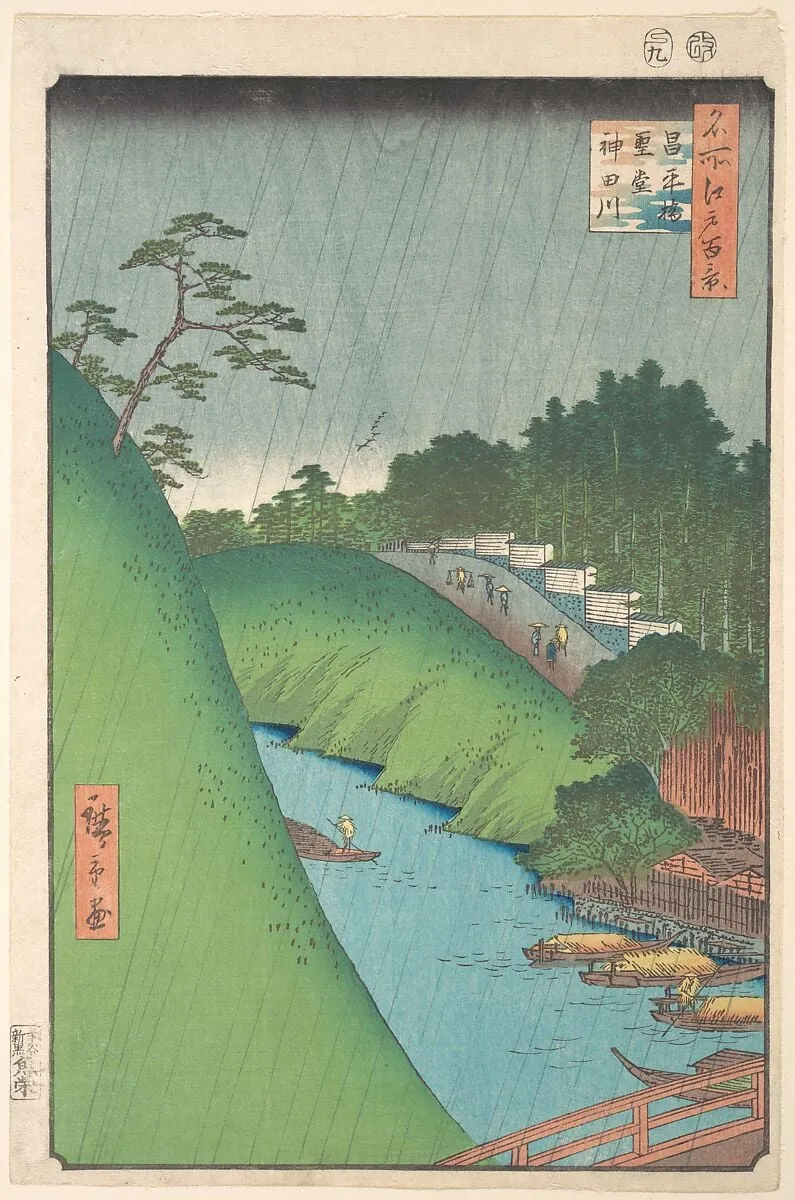
名所江戸百景 昌平橋 聖堂 神田川|Shohei Bridge, Seido Temple and Kanda River is an ink print by the Impressionist artist Utagawa Hiroshige. It dates from 1857 and is held in the collection of the Metropolitan Museum of Art.
About this work
Overview
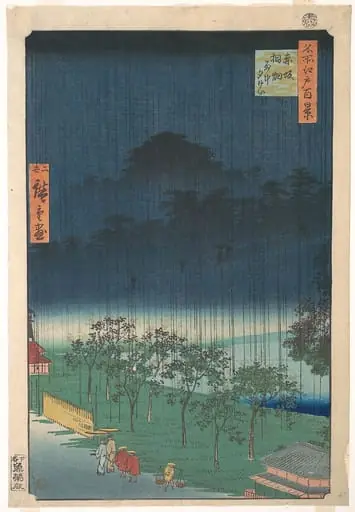
This 1857 woodblock print is part of Utagawa Hiroshige's series One Hundred Famous Views of Edo. It depicts a rainy scene by the Kanda River, featuring Shohei Bridge and the Confucian temple Seido.
Subject & Meaning
The print captures an everyday urban scene, focusing on the interplay between natural and man-made elements. The Kanda River, Shohei Bridge, and Seido Temple are set against a backdrop of rain and lush greenery.
Technique & Style
Hiroshige used short, angled lines to convey the movement of rain, creating a sense of dynamism. The artist's use of line work and color on paper effectively captures the atmosphere of a rainy day.
Context
As part of the ukiyo-e genre, this print diverges from traditional subjects by focusing on landscape and urban scenery, showcasing Hiroshige's innovative approach to the medium.
Artist & collection
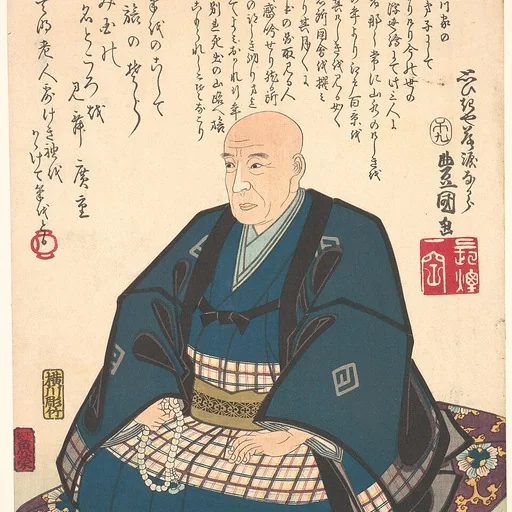
Artist
Utagawa Hiroshige (歌川 広重) or Andō Hiroshige (安藤 広重), born Andō Tokutarō (安藤 徳太郎; 1797 – 12 October 1858), was a Japanese ukiyo-e artist, considered the last great master of that tradition.

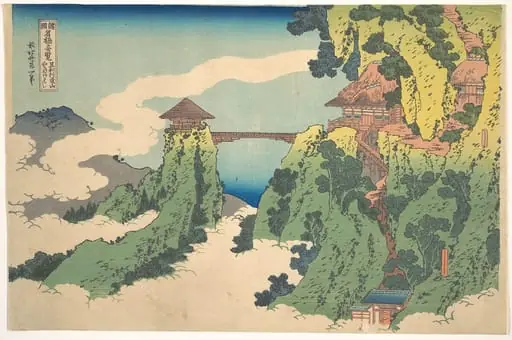 諸國名橋奇覧 足利行道山くものかけはし|The Hanging-cloud Bridge at Mount Gyōdō near Ashikaga (Ashikaga Gyōdōzan kumo no kakehashi), from the series Remarkable Views of Bridges in Various Provinces (Shokoku meikyō kiran)
 Untitled
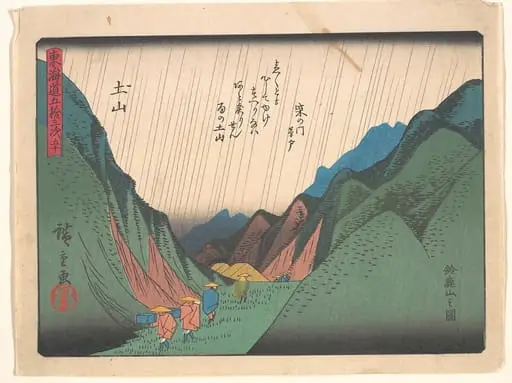 東海道五十三次 土山|Tsuchiyama, from the series The Fifty-three Stations of the Tōkaidō Road
 Untitled
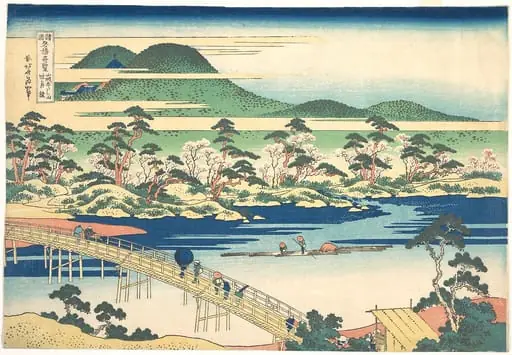 諸國名橋奇覧 山城あらし山吐月橋 |Togetsu Bridge at Arashiyama in Yamashiro, from the series Remarkable Views of Bridges in Various Provinces (Shokoku meikyō kiran)
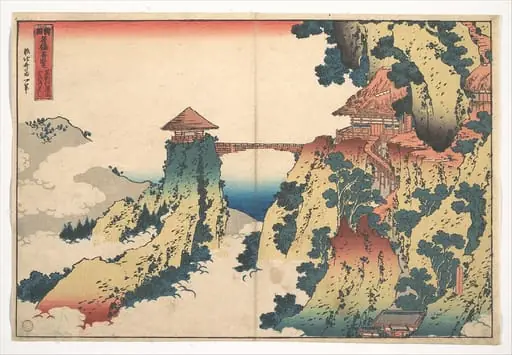 諸國名橋奇覧 足利行道山くものかけはし|The Hanging-cloud Bridge at Mount Gyōdō near Ashikaga (Ashikaga Gyōdōzan kumo no kakehashi), from the series Remarkable Views of Bridges in Various Provinces (Shokoku meikyō kiran)
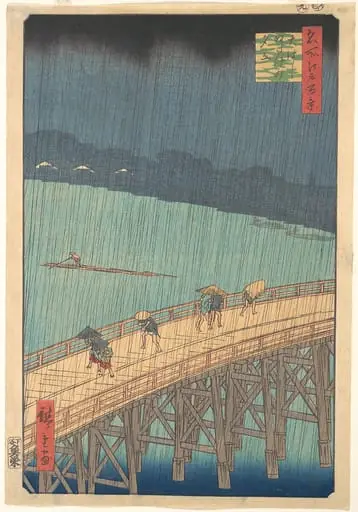 Ōhashi Atake no yūdachi|名所江戶百景 大はしあたけの夕立|Sudden Shower over Shin-Ōhashi Bridge and Atake (Ōhashi Atake no yūdachi), from the series One Hundred Famous Views of Edo (Meisho Edo hyakkei)
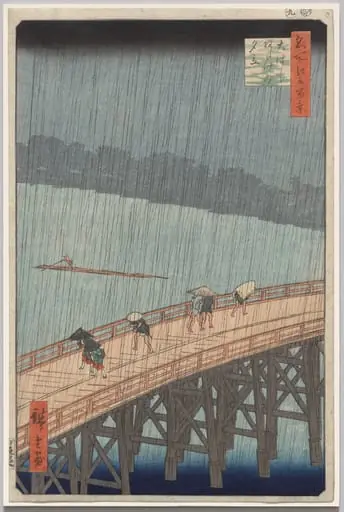 Sudden Shower over Shin-Ōhashi Bridge and Atake, from One Hundred Famous Views of Edo
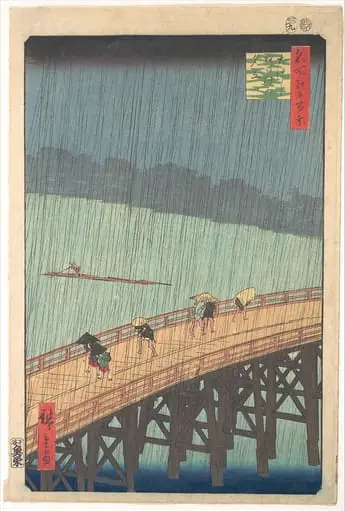 名所江戶百景 大はしあたけの夕立|Sudden Shower over Shin-Ōhashi Bridge and Atake (Ōhashi Atake no yūdachi), from the series One Hundred Famous Views of Edo (Meisho Edo hyakkei)