Artwork
東都名所 両国之宵月|Twilight Moon at Ryōgoku Bridge
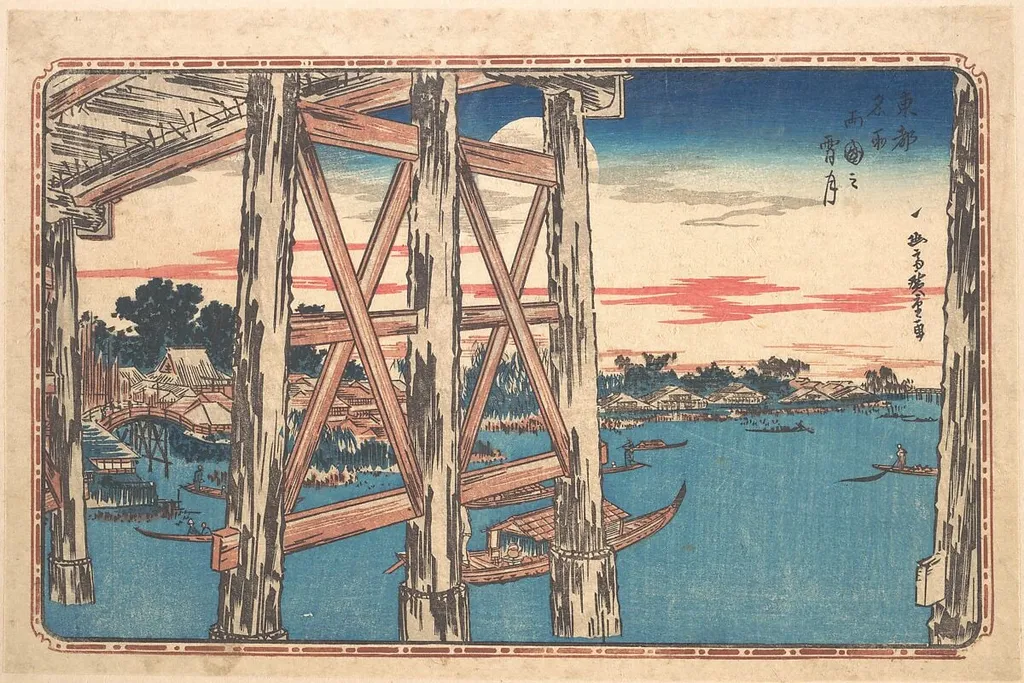
東都名所 両国之宵月|Twilight Moon at Ryōgoku Bridge is an ink print by the Romanticist artist Utagawa Hiroshige. It dates from 1828 and is held in the collection of the Metropolitan Museum of Art.
About this work
Overview
Utagawa Hiroshige’s woodblock print, created in 1828, depicts Ryōgoku Bridge at dusk. Executed with ink and color on paper, the image captures a tranquil evening scene as a pale moon ascends over the horizon, illuminating the river and its surroundings.
Subject & Meaning
The composition centers on the wooden bridge’s diagonal beams spanning a broad river, where small boats drift beneath and shoreline buildings line the banks. The rising moon and the soft pink‑blue sky evoke a calm atmosphere, suggesting a moment of quiet reflection amid the bustling Edo landscape.
Technique & Style
Hiroshige employs traditional ukiyo‑e woodblock methods, using layered inks to achieve deep blues for the water and warm pinks for the sky. The intersecting bridge supports create a rhythmic pattern that guides the viewer’s eye, while subtle cross‑hatching adds texture to the water’s surface.
History & Provenance
The print forms part of Hiroshige’s series of famous Edo sites, a project that documented notable locales across the city. Produced during the Edo period, the work reflects the artist’s shift toward landscape subjects, moving beyond the genre’s usual focus on urban entertainment.
Context
Ryōgoku Bridge was a well‑known crossing on the Sumida River, linking key districts of Edo. By portraying it at twilight, Hiroshige situates the bridge within the broader cultural and geographic fabric of the capital, highlighting both its functional role and its aesthetic appeal.
Artist & collection
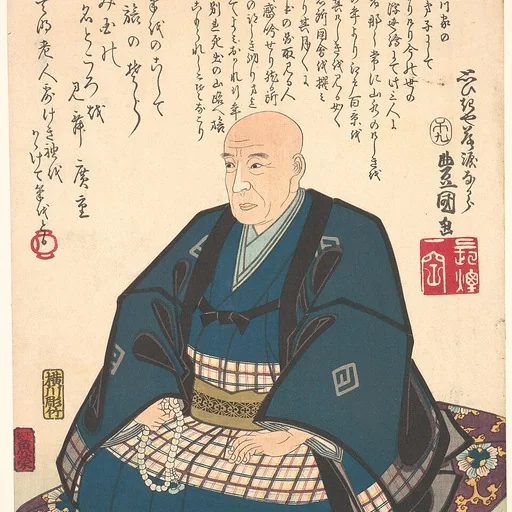
Artist
Utagawa Hiroshige (歌川 広重) or Andō Hiroshige (安藤 広重), born Andō Tokutarō (安藤 徳太郎; 1797 – 12 October 1858), was a Japanese ukiyo-e artist, considered the last great master of that tradition.

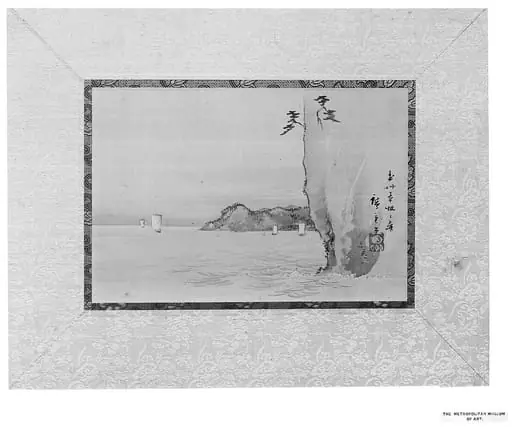
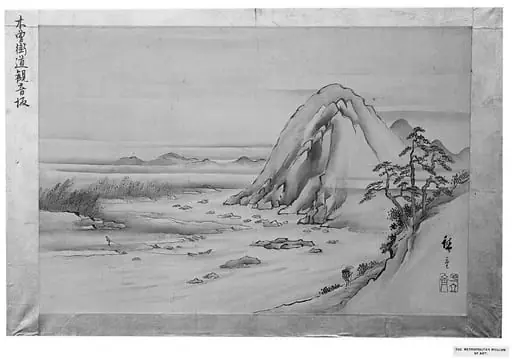
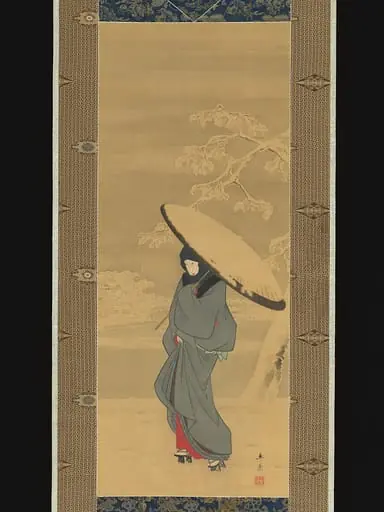
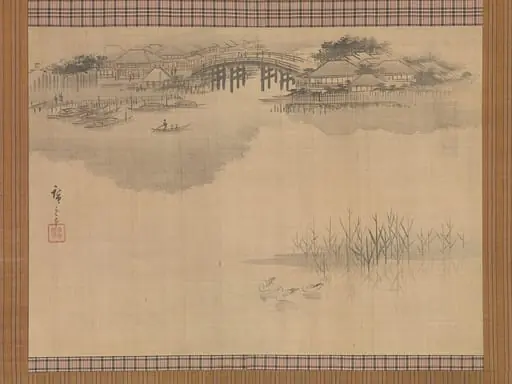
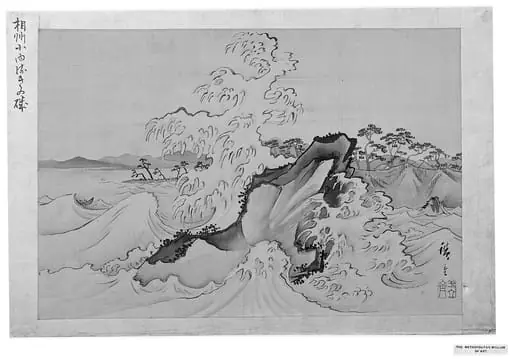
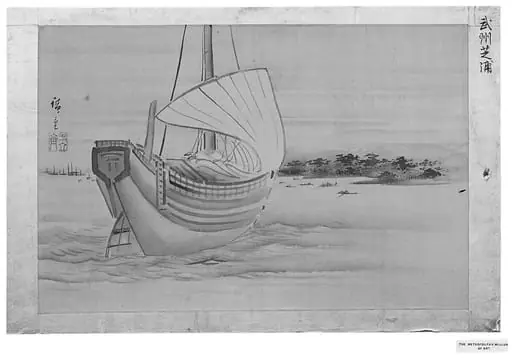
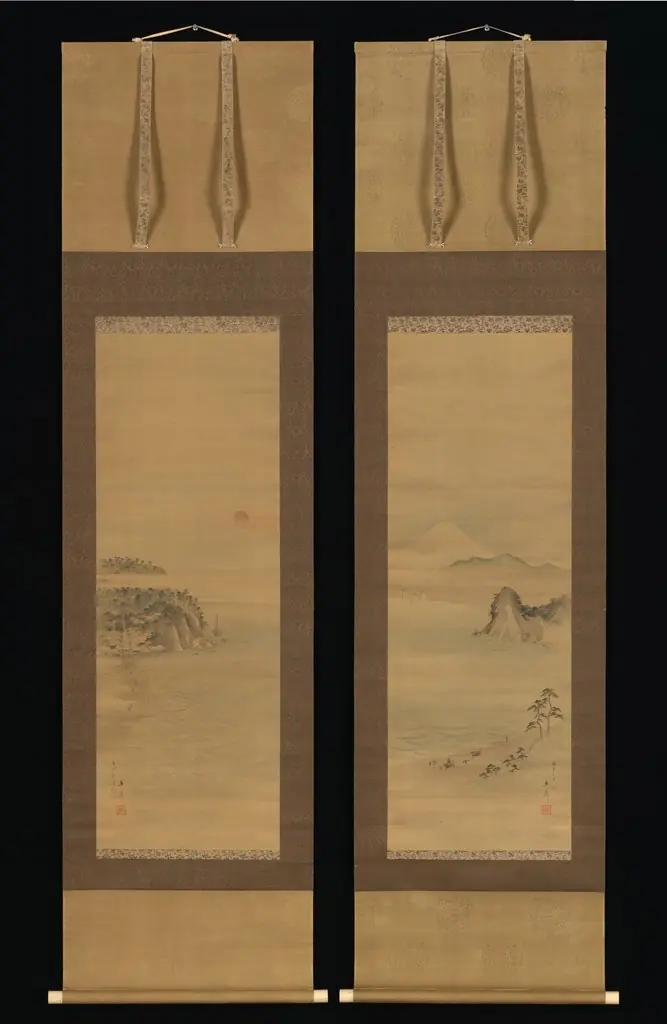
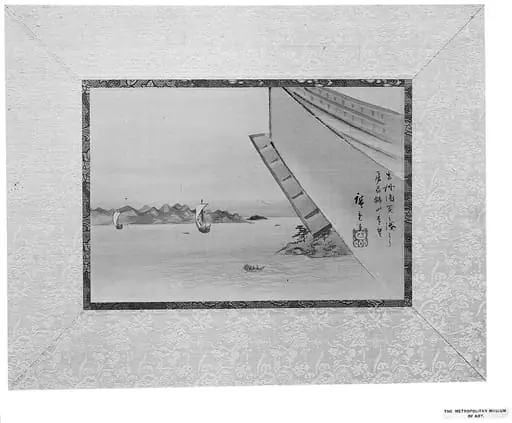
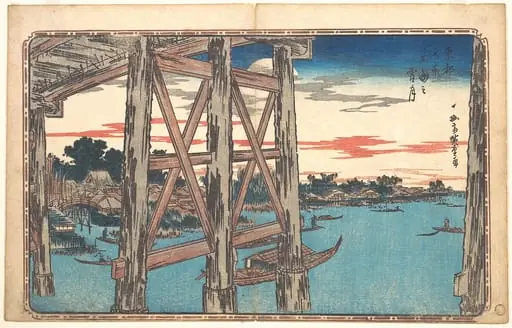 Ryogoku no yoizuki|東都名所 両国之宵月|Twilight Moon at Ryōgoku Bridge
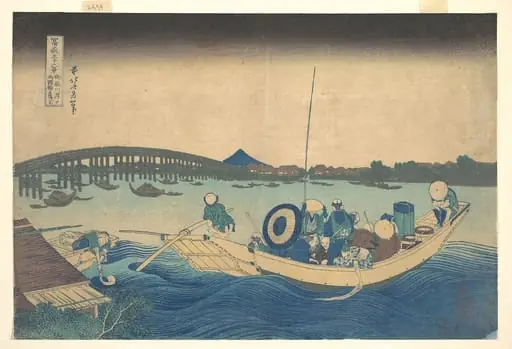 冨嶽三十六景 御厩川岸より両国橋夕陽見|Viewing the Sunset over Ryōgoku Bridge from the Onmayagashi Embankment (Onmayagashi yori Ryōgokubashi sekiyō o miru), from the series Thirty-six Views of Mount Fuji (Fugaku sanjūrokkei)
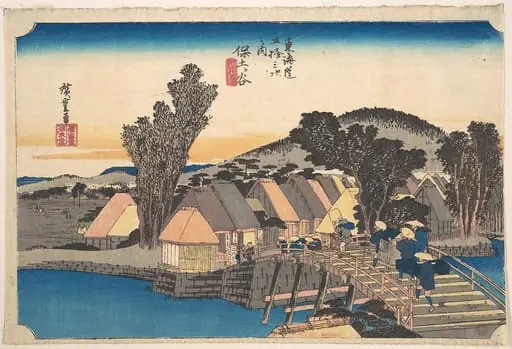 東海道五十三次之内 保土ヶ谷 新町橋|Hodogaya Station and Shinkame Bridge
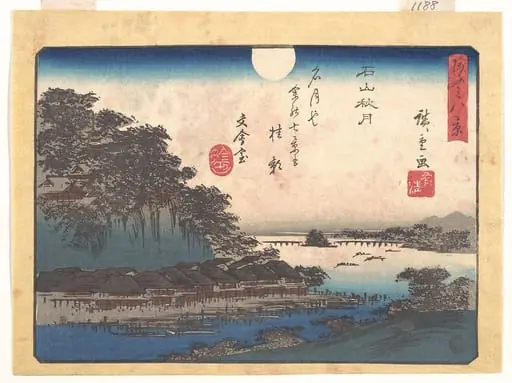 歌川広重画 「あふみ八景 石山秋月」|Autumn Moon at Ishiyama, from the series Eight Views of Ōmi (Ōmi hakkei)
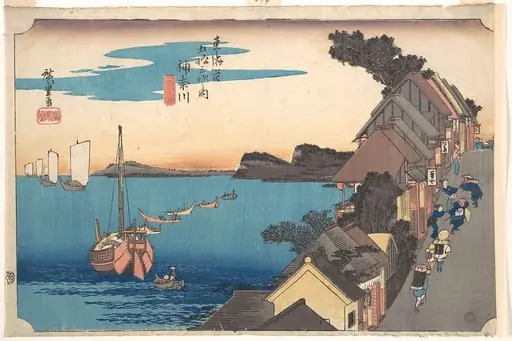 東海道五十三次之内 神奈川 宿台之景|View of the Kanagawa station at sunset