Artwork
Ryogoku no yoizuki|東都名所 両国之宵月|Twilight Moon at Ryōgoku Bridge
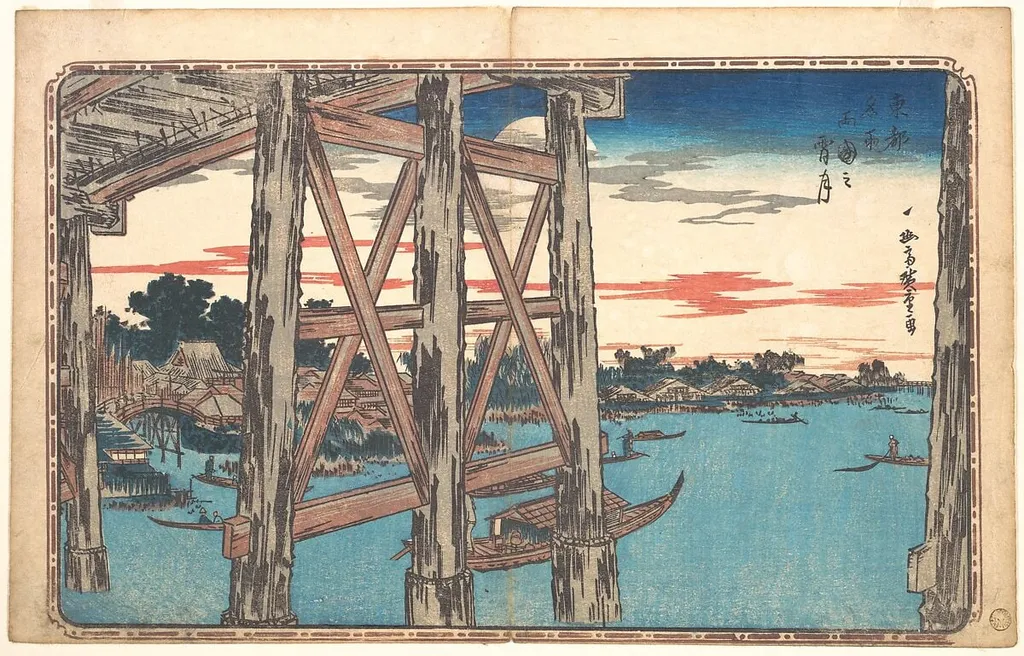
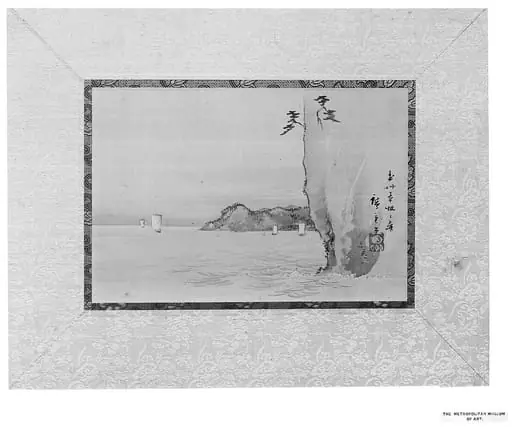
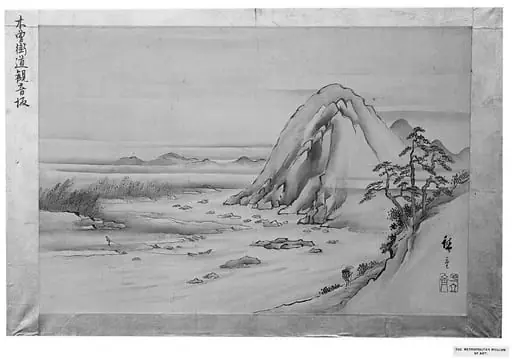
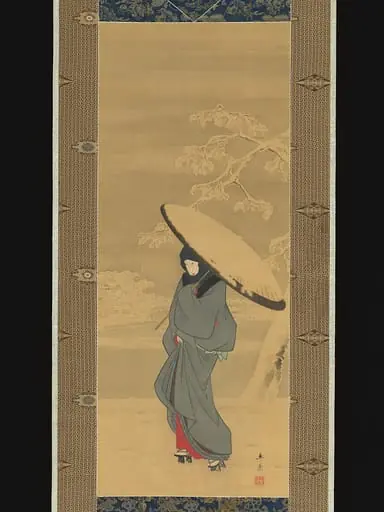
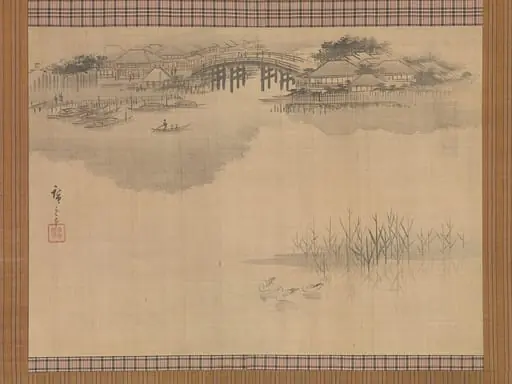
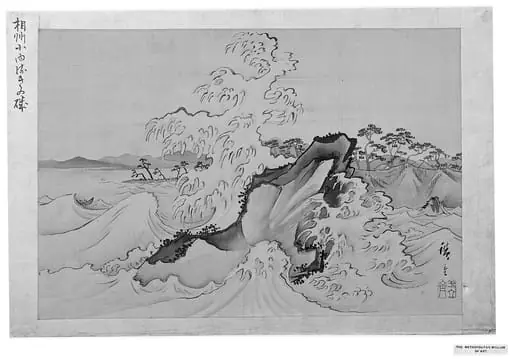
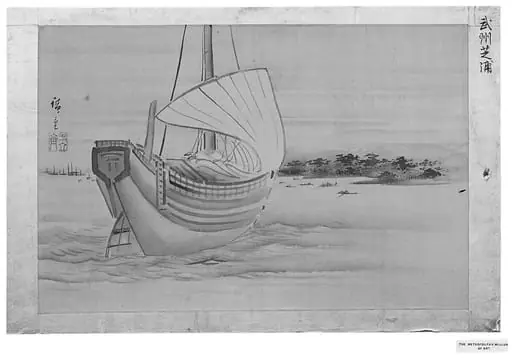
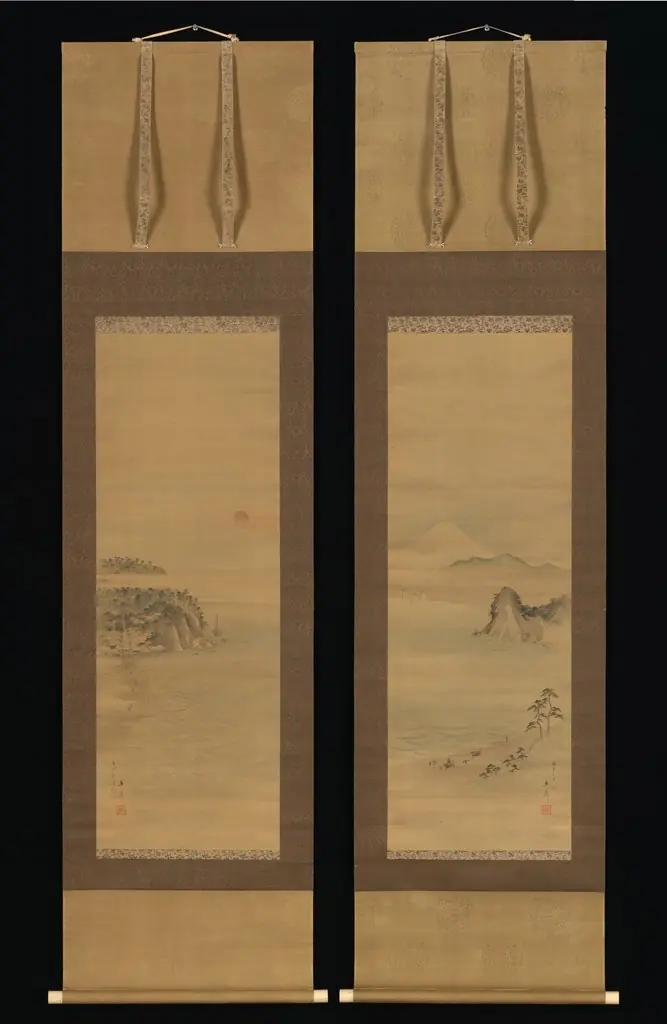
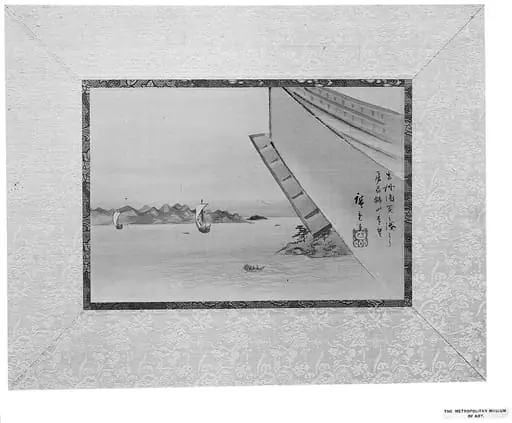
Ryogoku no yoizuki|東都名所 両国之宵月|Twilight Moon at Ryōgoku Bridge is an ink print by the Romanticist artist Utagawa Hiroshige. It dates from 1828 and is held in the collection of the Metropolitan Museum of Art.
About this work
Overview
Created in 1828, this woodblock print by Utagawa Hiroshige belongs to a series depicting famous sites in Edo.
Created in 1828, this woodblock print by Utagawa Hiroshige belongs to a series depicting famous sites in Edo. Rendered in ink and color on paper, it captures a tranquil moment at Ryōgoku Bridge during twilight. Unlike many ukiyo-e works centered on theater or pleasure quarters, this piece focuses on the quiet atmosphere of a cityscape at day’s end, signaling a shift toward landscape as a subject worthy of contemplation.
Subject & Meaning
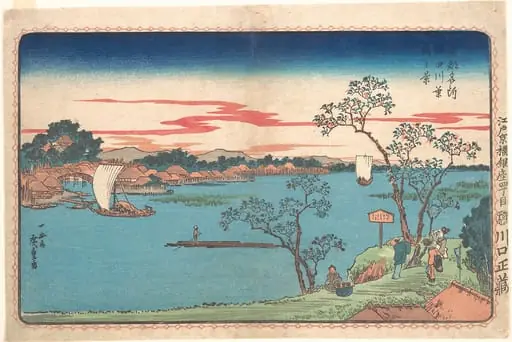
The scene portrays Ryōgoku Bridge spanning the Sumida River at dusk, with boats gently drifting below and low buildings lining the banks. The sky is divided between a cool, dark blue where the moon rises and a warm, fading glow of pink and orange on the horizon. This contrast suggests the transition between day and night, evoking a sense of stillness and impermanence—common themes in Edo-period aesthetics that valued fleeting, quiet moments.
Technique & Style
Hiroshige employs bold, clean outlines to define the bridge’s wooden structure, lending it a graphic clarity. The water reflects the moon with minimal strokes, suggesting rather than detailing the glow. Soft gradients in the sky, achieved through careful ink washes, contrast with the sharp cross-hatching used to render shadows on the buildings and riverbank. The composition relies on simplified forms and asymmetry to create depth without perspective tricks common in Western art.
History & Provenance
This print was produced during Hiroshige’s early career, before his famous series like 'Fifty-Three Stations of the Tōkaidō.' It was part of a lesser-known set titled 'One Hundred Famous Views of Edo,' though this particular image predates that series. The print was likely distributed as a single-sheet design, popular among Edo’s literate middle class who collected such images as souvenirs or decorative art.
Context
Ryōgoku Bridge was a well-known crossing in Edo, linking bustling districts and serving as a gathering spot for festivals and evening strolls. By the 1820s, urban life in Edo had grown more refined, and citizens increasingly sought aesthetic experiences in everyday surroundings. Hiroshige’s focus on twilight reflects this cultural turn toward introspection and the appreciation of natural rhythms within the city’s architecture.
Legacy
Though not among Hiroshige’s most widely reproduced works, this print exemplifies his early mastery of mood and spatial economy. Its emphasis on atmosphere over narrative influenced later Japanese landscape artists and, through exports to Europe, contributed to the Japonisme movement. The quiet dignity of its composition helped redefine ukiyo-e’s potential beyond entertainment imagery.
Artist & collection
Artist
Utagawa Hiroshige (歌川 広重) or Andō Hiroshige (安藤 広重), born Andō Tokutarō (安藤 徳太郎; 1797 – 12 October 1858), was a Japanese ukiyo-e artist, considered the last great master of that tradition.