Artwork
Château Interior
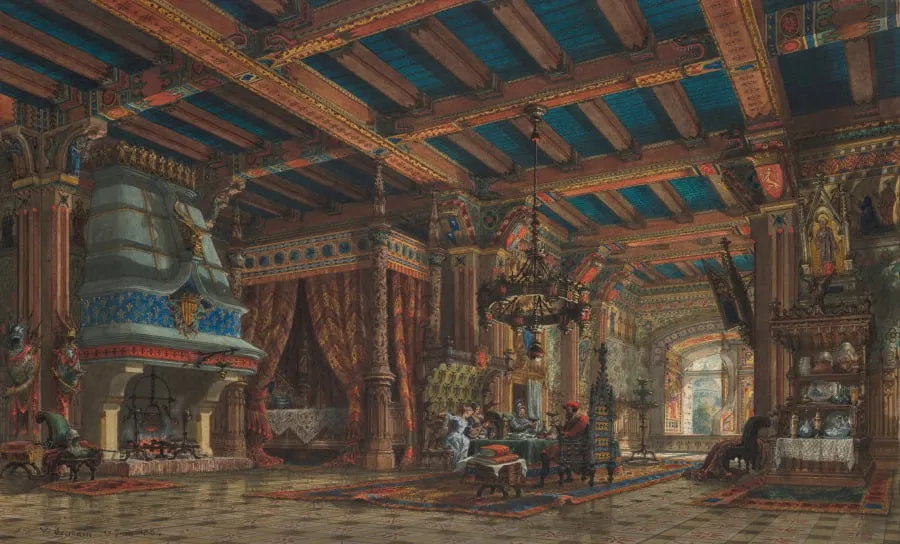
Château Interior is a drawing by the Romanticist artist V. Germain. It dates from 1834 and is held in the collection of the Cleveland Museum of Art. This drawing, attributed to V.
About this work
Overview
Despite the clarity of execution, little is documented about the artist’s life or training, making this work an enigmatic example of 17th-century draftsmanship.
This drawing, attributed to V. Germain, depicts an interior of a grand castle with precise architectural detail. The artist rendered every stone, arch, and shadow with meticulous line work, creating a sense of spatial depth and quiet grandeur. Despite the clarity of execution, little is documented about the artist’s life or training, making this work an enigmatic example of 17th-century draftsmanship.
Subject & Meaning
The scene centers on a small cluster of figures within an expansive chamber, their modest scale emphasizing the overwhelming size of the architecture. The figures appear engaged in quiet, unremarkable activity, suggesting a moment of everyday life rather than ceremonial grandeur. The focus on emptiness and scale may reflect an interest in the quiet dignity of institutional spaces over narrative drama.
Technique & Style
Germain employed fine, controlled linework to define every surface, from the rough-hewn stone walls to the delicate tracery of arched windows. Shadows are carefully modeled to suggest volume and light direction, demonstrating an understanding of chiaroscuro without overt dramatic contrast. The precision suggests a topographical or documentary intent, akin to architectural studies rather than expressive illustration.
History & Provenance
The drawing’s origin and early ownership remain undocumented. No contemporary records link Germain to known artistic circles or patrons, and no other works by his hand are securely identified. Its survival as a standalone piece underscores its rarity, offering a glimpse into a largely unrecorded tradition of detailed interior studies from the period.
Context
In the 17th century, architectural drawings often served practical or scholarly purposes—used in construction, land surveys, or as studies for larger compositions. Germain’s work aligns with this tradition, though its artistic refinement suggests a personal or aesthetic motivation. Such detailed interiors were uncommon outside of professional draftsman’s practice, making this piece an unusual artifact of private observation.
Legacy
Though Germain’s name has faded, this drawing stands as a quiet testament to the skill of anonymous draftsmen who documented architectural spaces with precision. It contributes to a broader understanding of how interiors were perceived and recorded before the rise of photography, preserving a sense of scale and atmosphere that few contemporaries captured with such restraint.
Artist & collection

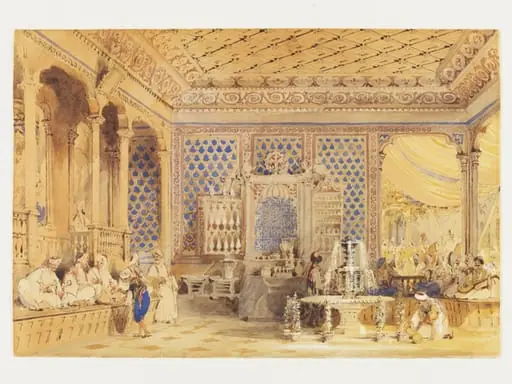 Interior of a Turkish Caffinet, Constantinople
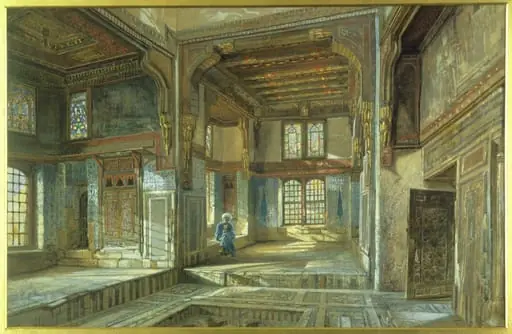 Interior of the House of the Mufti Sheikh El Mahadi, Cairo
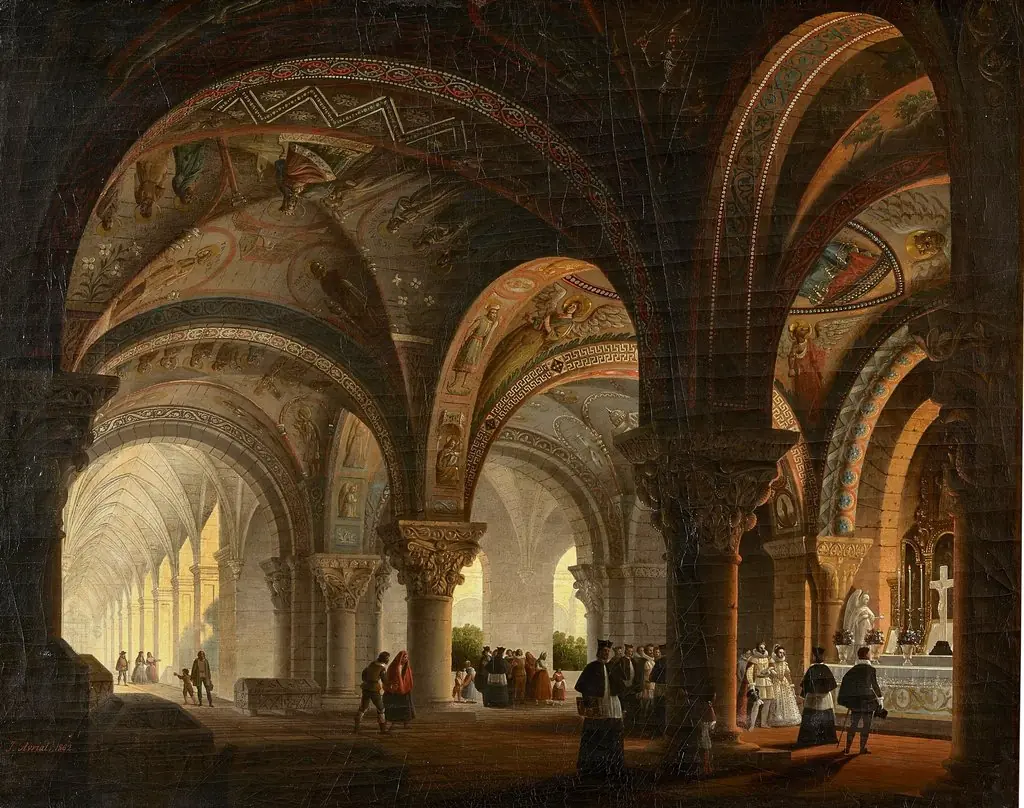 Panteón de los reyes de León
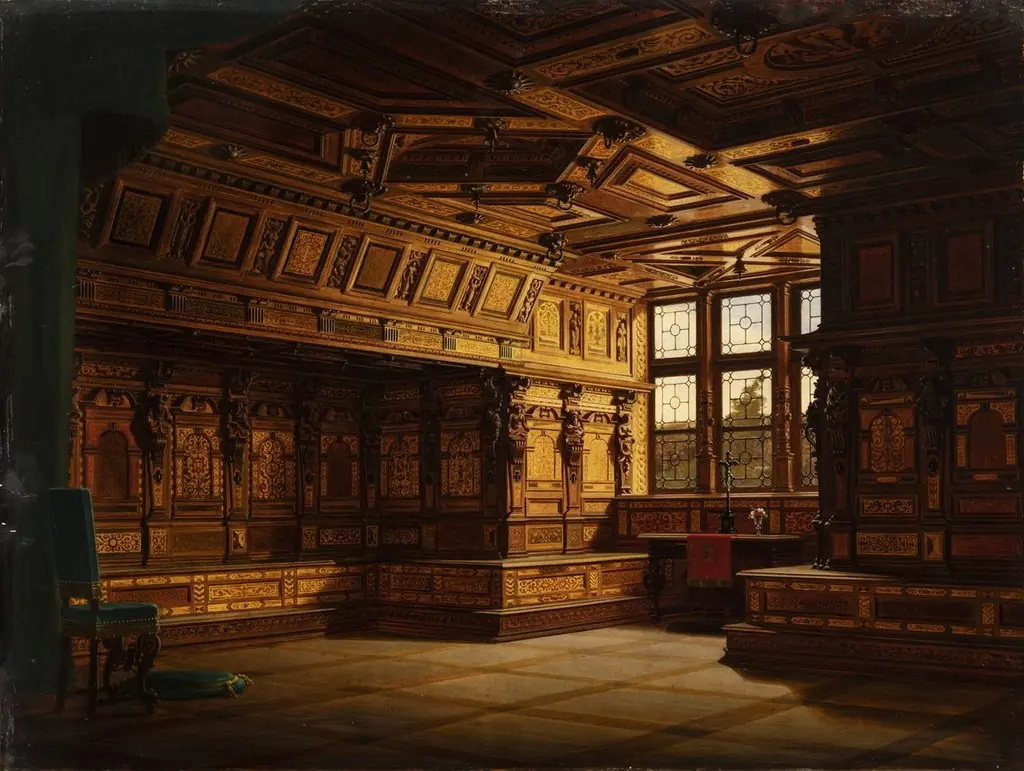 Prayer Room in Castle Gottorp of Schleswig-Holstein
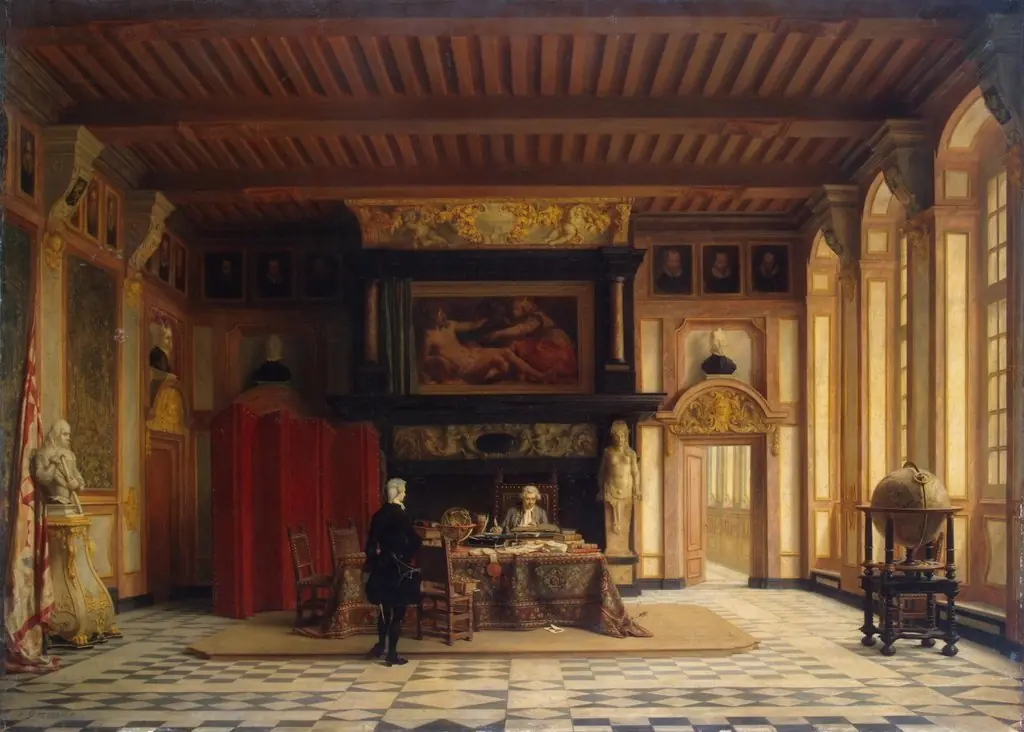 Hall of Estates at the City Council in Antwerp
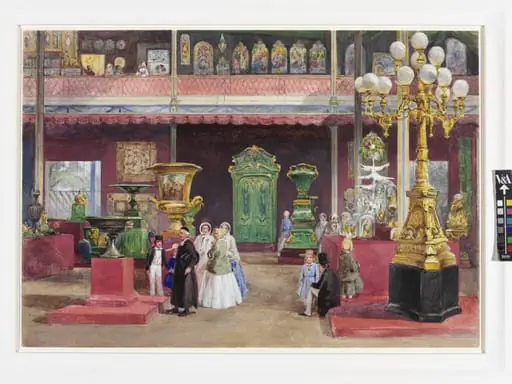 Part of the Russian Court
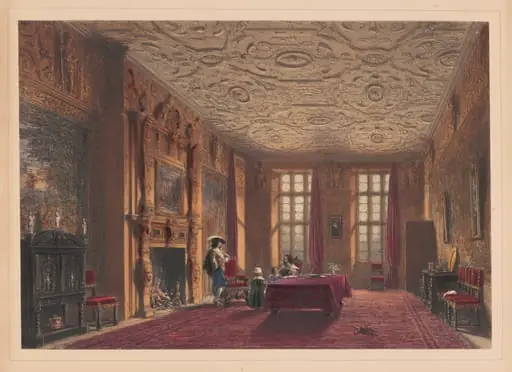 The Drawing Room, Aston Hall, Warwickshire
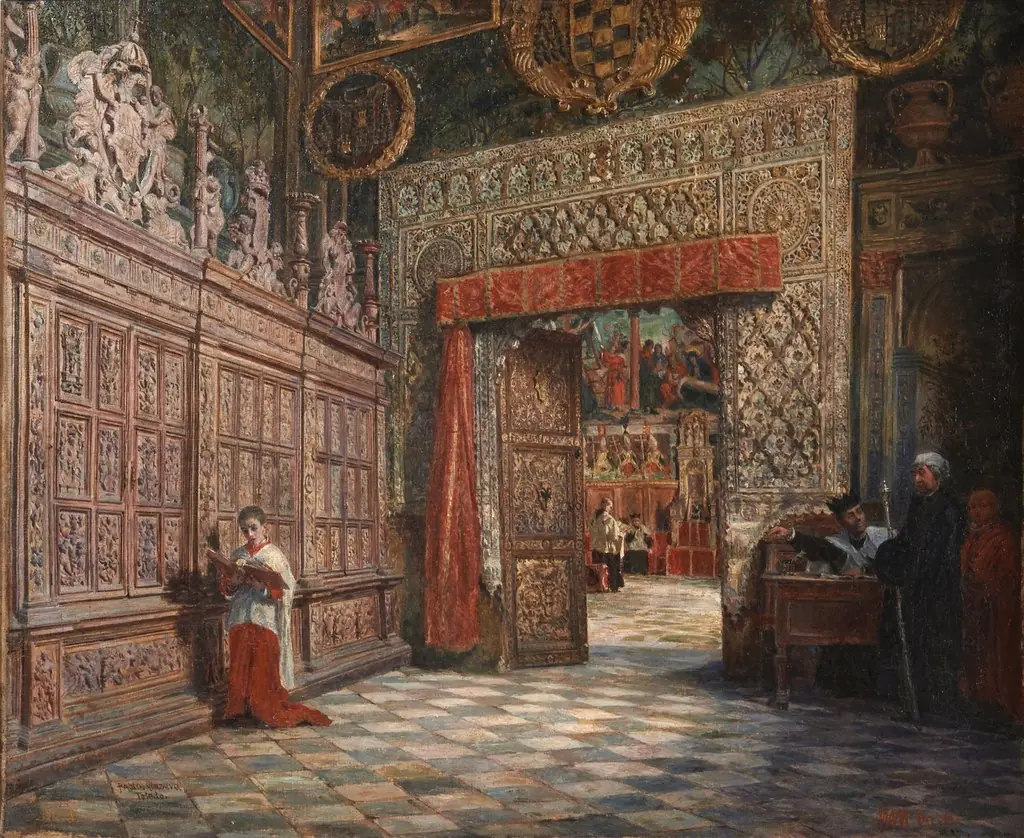 Antesala y sala capitular de la catedral de Toledo
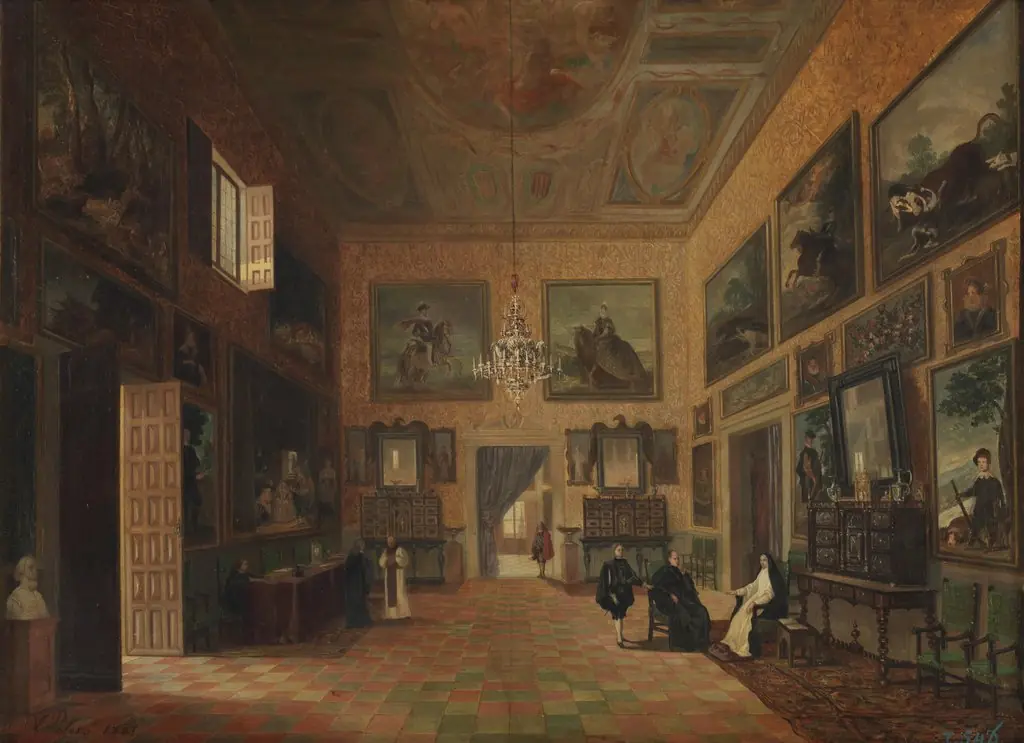 The chamber of Philip IV in the Buen Retiro Royal Palace
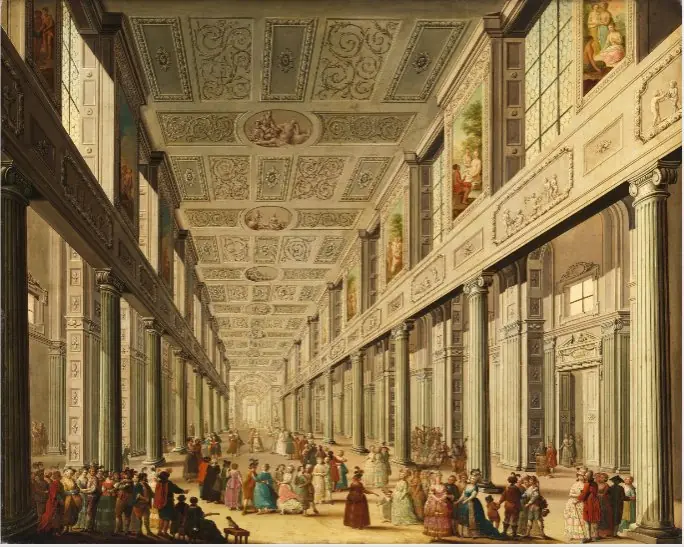 An Interior with a Fancy Dress Ball in Progress
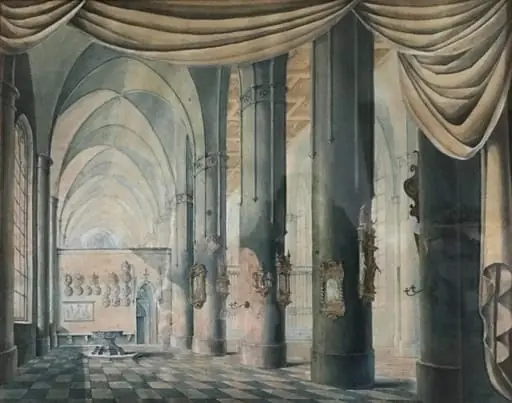 Det indre af en kirke i gotisk bygningsstil. Sollyset falder ind fra venstre side.
 Untitled