Artwork
Untitled
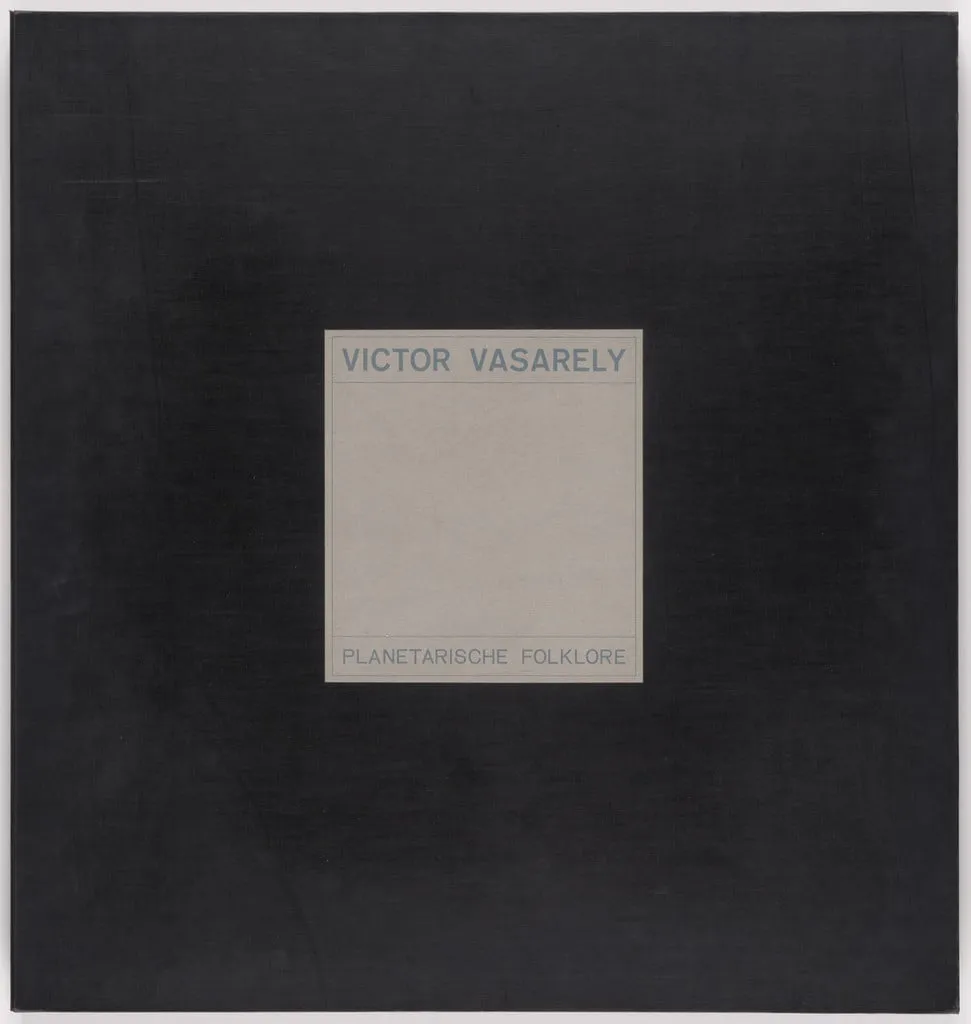
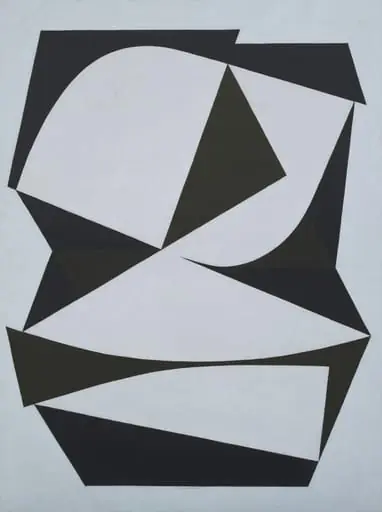
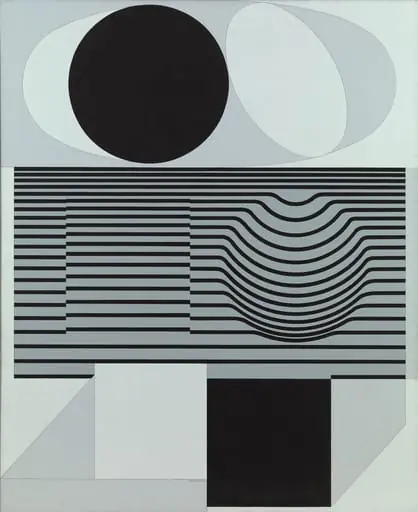
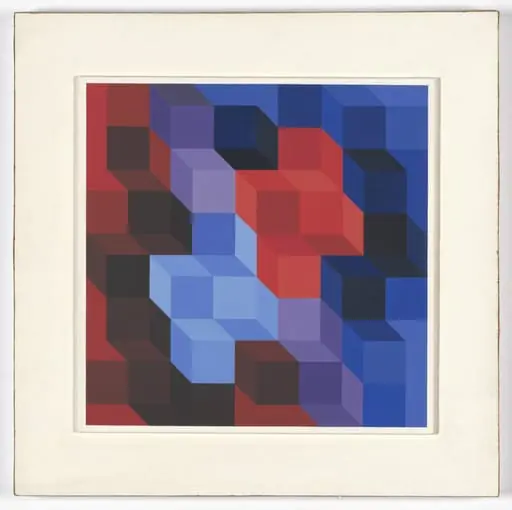
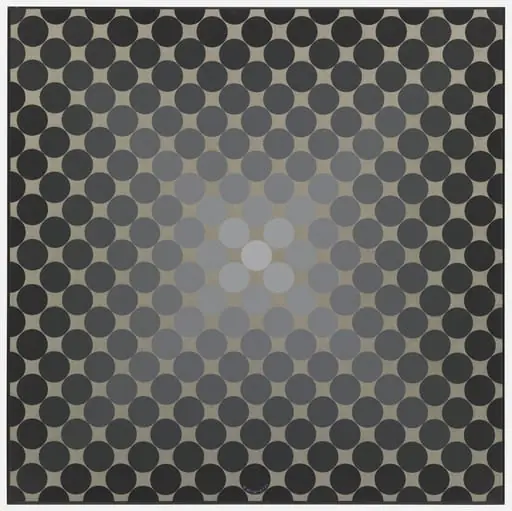
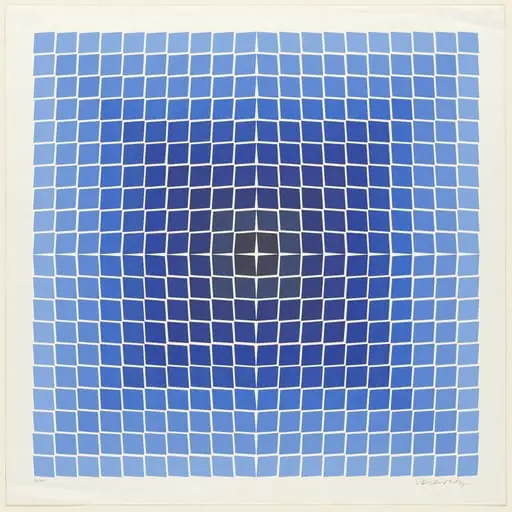
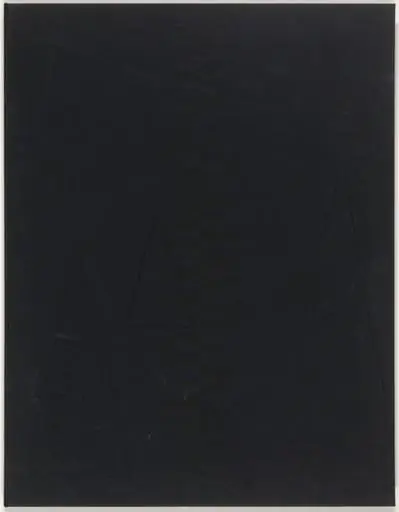
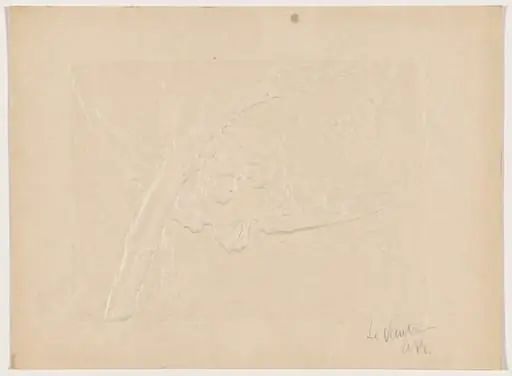
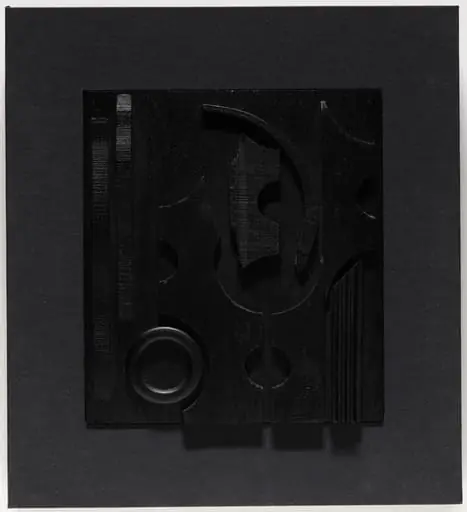
Untitled is an ink print by Victor Vasarely. It dates from 1964 and is held in the collection of the Museum of Modern Art.
About this work
Overview
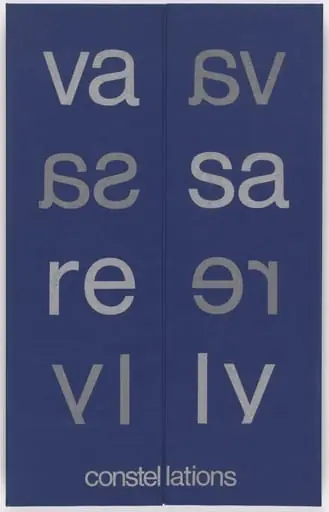
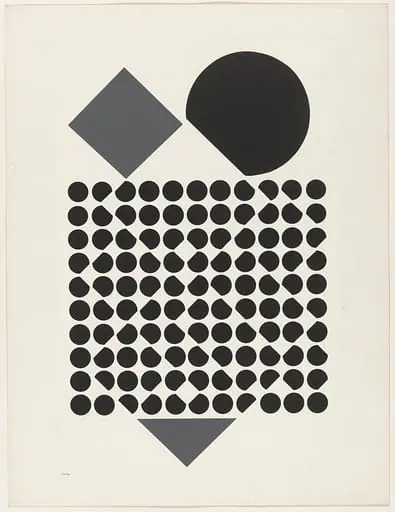
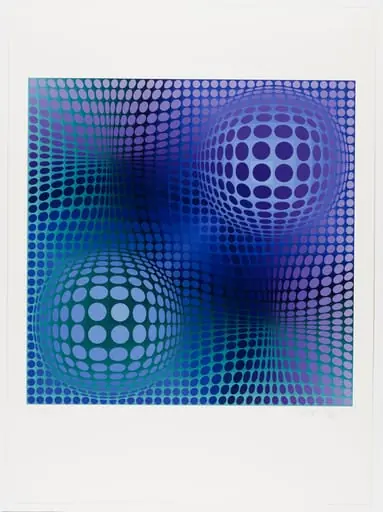
This 1964 portfolio consists of six screenprints by Victor Vasarely, a Hungarian-born artist who became a central figure in the Op art movement.
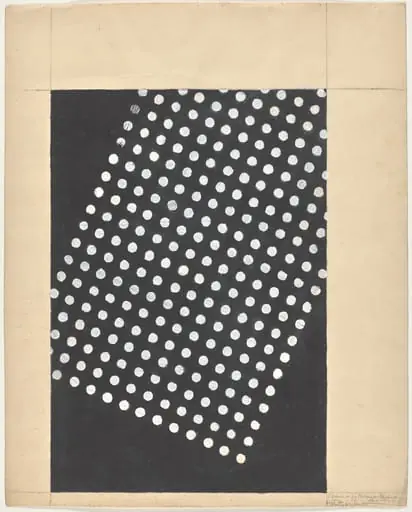
This 1964 portfolio consists of six screenprints by Victor Vasarely, a Hungarian-born artist who became a central figure in the Op art movement. The works are part of his broader exploration of visual perception through precise geometric forms and controlled color relationships. Though titled 'Untitled,' the portfolio carries no overt narrative, instead emphasizing structural clarity and optical interaction. Each print is a study in minimalism, reducing visual elements to their essential components.
Subject & Meaning
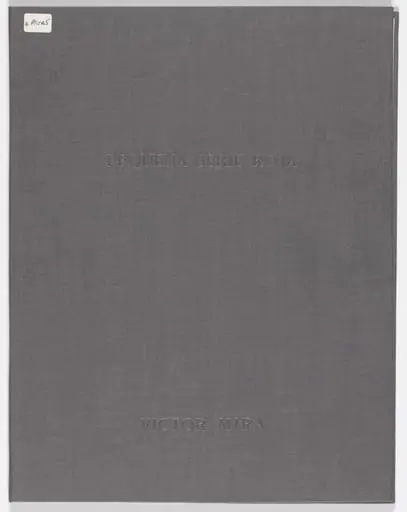
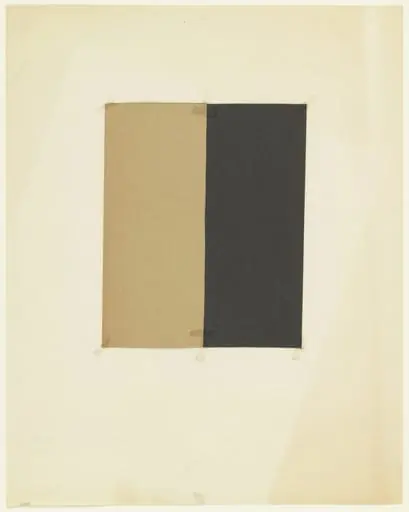
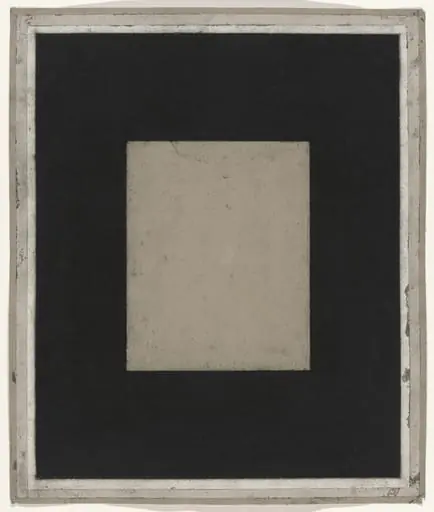
The portfolio avoids figurative content, focusing instead on the psychological effects of shape and contrast. One print features a large black field with a centered white rectangle, within which a smaller light gray area is outlined by a thin blue border. Text at the top and bottom—'VICTOR VASARELY' and 'PLANETARISCHE FOLKLORE'—functions as both signature and conceptual anchor, suggesting a tension between individual authorship and collective cultural systems.
Technique & Style
Vasarely employed screenprinting to achieve sharp, uniform edges and flat planes of color, aligning with his industrial aesthetic. The precision of the lines and the deliberate absence of brushwork reflect his rejection of expressive gesture. Color is used not for emotion but for spatial definition: blue demarcates boundaries, white and gray establish depth through contrast, and black provides a neutral ground that amplifies visual tension.
History & Provenance
Created in 1964, this portfolio emerged during a period when Vasarely was gaining international recognition for his systematic approach to art. It was produced alongside other editions that sought to make geometric abstraction accessible beyond the gallery context. The inclusion of German text hints at his engagement with European intellectual circles, though the portfolio’s exact exhibition history remains understudied.
Context
In the mid-1960s, Op art was gaining momentum as a response to the emotional intensity of Abstract Expressionism. Vasarely’s work aligned with broader interests in perception, science, and systems theory. His use of reproducible techniques reflected a belief in art’s potential to function as a public, almost scientific language—free from individual subjectivity and rooted in universal visual principles.
Legacy
This portfolio exemplifies Vasarely’s influence on later movements that prioritized structure over expression, including Minimalism and conceptual art. While not widely exhibited as a complete set, its components are held in major collections and continue to inform discussions on the relationship between art, perception, and reproduction. Its quiet rigor remains a reference point for artists exploring the limits of visual form.
Artist & collection
Artist
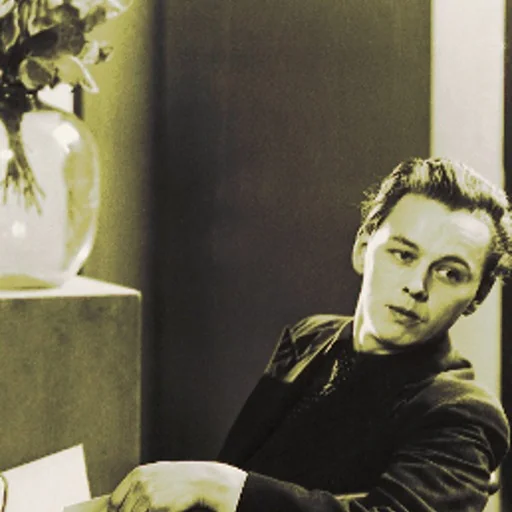
Victor Vasarely (French: ; born Vásárhelyi Győző, Hungarian: ; 9 April 1906 – 15 March 1997) was a Hungarian-French artist, who is widely accepted as a "grandfather" and leader of the Op art movement.