Artwork
Aldeana del valle de Amblés (Tipos y costumbres de la provincia de Ávila)
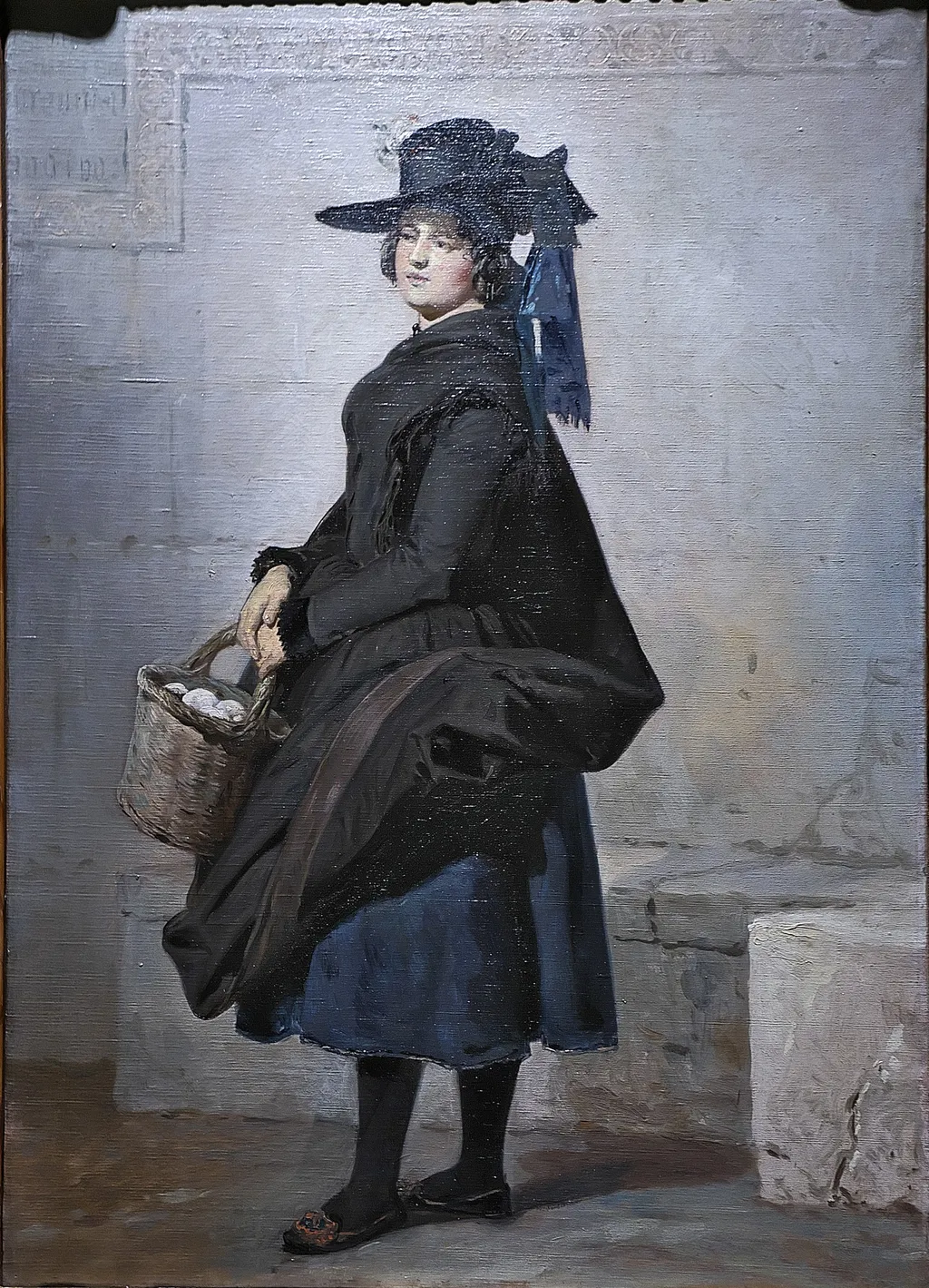
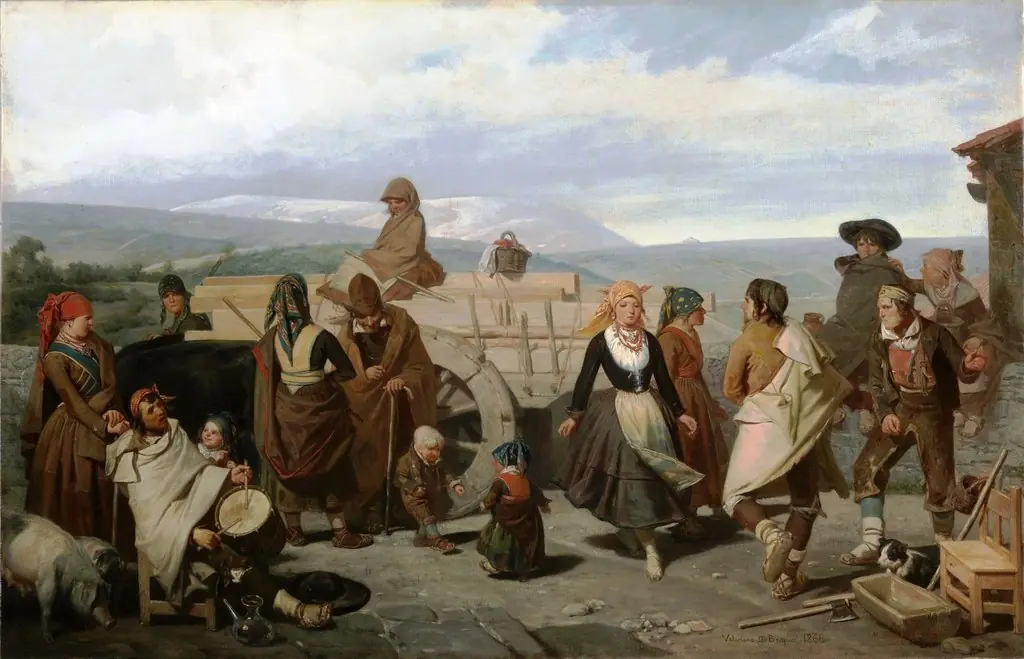
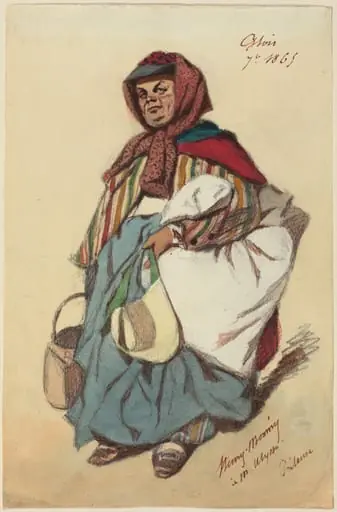
Aldeana del valle de Amblés (Tipos y costumbres de la provincia de Ávila) is an oil painting by the Realist artist Valeriano Bécquer. It dates from 1867 and is held in the collection of the Museo del Prado.
About this work
The painting's style and the woman's clothing also suggest that it may be from the 19th century.
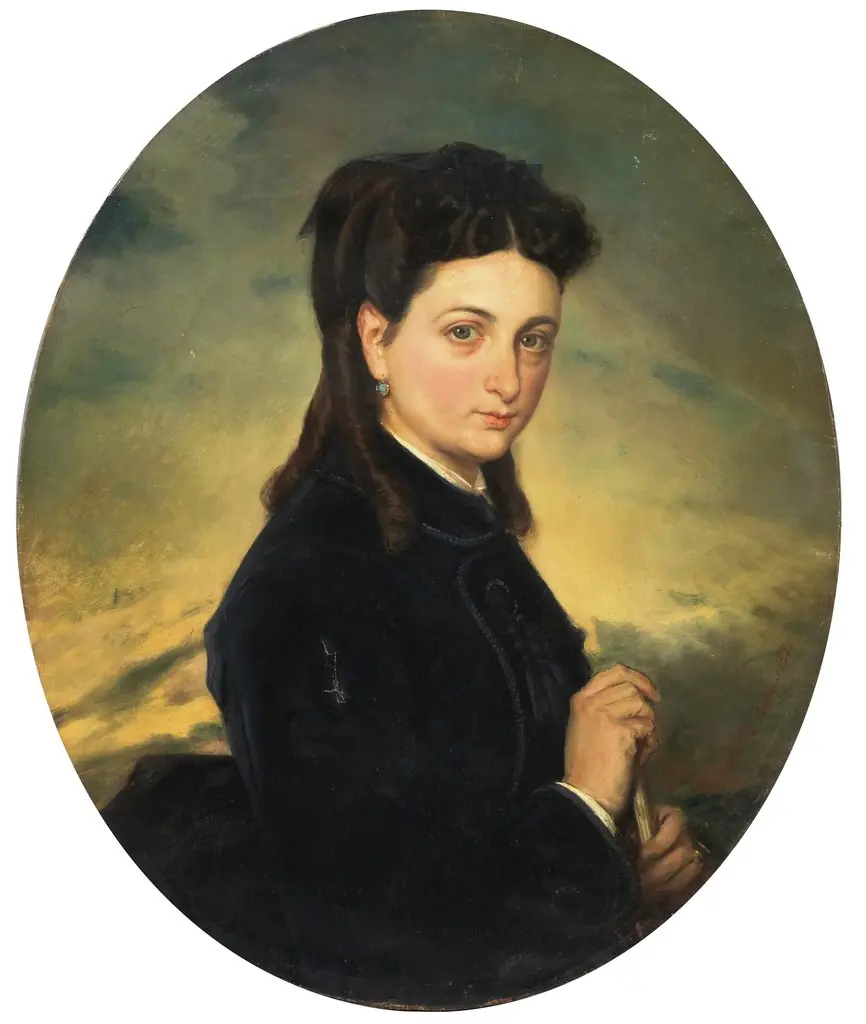
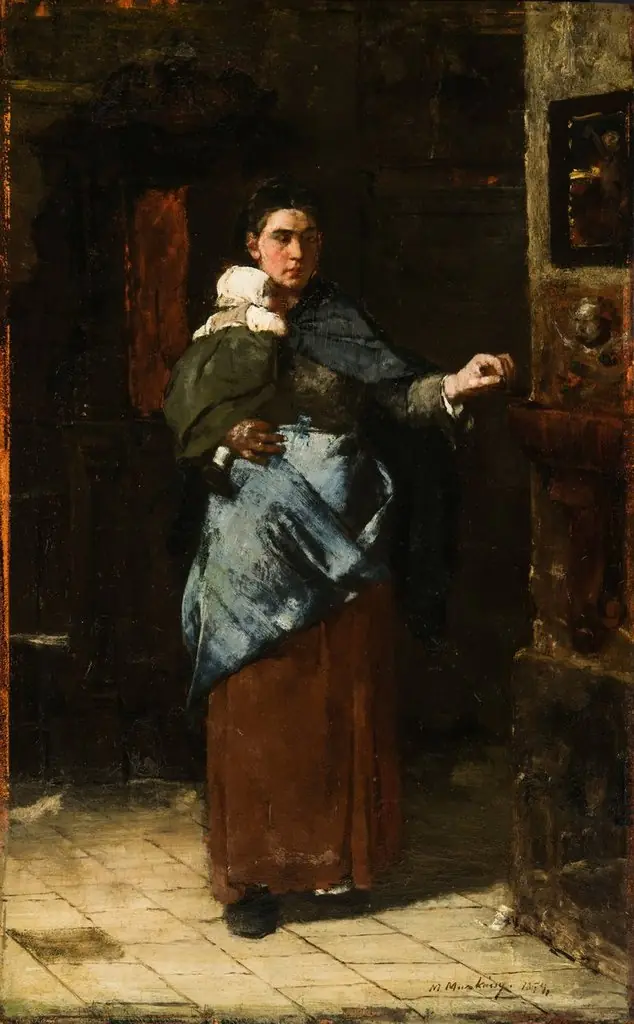
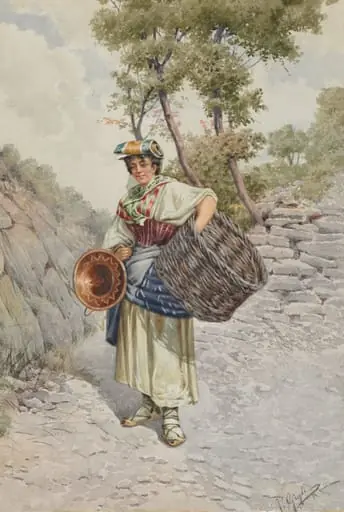
This painting shows a woman in a long, dark dress with a matching hat and shawl. She is standing in front of a stone wall, holding a basket in her right hand.
The woman's attire and the basket suggest that she may be a street vendor or a servant. The painting's style and the woman's clothing also suggest that it may be from the 19th century.
The painting's use of chiaroscuro, a technique that uses strong contrasts between light and dark to create a sense of volume and depth, adds to its dramatic effect. The artist, Valeriano Bécquer, was a Spanish painter known for his portraits and genre scenes.
Overview
Created in 1867 by Spanish painter Valeriano Bécquer, this oil work belongs to the realist tradition of mid‑nineteenth‑century Spain. It forms part of the Prado Museum’s collection and illustrates everyday life in the province of Ávila, a recurring theme in Bécquer’s costumbrista oeuvre.
Subject & Meaning
The canvas centers on a solitary woman standing before a stone wall, dressed in a long dark gown complemented by a matching hat and shawl. She clutches a basket in her right hand, a detail that hints at a role as a street vendor or domestic servant, thereby offering a glimpse into the modest occupations of rural Ávila.
Technique & Style
Bécquer employs a pronounced chiaroscuro, juxtaposing deep shadows with illuminated areas to model the figure’s form and give the scene a palpable sense of volume. The brushwork remains tight and detailed, characteristic of realist genre painting, while the muted palette reinforces the work’s sober atmosphere.
History & Provenance
After its completion, the painting entered the Spanish national collection and is presently housed in the Museo del Prado. Its acquisition reflects the institution’s 19th‑century interest in documenting regional customs through art.
Context
The work aligns with the broader costumbrismo movement, which sought to record the customs, dress, and daily activities of Spain’s diverse regions. By focusing on a single figure from Ávila, Bécquer contributes to a visual archive of provincial identity during a period of rapid social change.
Artist & collection
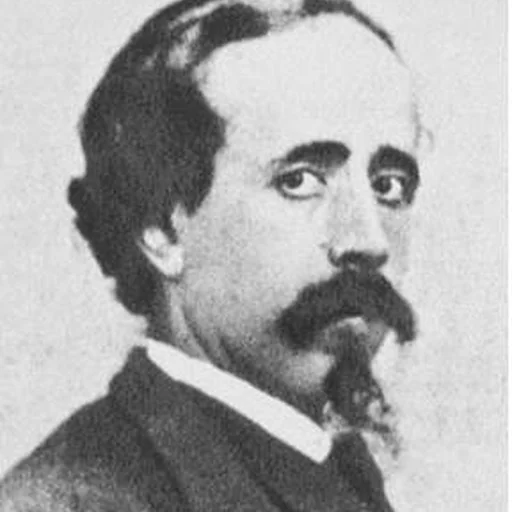
Artist
Valeriano Domínguez Bécquer (15 December 1833 – 23 September 1870) was a Spanish painter and graphic artist, who often worked in the costumbrismo style.