Artwork
Guy Little Theatrical Photograph
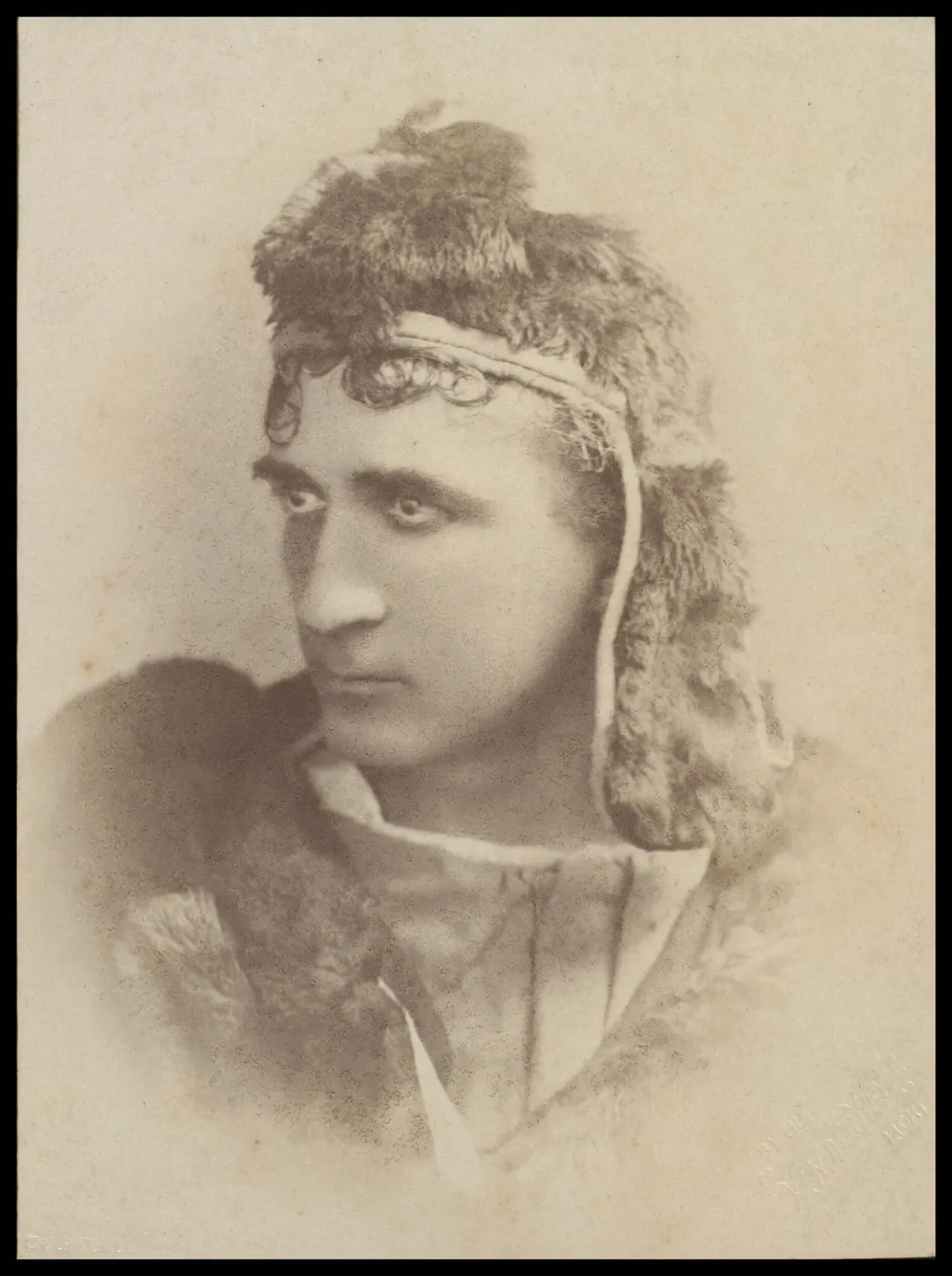
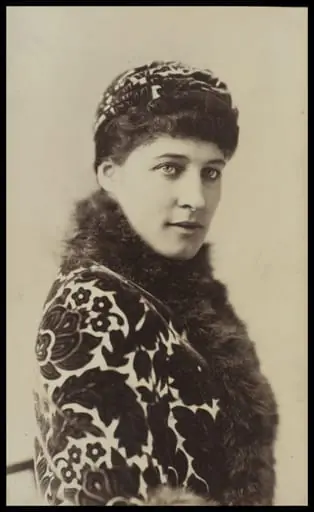
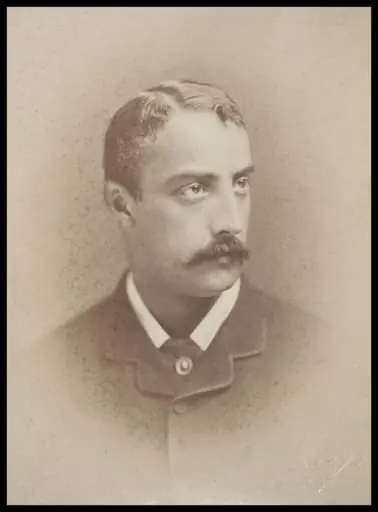
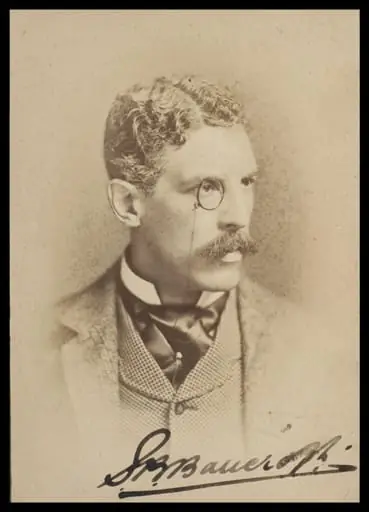
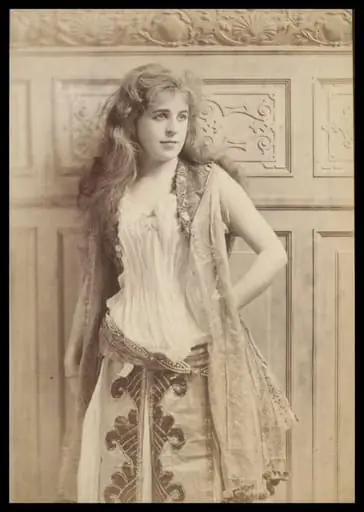
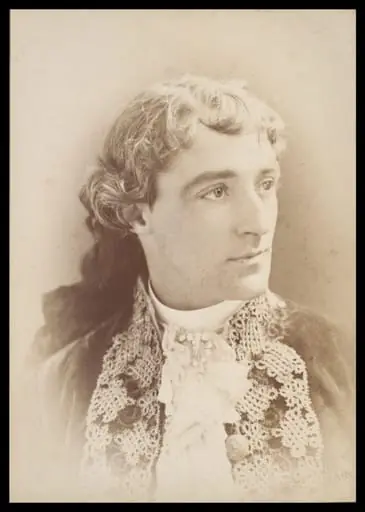
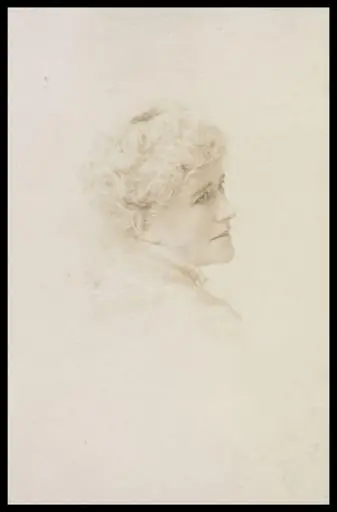
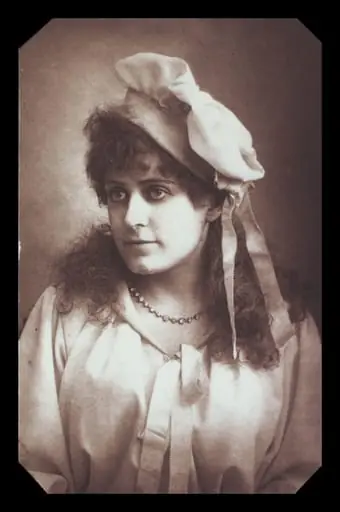
Guy Little Theatrical Photograph is a photographic photography by the Impressionist artist Henry Frederick Van Der Weyde. It dates from 1880 and is held in the collection of the Victoria and Albert Museum. This photograph is an albumen print mounted on card, originally produced as a cabinet card in the late 1870s or early 1880s.
About this work
Henry Van Der Weyde caught the moment during a run at London’s Princess’s Theatre.
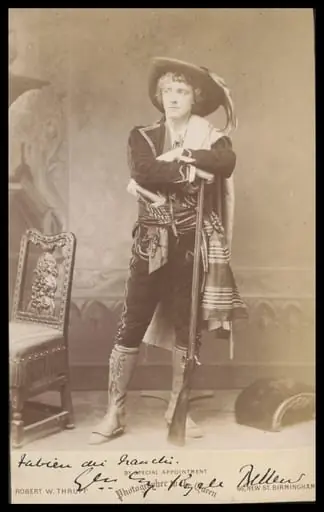
This photo shows Edwin Booth on stage as Hamlet in 1880. Henry Van Der Weyde caught the moment during a run at London’s Princess’s Theatre. It’s an albumen print on card, part of a big wave of actor portraits.
Back then, fans snapped up actor photos like trading cards. These “cartes de visite” were small and cheap. By the late 1870s they gave way to bigger “cabinet cards.”
Look up Van Der Weyde, Henry Frederick.
Overview
This photograph is an albumen print mounted on card, originally produced as a cabinet card in the late 1870s or early 1880s. It depicts the American actor Edwin Booth in character as Hamlet during a performance at London’s Princess’s Theatre. The image was captured by Henry Van Der Weyde, a photographer known for documenting theatrical performances. It formed part of a personal collection assembled by Guy Tristram Little, later donated to the V&A, reflecting the era’s widespread fascination with theatrical portraiture.
Subject & Meaning
Edwin Booth, one of the most acclaimed Shakespearean actors of the 19th century, is portrayed in the role of Hamlet, a part he performed with notable psychological depth. The image captures him mid-performance, suggesting a moment of introspection or emotional intensity. Such portraits served not only as memorabilia but also as cultural artifacts that extended the actor’s presence beyond the stage, allowing audiences to engage with his interpretation privately.
Technique & Style
The photograph is an albumen print made from a glass negative, a standard process in Victorian photography. Mounted on a sturdy card backing, it bears the imprint of the photographer, Henry Van Der Weyde, and was likely mass-produced for public sale. The composition is formal, with Booth framed against a theatrical backdrop, emphasizing costume and gesture over environmental detail. Lighting is controlled, typical of studio or stage photography of the period.
History & Provenance
The image was acquired and preserved by Guy Tristram Little, a solicitor and avid collector of theatrical ephemera. He removed the prints from their original card mounts and organized them into albums, preserving them for future study. Upon his death in 1953, the collection was bequeathed to the Victoria and Albert Museum. Little’s role as executor of Gabrielle Enthoven’s estate further linked him to the institutional foundation of the V&A’s theatre holdings.
Context
During the mid-to-late 19th century, theatrical portraits circulated widely as collectible items, particularly cartes de visite and later cabinet cards. These were affordable, easily transportable, and often exchanged among fans. The popularity of such images coincided with the rise of celebrity culture and the growing accessibility of photography. Booth’s portrayal of Hamlet, widely admired on both sides of the Atlantic, made his image especially desirable among collectors.
Legacy
The photograph survives as part of one of the largest private collections of theatrical imagery assembled in the 19th century. Its preservation within the V&A’s archives ensures continued access for scholars studying performance, photography, and Victorian popular culture. It exemplifies how photography transformed the relationship between audiences and performers, turning ephemeral stage moments into enduring visual records.
Artist & collection
Artist
Henry Frederick Van Der Weyde kept a studio on London’s Strand that looked more like a backstage dressing room than a photographer’s space.