Artwork
Allegory of Peace
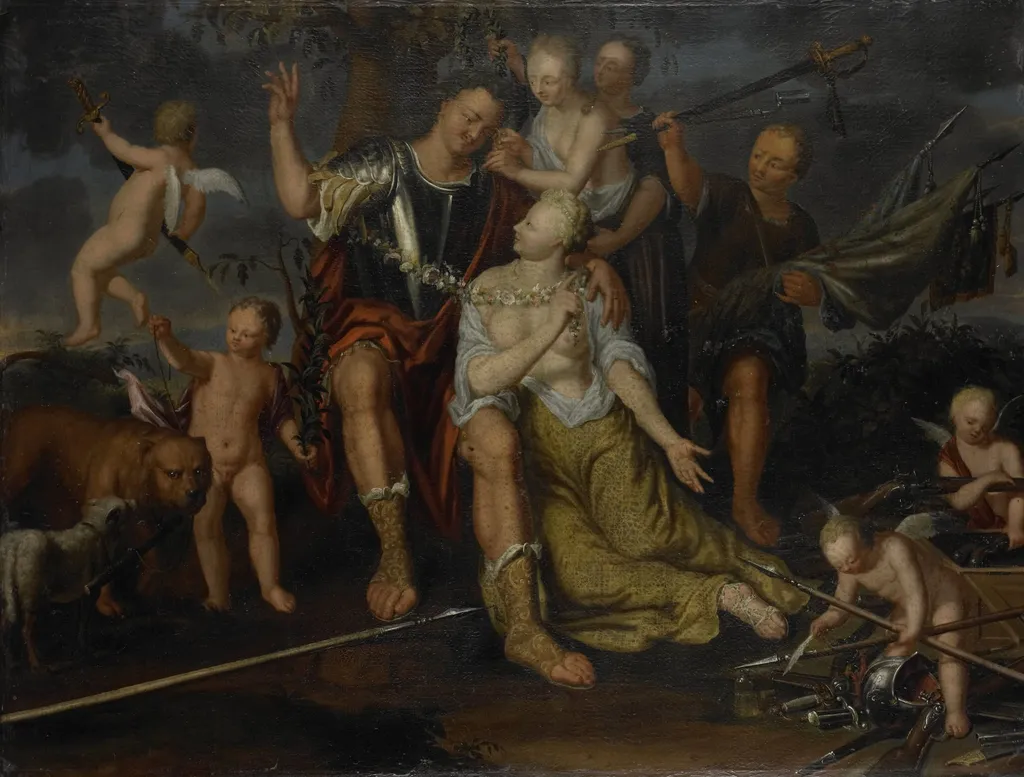
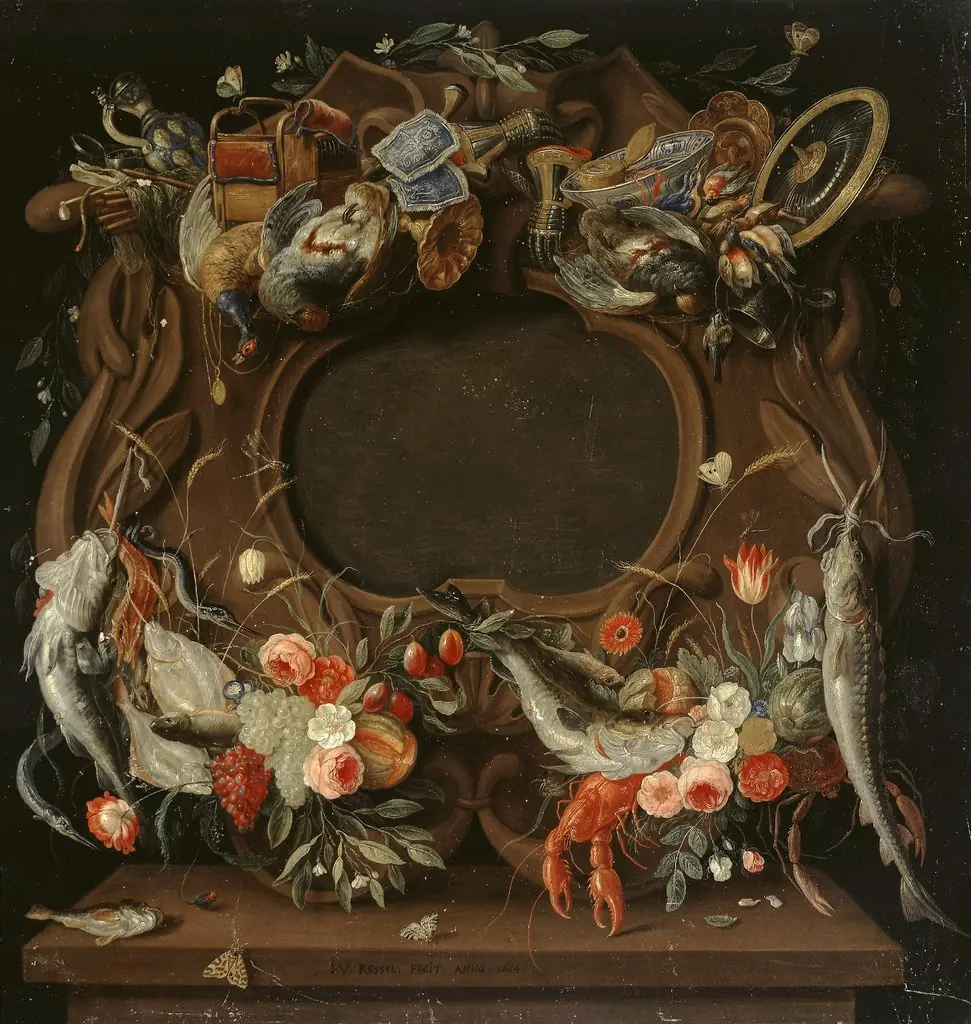
Allegory of Peace is an unspecified painting by the Rococo painting artist Jan van Kessel the Elder. It is held in the collection of the Rijksmuseum. This painting depicts a symbolic scene of peace emerging after conflict.
About this work
Overview
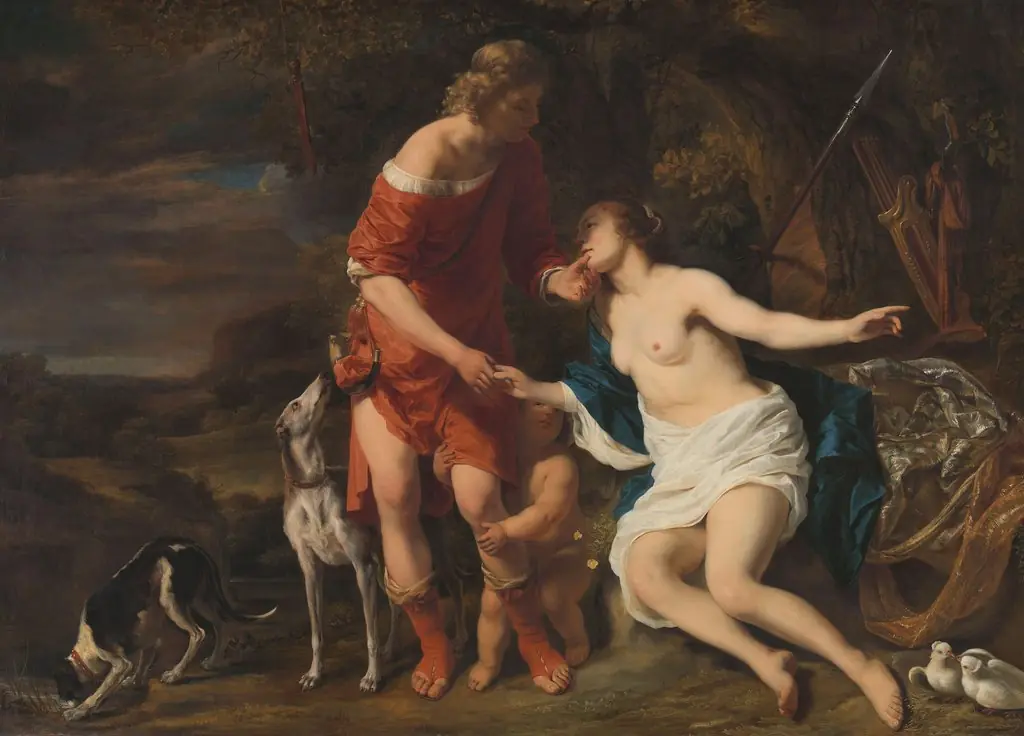
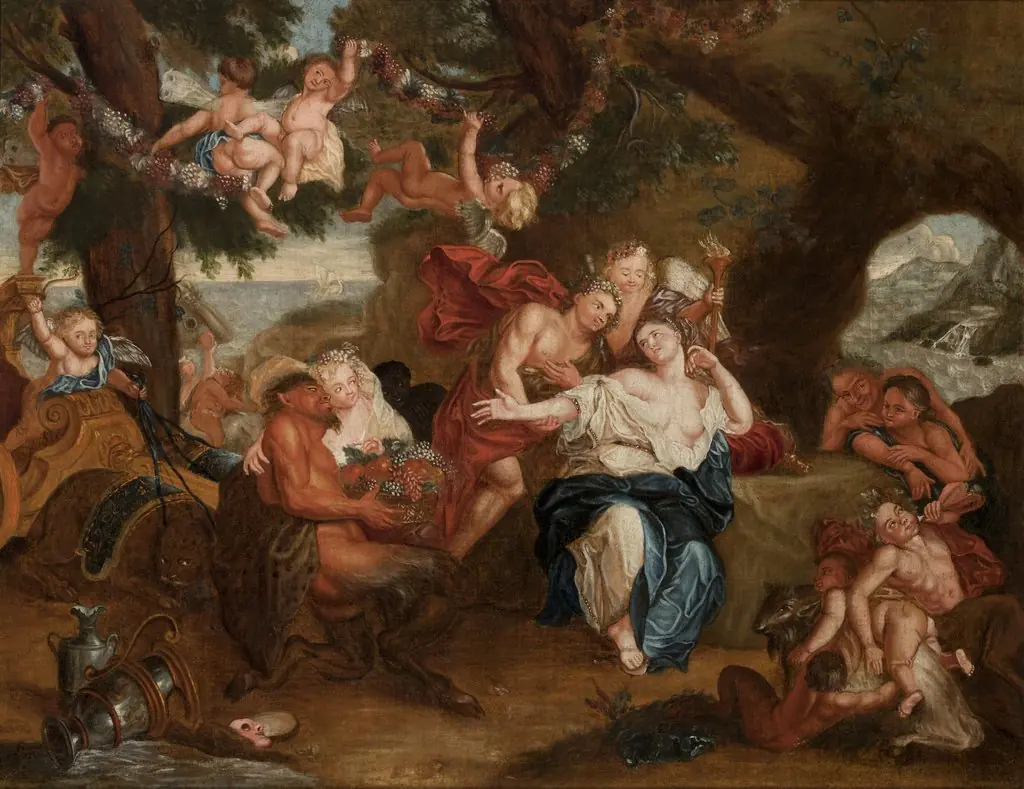
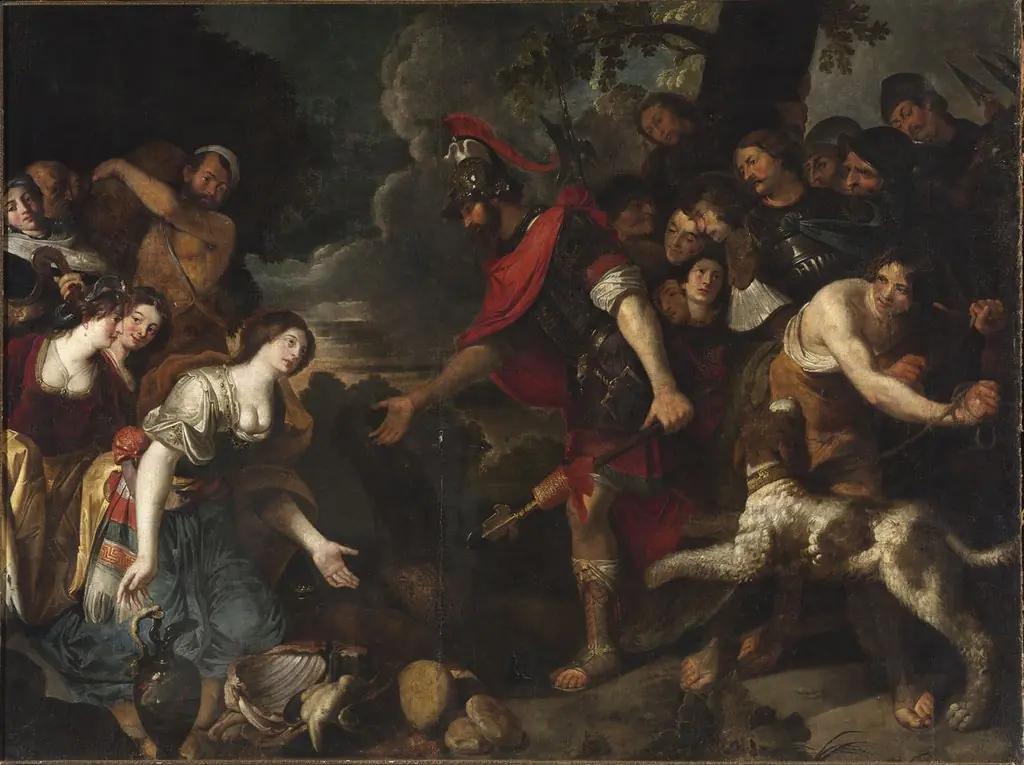
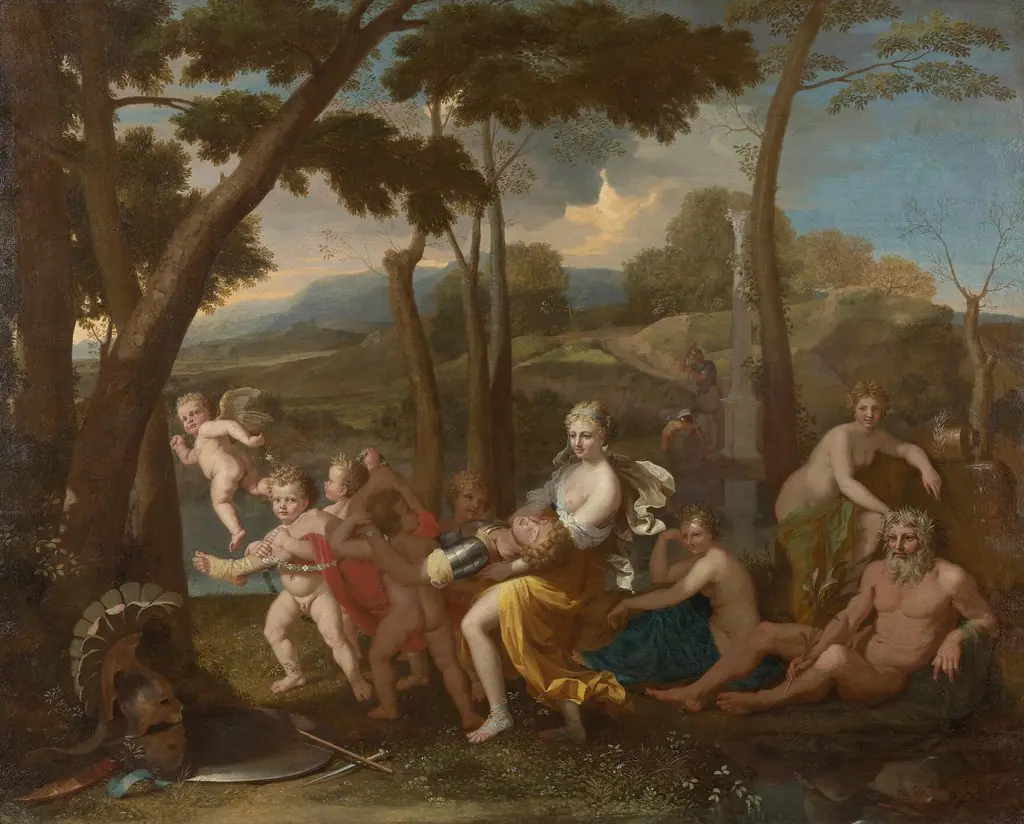
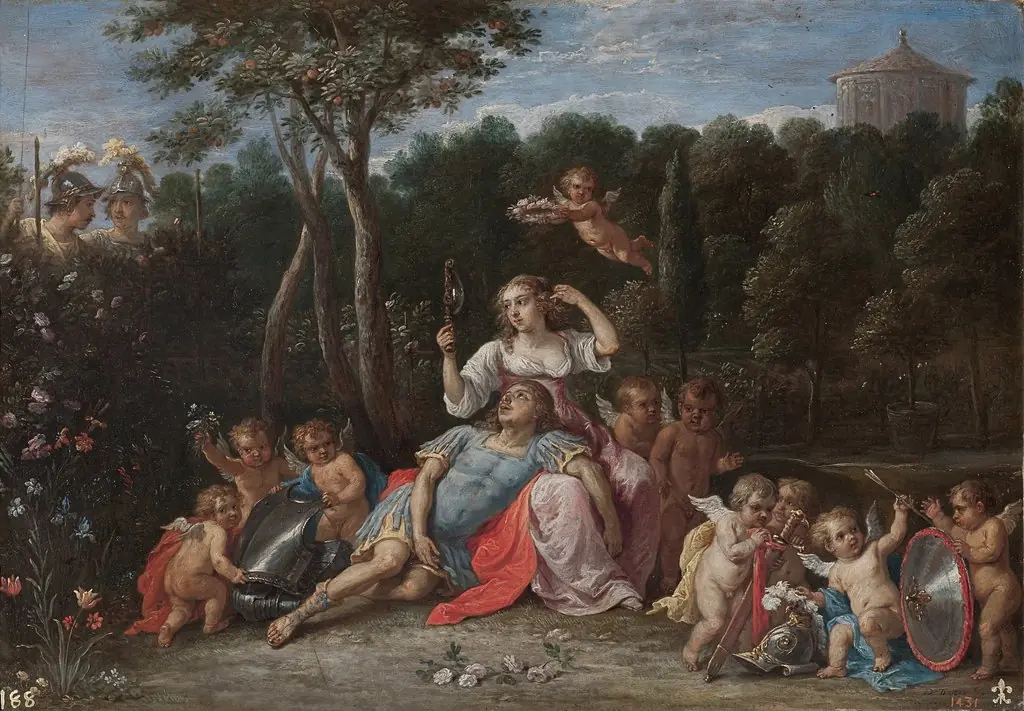
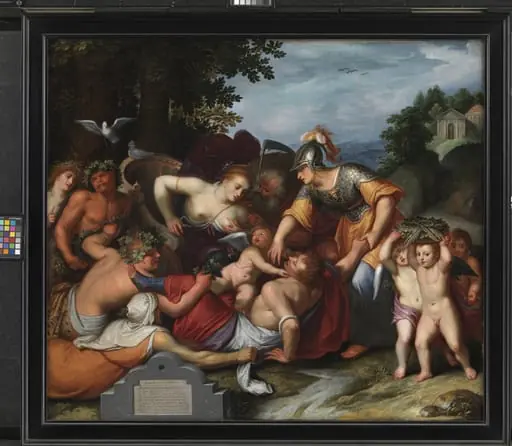
This painting depicts a symbolic scene of peace emerging after conflict. A disarmed soldier, his armor worn and loosening, rests his arm on the figure of Peace. Around them, winged children gather and dismantle weapons—saws, bundles, and discarded arms litter the ground. The atmosphere is calm, not triumphant, suggesting a quiet transition from war to tranquility.
Subject & Meaning
The soldier, Mars, represents the end of war, his armor no longer a shield but a burden shed. Peace, embodied as a serene woman, holds an olive branch—an ancient emblem of reconciliation. The children, symbolizing innocence and renewal, actively dismantle instruments of violence, transforming them into inert objects. The scene conveys not victory, but the deliberate, gentle work of rebuilding.
Technique & Style
The children’s movements are fluid and unforced, their gestures suggesting routine rather than drama, reinforcing the theme of peaceful normalization.
The artist employs soft, muted tones and naturalistic lighting to avoid grandeur. The armor is rendered with dull metallic sheen, emphasizing its obsolescence. Figures are arranged in a loose, intimate circle, drawing the eye toward the central pair. The children’s movements are fluid and unforced, their gestures suggesting routine rather than drama, reinforcing the theme of peaceful normalization.
History & Provenance
Created in the late 17th century, the work emerged during a period of diplomatic stabilization in the Dutch Republic. It likely served as a political allegory following the Treaty of Nijmegen, which ended several wars. The painting entered the Rijksmuseum’s collection in the 19th century, where it remains as part of a broader group of Dutch allegorical works from the era.
Context
In the Dutch Golden Age, allegorical paintings often reflected civic values and the desire for stability after decades of conflict. This work aligns with a trend of depicting peace not as divine intervention, but as human effort—crafted by ordinary hands and quiet rituals. Similar themes appear in other Dutch paintings of the time, where domestic calm replaces battlefield heroism.
Legacy
The painting contributes to a visual language of peace as an active, daily practice rather than a passive state. Its understated tone influenced later depictions of post-war recovery in Northern European art. Today, it stands as a quiet counterpoint to more militaristic imagery, reminding viewers that peace is built through sustained, unglamorous labor.
Own this work as a print
Artist & collection
Artist
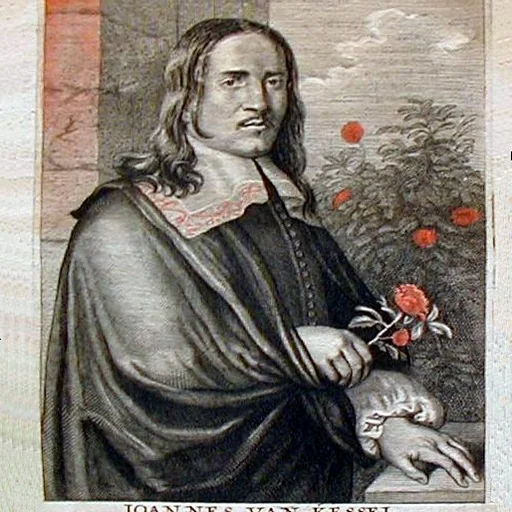
Jan van Kessel the Elder or Jan van Kessel (I) (baptized 5 April 1626, Antwerp – 17 April 1679, Antwerp) was a Flemish painter active in Antwerp in the mid-17th century.