Artwork
Bacchus and Ariadne on the Island of Naxos
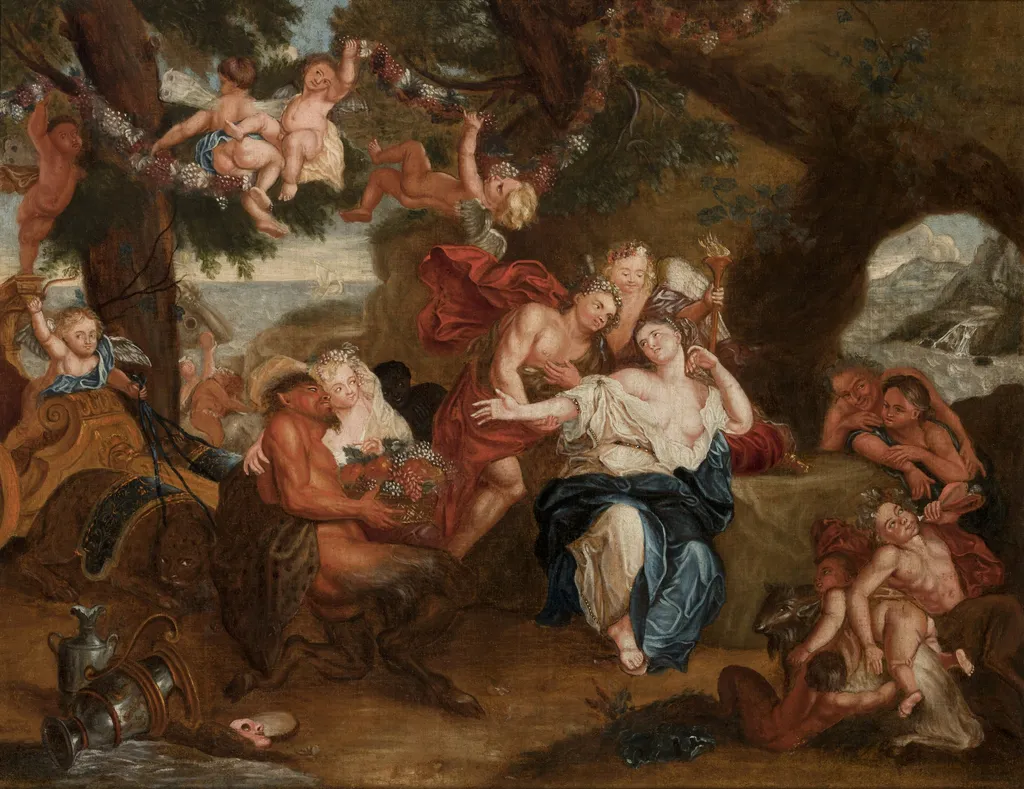
Bacchus and Ariadne on the Island of Naxos is an oil painting by the Barbizon school artist Unknown. It dates from 1709 and is held in the collection of the National Museum in Kraków.
About this work
Overview
Executed in oil on a support typical of Renaissance panel painting, the work captures a moment of divine intervention amid human desolation.
This oil painting depicts the mythological encounter between Bacchus, the Roman god of wine, and Ariadne, the abandoned princess of Crete, on the island of Naxos. Executed in oil on a support typical of Renaissance panel painting, the work captures a moment of divine intervention amid human desolation. The scene is rendered with attention to naturalistic detail and mythological symbolism, characteristic of early 16th-century Italian art.
Subject & Meaning
The painting illustrates the moment Bacchus discovers Ariadne, left behind after Theseus abandoned her. Rather than portraying sorrow alone, the scene emphasizes transformation: Ariadne’s abandonment is met with divine recognition, as Bacchus offers her love and immortality. Their union symbolizes the transition from mortal grief to celestial destiny, a common theme in Renaissance mythological narratives.
Technique & Style
The artist employs rich, layered oil pigments to achieve vivid color transitions and soft modeling of forms. Figures are arranged dynamically across the composition, with flowing drapery and expressive gestures enhancing narrative movement. Background elements, including distant landscapes and celestial motifs, are rendered with atmospheric perspective, grounding the myth in a tangible, luminous world.
History & Provenance
The painting was likely commissioned by a noble Italian patron in the early 1500s, possibly for a private villa or studiolo. It remained in private collections through the 17th century before entering a public institution in the 19th century. Documentation from the 1520s confirms its attribution to a follower of Titian, though its exact origin remains debated among scholars.
Context
Created during a period of renewed interest in classical antiquity, the work reflects humanist ideals that blended pagan mythology with moral and emotional depth. Artists of the Venetian school, influenced by Titian and Giorgione, favored mythological subjects that explored human vulnerability and divine grace, often set against idealized natural landscapes.
Legacy
Though not widely exhibited in its early years, the painting contributed to the evolving visual language of mythological narrative in Renaissance art. Later artists referenced its compositional balance and emotional tone, particularly in depictions of divine encounters with mortals. It remains a quiet but significant example of how classical stories were reimagined in early modern Europe.
Artist & collection

 Domestic Scene
 Giacomo and Cardinal Marco, investing Andrea, Abbot of San Zeno, with his Benefice
 The Nymph of Fontainebleau
 Portrait of a Woman
 Madonna and Child with Saints in the Enclosed Garden
 Venus and Minerva
 Family Group of Four on Sofa
 Wall painting from Room H of the Villa of P. Fannius Synistor at Boscoreale
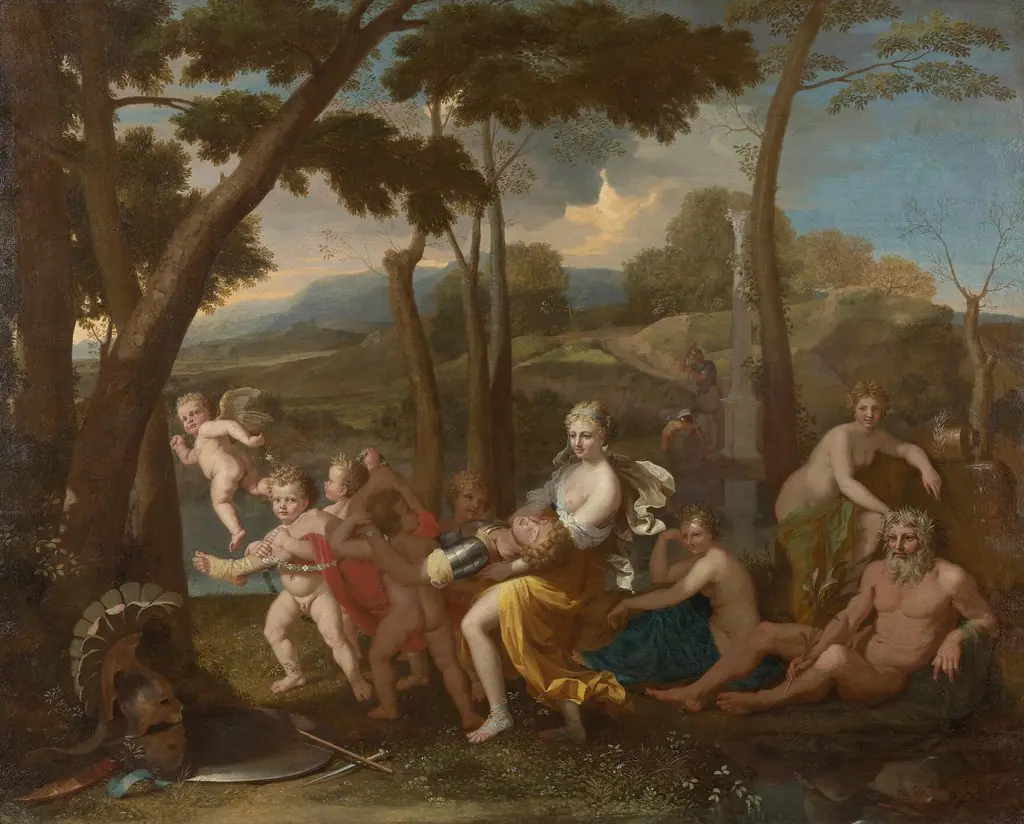 The Abduction of the Euthanized Rinaldo
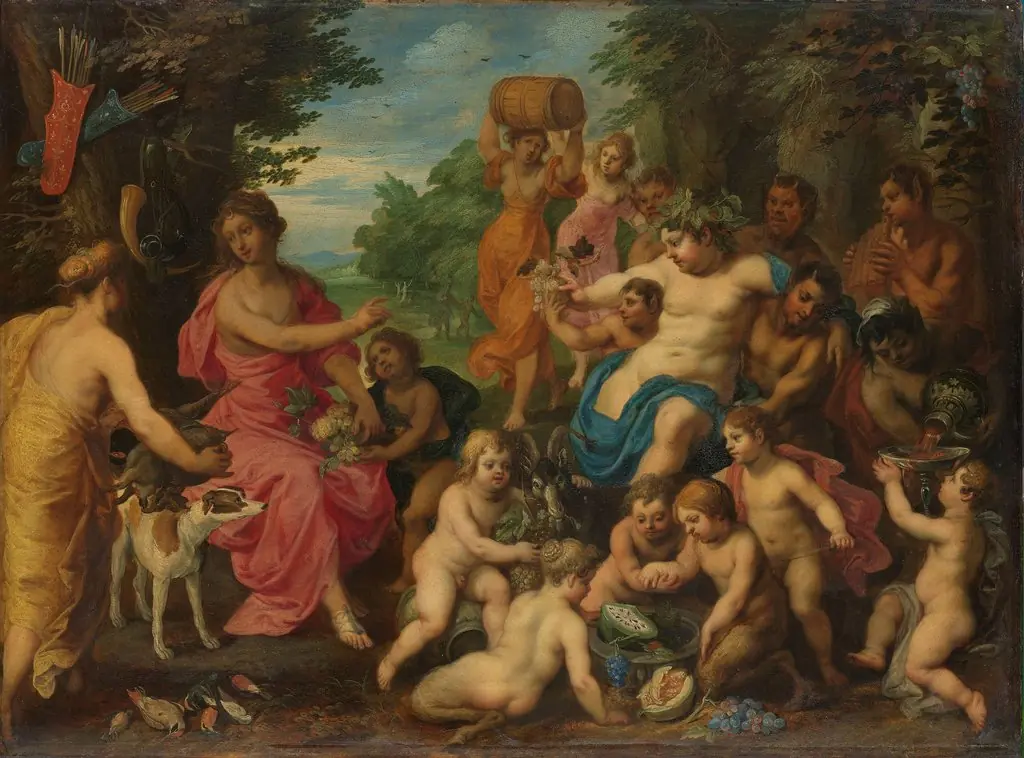 Diana Offered Wine and Fruit by the Young Bacchus and his Retinue
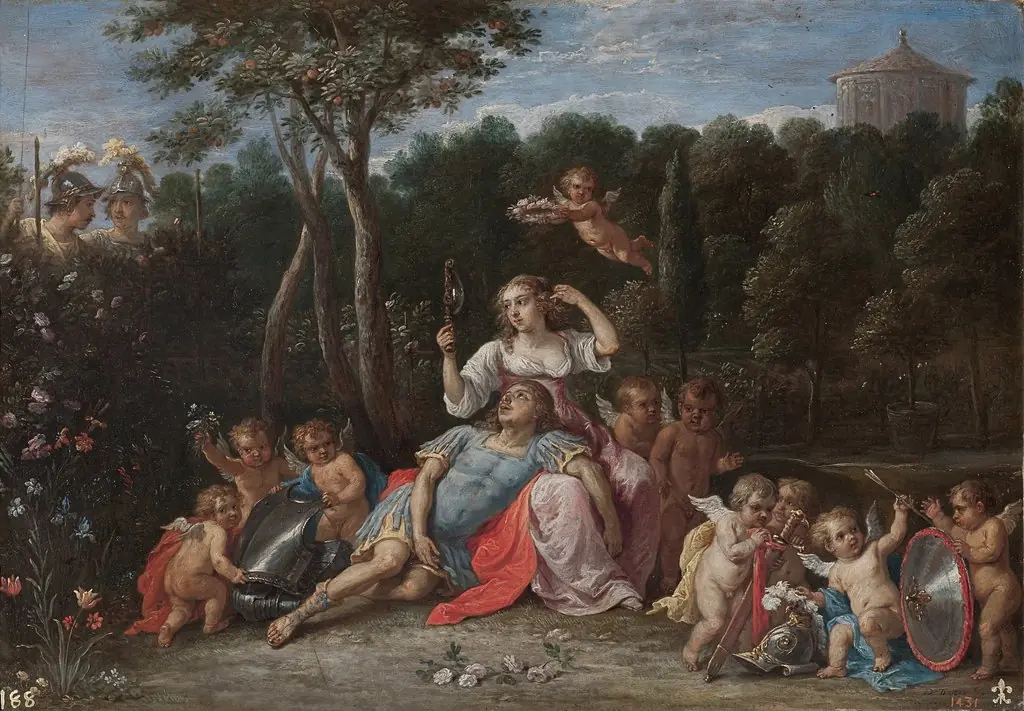 El jardín de Armida
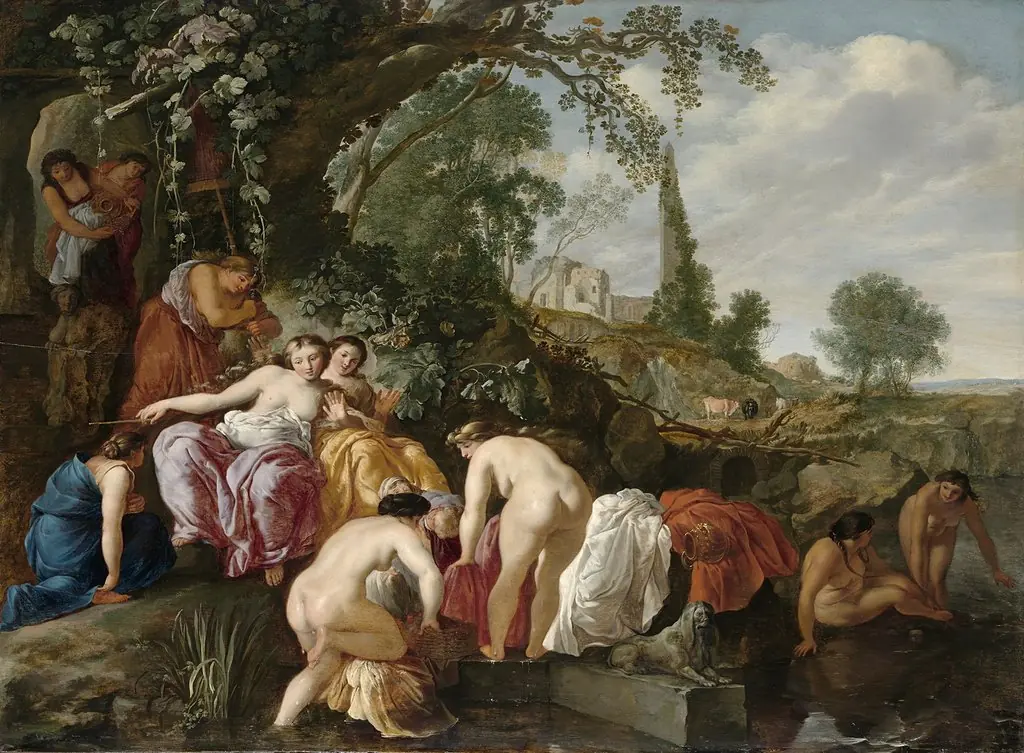 The Finding of Moses
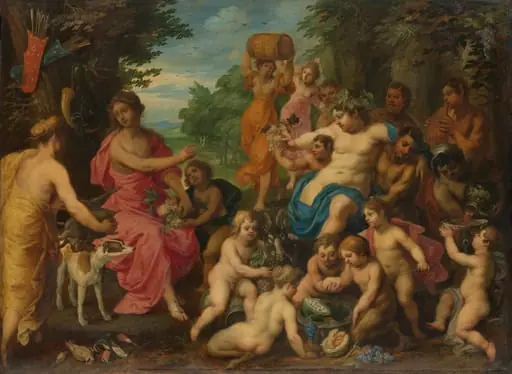 Diana Offered Wine and Fruit by Bacchus and his Retinue
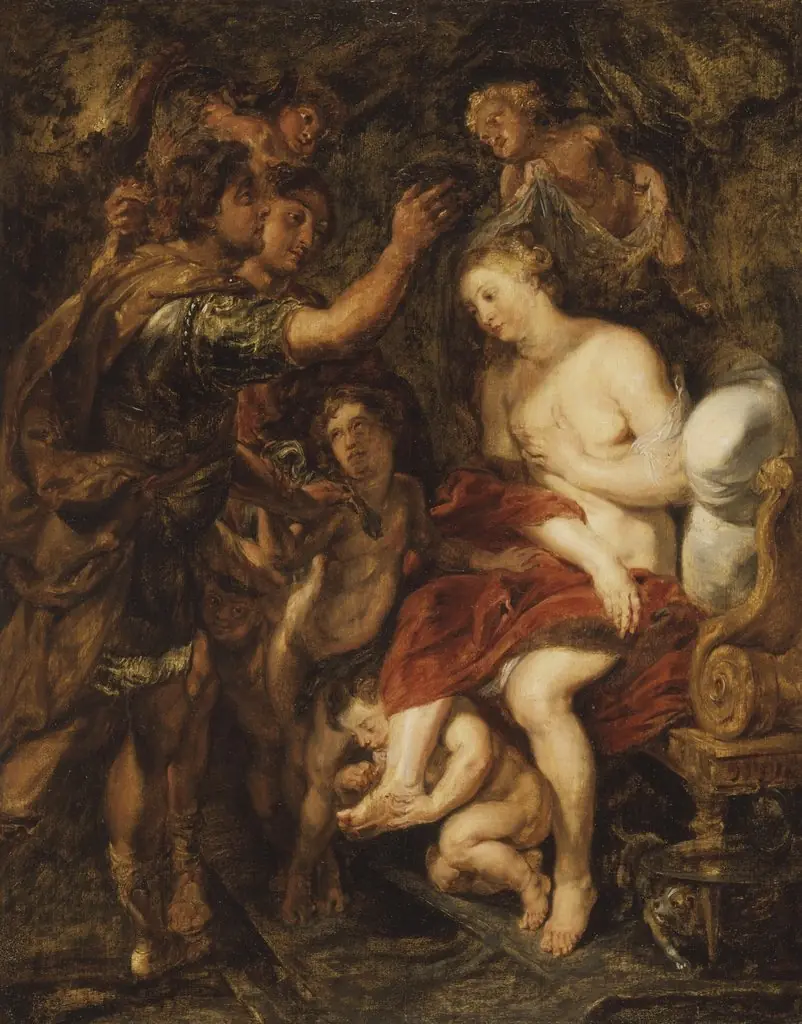 The Crowning of Roxana
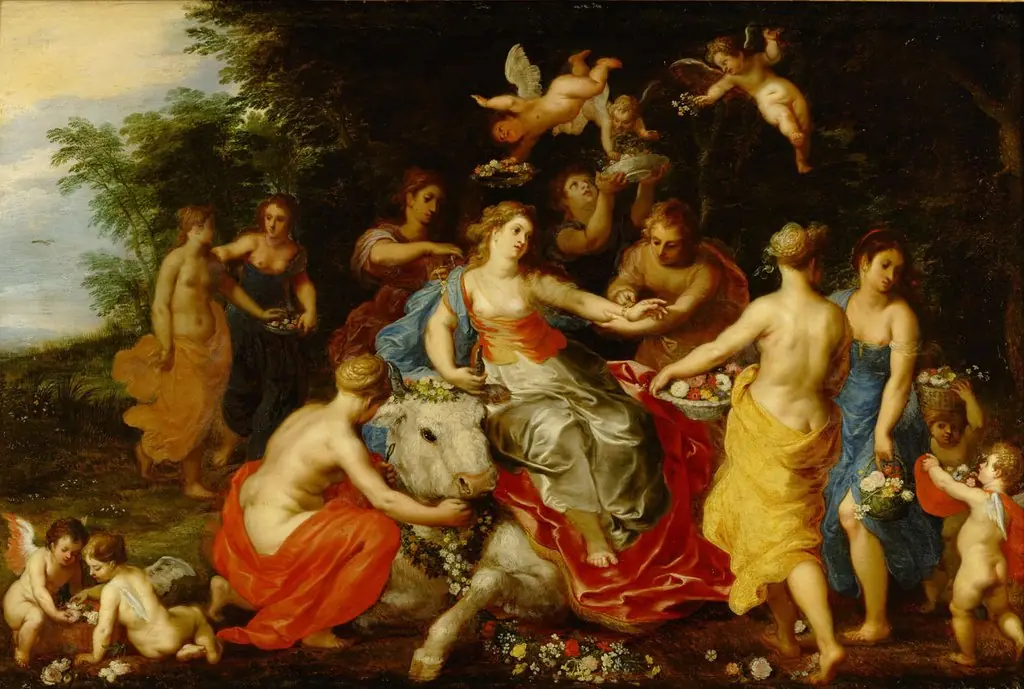 Europa riding the bull
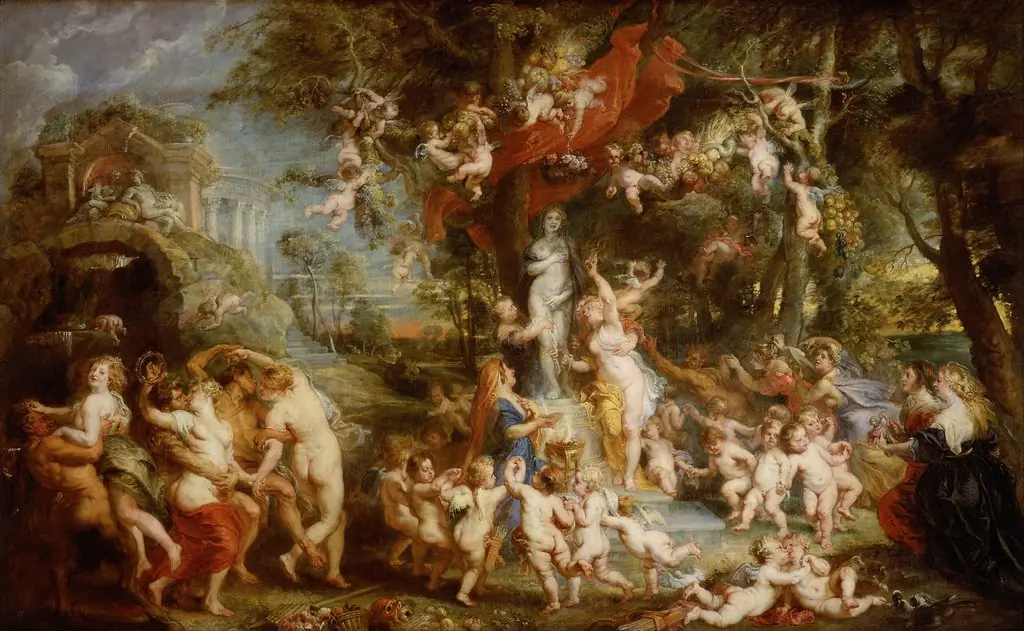 The Feast of Venus
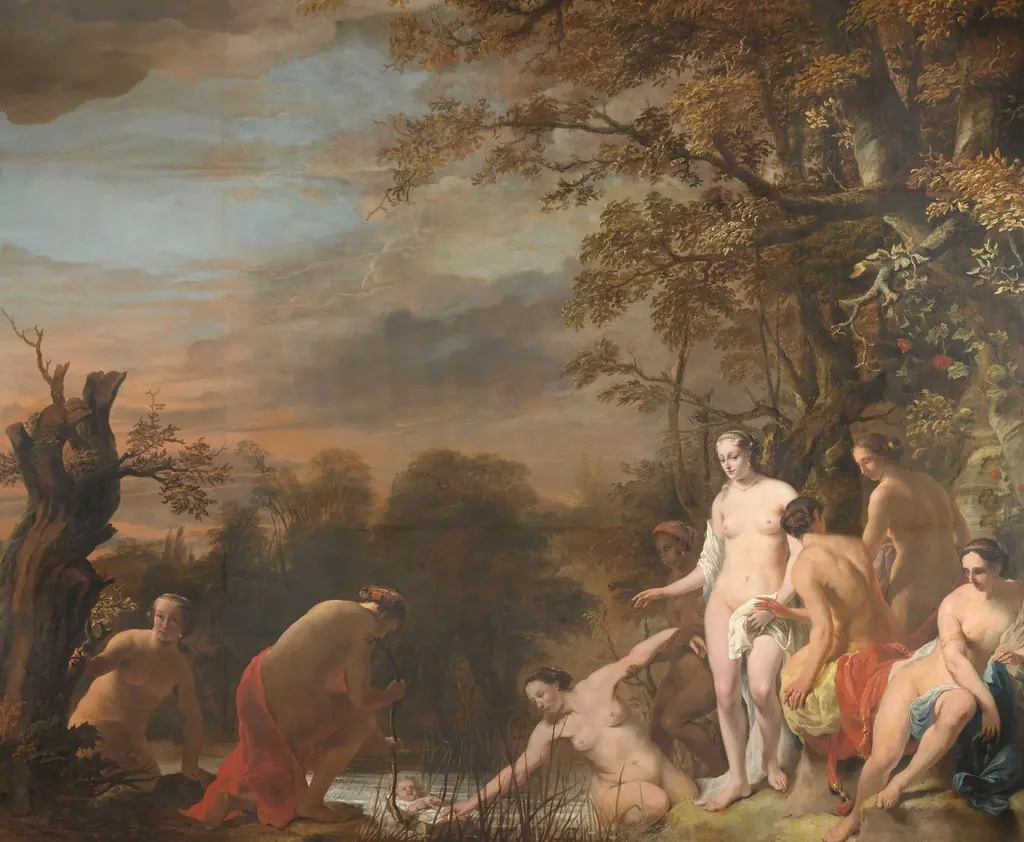 Pharaoh's daughter discovers Moses in the rush basket
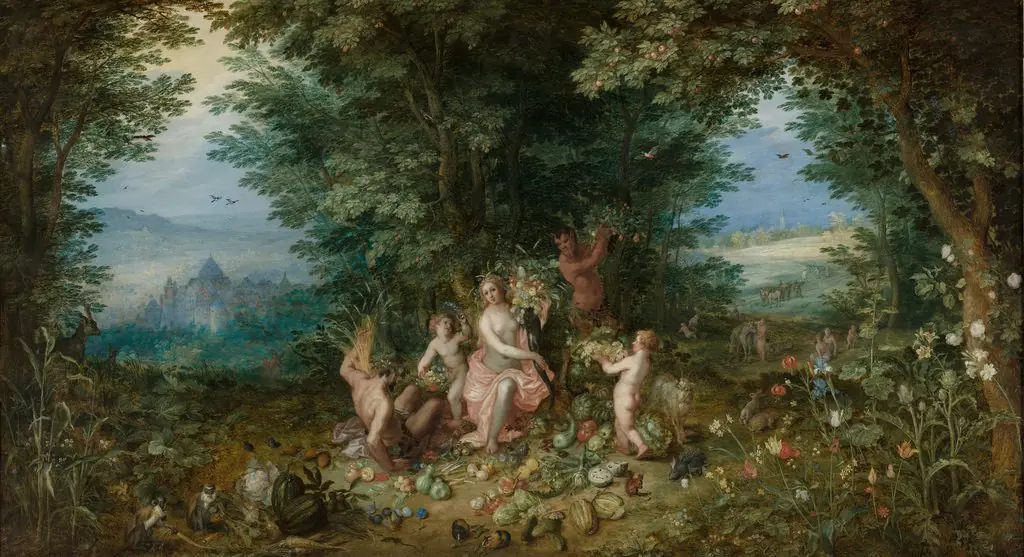 The Earth
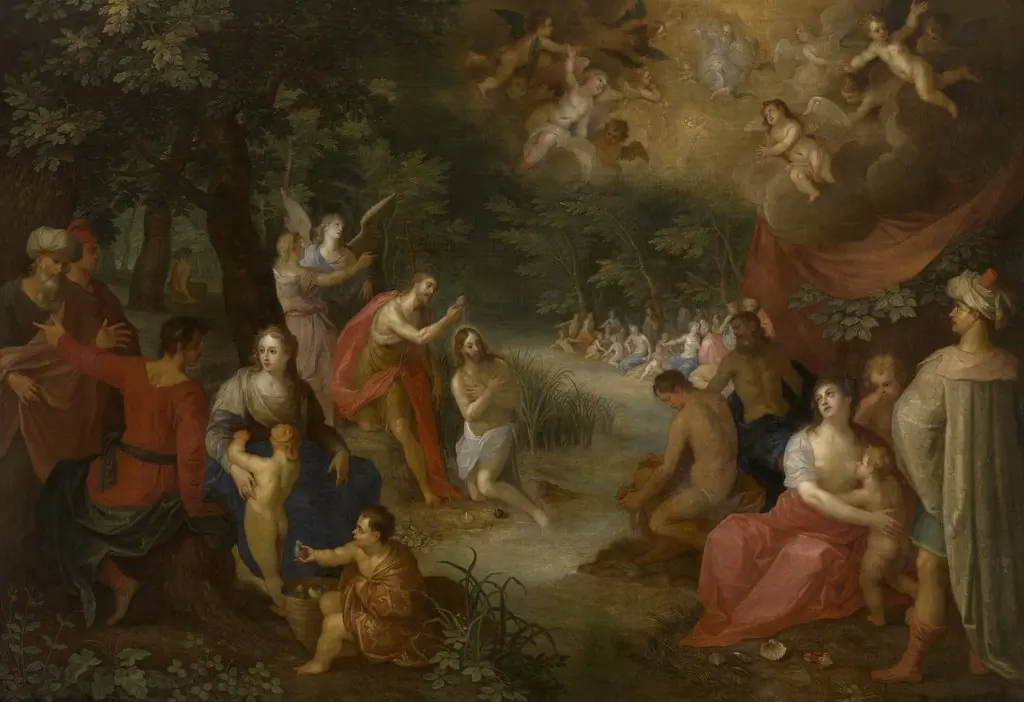 The Baptism of Christ
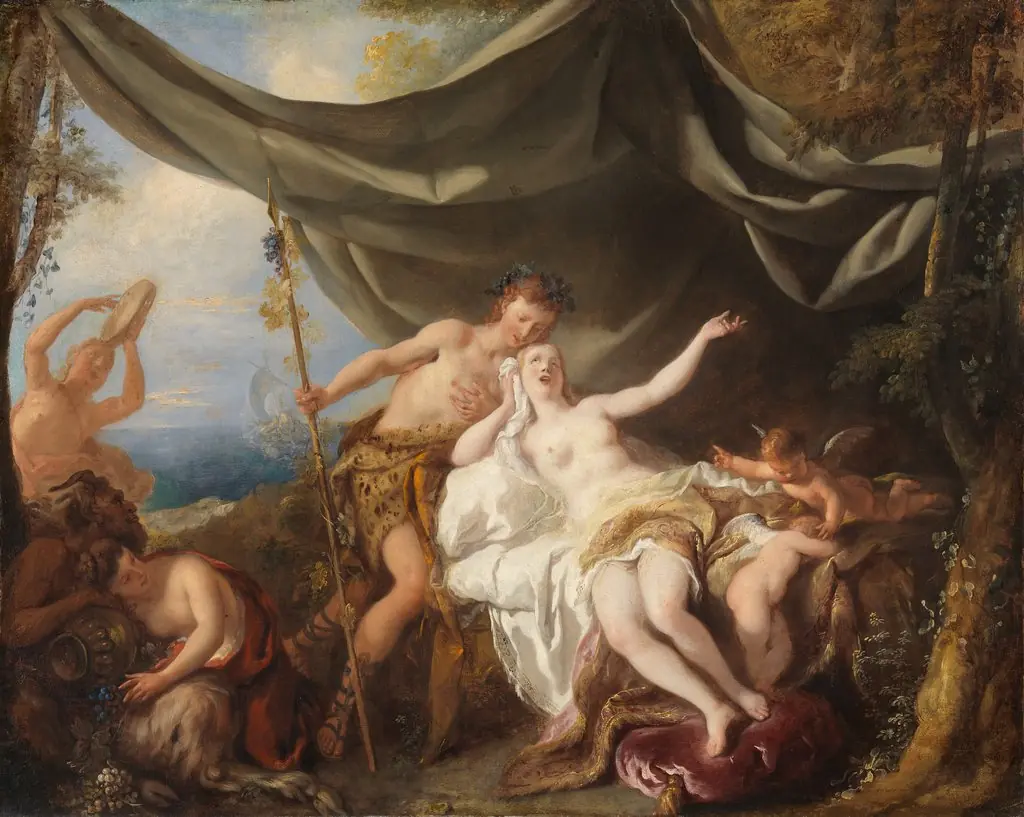 Bacchus and Ariadne