Artwork
The Meeting of David and Abigail
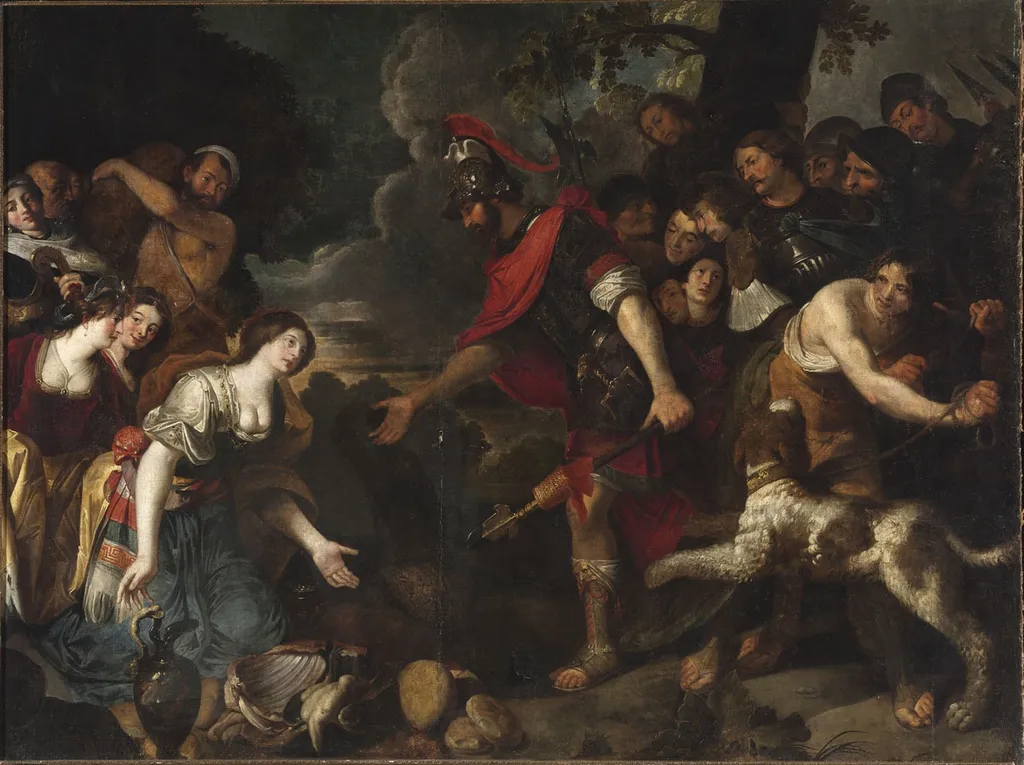
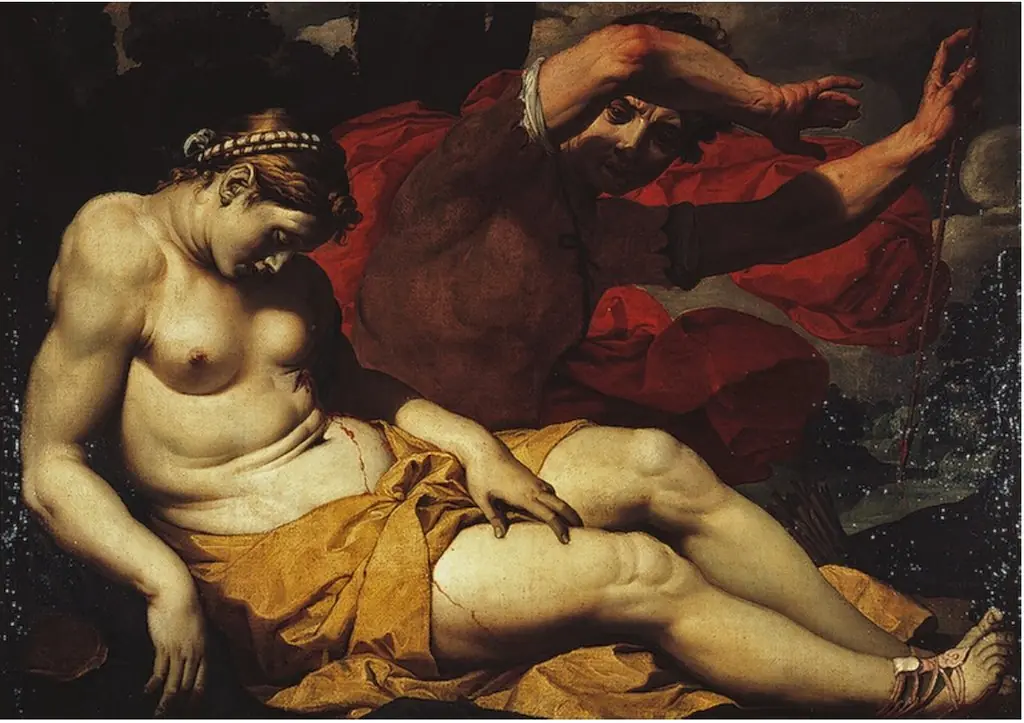
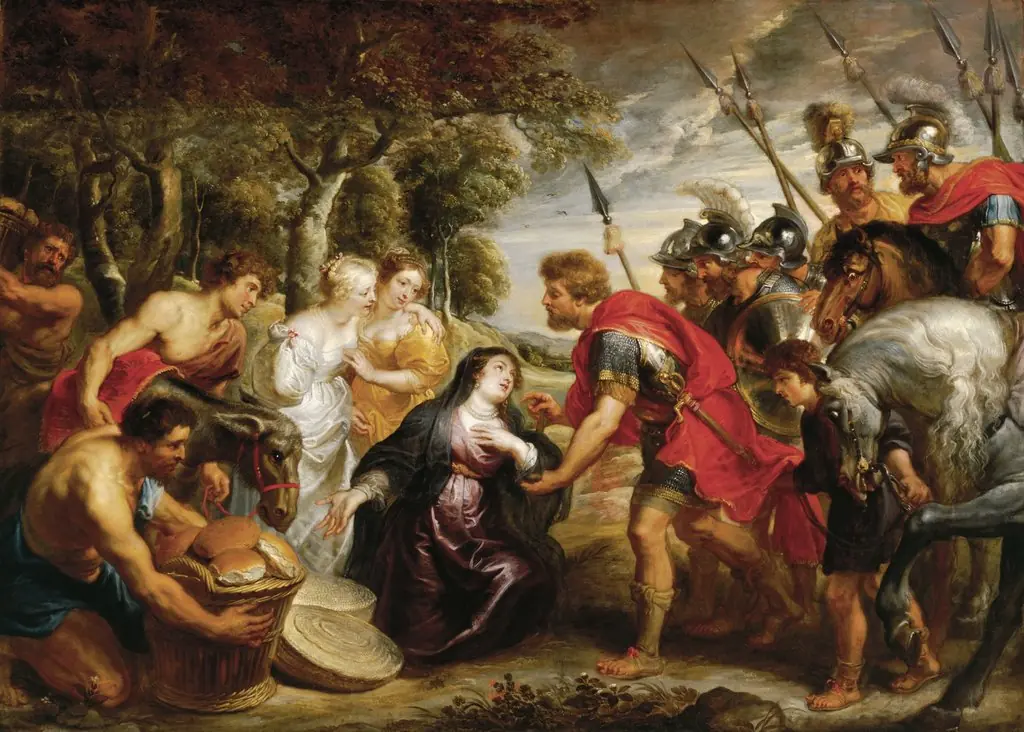
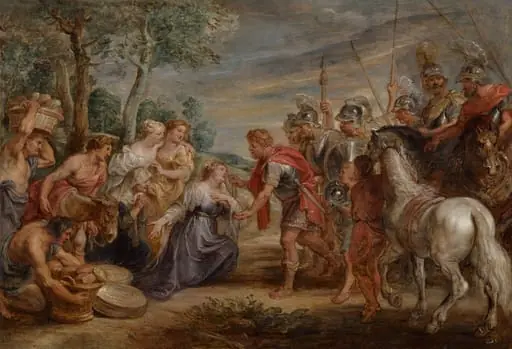
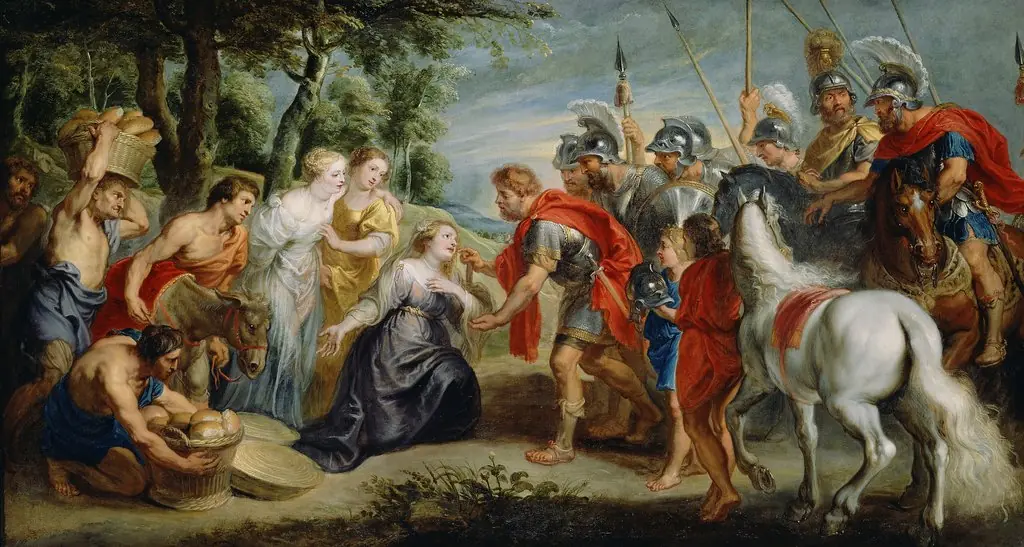
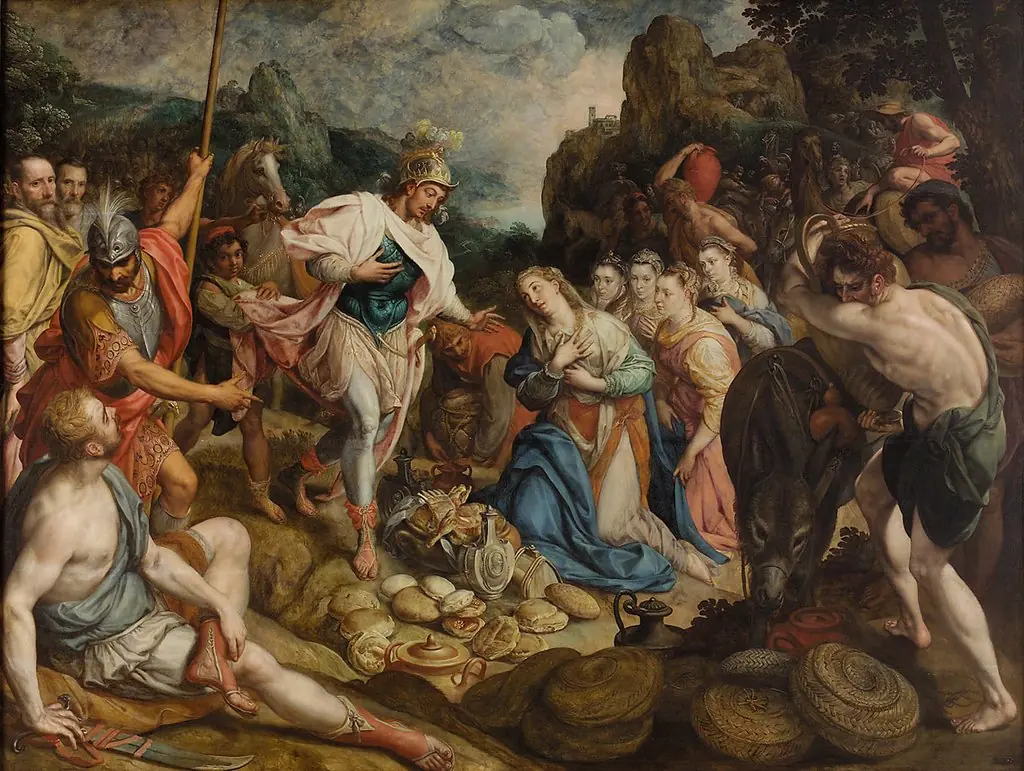
The Meeting of David and Abigail is an oil painting by the Flemish Baroque painting artist Theodoor Rombouts. It dates from 1627 and is held in the collection of the Museum of Fine Arts, Budapest.
About this work
Overview
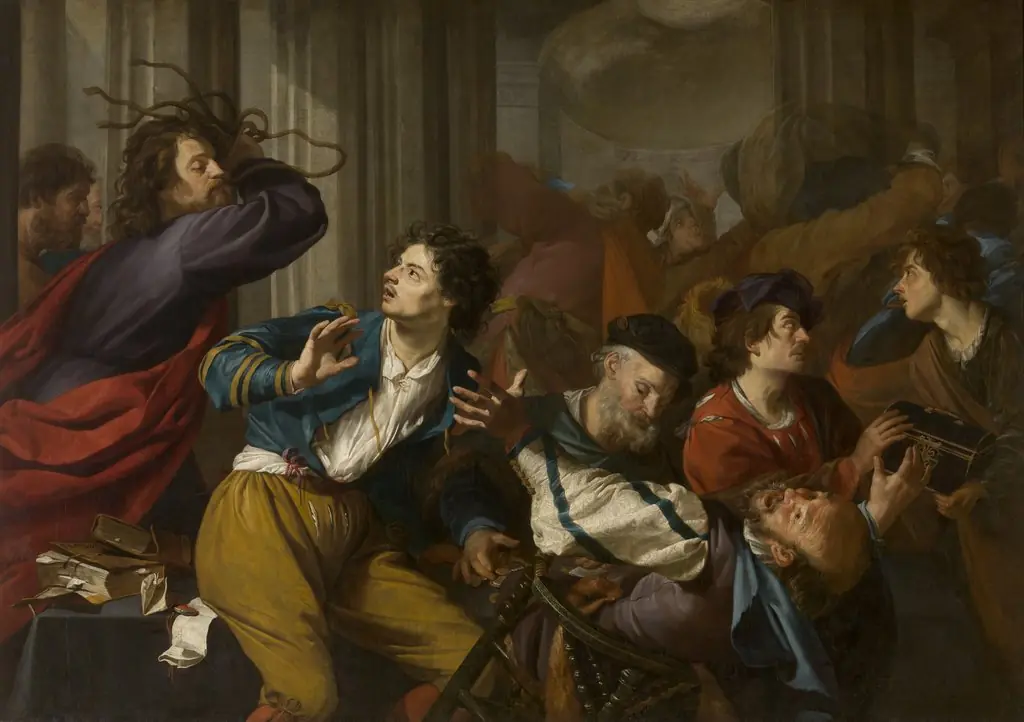
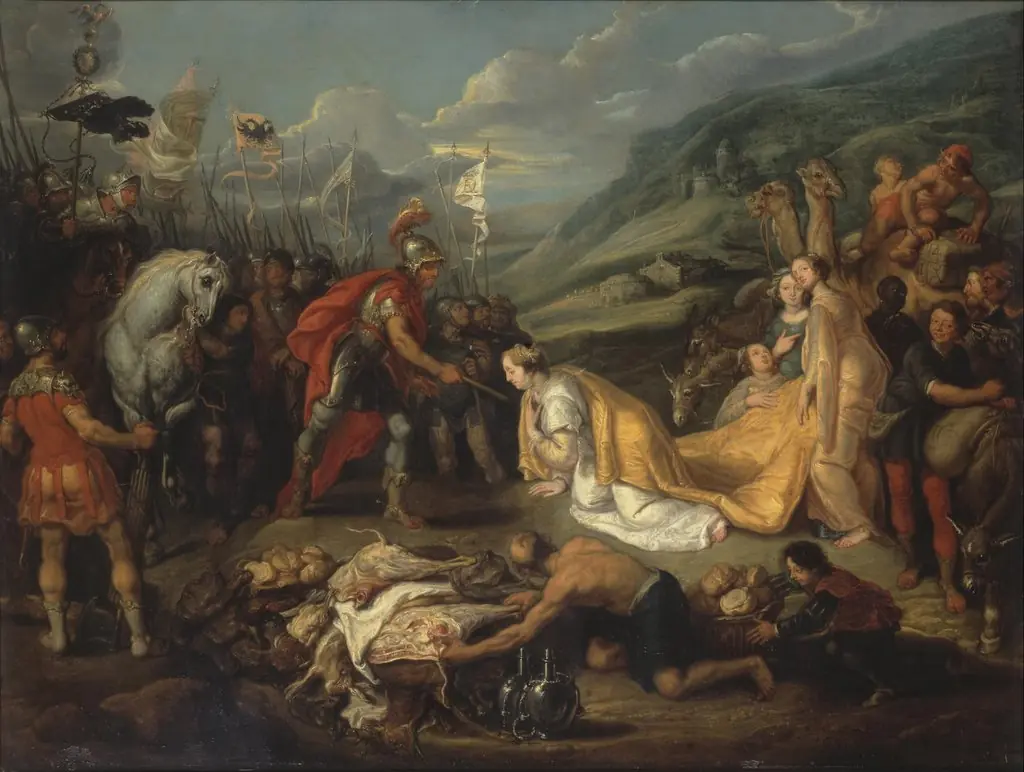
The Meeting of David and Abigail is a Flemish Baroque oil painting created circa 1627 by Theodoor Rombouts, a prominent figure in Flemish Caravaggism. The work is characterized by its dramatic lighting and composition, typical of Rombouts' style, which blends intense contrasts with emotive power.
Subject & Meaning
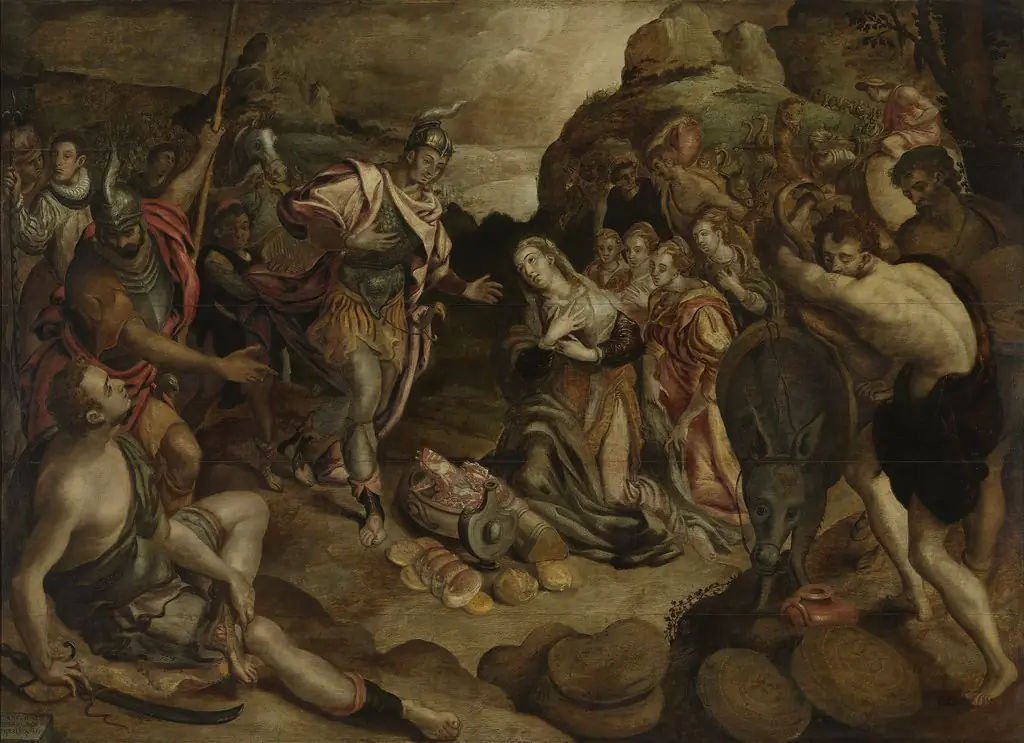
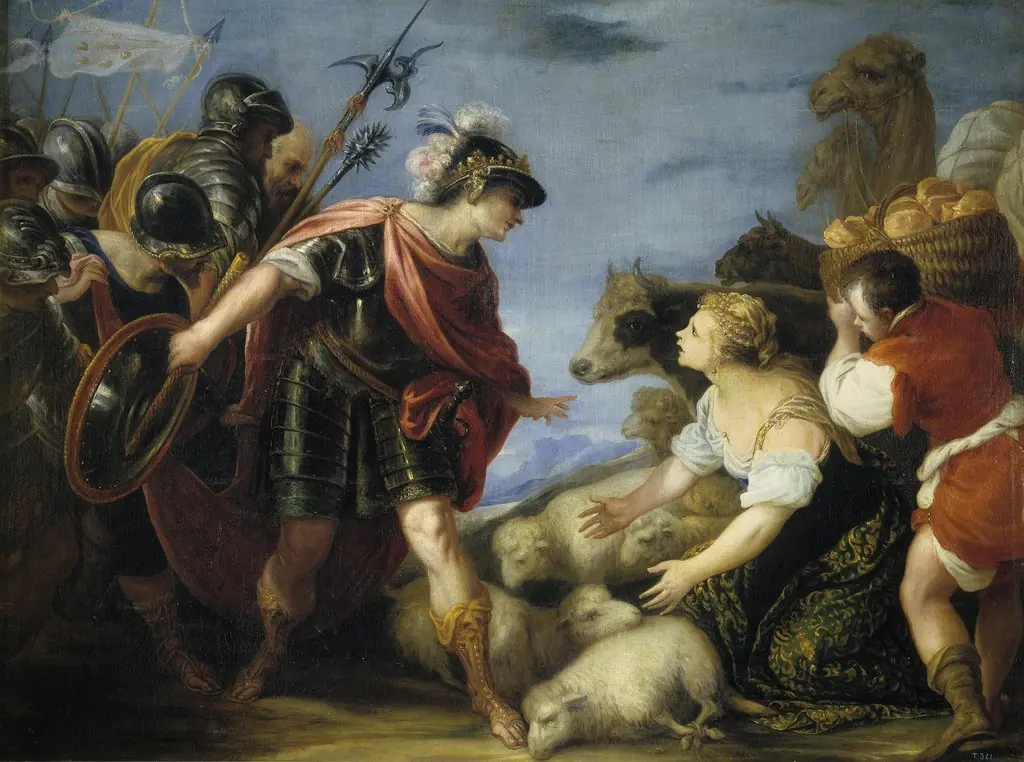
The painting depicts a biblical scene featuring Abigail, kneeling in a white dress, and David, standing in armor with an outstretched arm, accompanied by a dog. The interaction between the figures suggests a moment of tension or dramatic negotiation, as implied by the biblical narrative of Abigail's intervention to prevent David's vengeance.
Technique & Style
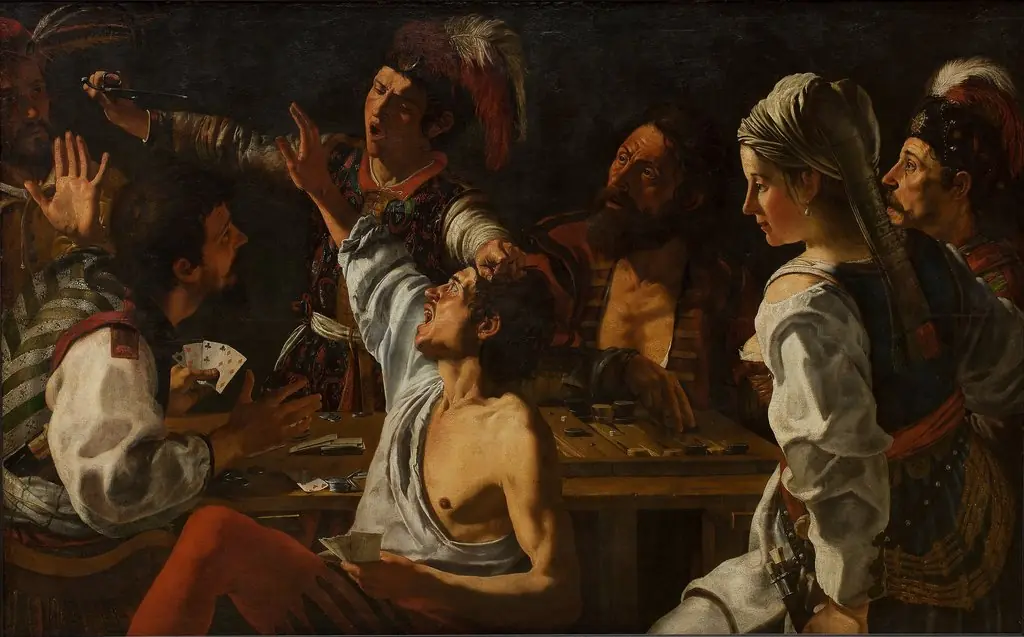
Rombouts employs chiaroscuro to create deep contrasts between light and dark, accentuating the central figures against a somber background. This Caravaggesque technique enhances the emotional intensity and visual depth of the scene.
History & Provenance
The Meeting of David and Abigail is part of the collection at the Museum of Fine Arts in Budapest, though specific details of its commission or early ownership are not provided in the available information.
Context
Created during the Flemish Baroque period, the painting reflects the influence of Caravaggism on Northern European art, characterized by dramatic lighting and emotionally charged scenes, applicable to both religious and genre subjects.
Legacy
As a work of Flemish Caravaggism, The Meeting of David and Abigail contributes to the broader legacy of Baroque art's emphasis on dramatic expression and lighting effects, though its specific impact or influence on later artists is not detailed in the provided context.
Artist & collection
Artist
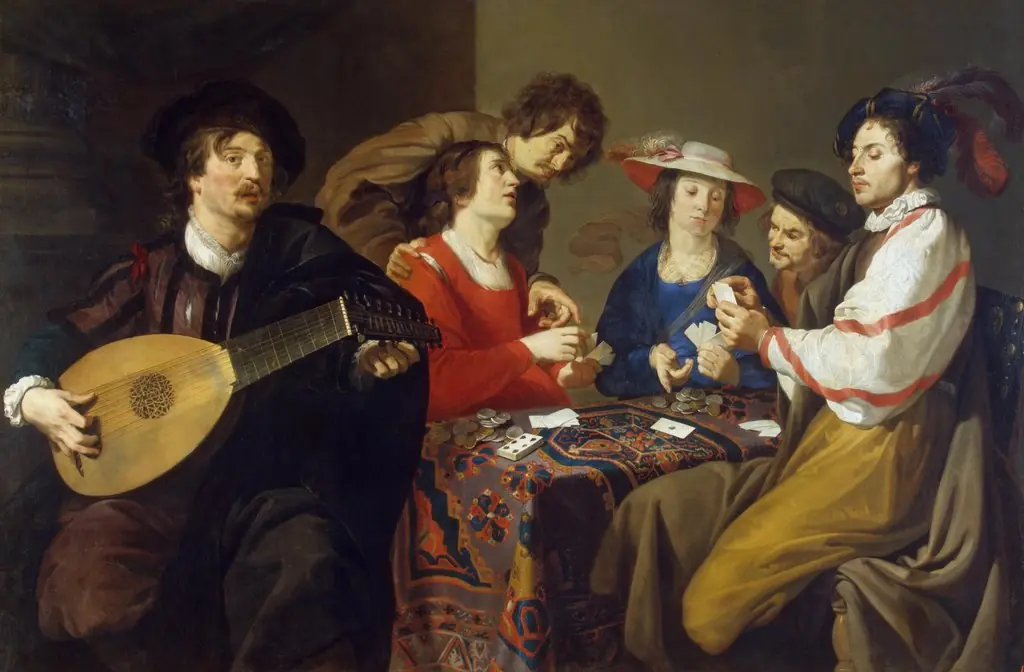
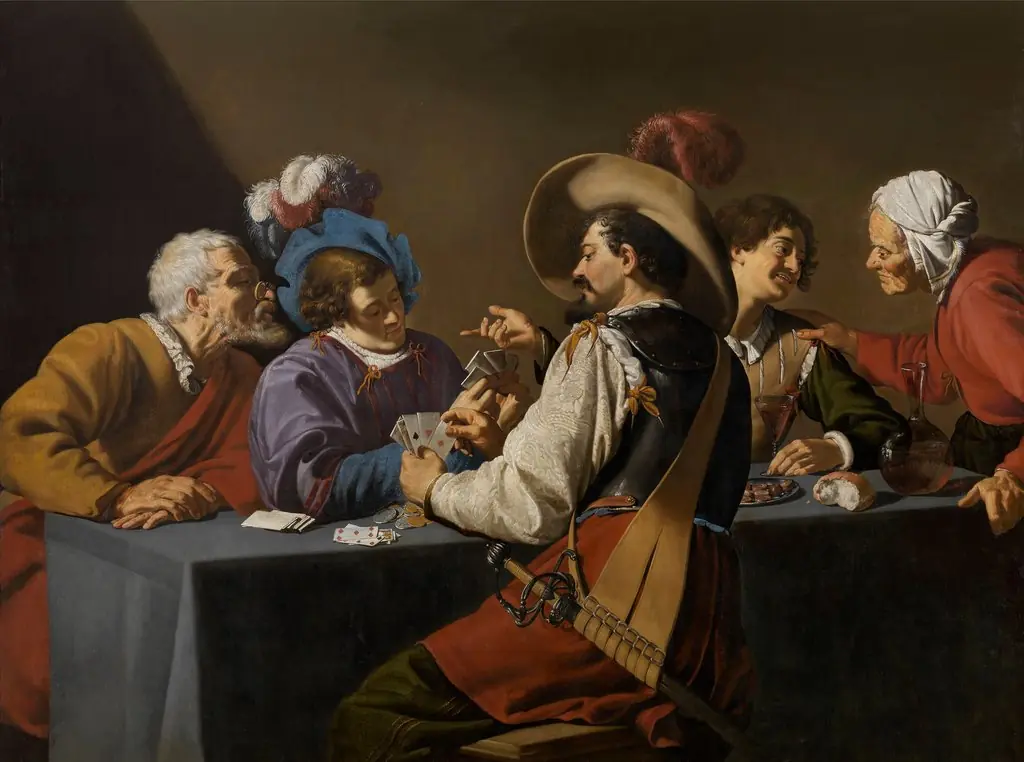
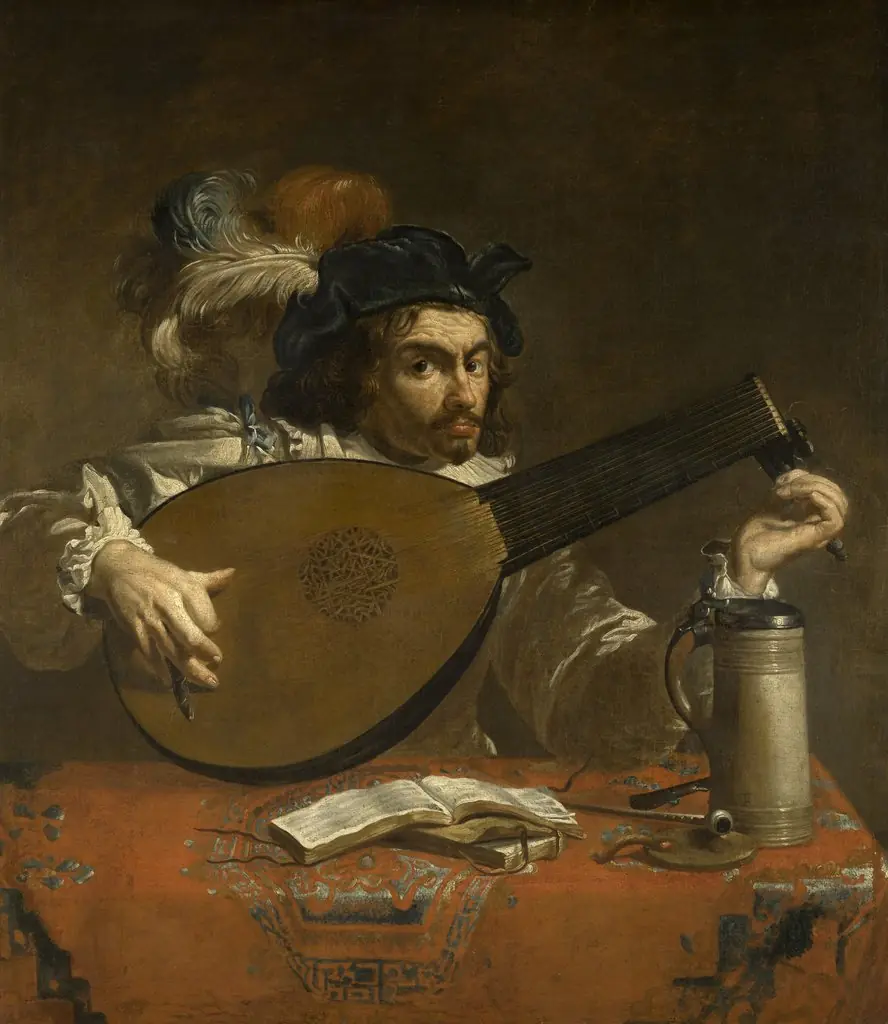
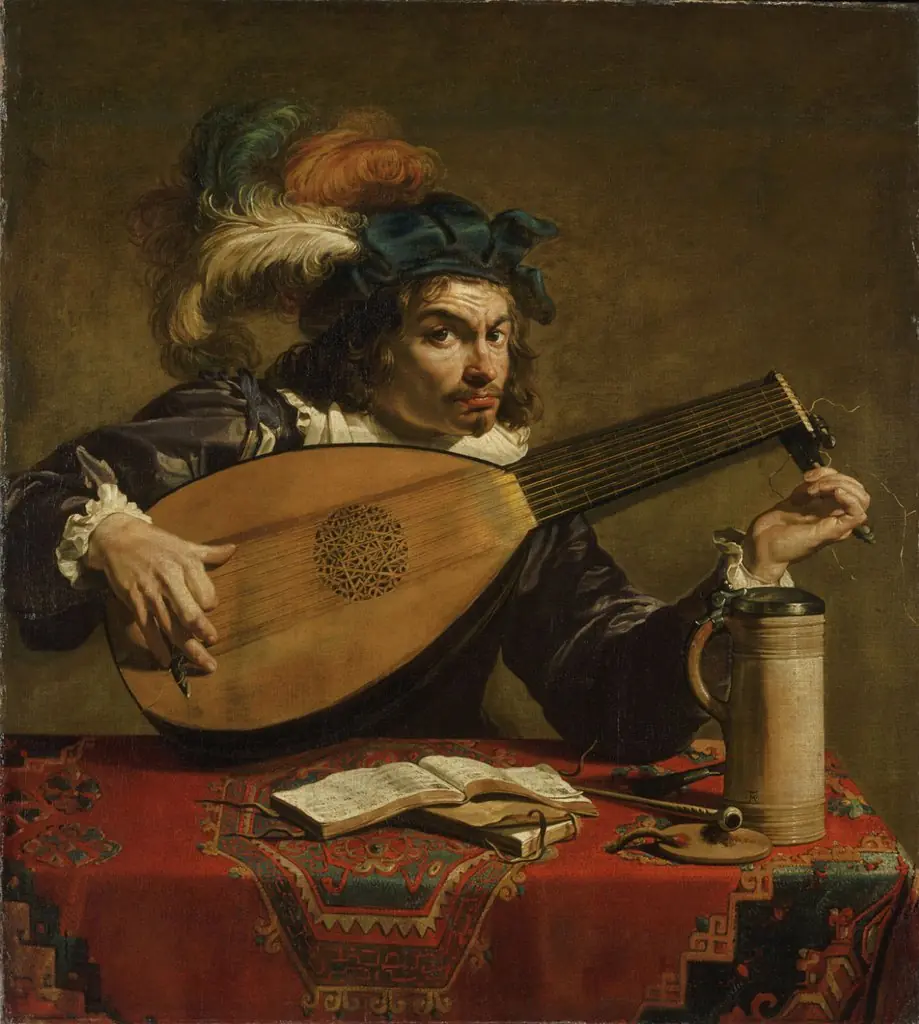
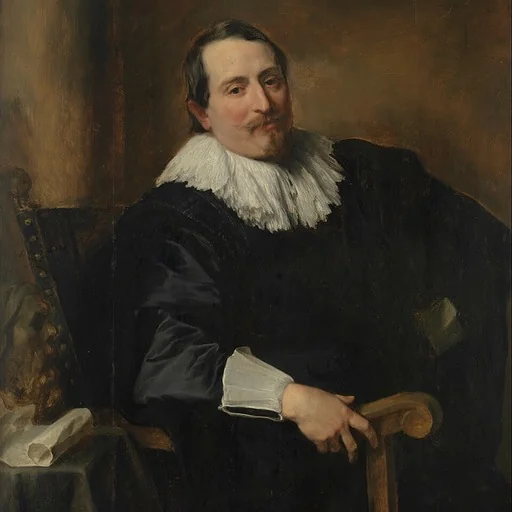
Theodoor Rombouts (2 July 1597 – 14 September 1637) was a Flemish painter who is mainly known for his Caravaggesque genre scenes depicting lively dramatic gatherings as well as religiously themed works.