Artwork
Title Page
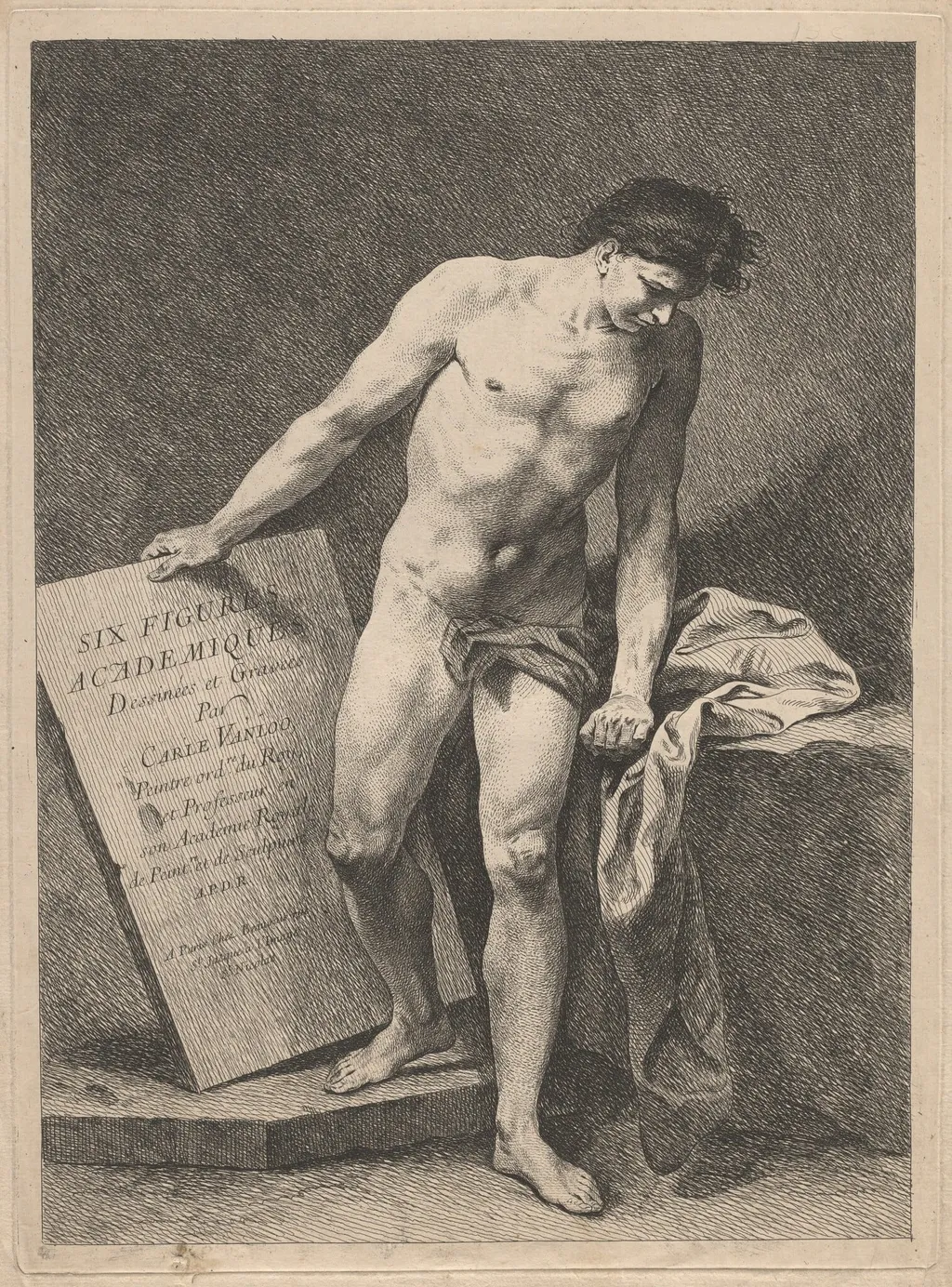
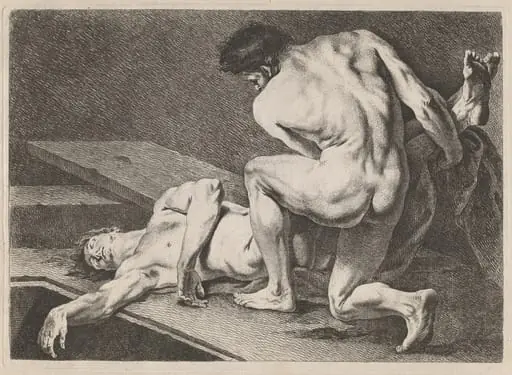
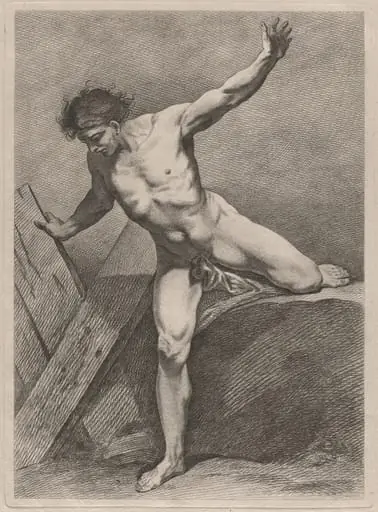
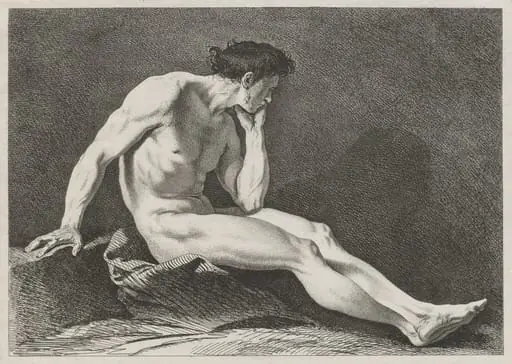
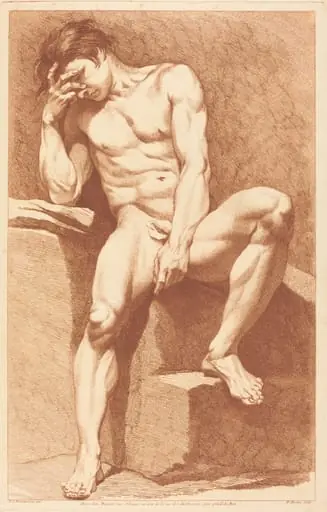
Title Page is an ink print by the Baroque artist Carle Van Loo. It dates from 1743 and is held in the collection of the National Gallery of Art.
About this work
Overview
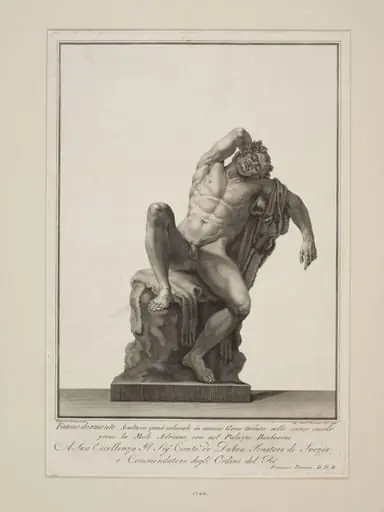
Carle Van Loo’s “Title Page” is an early‑mid‑18th‑century etching executed on laid paper, dated to around 1743. The image consists of a solitary, unfilled sheet framed by a modest border, its edges worn and tinged with faint ink seepage that suggests the passage of time. Though minimal in composition, the work invites contemplation of the page as a prelude to narrative or visual content.
Subject & Meaning
The empty interior of the sheet functions as a visual pause, comparable to a theatrical curtain awaiting its first act. By presenting a deliberately vacant space, Van Loo draws attention to the potential of the page itself, emphasizing the anticipation inherent in a title page that signals the beginning of a larger work.
Technique & Style
Created through the traditional copper‑plate etching process, the print exhibits the characteristic fine lines and subtle tonal variations of the medium. The laid paper’s texture, visible in the faint ribbing, contributes to the aged appearance, while the occasional ink bleed through the margins hints at the artist’s handling of ink and pressure during printing.
History & Provenance
The print originates from Van Loo’s French period, a time when he was primarily known for elaborate decorative paintings. “Title Page” stands apart as a modest graphic work, likely produced for personal or instructional purposes rather than commercial distribution, and has survived in collections that document the artist’s broader output.
Context
In the mid‑1700s, title pages served as formal introductions to books, manuscripts, and portfolios, often richly ornamented. Van Loo’s stripped‑down rendition reflects a counter‑trend toward simplicity, aligning with Enlightenment ideas that valued clarity and the primacy of the text or image that would follow.
Artist & collection