Artwork
H Beard Print Collection
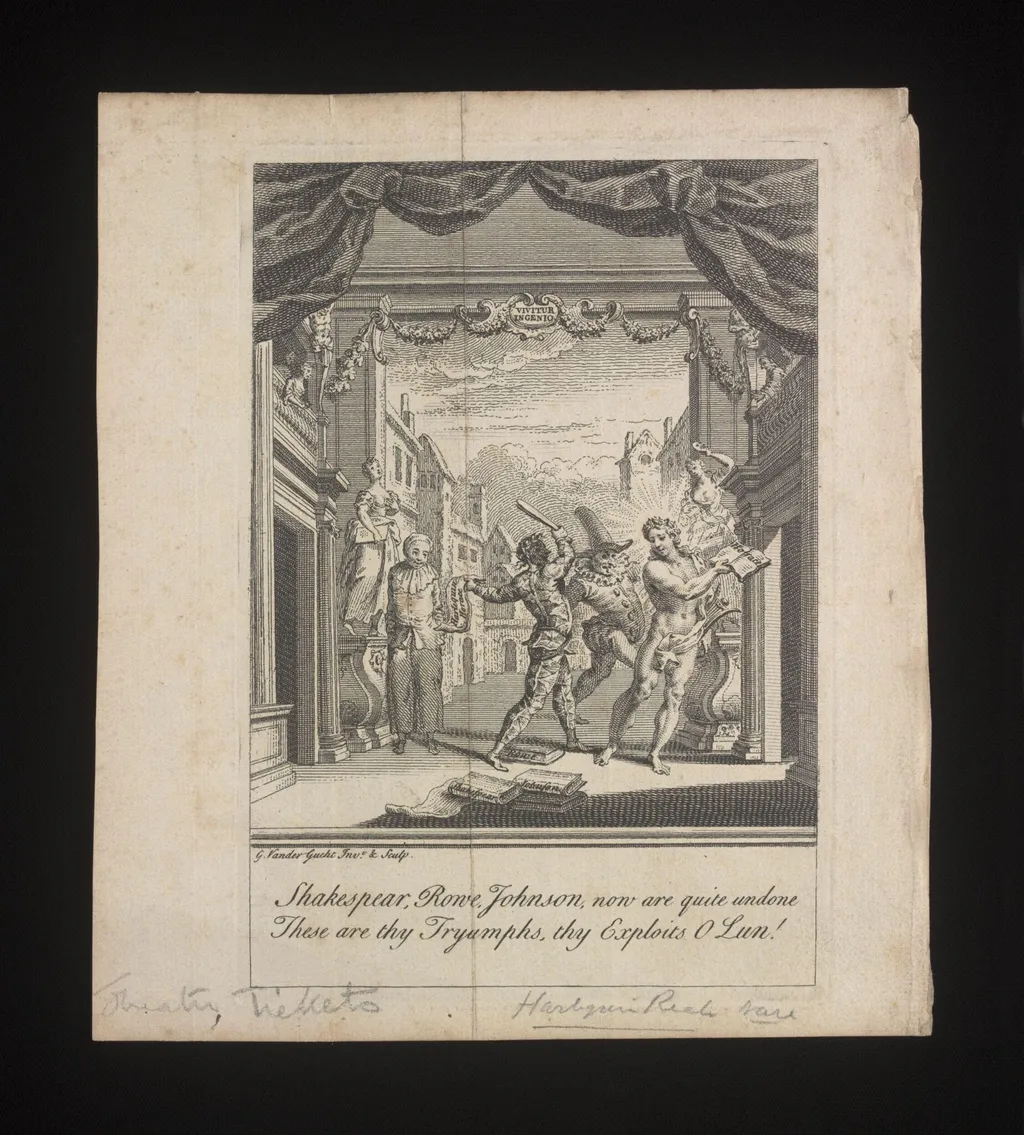
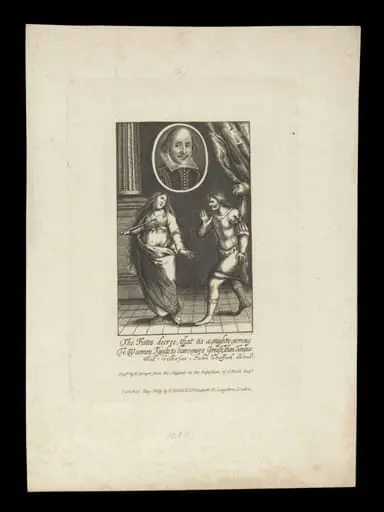
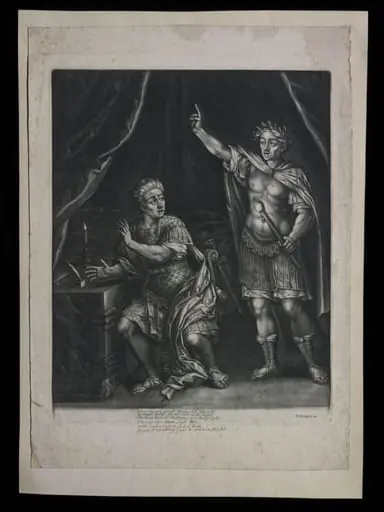
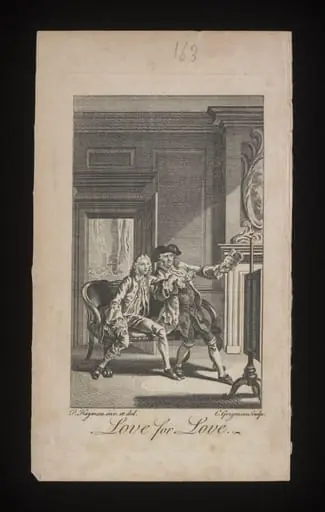
H Beard Print Collection is a print by the Baroque artist Gerard Vander Gucht. It dates from 1735 and is held in the collection of the Victoria and Albert Museum.
About this work
This print shows a stage moment from 1735. John Rich as Harlequin crushes the printed names of Shakespeare, Rowe and Jonson underfoot. It’s from the Beard Print Collection.
The line above the image jokes that those famous writers are now “quite undone” by Lun’s antics at Covent Garden.
Check out the Victoria and Albert Museum for more prints by Gerard Vander Gucht.
Overview
An accompanying inscription mocks the decline of literary prestige in favor of spectacle.
This 1765 print from the Harry Beard Collection depicts a theatrical scene from Covent Garden in 1735, capturing actor John Rich in his signature Harlequin role. The image satirizes the rising popularity of pantomime over traditional drama, showing Rich trampling the names of Shakespeare, Rowe, and Jonson beneath his feet. An accompanying inscription mocks the decline of literary prestige in favor of spectacle.
Subject & Meaning
The print portrays John Rich, known as 'Lun,' as Harlequin dominating the stage, symbolizing the cultural shift toward visual entertainment. By crushing the names of revered playwrights underfoot, it critiques the erosion of textual authority in theater. The inscription wryly declares these authors 'quite undone,' highlighting the public’s preference for physical comedy and spectacle over classical drama.
Technique & Style
Executed in fine line engraving by Gerard Vander Gucht, the print employs precise detail to render stage costumes and props. The composition is theatrical, with exaggerated gestures and clear spatial hierarchy to direct attention to Harlequin’s dominant position. Text and image are tightly integrated, reinforcing the satirical message through visual and verbal irony.
History & Provenance
Created in 1765, the print reflects retrospective commentary on Covent Garden’s 1735 pantomime boom. It originates from the Harry Beard Collection, a significant archive of British theatrical ephemera. Vander Gucht, known for his theatrical engravings, produced this as part of a broader trend documenting stage culture. The print survives as a record of shifting audience tastes and theatrical competition in 18th-century London.
Context
In the early 1700s, Covent Garden’s pantomimes, led by Rich, drew larger crowds than spoken drama. This print emerges amid growing tension between traditionalists who valued literary theater and proponents of visual spectacle. The satire targets not just Rich but the cultural priorities of the time, revealing anxieties about the commodification of performance and the marginalization of canonical writers.
Legacy
The print remains a key document in the study of 18th-century British theater, illustrating the clash between high and popular culture. It is frequently cited in scholarship on the evolution of stage entertainment and the role of satire in public discourse. Held by institutions such as the Victoria and Albert Museum, it continues to inform understanding of how performance genres competed for public attention.
Artist & collection
Artist
Gerard Vander Gucht made prints in the mid-1700s, turning paintings and events into detailed engravings meant for wide audiences.

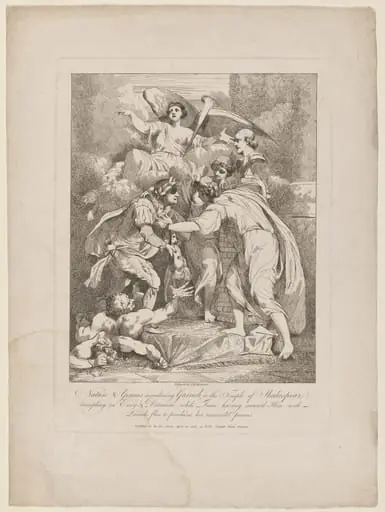 Nature and Genius Introducing Garrick to the Temple of Shakespeare
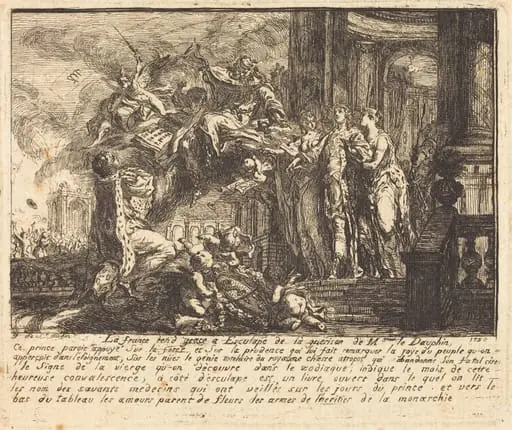 Allegory of the Dauphin's Convalescence (Allegorie sur la convalescence du Dauphin)
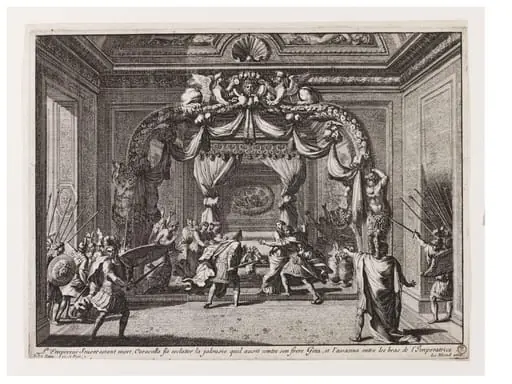 The Emperor Caracalla killing his brother
 H Beard Print Collection
 H Beard Print Collection
 Lyar
Lyar H Beard Print Collection
 H Beard Print Collection
 The Martyrdom of the Apostles: St. Thomas
 The Mysteries of the Passion: Christ Crowned with Thorns
 A un peuple libre
 Love for Love