Artwork
A un peuple libre
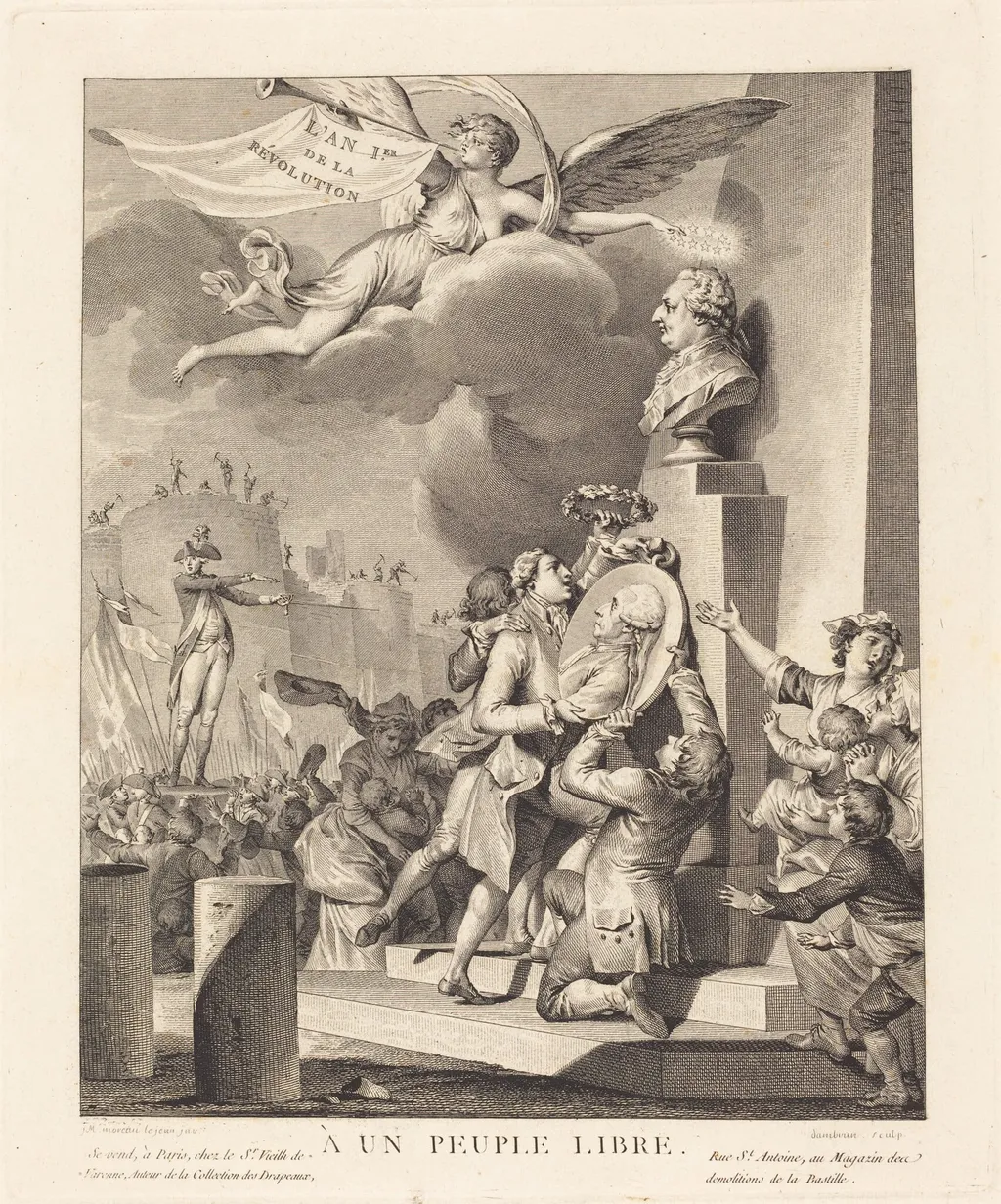
A un peuple libre is an ink print by the Romanticist artist Jean Dambrun. It dates from 1790 and is held in the collection of the National Gallery of Art.
About this work
Overview
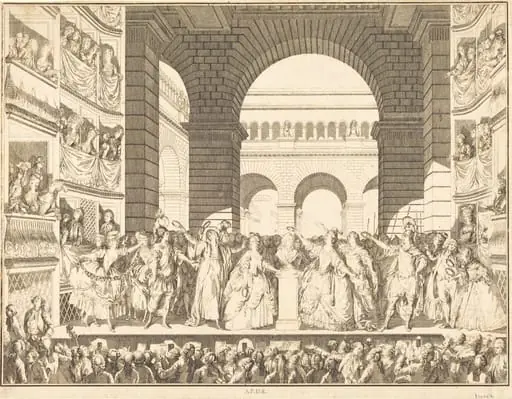
Jean Dambrun’s 1790 print *A un peuple libre* is an engraving and etching executed on laid paper. The work measures roughly a typical sheet size for the period and presents a dynamic composition that captures a moment of collective action. Its title, rendered in French, translates to “To a free people,” framing the scene within the revolutionary discourse of the late eighteenth century.
Subject & Meaning
The tableau conveys the fervor and upheaval associated with the French Revolution, emphasizing both triumph and the destruction of old symbols.
The central focus is a massive winged figure, commonly interpreted as an embodiment of Liberty, clutching a banner that bears the inscription “An I of the Revolution.” Below, a crowd reaches upward, while a man topples the head of a statue, an act observed with mixed reactions from surrounding figures. The tableau conveys the fervor and upheaval associated with the French Revolution, emphasizing both triumph and the destruction of old symbols.
Technique & Style
Dambrun combined engraving’s precise line work with the freer, tonal qualities of etching, allowing for both sharp detail and atmospheric shading. The use of laid paper, with its visible ribbed texture, contributes to the print’s tactile quality. The composition employs dramatic diagonal lines and a crowded foreground to heighten tension, while the winged figure’s smooth contours contrast with the rougher, gestural marks of the surrounding crowd.
History & Provenance
Created in the early revolutionary period, the print was likely circulated as a political illustration, reflecting contemporary propaganda efforts. While specific ownership records are scarce, the work appears in several nineteenth‑century collections of revolutionary prints and has been referenced in catalogues of French graphic art from the era.
Context
The image aligns with a broader visual culture that celebrated Liberty as a winged allegory, a motif popularized by earlier revolutionary symbols such as the Phrygian cap. The act of decapitating a statue mirrors real incidents during the Revolution when monuments of the ancien régime were destroyed, reinforcing the print’s role as a commentary on the radical redefinition of public space.
Legacy
*A un peuple libre* remains a representative example of revolutionary graphic art, illustrating how printmaking served as a vehicle for political messaging. Its blend of allegorical imagery and explicit revolutionary action continues to inform scholarly understandings of visual propaganda during the French Revolution.
Artist & collection


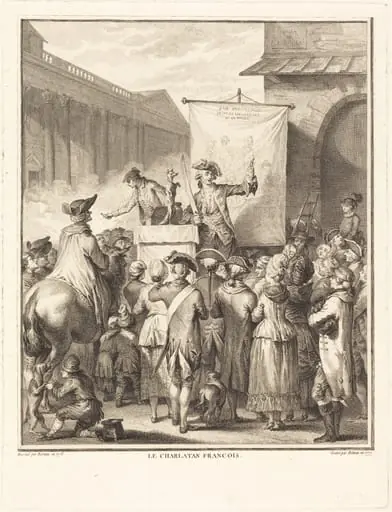 Le charlatan français
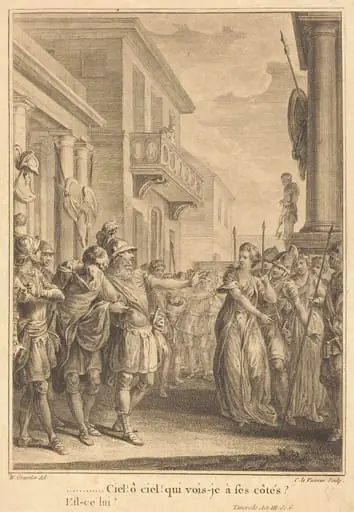 Ciel! ô ciel! qui vois-je à ses côtés?
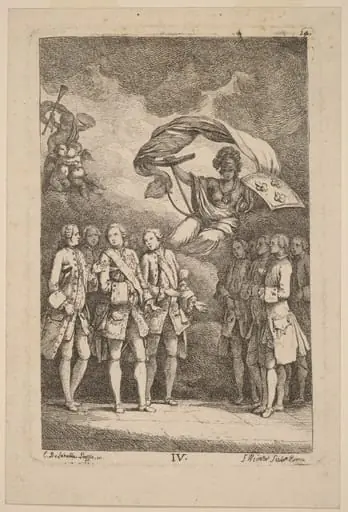 Nella Venuta in Roma: pl. 4
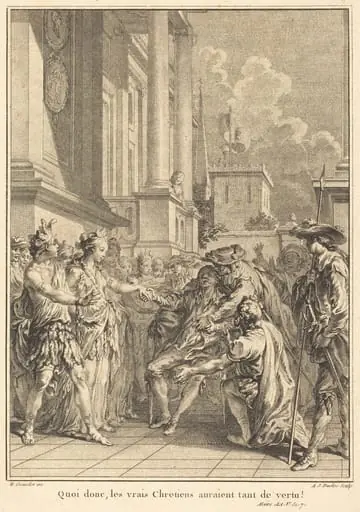 Quoi donc, les vrais Chretiens auraient tant de vertu!
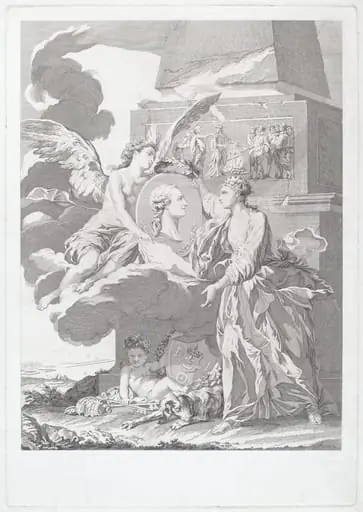 Allegorical Portrait of Pierre Buirette de Belloy
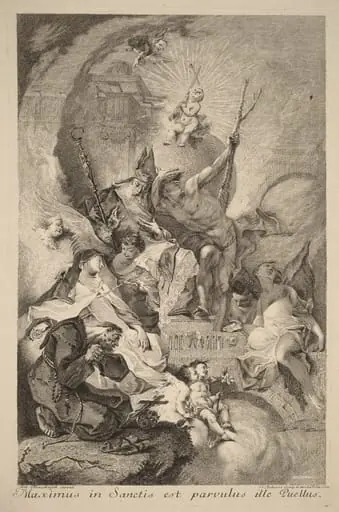 Four Saints
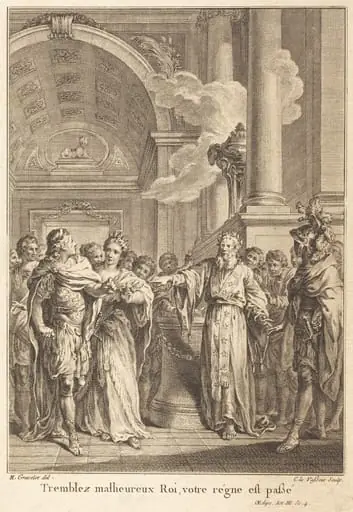 Tremblez malheureux Roi, votre régne est passé
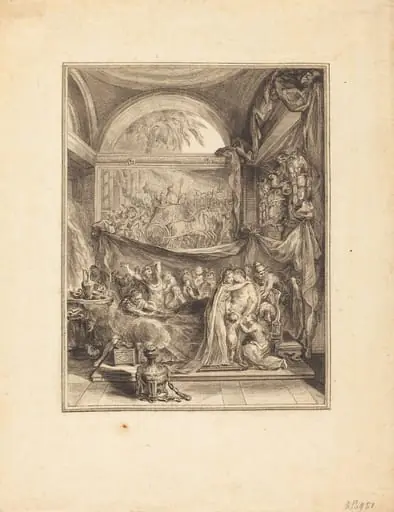 La mort de Germanicus
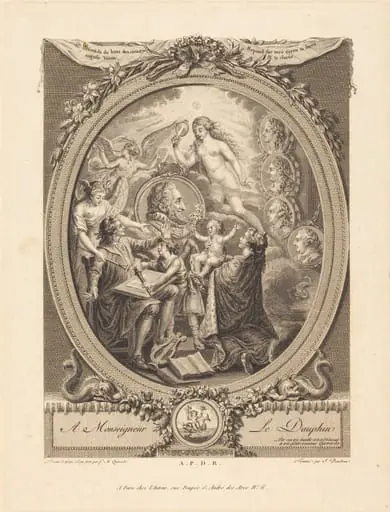 Allegory in Honor of Henri IV
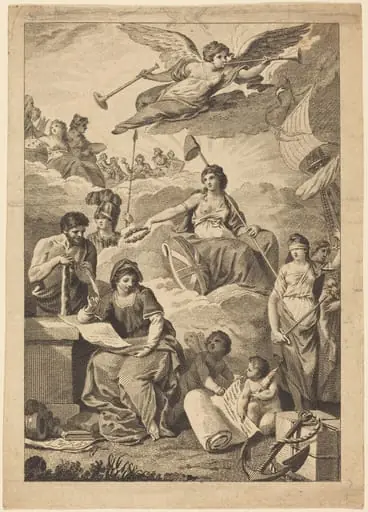 Britannia Crowning History
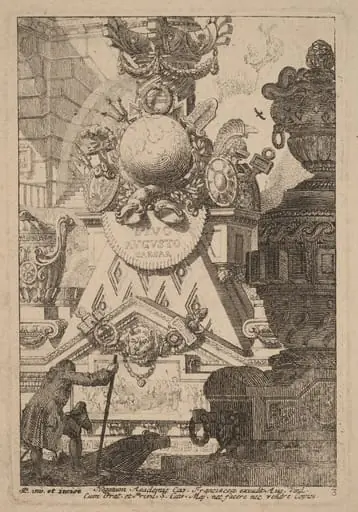 Fantasy of an Antique Trophy to Augustus
 Couronnement de Voltaire (The Crowning of Voltaire)