Artwork
Portrait of a Man
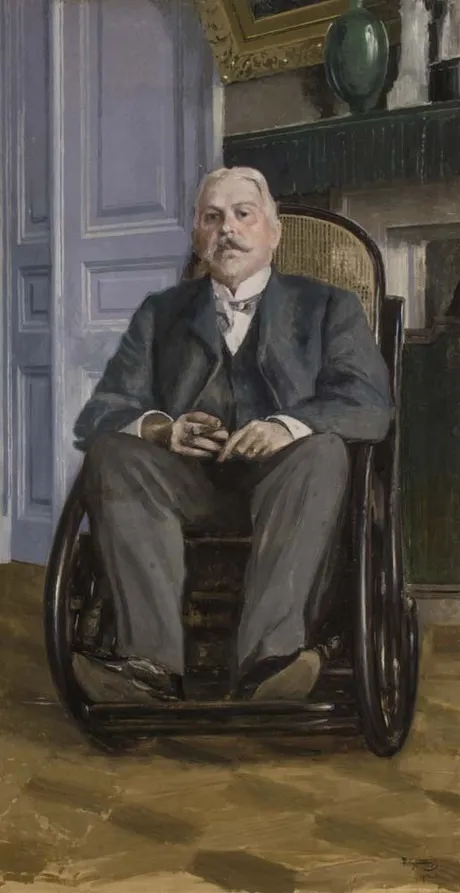
Portrait of a Man is an unspecified painting by the Post-Impressionist artist Vardges Sureniants. It dates from 1902 and is held in the collection of the National Gallery of Armenia.
About this work
Overview
The work is held in the National Gallery of Armenia and exemplifies Sureniants’ engagement with post-impressionist approaches to form and light.
Painted in 1902 by Vardges Sureniants, this oil on canvas portrait depicts a middle-aged man seated in a domestic interior. The work is held in the National Gallery of Armenia and exemplifies Sureniants’ engagement with post-impressionist approaches to form and light. Though not a formal commission, the painting reflects his interest in psychological presence over theatricality, aligning with broader trends in late imperial Russian and Armenian portraiture.
Subject & Meaning
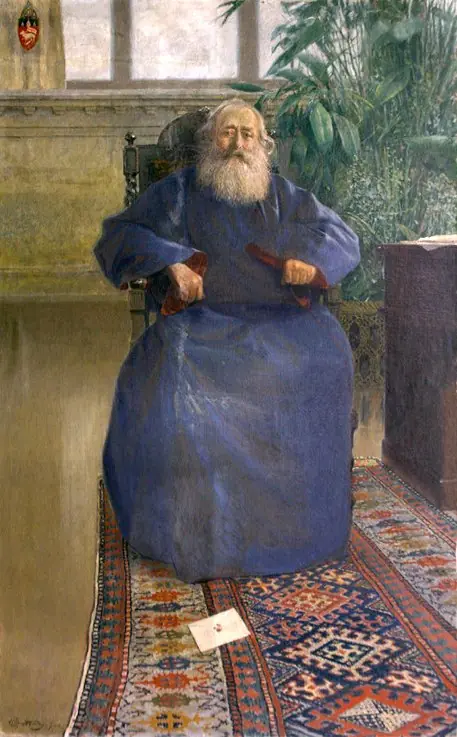
The subject, dressed in a dark suit with a white shirt and bow tie, sits calmly in a rocking chair, hands folded in his lap. His direct gaze and still posture suggest introspection rather than performance. The quiet setting—a room with a fireplace, a vase, and an open doorway—frames him as a private figure, not a public persona. The absence of symbolic objects or narrative cues invites focus on the man’s demeanor, emphasizing quiet dignity over status.
Technique & Style
Sureniants employed muted tones and controlled chiaroscuro to model the figure with subtle volume, avoiding the vibrancy of high impressionism. The dark suit contrasts with the lighter walls and fireplace, anchoring the composition. Brushwork is deliberate but not overly textured, favoring smooth transitions in skin and fabric. The background is rendered with loose, suggestive strokes, allowing the figure to emerge with quiet authority through tonal contrast rather than detail.
History & Provenance
Created in 1902, the portrait entered the collection of the National Gallery of Armenia, where it remains today. While no record of its original owner exists, its preservation suggests early institutional recognition of Sureniants’ work. The painting was likely produced during a period when the artist was active in Yerevan and Moscow, engaging with both Armenian cultural revival and Russian academic traditions.
Context
Sureniants operated within a network of Armenian and Russian artists, including Martiros Saryan and Ilya Repin, who shared an interest in national identity and psychological realism. While his historical paintings drew more attention, this portrait reflects a quieter facet of his practice: the observation of individual character within everyday settings. It aligns with broader late-19th-century shifts toward intimate, non-heroic portraiture in Eastern Europe.
Legacy
Though less known than his large-scale historical works, this portrait endures as a refined example of Sureniants’ ability to convey inner life through restraint. It contributes to the understanding of Armenian art beyond national mythmaking, revealing a sensitivity to individual presence that resonates with early modernist tendencies in the region. Its inclusion in the national collection affirms its role in shaping Armenia’s visual heritage.
Artist & collection
Artist
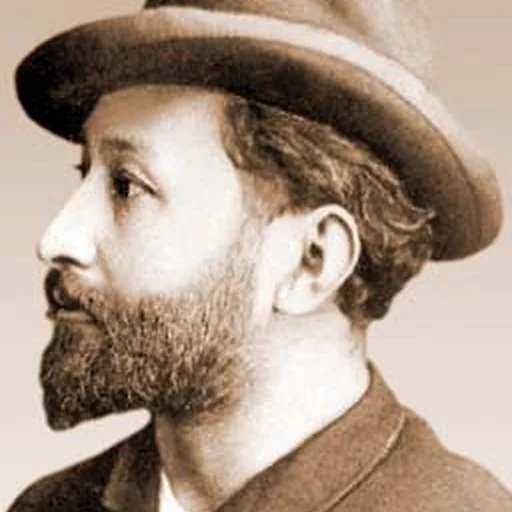
Vardges Sureniants (Armenian: Վարդգես Սուրենյանց; 27 February 1860 – 6 April 1921) was an Armenian painter, sculptor, illustrator, translator, art critic, and theater artist.

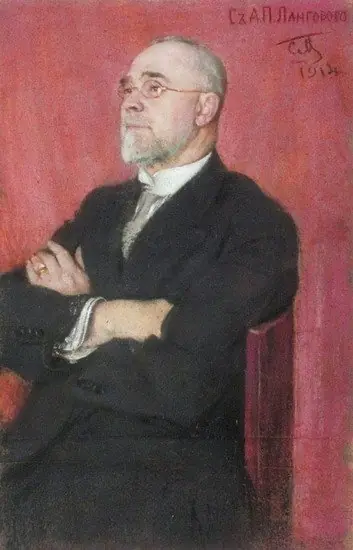 Alexey Langovoy
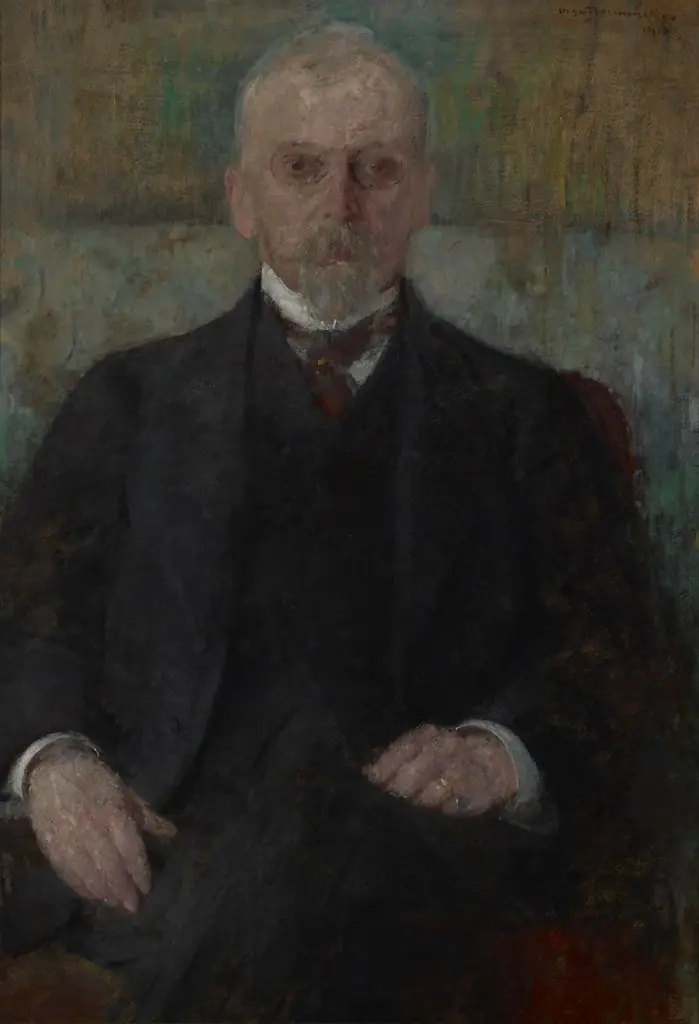 Portrait of Henryk Sienkiewicz
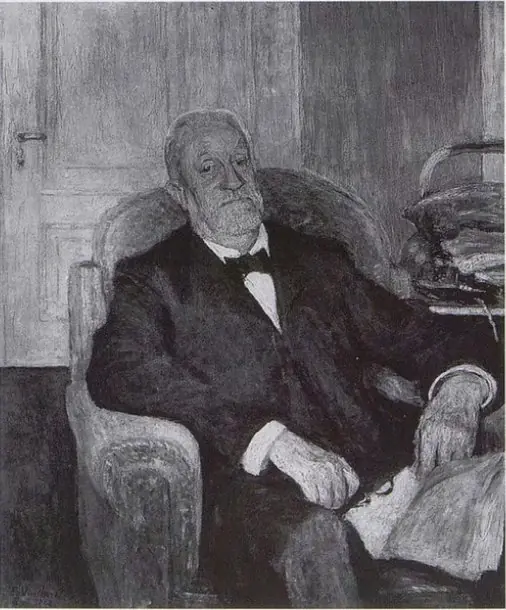 Portrait du sénateur Heinrich Roscher, assis
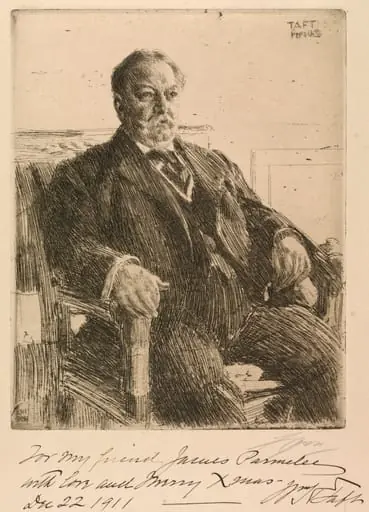 President William Howard Taft
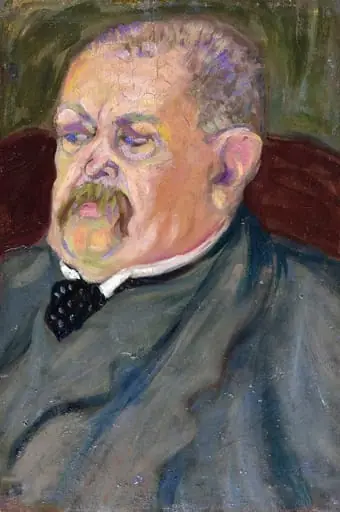 Portret de bărbat/ Scenă cu personaje (verso)
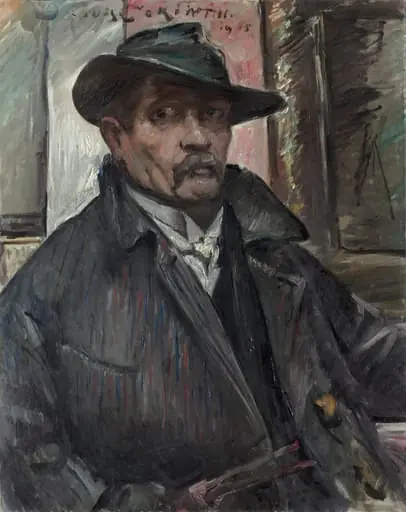 Self-Portrait with Hat and Coat
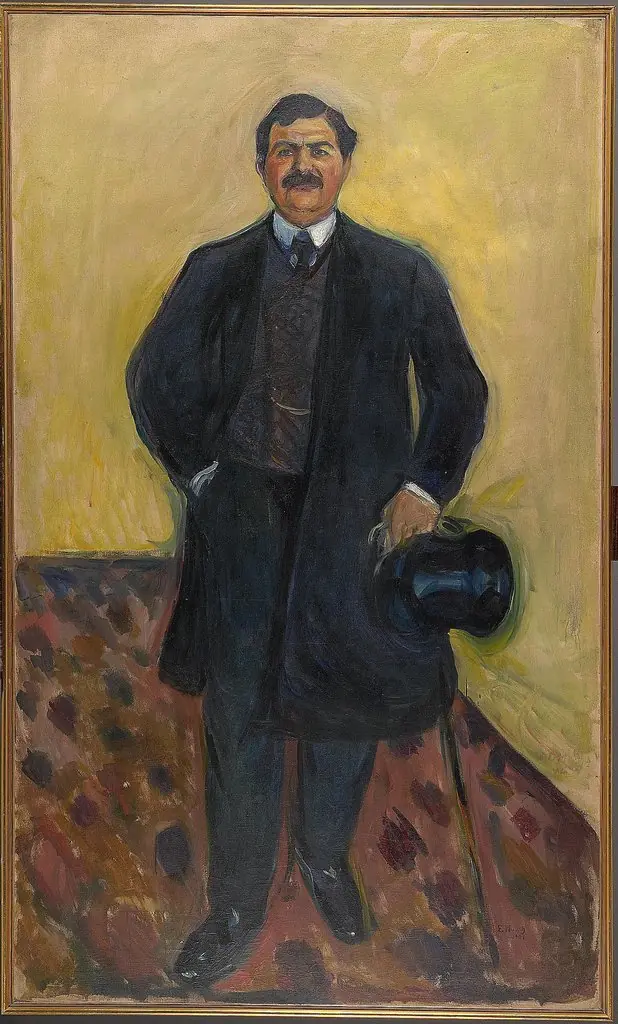 Hermann Schlittgen
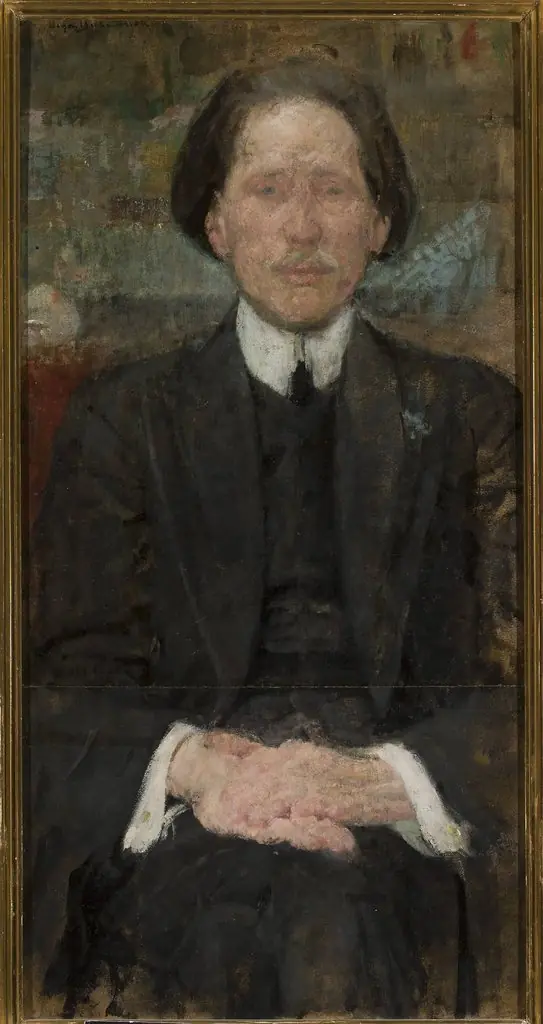 Portrait of a young man in black
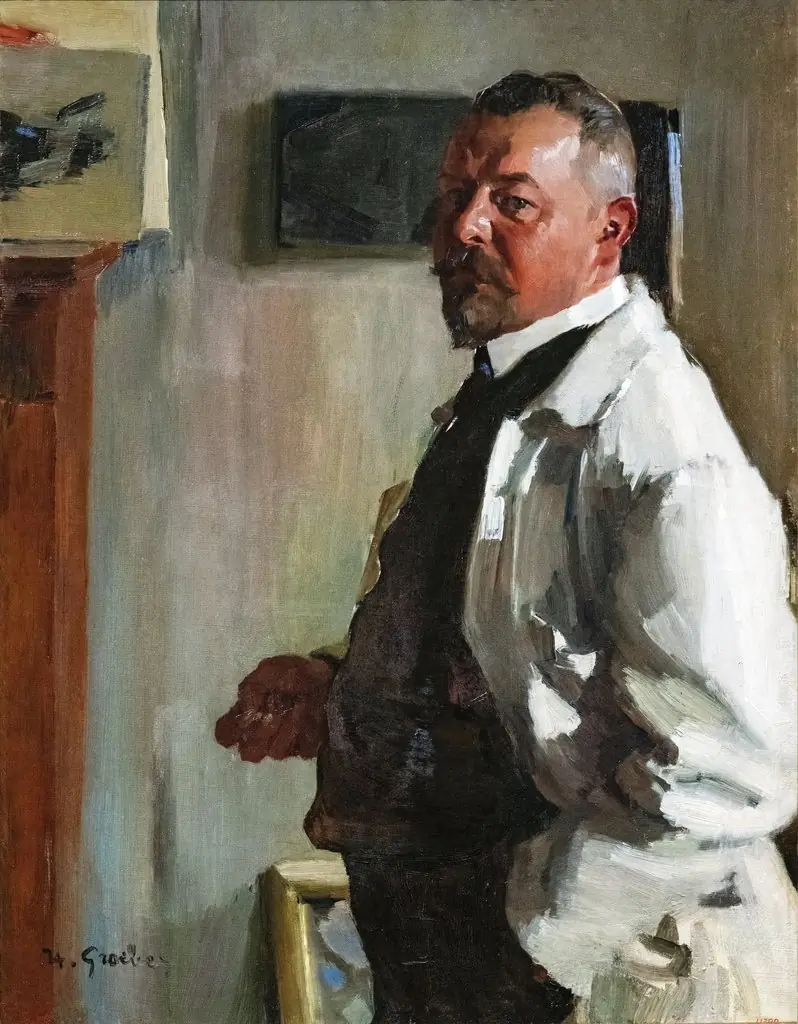 Retrat de l'escultor Beer (1846-1912)
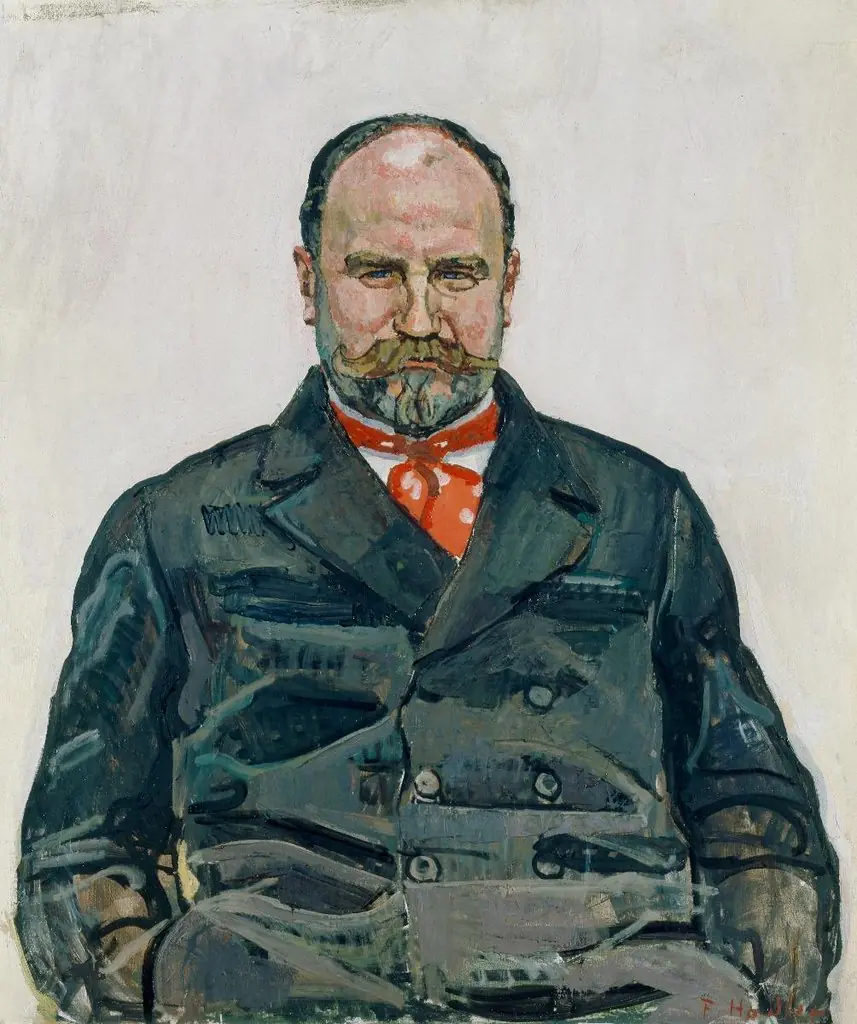 Bildnis Frederik Robert Martin
 Portrait of Bogdan Faleński – two-sided painting
 Portrait d'Albert Wolff