Artwork
The old man's portrait
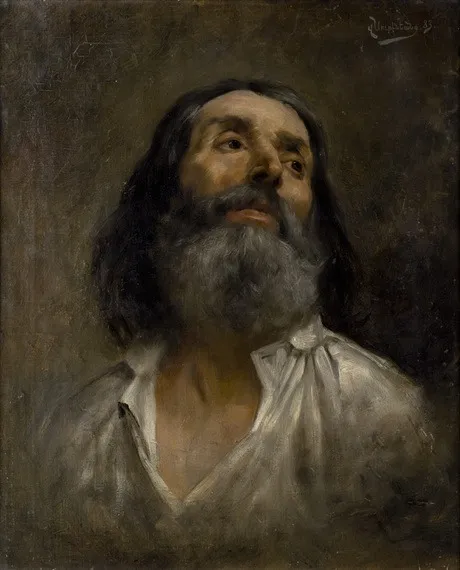
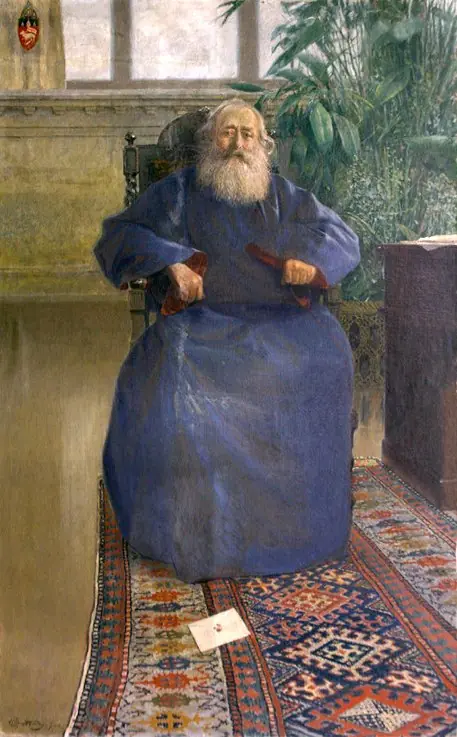
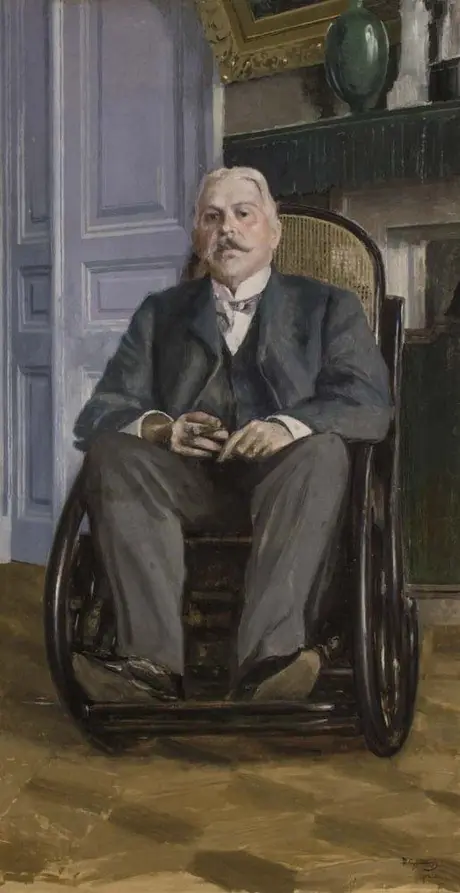
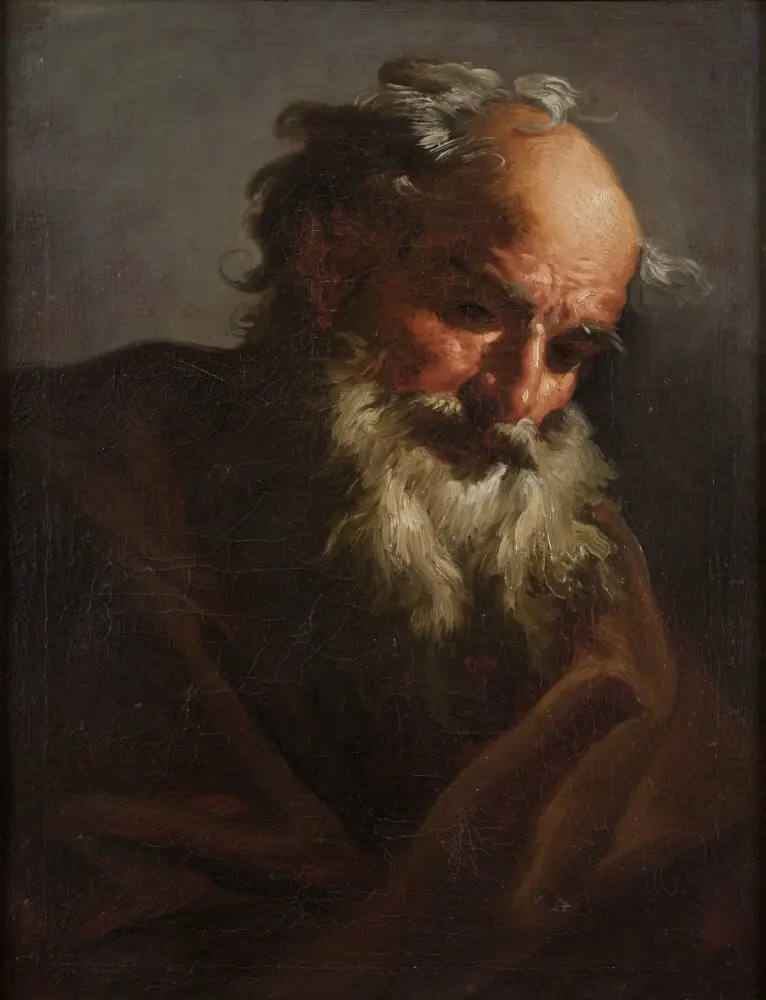
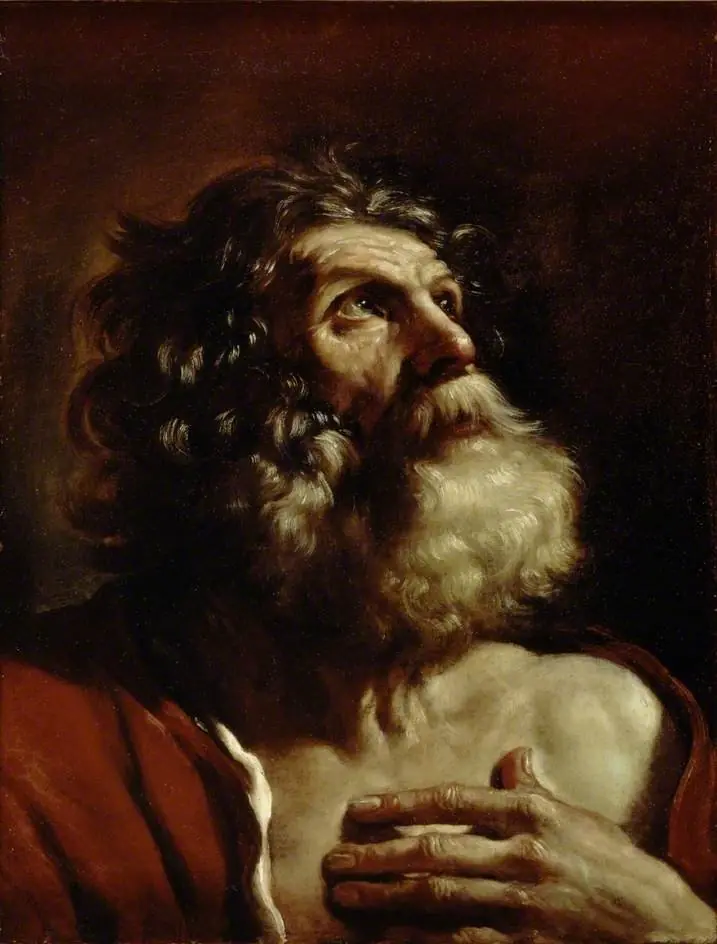
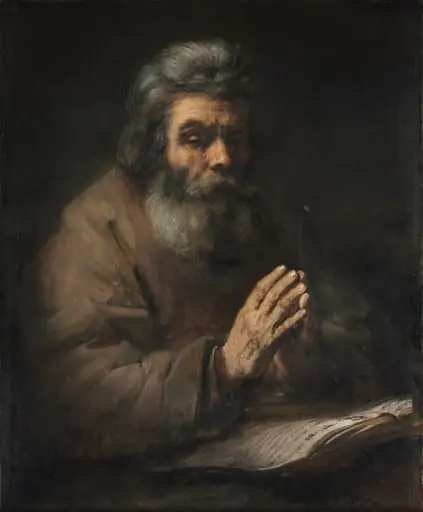
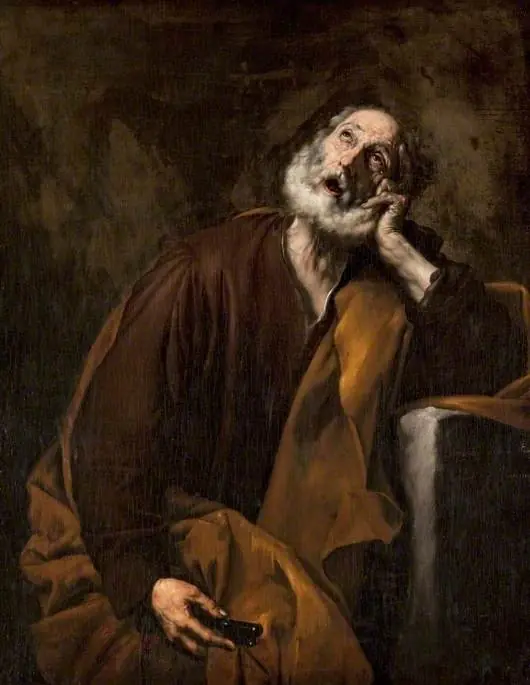
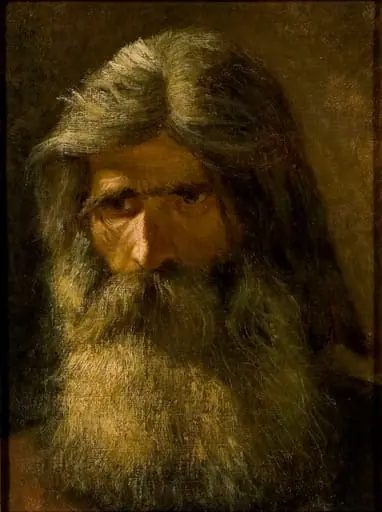
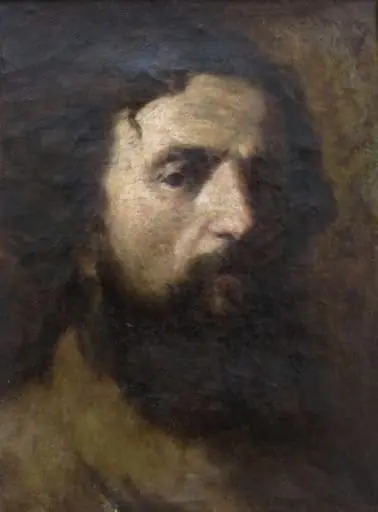
The old man's portrait is an unspecified painting by the Post-Impressionist artist Vardges Sureniants. It dates from 1892 and is held in the collection of the National Gallery of Armenia.
About this work
Overview
Sureniants, primarily recognized for historical and narrative works, turned here to a solitary figure, emphasizing psychological presence over storytelling.
Painted in 1892 by Vardges Sureniants, this oil on canvas portrait captures an elderly Armenian man in quiet introspection. Sureniants, primarily recognized for historical and narrative works, turned here to a solitary figure, emphasizing psychological presence over storytelling. The painting resides in the National Gallery of Armenia, reflecting its significance within the national art canon despite the artist’s limited public exhibitions during his lifetime.
Subject & Meaning
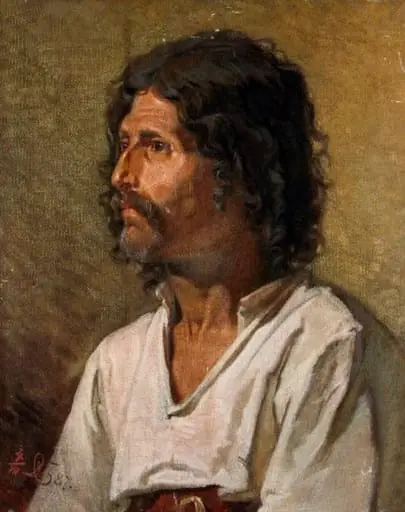
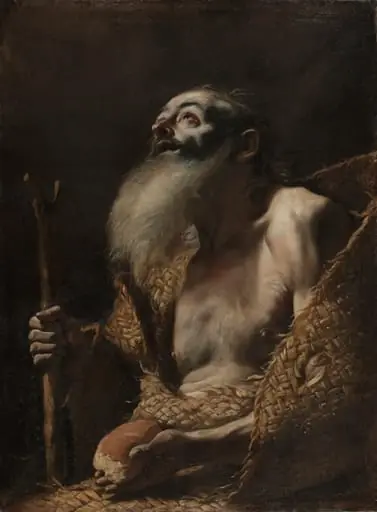
The subject is an aging man with a long, dark beard and upward gaze, his expression neither sorrowful nor joyful but deeply reflective. His simple white shirt with a high collar suggests modesty and dignity, common in rural Armenian attire of the period. The upward look may imply spiritual contemplation or memory, aligning with Sureniants’ broader interest in inner life and cultural identity, though no specific narrative is attached to the figure.
Technique & Style
Sureniants employed chiaroscuro to model the face and torso with subtle gradations of light and shadow, lending volume and realism without theatricality. The background remains dark and unobtrusive, focusing attention on the figure’s form. Brushwork is controlled yet expressive, avoiding the loose strokes of Impressionism in favor of structured, tonal modeling. This approach reflects a post-Impressionist sensitivity to form and mood rather than surface color.
History & Provenance
Created in 1892, the portrait entered the collection of the National Gallery of Armenia, where it has remained since. Sureniants, though respected by peers like Martiros Saryan and Ilya Repin, exhibited sparingly during his life, making this work a rare surviving example of his non-historical portraiture. Its preservation suggests early recognition of its artistic merit within Armenian cultural institutions.
Context
In late 19th-century Armenia, artists were increasingly turning to indigenous subjects as part of a broader cultural revival. Sureniants, though known for epic historical scenes, occasionally focused on individual portraits to convey the dignity of ordinary people. This work fits within a regional trend of humanizing national identity through intimate, unidealized depictions rather than grand narratives.
Legacy
Though not widely reproduced or studied internationally, the portrait endures as a quiet testament to Sureniants’ ability to convey depth beyond historical themes. It contributes to the understanding of Armenian art’s evolution from academic traditions toward psychological realism. Its presence in the national collection affirms its role as a foundational work in the development of Armenian portraiture.
Artist & collection
Artist
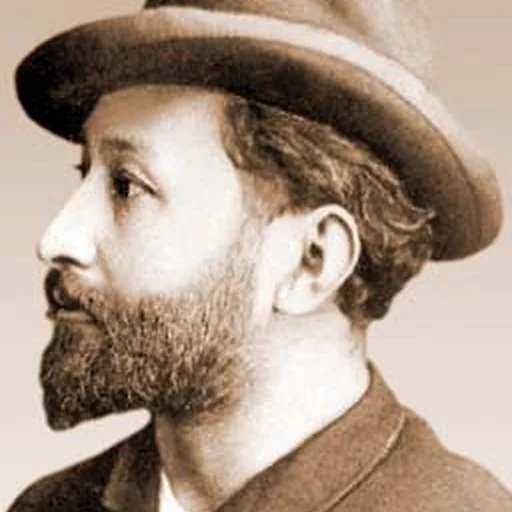
Vardges Sureniants (Armenian: Վարդգես Սուրենյանց; 27 February 1860 – 6 April 1921) was an Armenian painter, sculptor, illustrator, translator, art critic, and theater artist.