Artwork
Mountain Stream
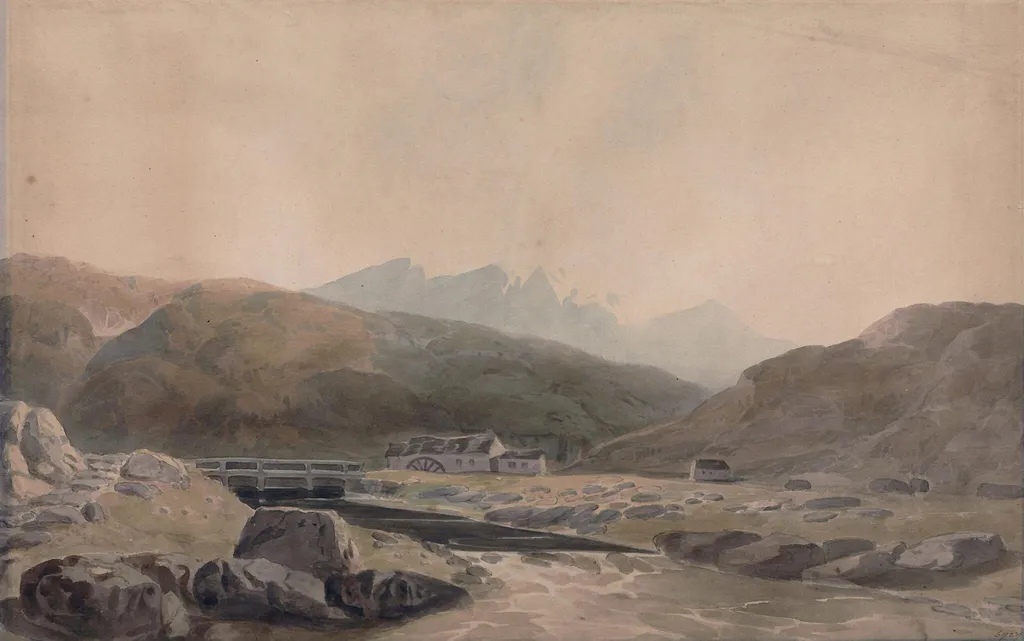
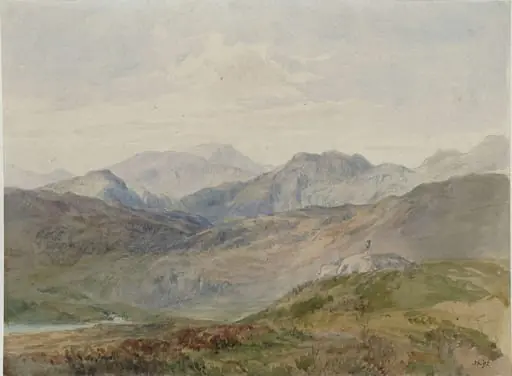
Mountain Stream is a watercolor work on paper by the British Romanticist artist William Fleetwood Varley. It dates from 1804 and is held in the collection of the Victoria and Albert Museum.
About this work
Overview
This watercolour by William Fleetwood Varley presents a tranquil Welsh valley scene, rendered in delicate washes of transparent pigment.
This watercolour by William Fleetwood Varley presents a tranquil Welsh valley scene, rendered in delicate washes of transparent pigment. The composition centers on a narrow stream winding through rocky terrain, crossed by a modest wooden bridge. Distant hills recede into muted tones, creating a sense of quiet depth. The work exemplifies the artist’s preference for subtle atmospheric effects over dramatic detail.
Subject & Meaning
The scene depicts a rural Welsh landscape, likely inspired by the artist’s travels in the region. A small cluster of buildings—possibly a farmhouse or mill—suggests quiet human presence amid nature. The absence of figures and the soft focus on distant peaks convey solitude and stillness, reflecting a 19th-century ideal of nature as a refuge from industrial life.
Technique & Style
Varley employed thin, layered watercolour washes to achieve a luminous, ethereal quality. The smooth transitions between hues—pale blues, greys, and greens—mimic the way light diffuses in misty mountain air. Highlights on rocks and water are suggested by reserved paper rather than opaque pigment, enhancing the sense of natural illumination and calm.
History & Provenance
The painting is documented in the Victoria and Albert Museum’s collection as a Welsh landscape by Varley, though its exact date and acquisition history remain unrecorded. It likely entered the museum through a donation or bequest in the early 20th century, consistent with the institution’s interest in British watercolour traditions of the period.
Context
Varley worked during a time when British watercolour painting was gaining recognition as a serious artistic medium, distinct from mere sketching. His approach aligns with the Romantic tradition of capturing nature’s serenity, influenced by contemporaries like Turner and Cotman, though his style remains more restrained and intimate.
Legacy
Though not widely exhibited today, Varley’s watercolours contribute to the broader understanding of regional British landscape art in the late 19th and early 20th centuries. His quiet, observational style offers a counterpoint to more dramatic Romantic landscapes, preserving a nuanced vision of rural Wales that remains valued in institutional collections.
Artist & collection
Artist
English watercolor painter William Fleetwood Varley worked in the early 1800s, filling sheets with rivers, bridges, and distant hills in muted greens and blues.

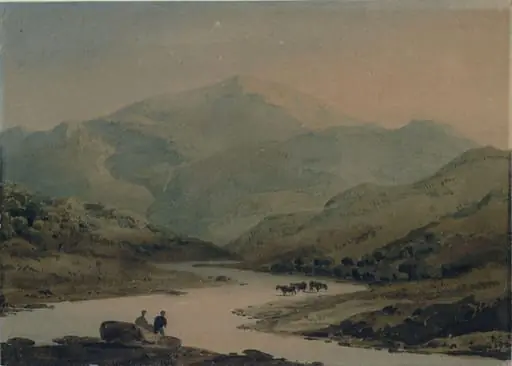 River scene: cattle in shallows
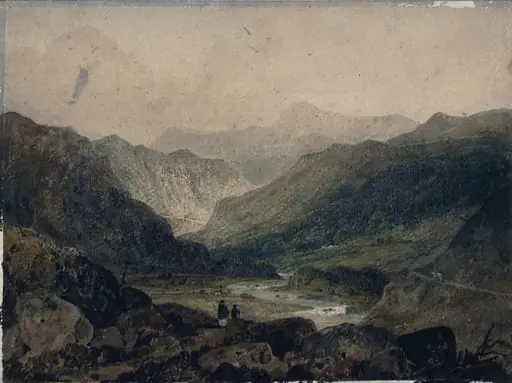 Distant View of Snowdon
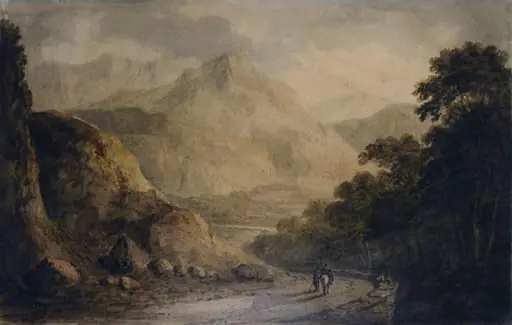 Road leading to Pont Aberglaslyn: View looking into the Vale of Festiniog, North Wales
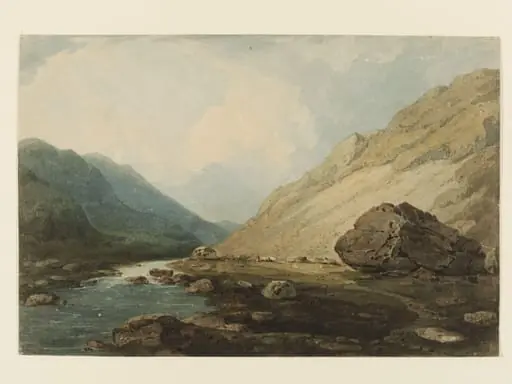 View in the Pass of Llanberis, Wales
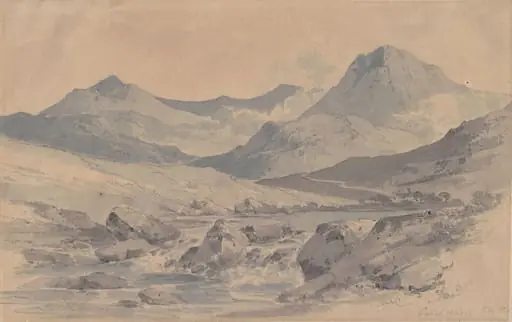 Capel Curig
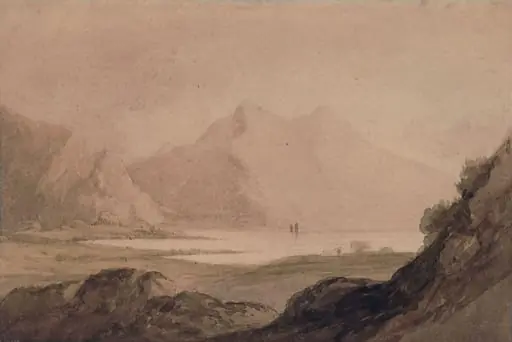 Snowdon with Llanberis Lake
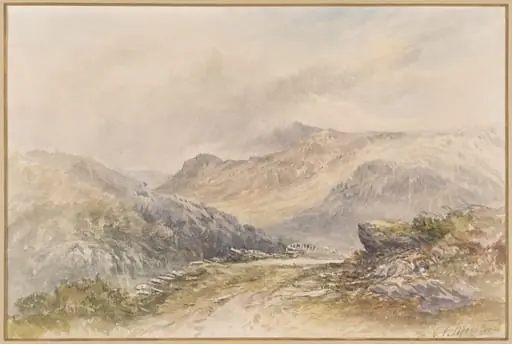 View on the Conway
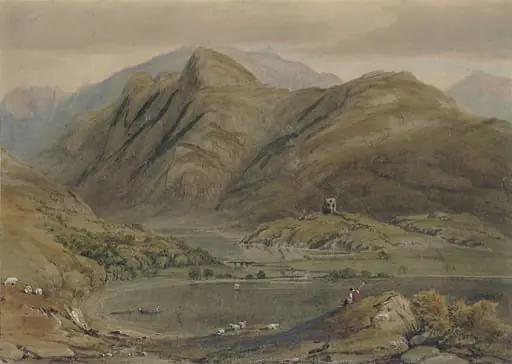 Llanberis, North Wales
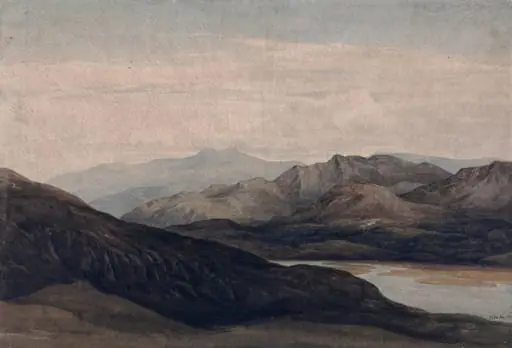 On the river Mawddach, Merionethshire, with Cader Idris in the distance
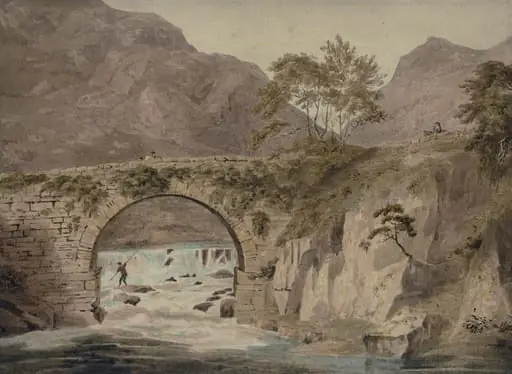 Pont Aberglaslyn
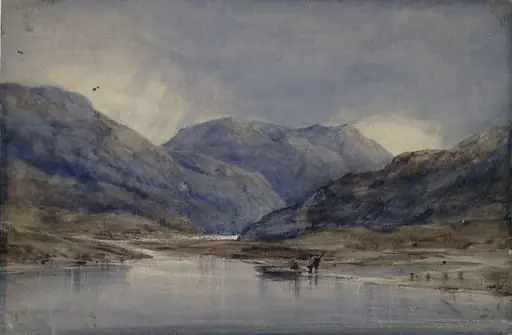 Lake scene, Cumberland
 Llanrhychwyn, near Trefriw, North Wales