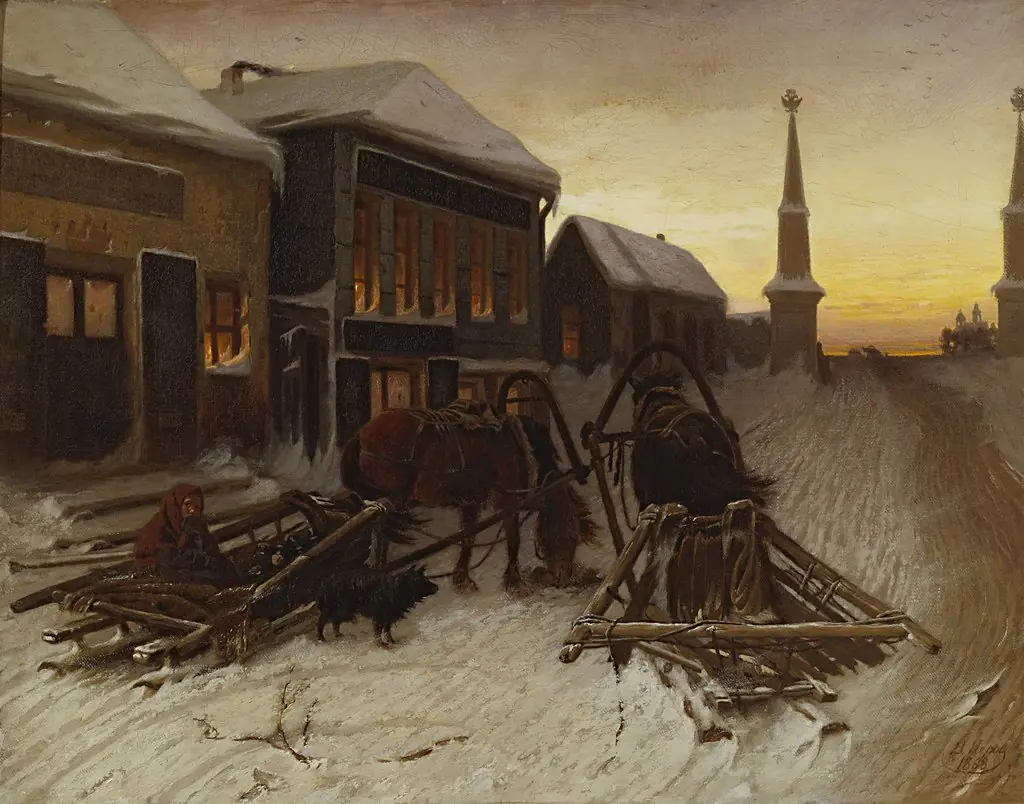
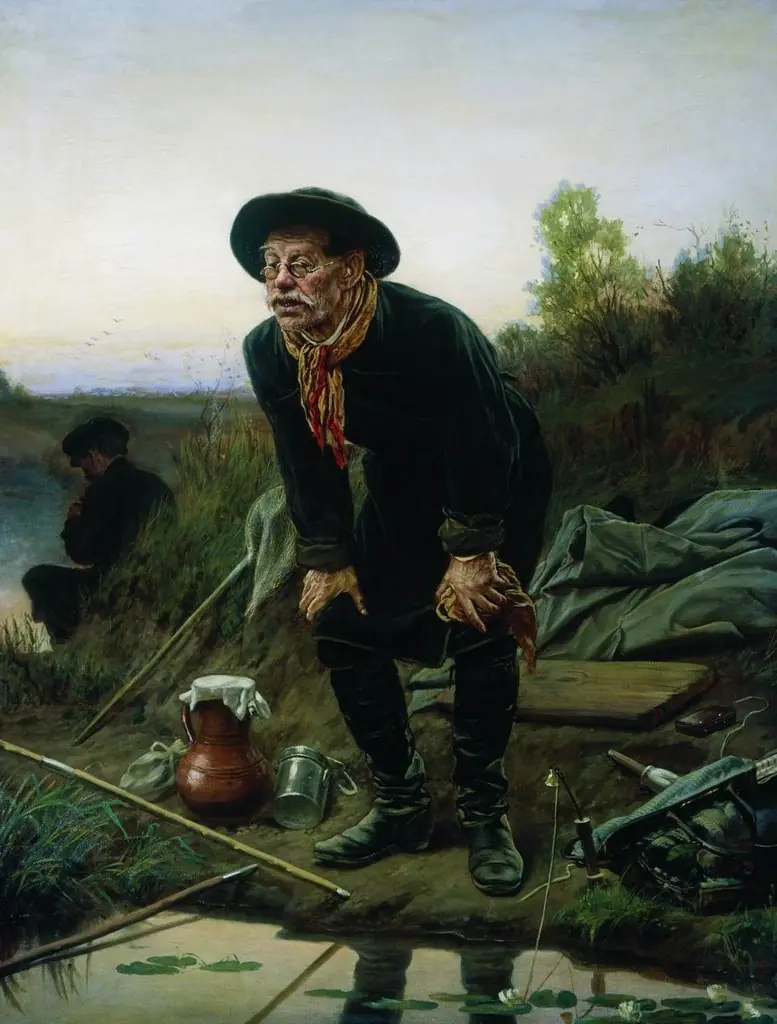
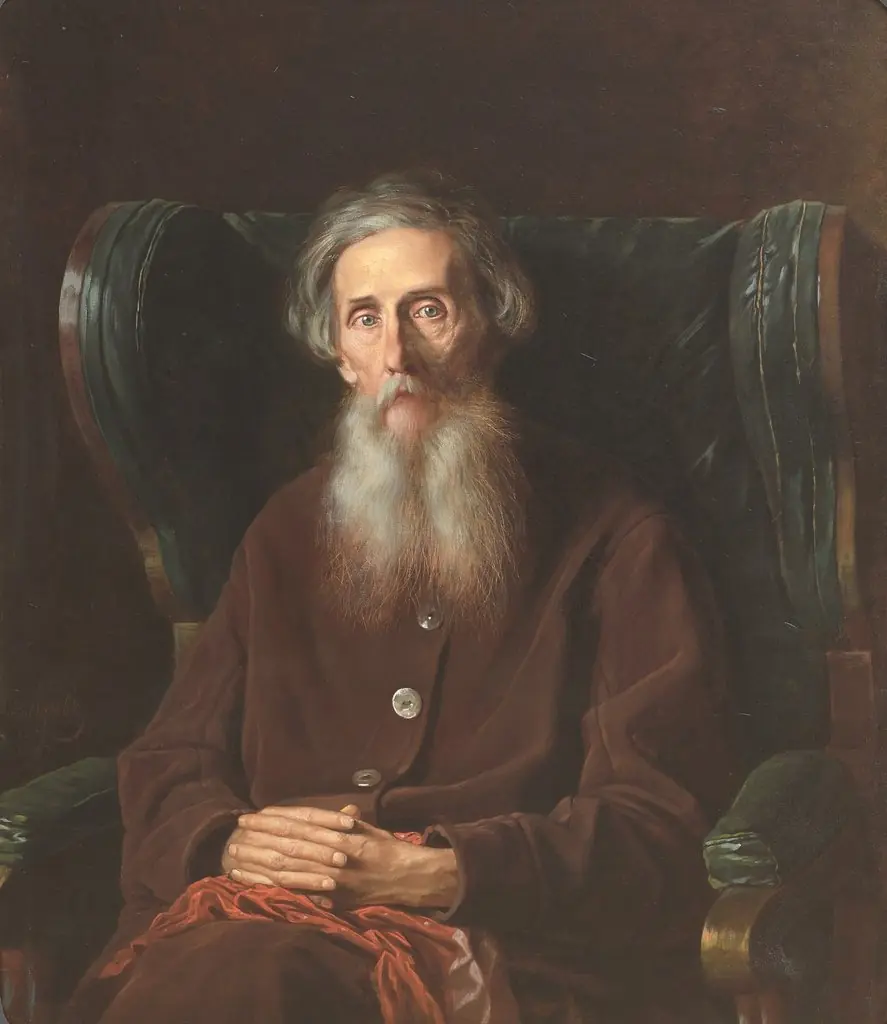
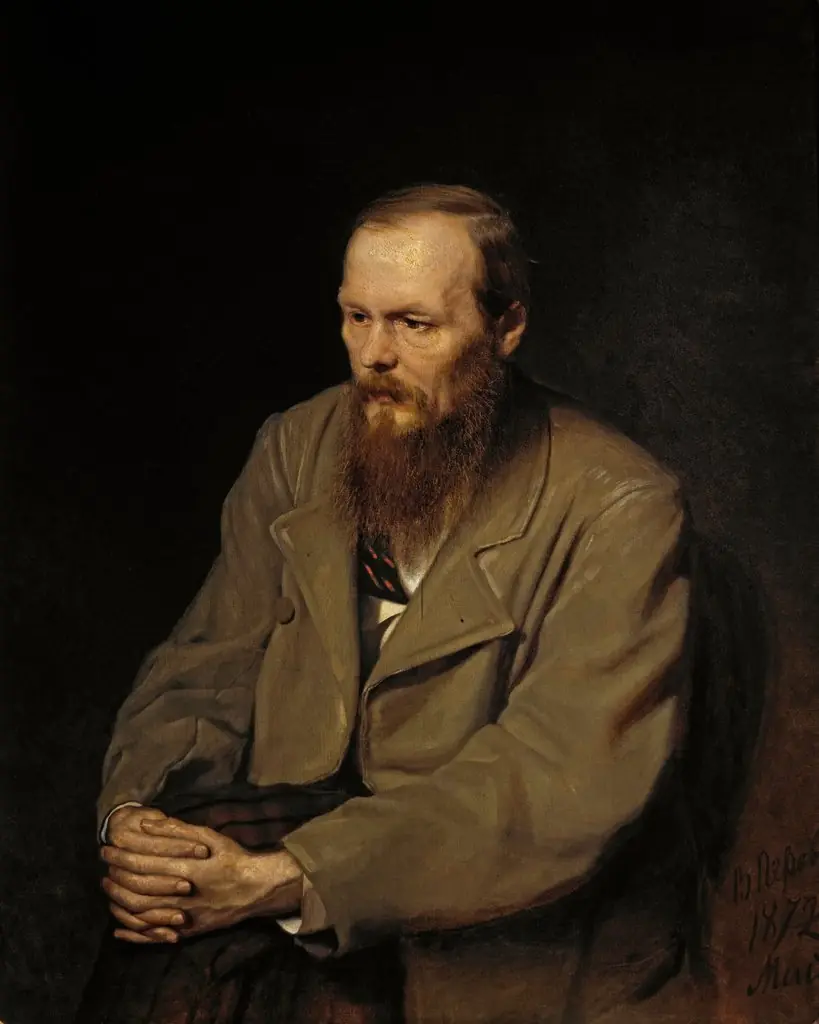
Artwork
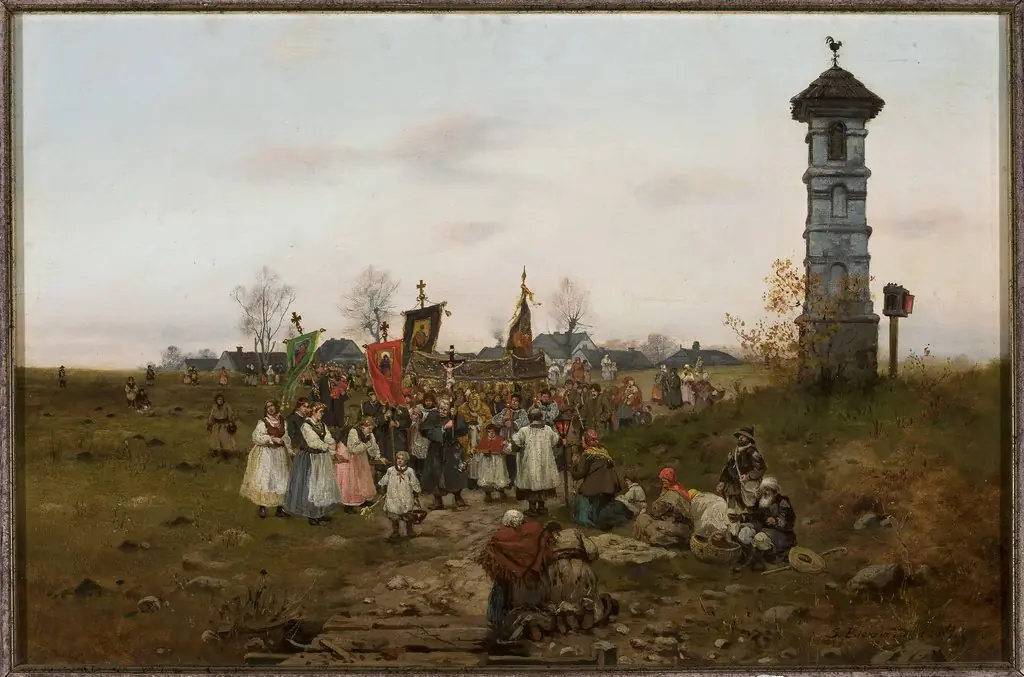
An Easter procession in a Russian village
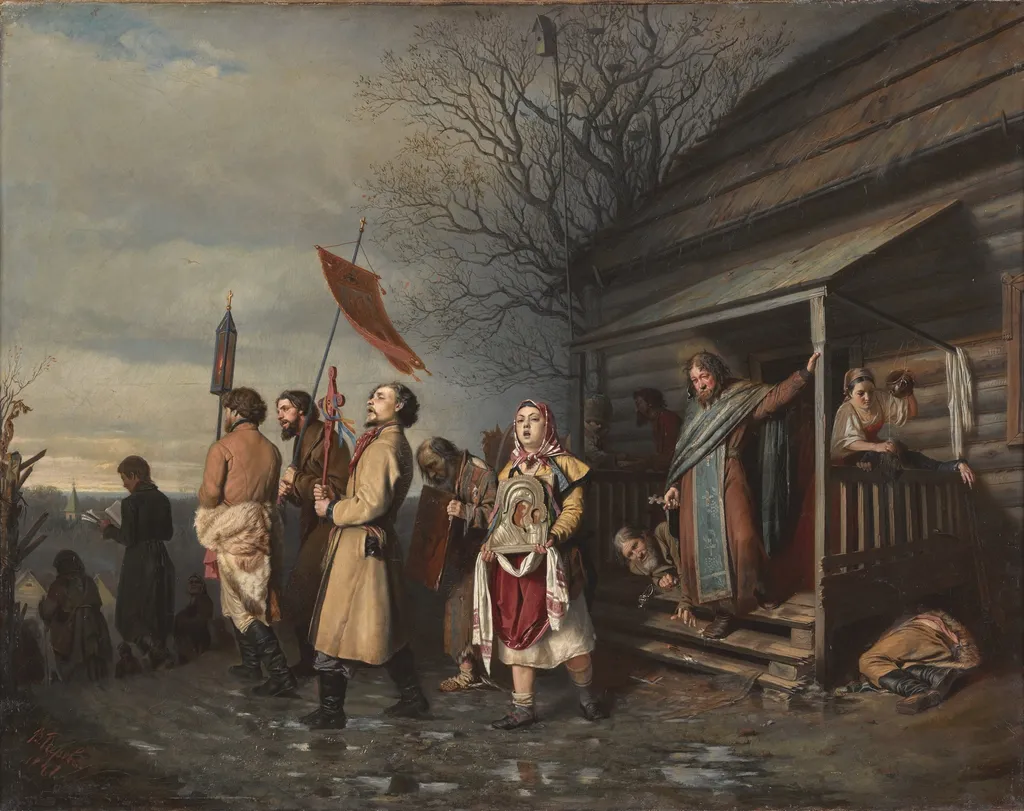
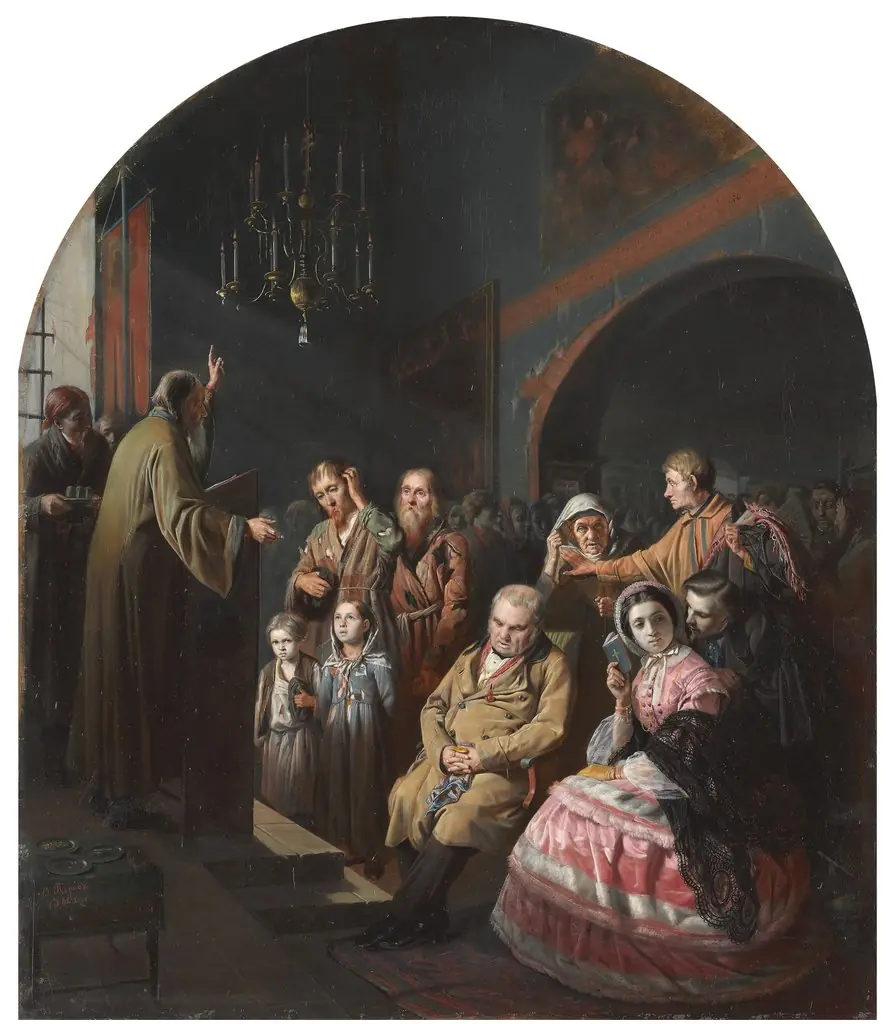
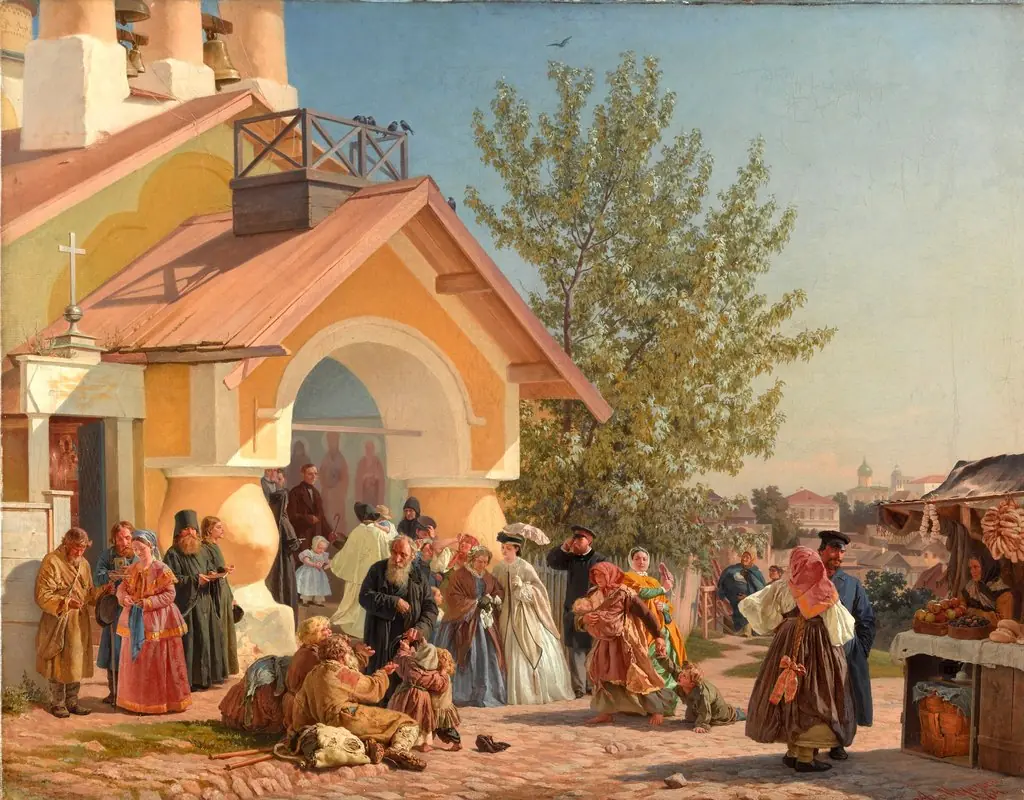
An Easter procession in a Russian village is an oil painting by the Realist artist Vasily Perov. It dates from 1861 and is held in the collection of the Tretyakov Gallery.
About this work
Overview
The scene is neither grand nor ceremonial but grounded in the ordinary rhythms of peasant devotion, rendered with careful observation and restrained emotion.
Painted in 1861 by Vasily Perov, this oil-on-canvas work captures a quiet Easter procession in a rural Russian village. It reflects the artist’s commitment to Realism and his role in the Peredvizhniki movement, which sought to portray everyday life with unembellished honesty. The scene is neither grand nor ceremonial but grounded in the ordinary rhythms of peasant devotion, rendered with careful observation and restrained emotion.
Subject & Meaning
The painting shows villagers gathered before a modest wooden church, carrying icons and crosses as part of an Easter ritual. Their postures and attire suggest humility and routine rather than spectacle. The absence of clergy or overt religious symbolism shifts focus to communal practice, implying faith as woven into daily existence. The muted tones and subdued expressions convey a sense of solemnity rooted in tradition, not theatrical piety.
Technique & Style
Perov employs a restrained palette of earth tones and grayed hues to match the overcast sky and barren winter landscape. Figures in the foreground are rendered with precise detail, while those farther back fade into soft focus, creating spatial depth. Brushwork is deliberate but unshowy, emphasizing texture in clothing and wood surfaces. The composition directs attention to the central group without dramatic lighting or gesture, reinforcing the painting’s quiet realism.
History & Provenance
Completed in 1861, the painting entered the collection of Pavel Tretyakov, who systematically acquired works by Russian Realist artists. It has remained in the Tretyakov Gallery since its acquisition, where it continues to represent the movement’s ideals. Unlike many religious scenes of the period, it was not commissioned but painted as an independent statement, aligning with the Peredvizhniki’s mission to bring art to the public.
Context
In early 1860s Russia, the peasantry formed the majority of the population, yet their lives were rarely depicted in art with dignity. Perov’s work emerged alongside social reforms and growing interest in national identity. By portraying rural devotion without sentimentality, he challenged academic traditions that favored idealized subjects, offering instead a view of faith as lived, not performed.
Legacy
The painting contributed to the broader shift in Russian art toward social realism, influencing later generations to depict ordinary life with psychological depth. Its quiet authority helped establish the Peredvizhniki as a defining force in 19th-century Russian culture. Though not widely exhibited abroad, it remains a touchstone for understanding how religion, class, and landscape intersected in the visual culture of rural Russia.
Own this work as a print
Artist & collection
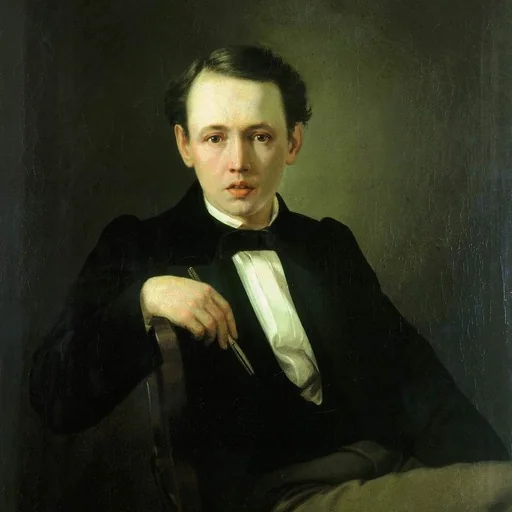
Artist
Vasily Grigorevich Perov (Russian: Василий Григорьевич Перов; 2 January 1834 – 10 June 1882) was a Russian painter, a key figure of the Russian Realist movement and one of the founding members of Peredvizhniki.