Artwork
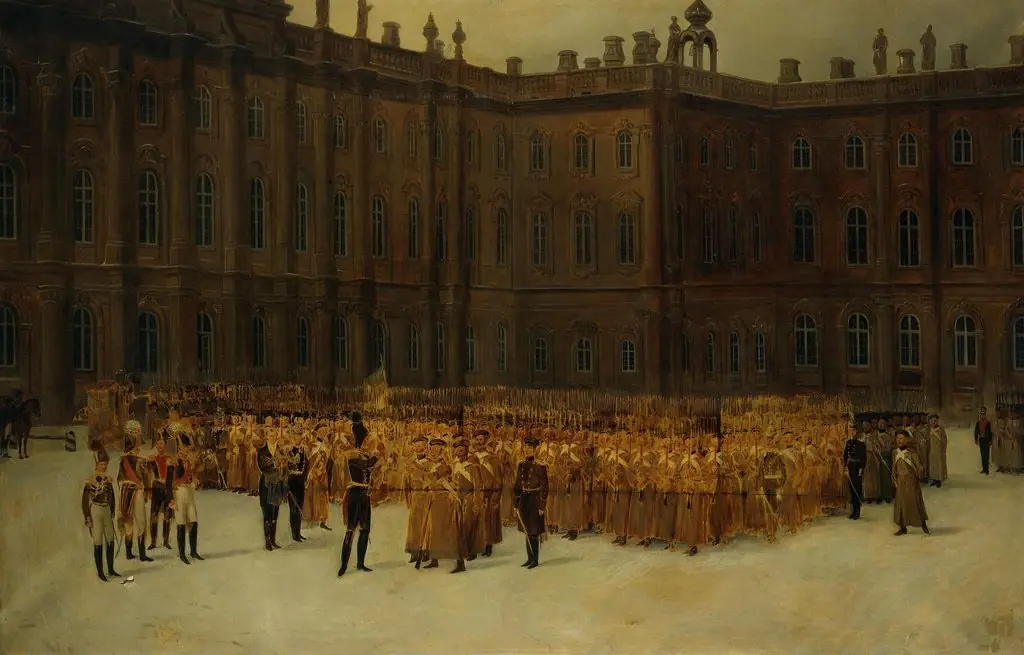
Life Guards Horse Regiment During the Uprising of December 14, 1825 at the Senate Square
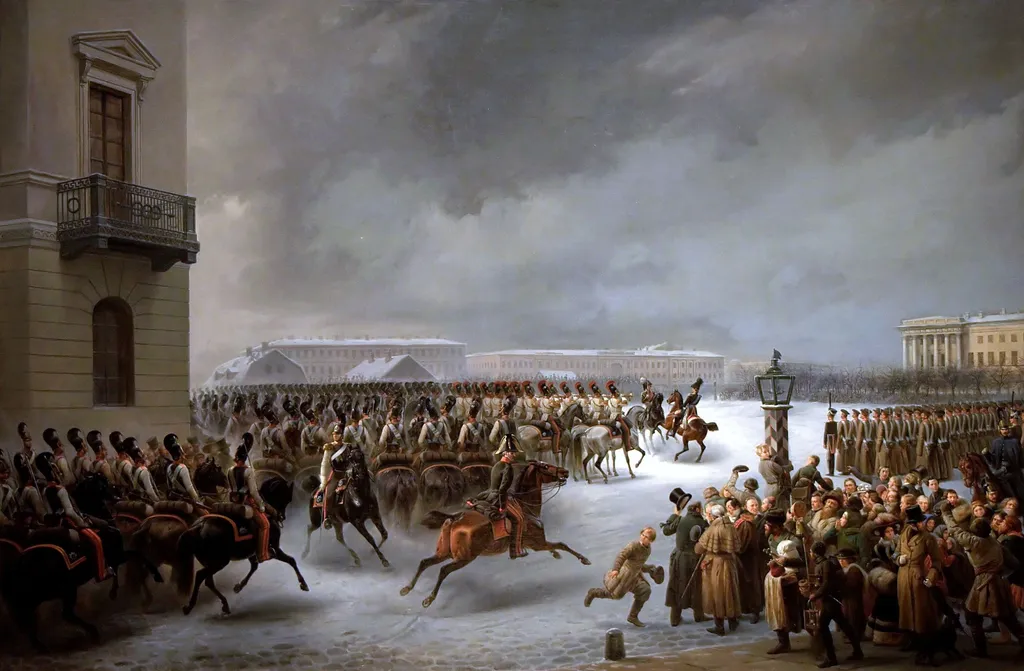
Life Guards Horse Regiment During the Uprising of December 14, 1825 at the Senate Square is an oil painting by the Realist artist Vasily Timm. It dates from 1853 and is held in the collection of the Hermitage Museum.
About this work
Overview
The painting is part of the State Hermitage Museum’s collection and reflects the 19th-century trend of documenting historical events through realistic imagery.
Painted in 1853 by Vasily Fyodorovich Timm, this oil work captures a pivotal moment in Russian history: the Decembrist Uprising at Senate Square in St. Petersburg. Timm, a Baltic German artist known for military and genre scenes, rendered the event with attention to detail and spatial composition. The painting is part of the State Hermitage Museum’s collection and reflects the 19th-century trend of documenting historical events through realistic imagery.
Subject & Meaning
The scene portrays the Life Guards Horse Regiment advancing through snow-covered Senate Square as civilian protesters and infantry stand in opposition. A lone figure runs toward the cavalry, suggesting desperation or warning. The moment reflects the tension between imperial authority and reformist dissent. The painting does not overtly endorse either side but emphasizes the gravity of the confrontation, framing it as a turning point in Russia’s political development.
Technique & Style
Timm employed chiaroscuro to heighten dramatic contrast between light and shadow, guiding focus to the central horsemen and the running figure. The white uniforms of the cavalry stand out against the darker tones of the infantry and the gray winter sky. Precise brushwork defines uniforms, weapons, and architectural details, while the snowy ground unifies the composition. The style aligns with Realism, prioritizing observable detail over idealization.
History & Provenance
Commissioned decades after the 1825 uprising, the painting was created as part of a broader imperial effort to memorialize state authority. Timm, then a court artist, had access to military records and uniforms, ensuring accuracy in depiction. The work entered the Hermitage’s collection shortly after completion, where it remains as part of a curated narrative of Russian military history and state power.
Context
The Decembrist Uprising was a failed revolt by liberal army officers seeking constitutional reform. Though suppressed, it became a symbol of resistance in later Russian thought. Timm’s painting, made under Tsar Nicholas I’s regime, served to reinforce the legitimacy of the state’s response. Its timing reflects a period when historical painting was used to shape public memory and discourage future dissent.
Legacy
While not widely exhibited outside Russia, the painting contributes to the visual archive of 19th-century Russian political conflict. It offers insight into how state institutions used art to legitimize authority. Later historians and artists referenced its composition when depicting revolutionary moments, though its official perspective contrasts with more sympathetic portrayals of the Decembrists that emerged in the 20th century.
Own this work as a print
Artist & collection
Artist
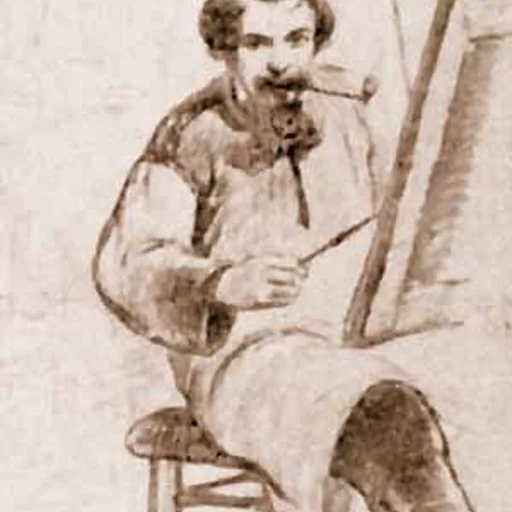
Georg Wilhelm Timm, also known as Vasily Fyodorovich Timm (Russian: Васи́лий Фёдорович Ти́мм; 21 June 1820 – 19 April 1895), was a Russian painter of Baltic German descent, lithographer and ceramic designer, known for his genre and battle…

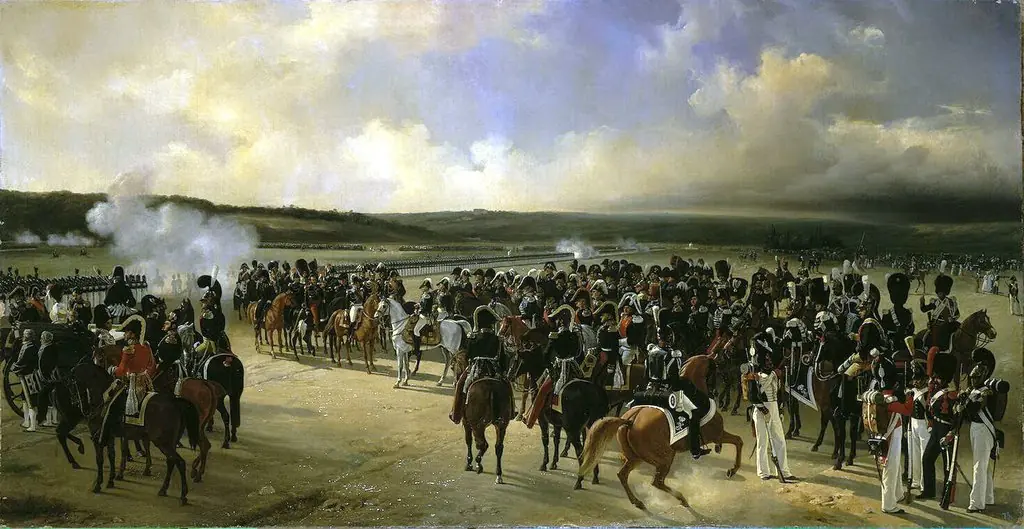 Review of the French Guards in the Presence of Charles X
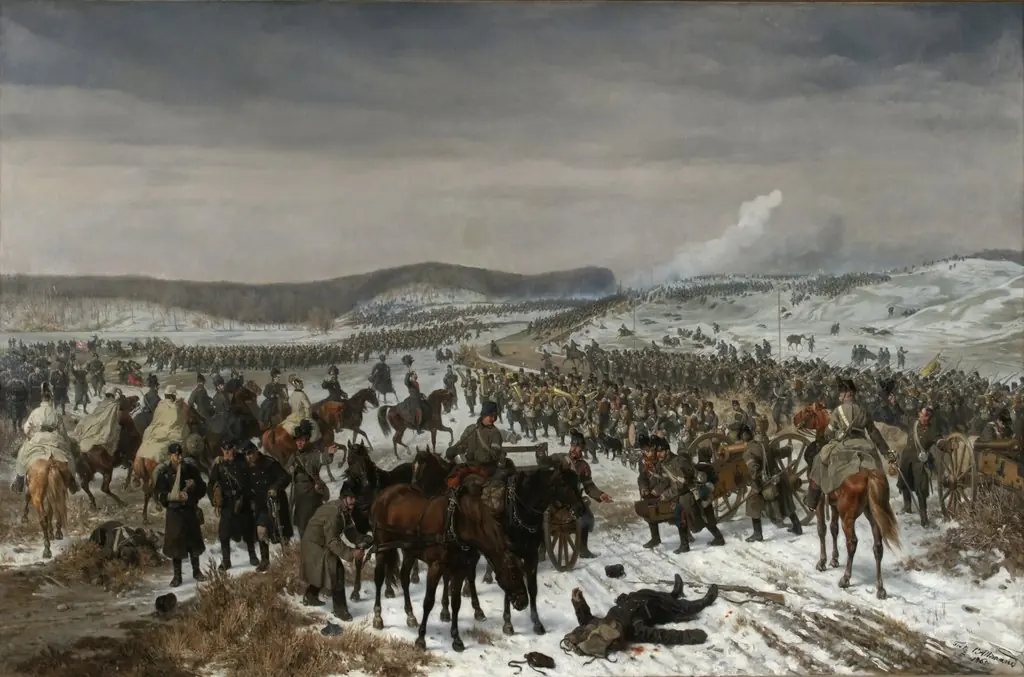 Die Schlacht bei Oeversee am 6. Februar 1864
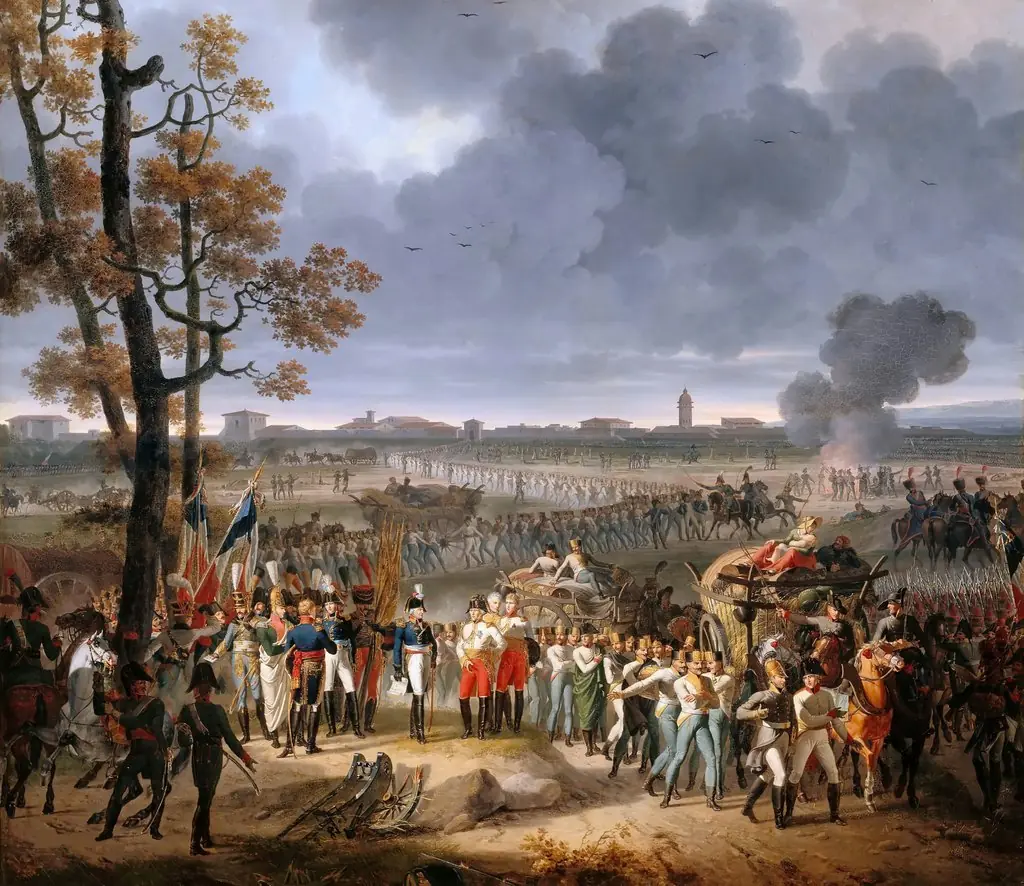 Surrender of Mantua, February 2, 1797
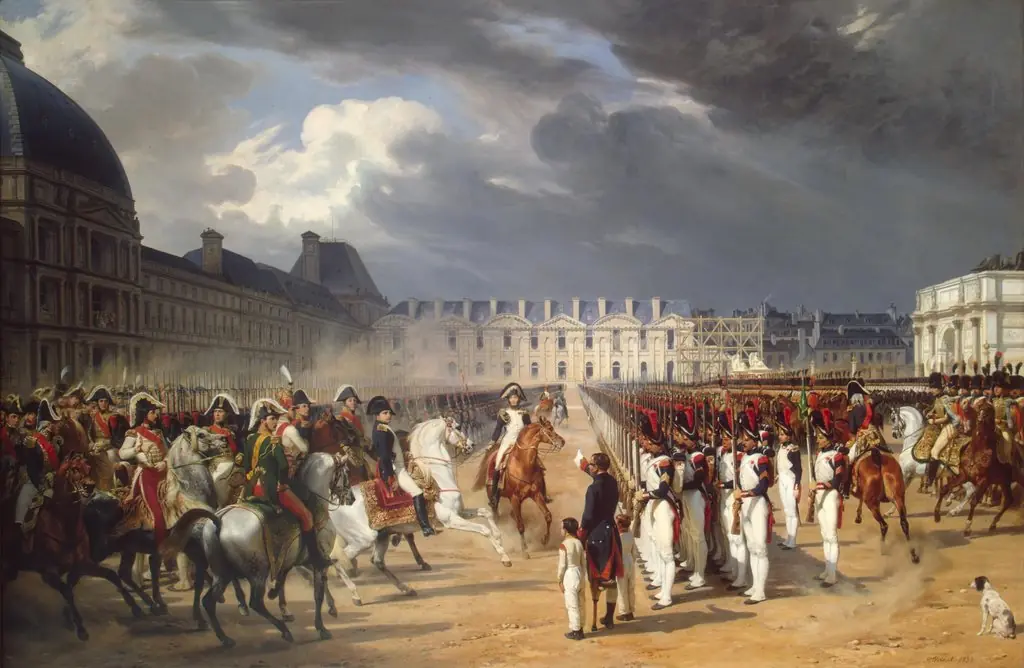 Invalid handing a petition to Napoleon at the parade in the court of the Tuileries Palace
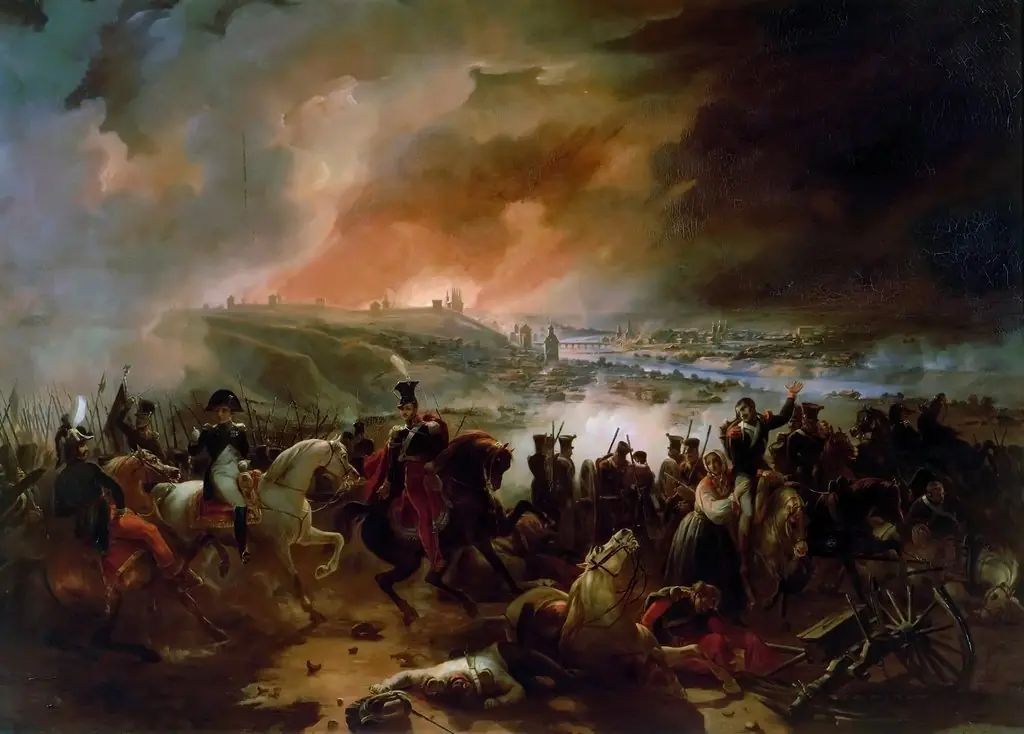 The Battle of Smolensk, 17th August 1812
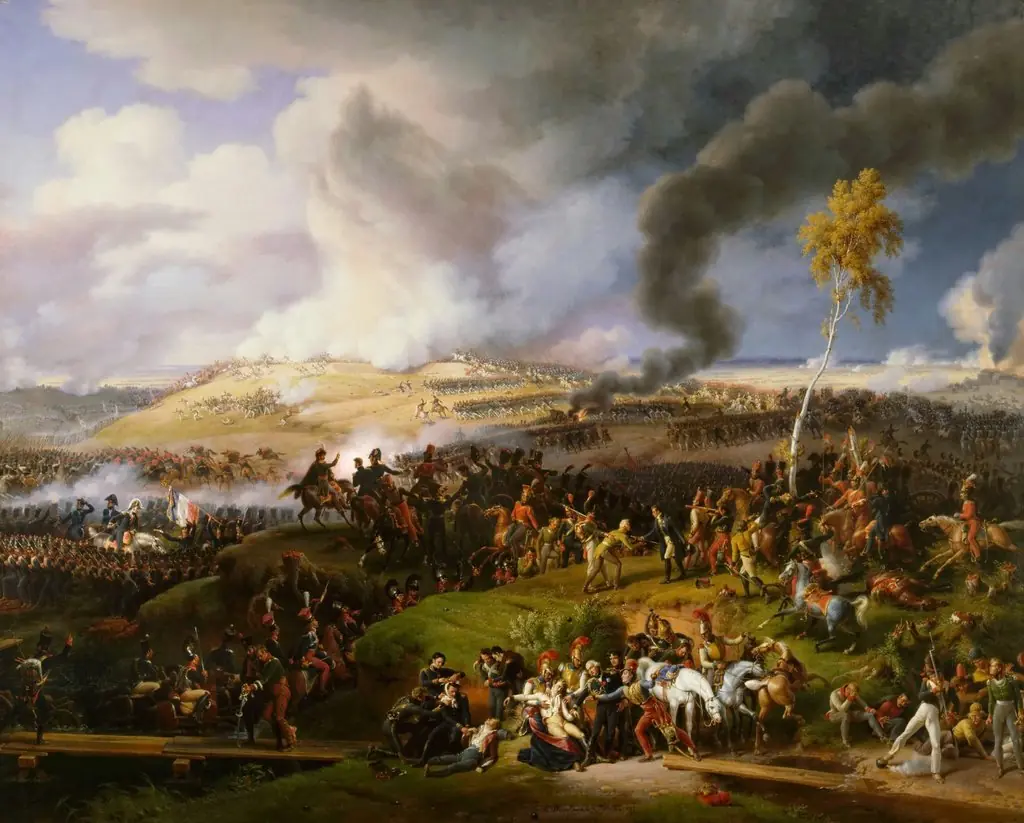 Battle of Moscow, 7th September 1812
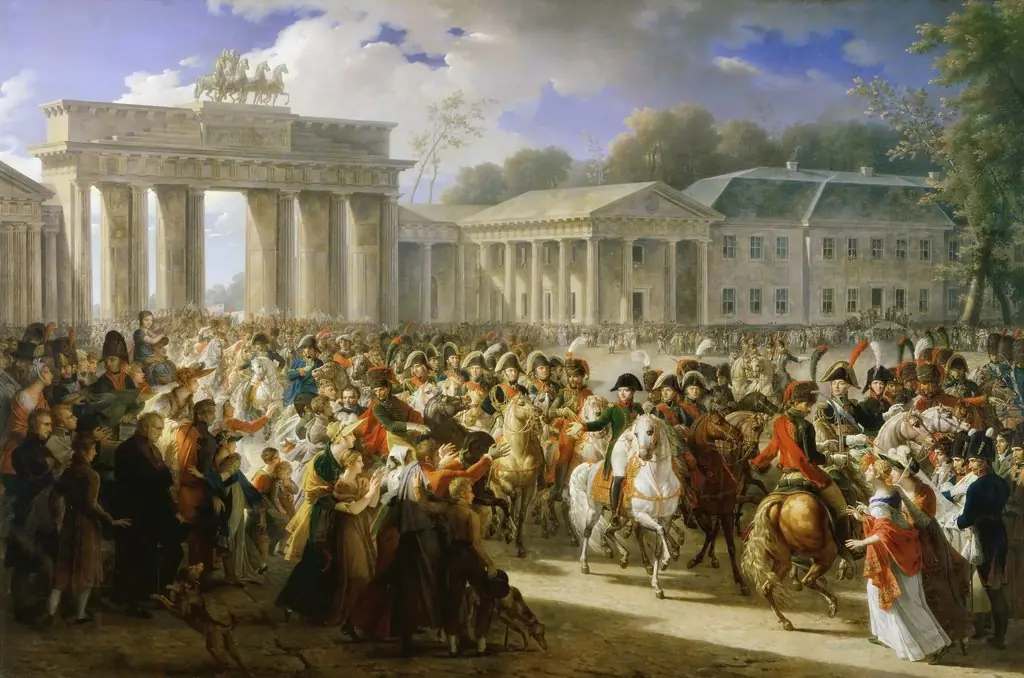 Entry of Napoleon I into Berlin, 27th October 1806
 Attentat de Fieschi. Revue de la Garde nationale, 28 juillet 1835
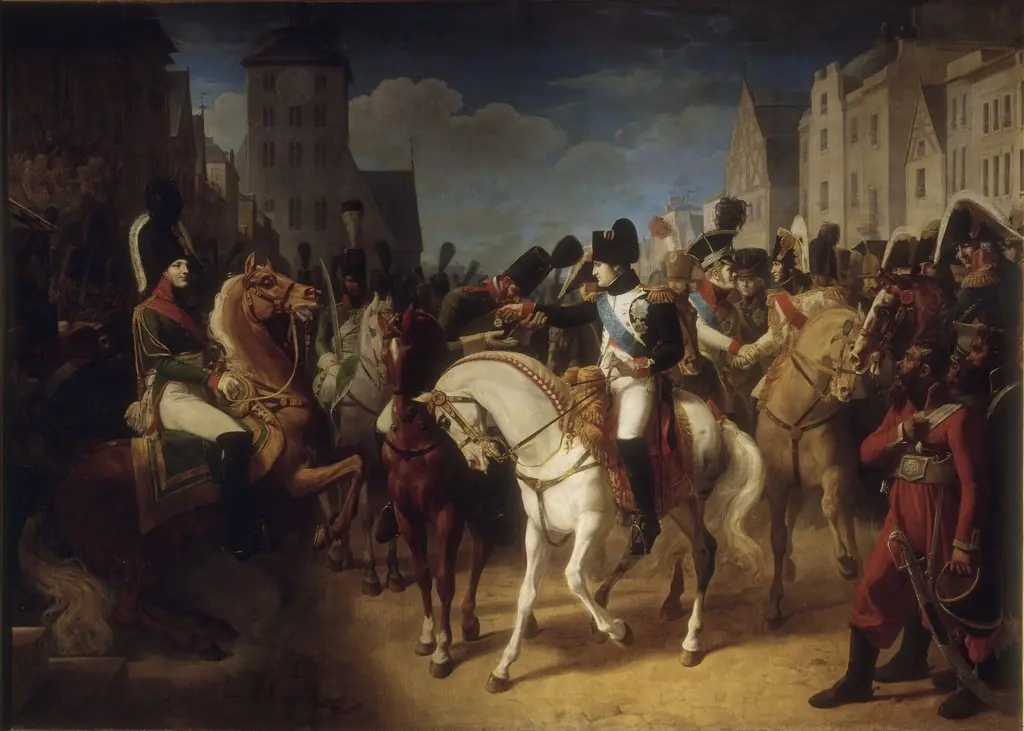 Napoleon I decorated a soldier of the Russian army in Tilsitt with the cross of the Legion of Honor
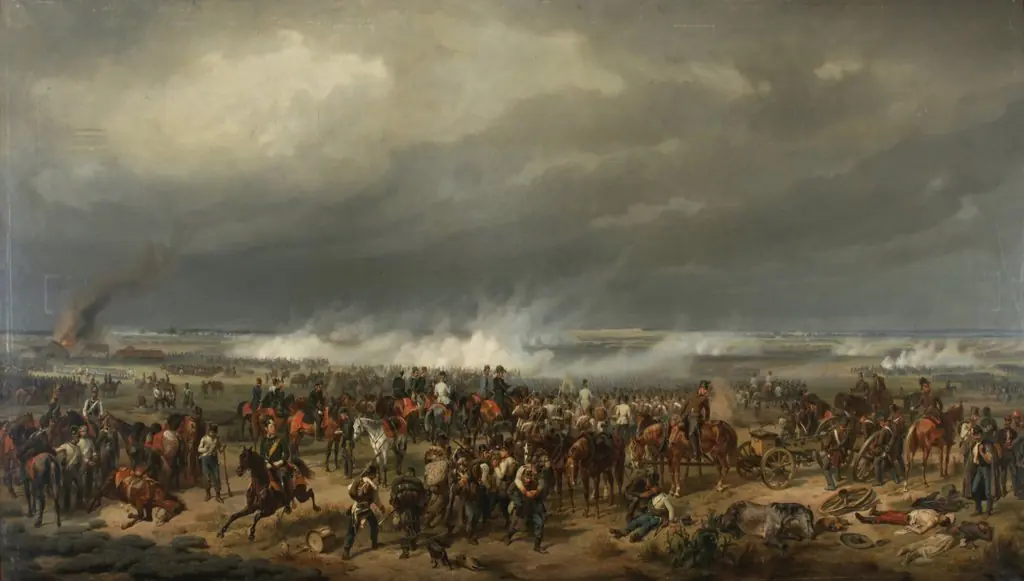 Die Schlacht bei Komorn
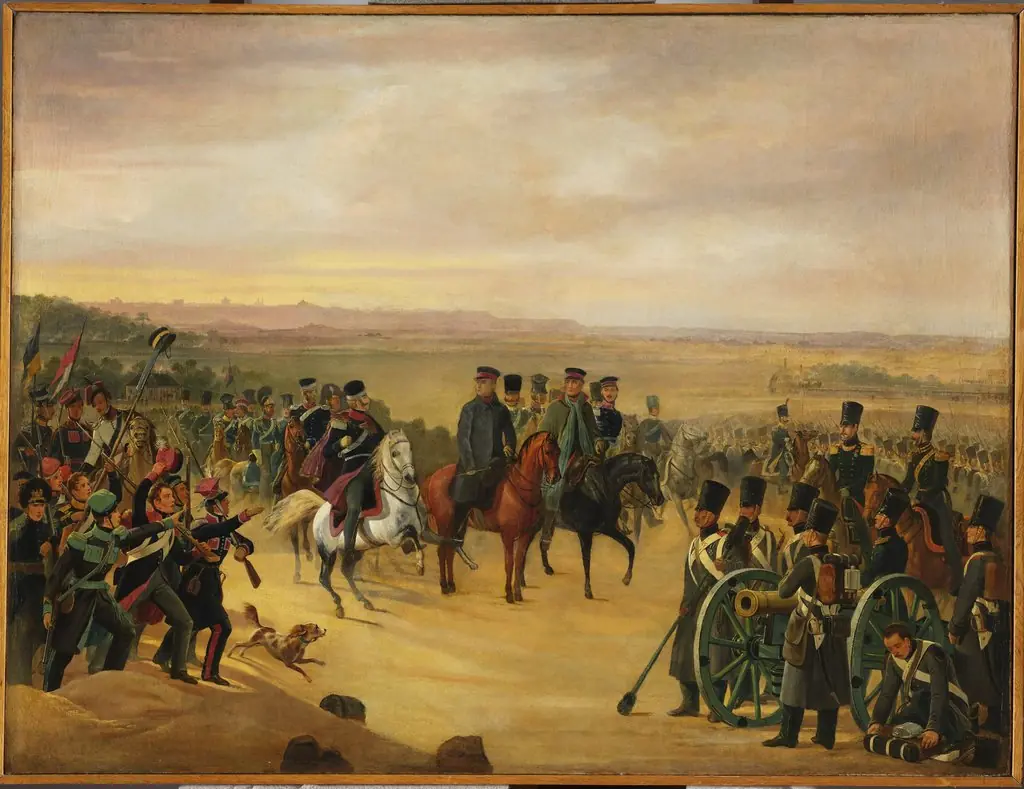 General Józef Chłopicki and Skrzynecki among soldiers
 Nicholas I before the Unit Formation of the Life-Guards Field Engineer Battalion in the Court of the Winter Palace on 14 December 1825