Artwork
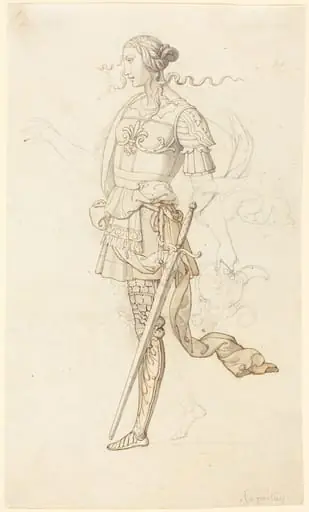
Study after Old Master
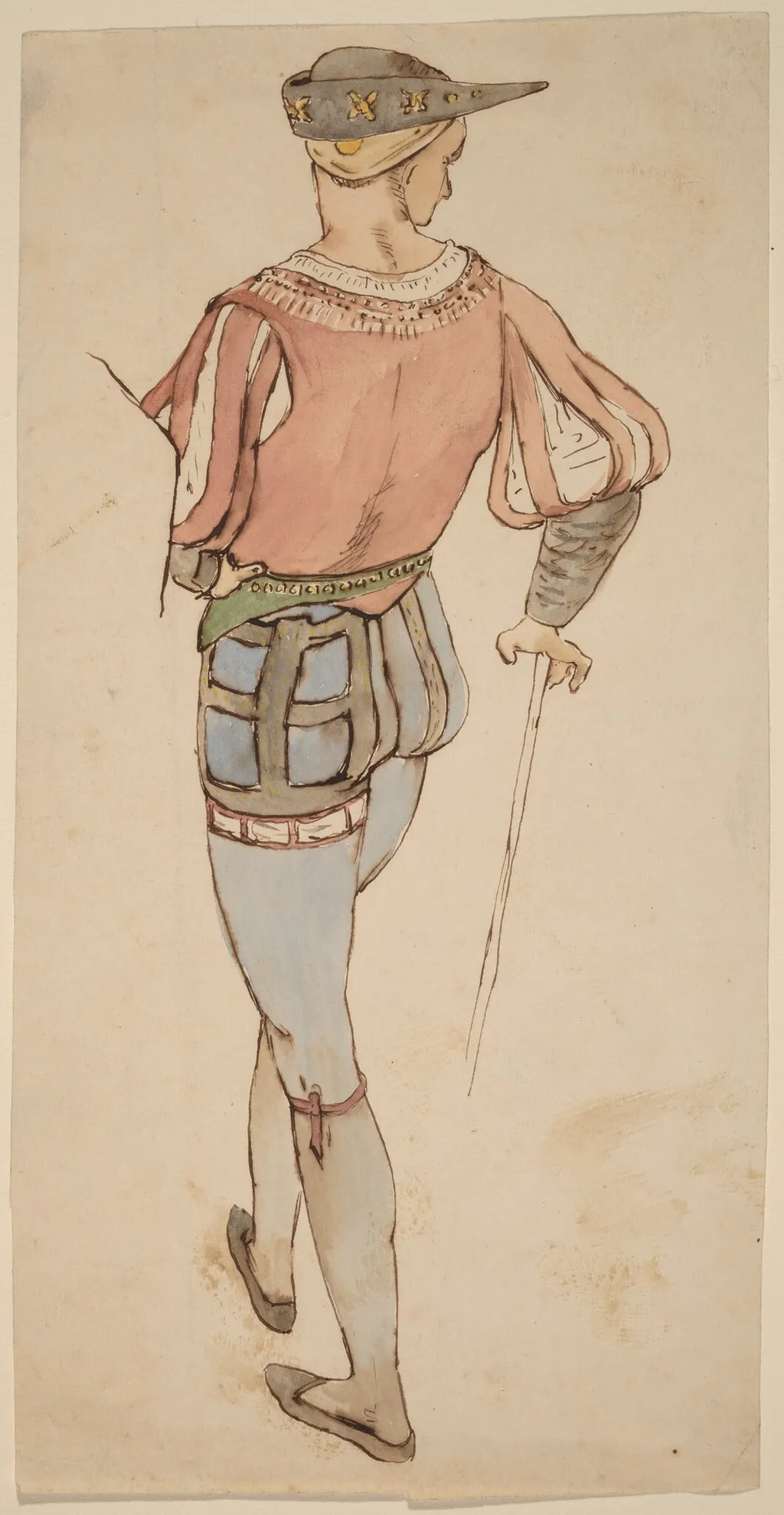
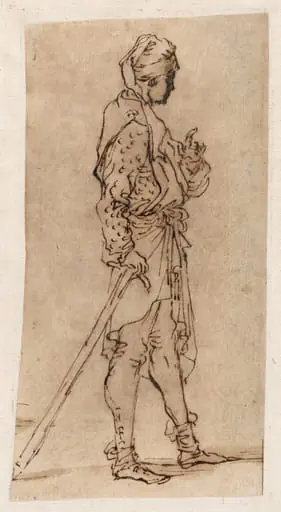
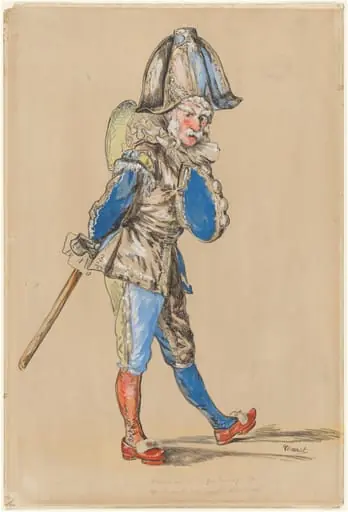
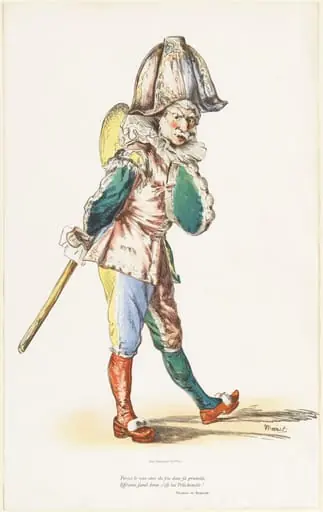
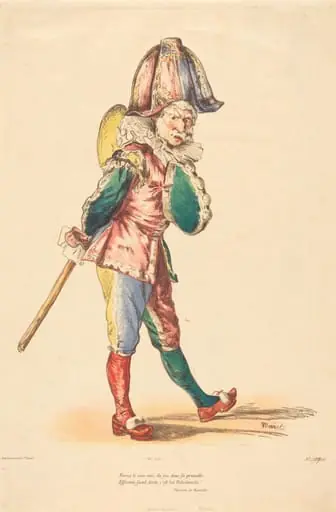
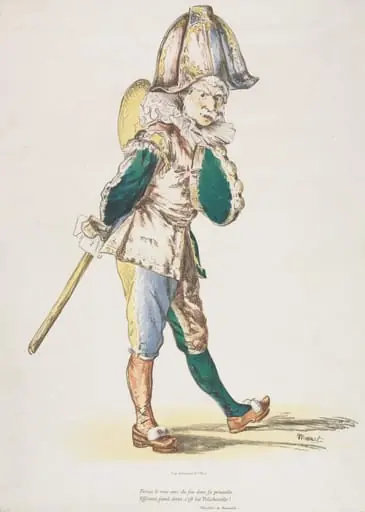
Study after Old Master is an ink drawing by the Impressionist artist Elihu Vedder. It dates from 1858 and is held in the collection of the National Gallery of Art.
About this work
Overview
Elihu Vedder’s *Study after Old Master* is a modestly sized drawing executed in pen, brown ink and watercolor on wove paper. Produced circa 1858, the work exemplifies the young artist’s early engagement with the techniques of earlier European painters, serving as a preparatory exercise rather than a finished composition.
Subject & Meaning
The drawing does not depict a narrative scene but functions as a technical study, echoing compositional strategies and tonal modeling found in the works of Renaissance and Baroque masters. By reproducing these elements, Vedder explored the visual language that would later inform his symbolist imagery.
Technique & Style
Vedder employed fine pen lines to define form, while brown ink adds depth and contrast. Subtle watercolor washes introduce muted tonal variations, creating a sense of volume without the richness of oil. The choice of wove paper provides a smooth surface that supports delicate ink work.
History & Provenance
Created during Vedder’s formative years in New York, the drawing predates his most celebrated illustration projects, such as the fifty‑five plates for Edward FitzGerald’s deluxe edition of *The Rubaiyat of Omar Khayyam*. Its provenance remains within private collections, having circulated among scholars interested in Vedder’s early practice.
Context
In the mid‑19th century American art scene, many artists looked to European Old Masters for instruction. Vedder’s study reflects this broader trend, illustrating how American painters assimilated classical techniques while developing a distinct personal style that would later emerge in his symbolist works.
Artist & collection

Artist
Elihu Vedder (26 February 1836 – 29 January 1923) was an American symbolist painter, book illustrator and poet from New York City.

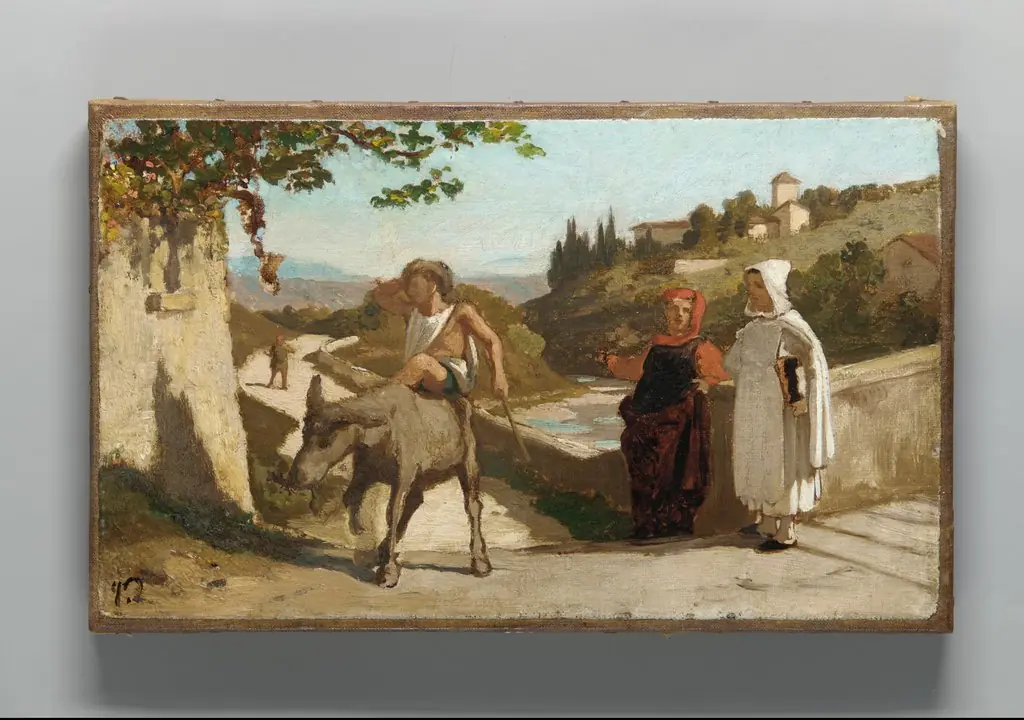 The Fable of the Miller, His Son, and the Donkey
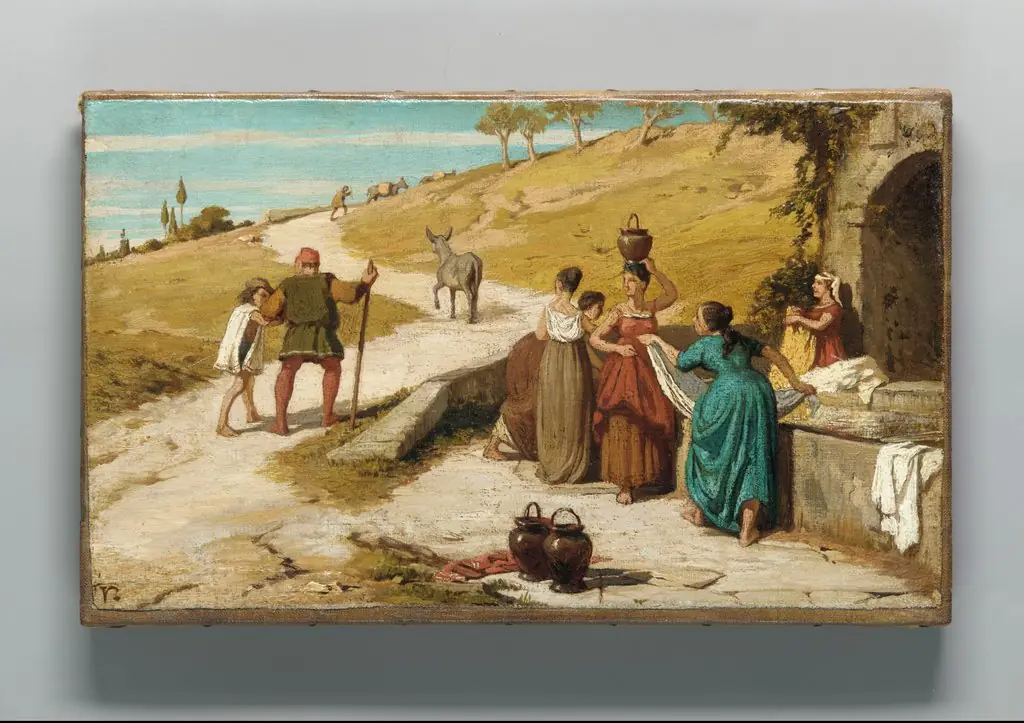 The Fable of the Miller, His Son, and the Donkey
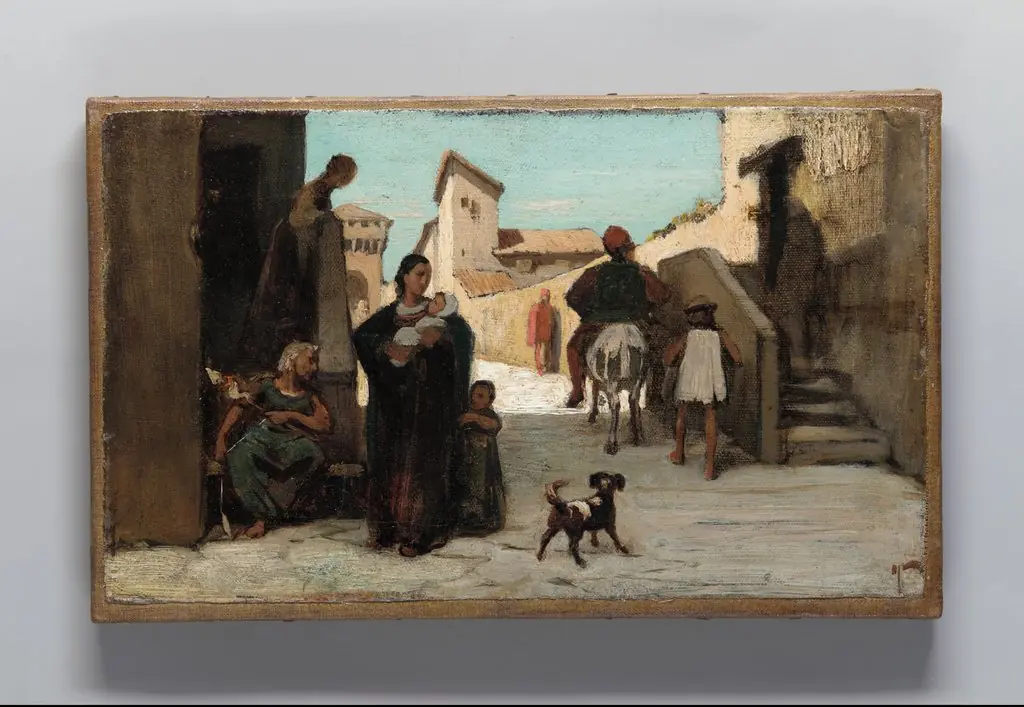 The Fable of the Miller, His Son, and the Donkey
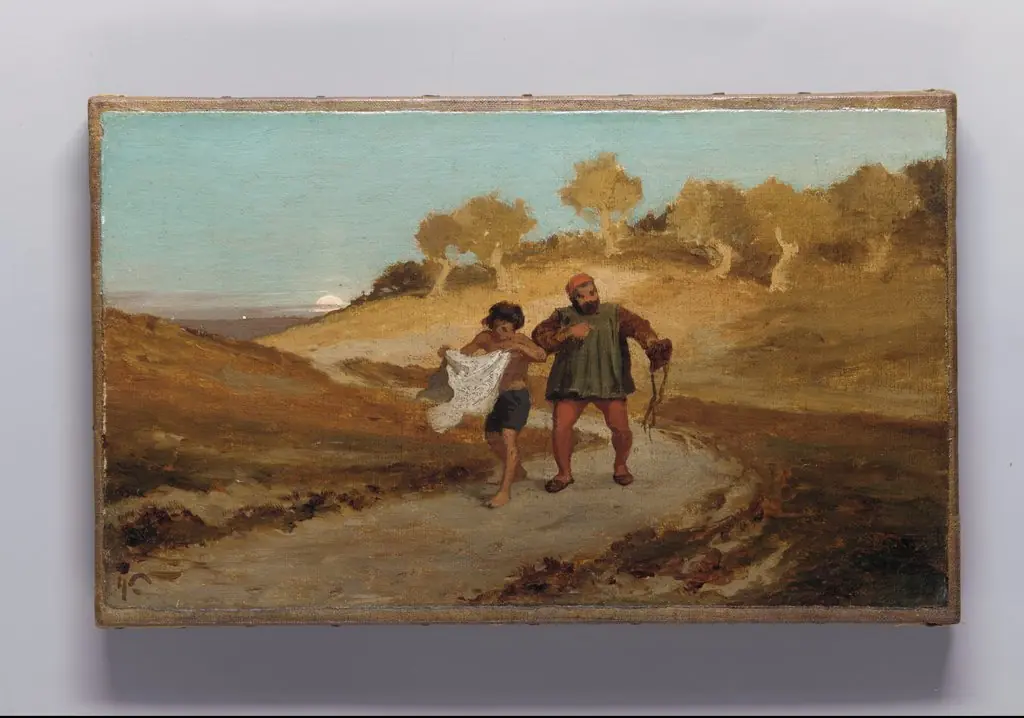 The Fable of the Miller, His Son, and the Donkey
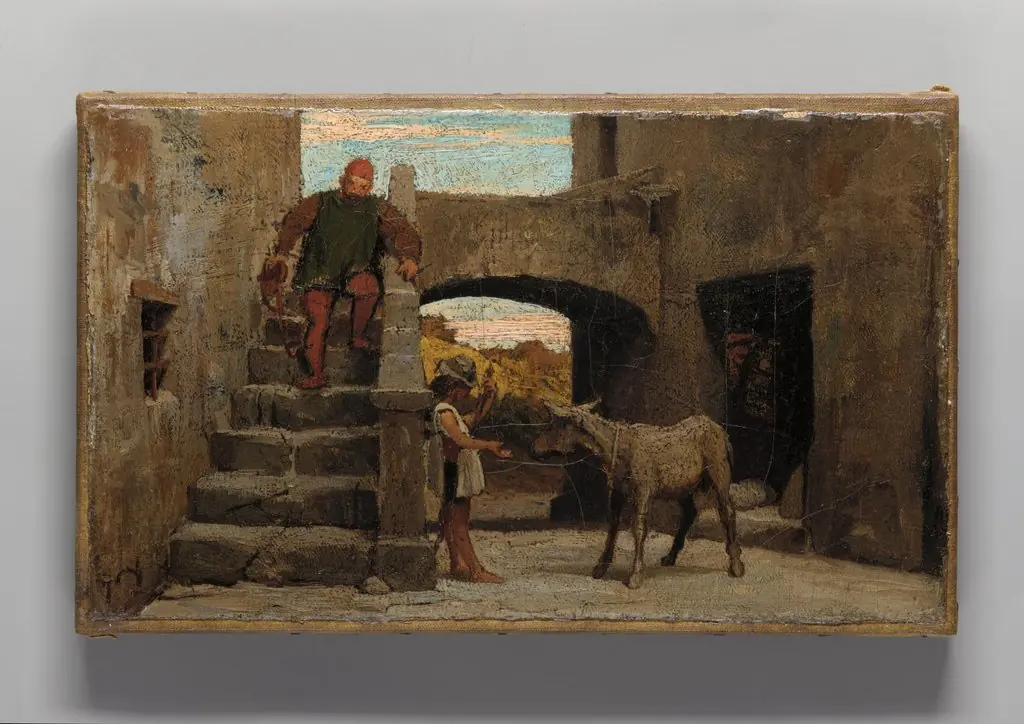 The Fable of the Miller, His Son, and the Donkey
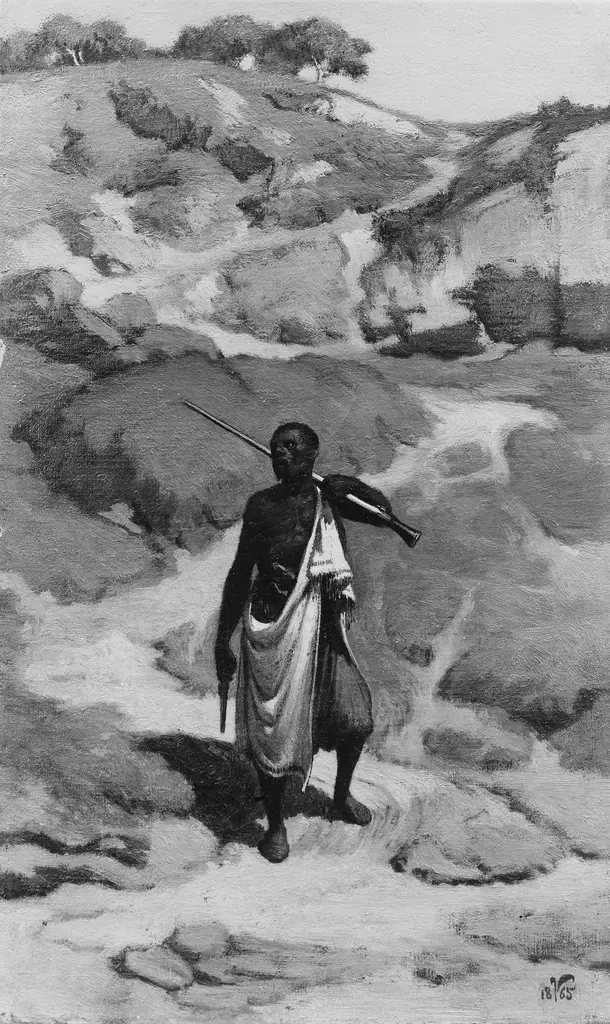 The African Sentinel
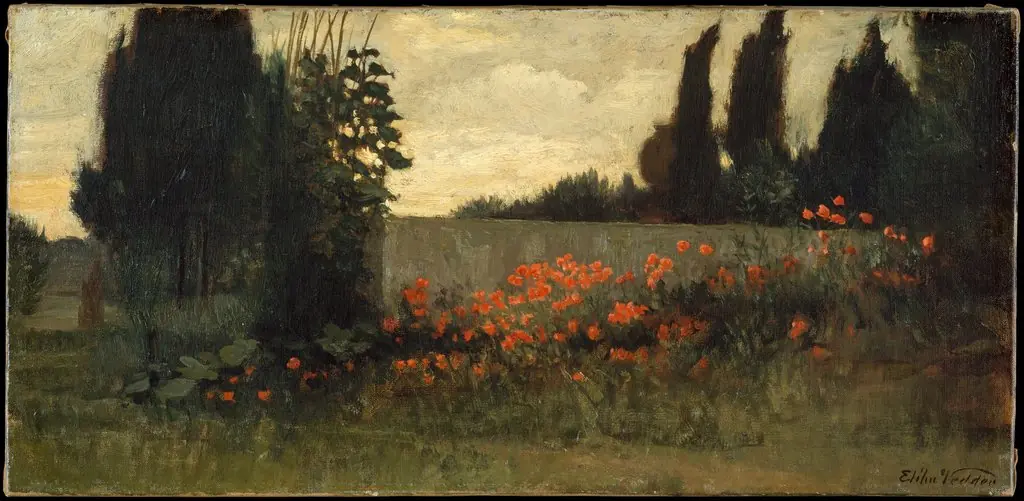 Cypress and Poppies
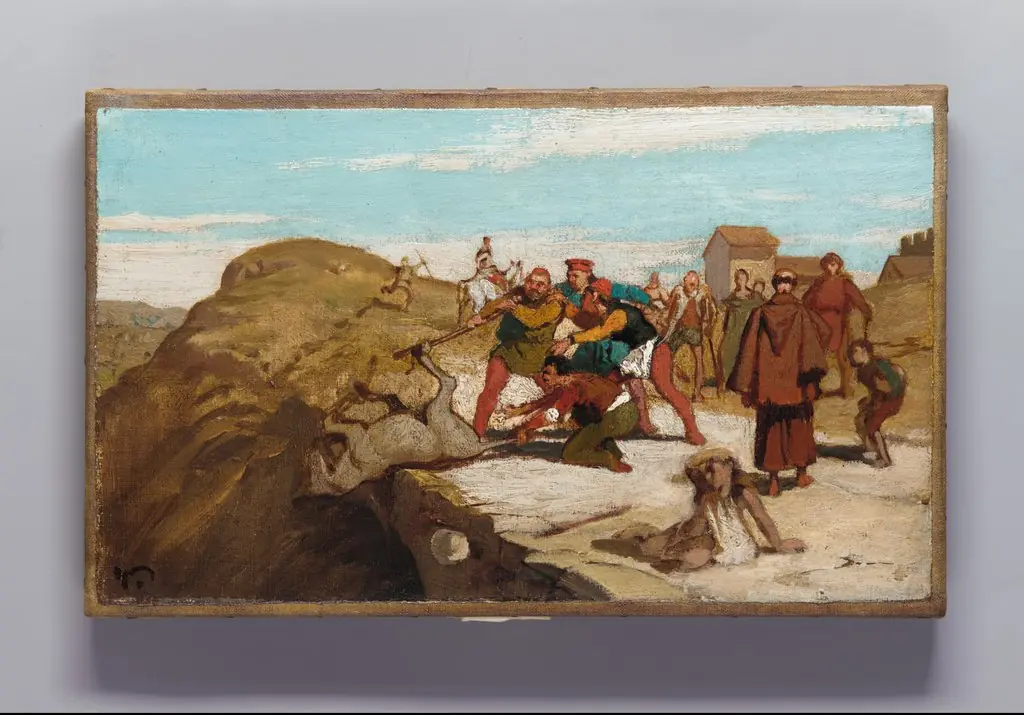 The Fable of the Miller, His Son, and the Donkey