Artwork
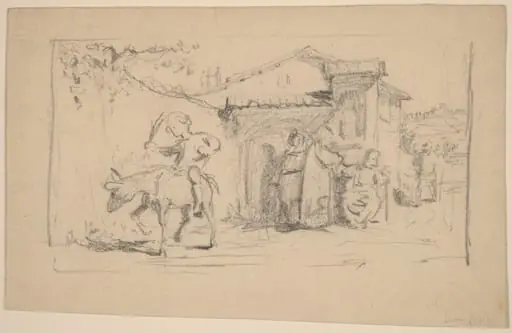
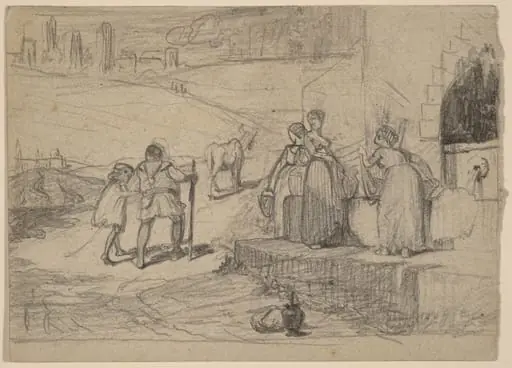
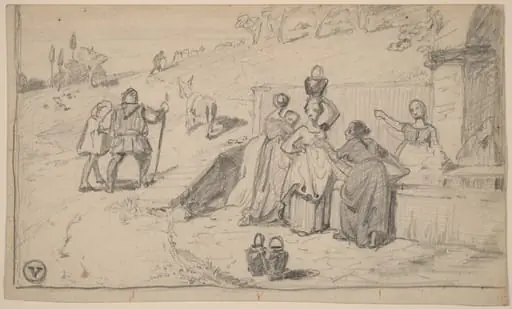
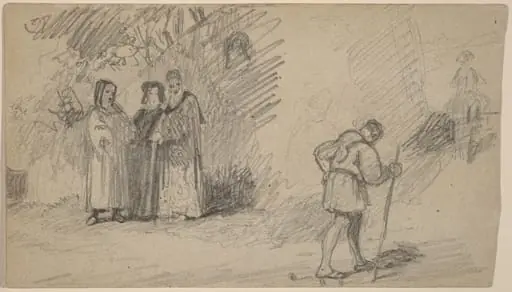
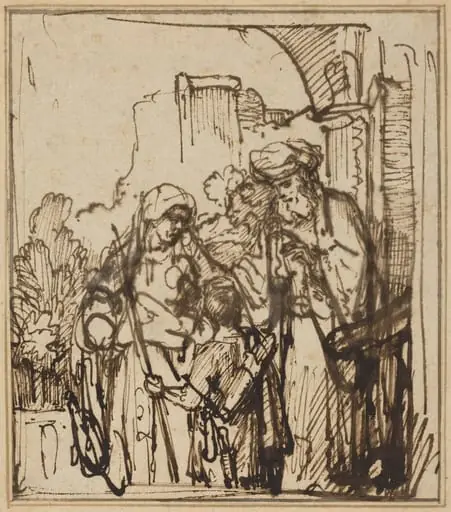
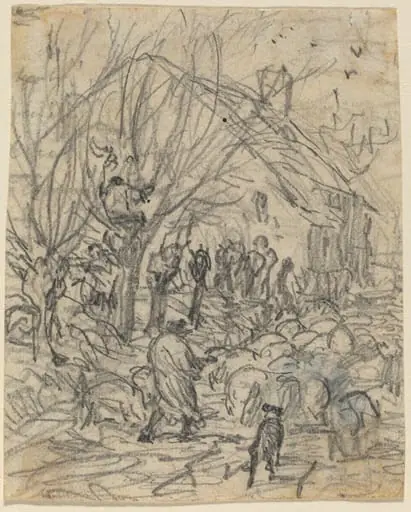
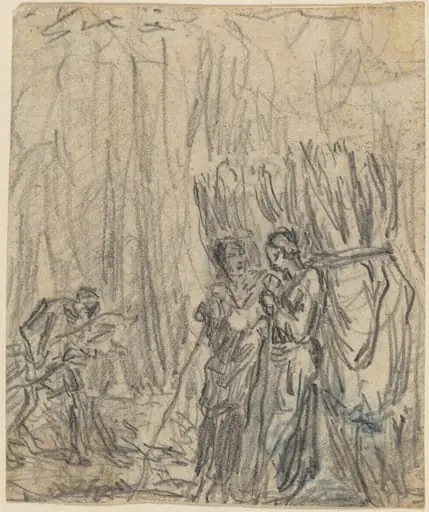
The Parable of the Miller and the Donkey
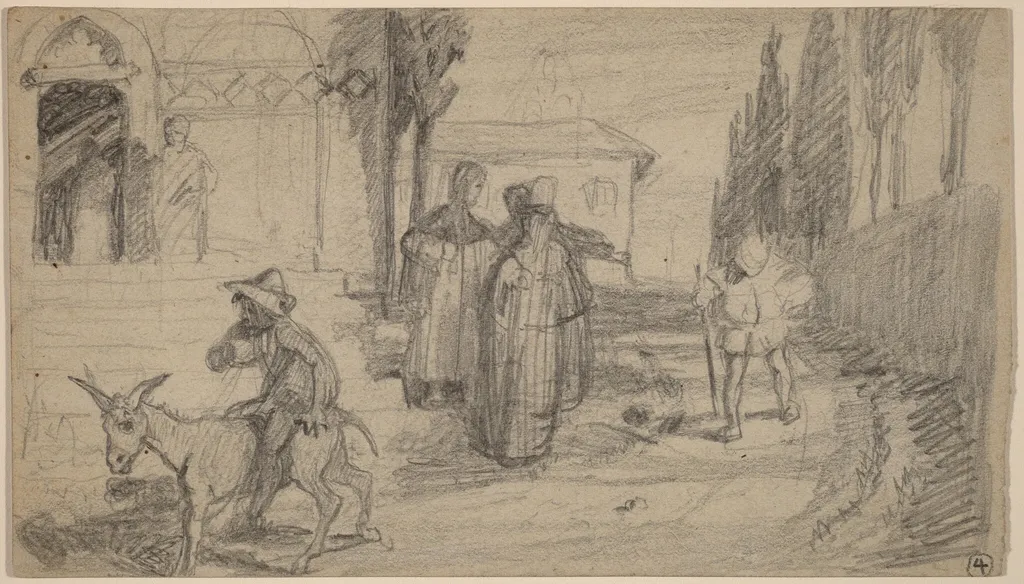
The Parable of the Miller and the Donkey is a graphite drawing by the Impressionist artist Elihu Vedder. It dates from 1859 and is held in the collection of the National Gallery of Art.
About this work
Overview
Created circa 1859 by American artist Elihu Vedder, this graphite drawing on wove paper presents a narrative scene drawn from a traditional moral tale.
Created circa 1859 by American artist Elihu Vedder, this graphite drawing on wove paper presents a narrative scene drawn from a traditional moral tale. Though modest in scale and medium, the work reflects Vedder’s early engagement with allegorical subjects, predating his later fame for illustrating Edward FitzGerald’s *Rubáiyát of Omar Khayyám*. It belongs to a phase of his career focused on symbolic storytelling through draftsmanship.
Subject & Meaning
The scene portrays a miller and a donkey, likely illustrating a fable about human folly or the consequences of poor judgment. The interaction between the two figures suggests a moral dilemma—perhaps the burden of responsibility, the weight of public opinion, or the absurdity of trying to please everyone. Vedder’s choice of subject aligns with 19th-century interest in parables as vehicles for ethical reflection.
Technique & Style
Executed in graphite on smooth wove paper, the drawing emphasizes linear clarity and subtle tonal variation. Vedder’s hand is precise yet expressive, using controlled hatching to define form and movement without heavy shading. The composition is restrained, focusing attention on the figures’ posture and relationship, characteristic of his illustrative approach before his more ornate Symbolist works.
History & Provenance
The drawing emerged during Vedder’s formative years in New York, before his extended stay in Rome. It was likely made for personal study or as a preparatory sketch, not for public exhibition. Its survival suggests it was retained by the artist or a close associate, offering insight into his early thematic interests prior to his international recognition.
Context
In the late 1850s, American artists increasingly turned to literary and moral narratives to elevate drawing beyond mere documentation. Vedder’s work reflects this trend, influenced by European engraving traditions and the popularity of illustrated fables. His focus on allegory here anticipates his later role as a visual interpreter of poetic texts, bridging American and European Symbolist sensibilities.
Legacy
Though less known than his *Rubáiyát* illustrations, this drawing exemplifies Vedder’s foundational commitment to narrative clarity and symbolic depth. It remains a quiet but significant artifact of his artistic development, illustrating how early sketches informed his mature style. Its preservation contributes to understanding the evolution of American Symbolist drawing in the mid-19th century.
Artist & collection

Artist
Elihu Vedder (26 February 1836 – 29 January 1923) was an American symbolist painter, book illustrator and poet from New York City.

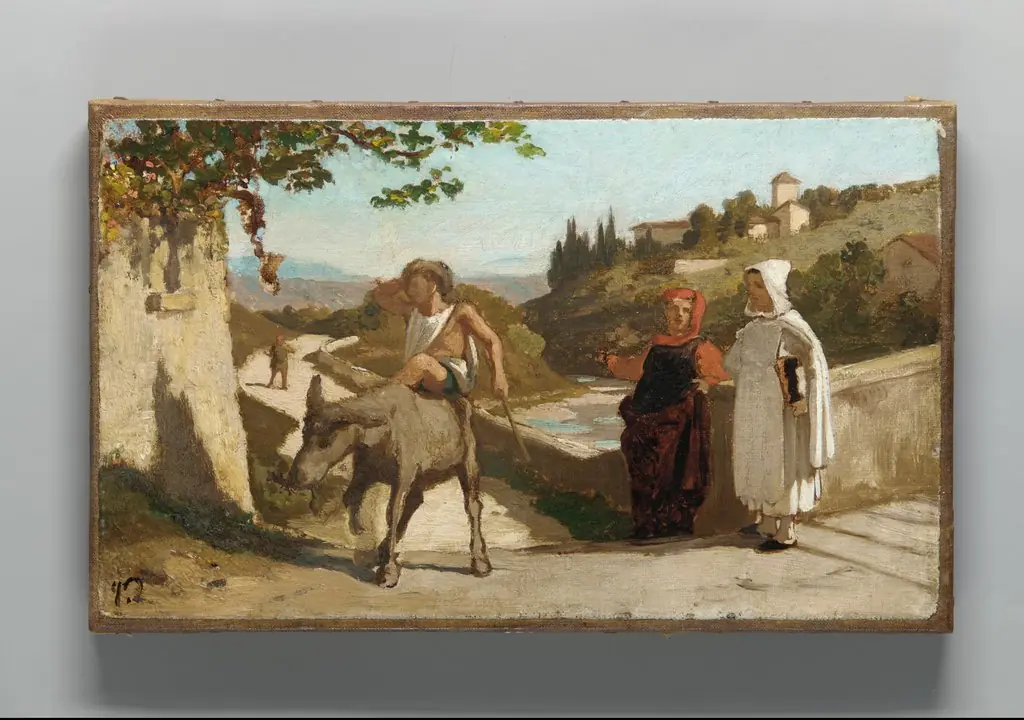 The Fable of the Miller, His Son, and the Donkey
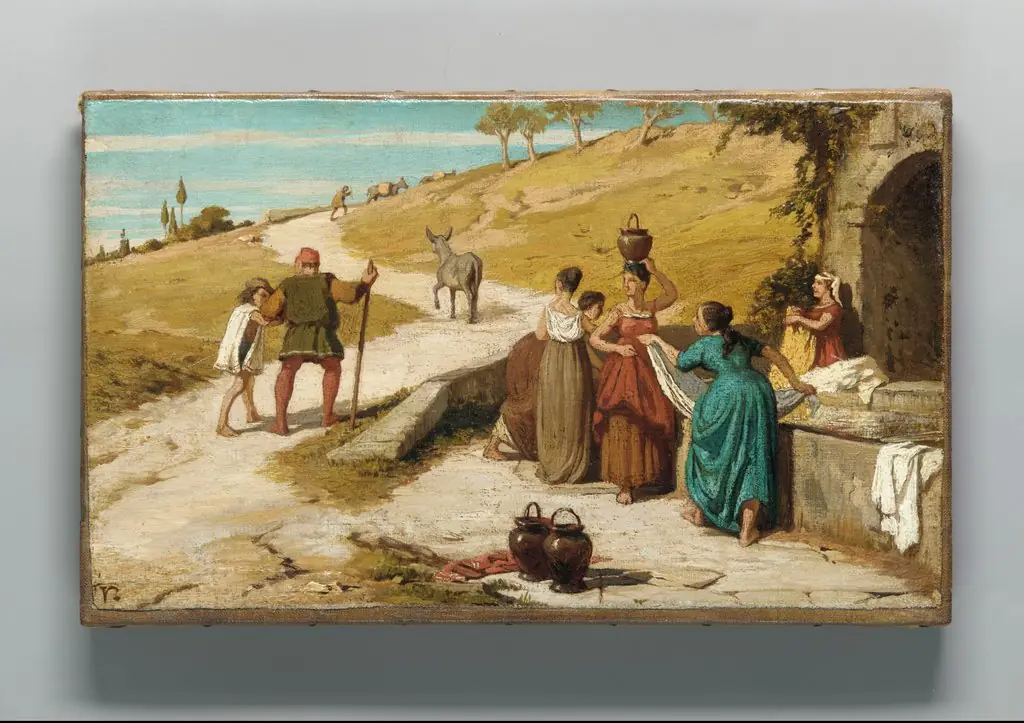 The Fable of the Miller, His Son, and the Donkey
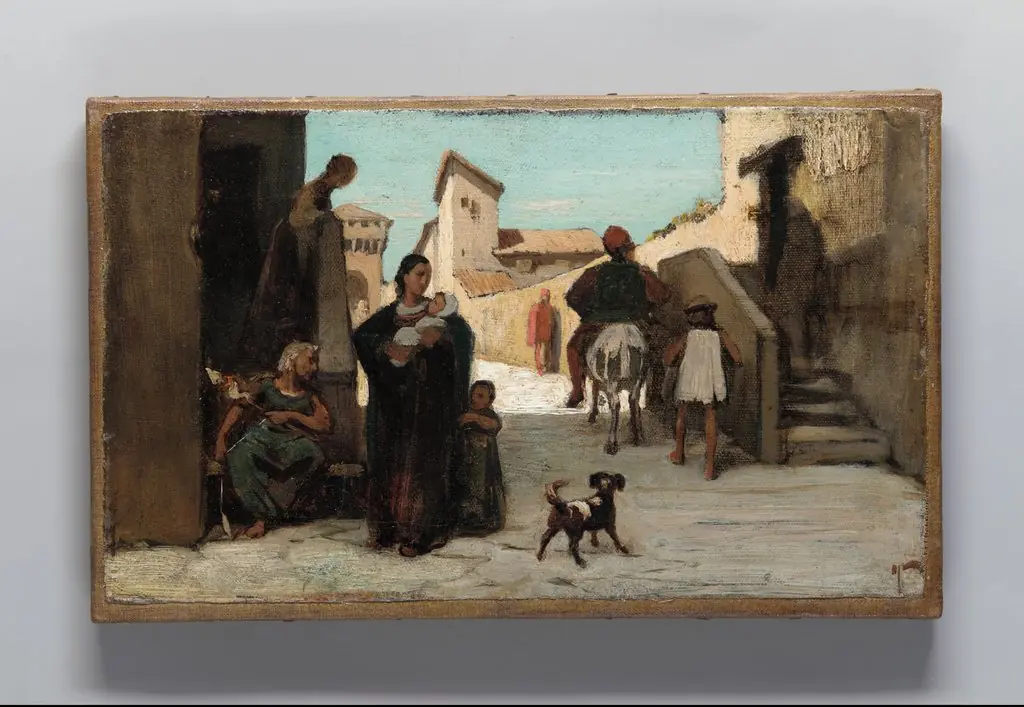 The Fable of the Miller, His Son, and the Donkey
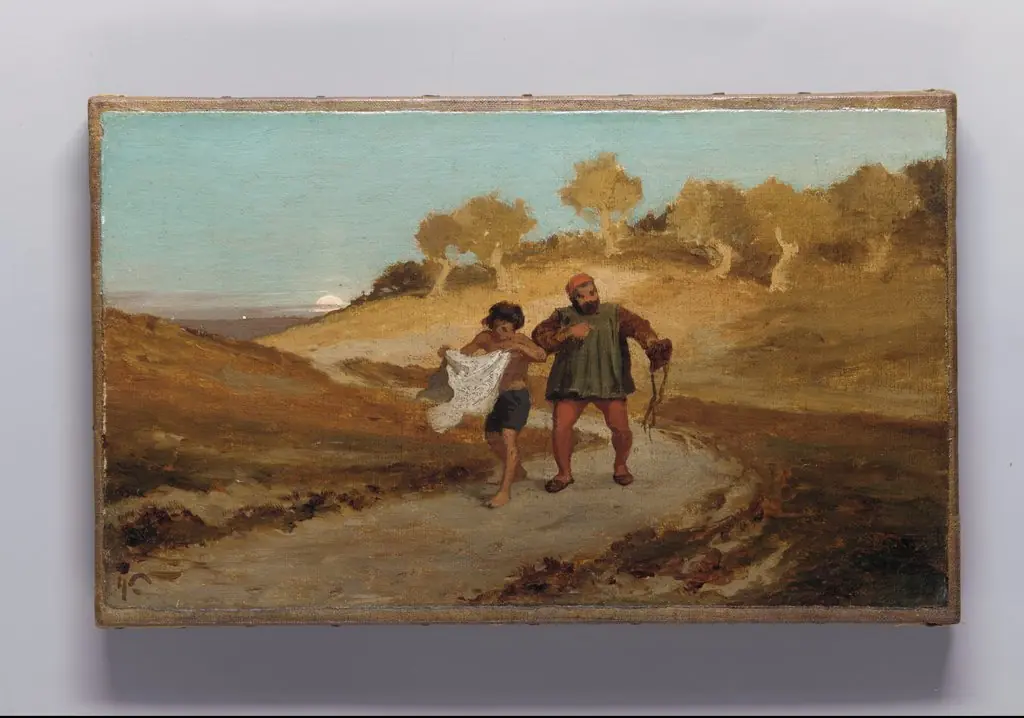 The Fable of the Miller, His Son, and the Donkey
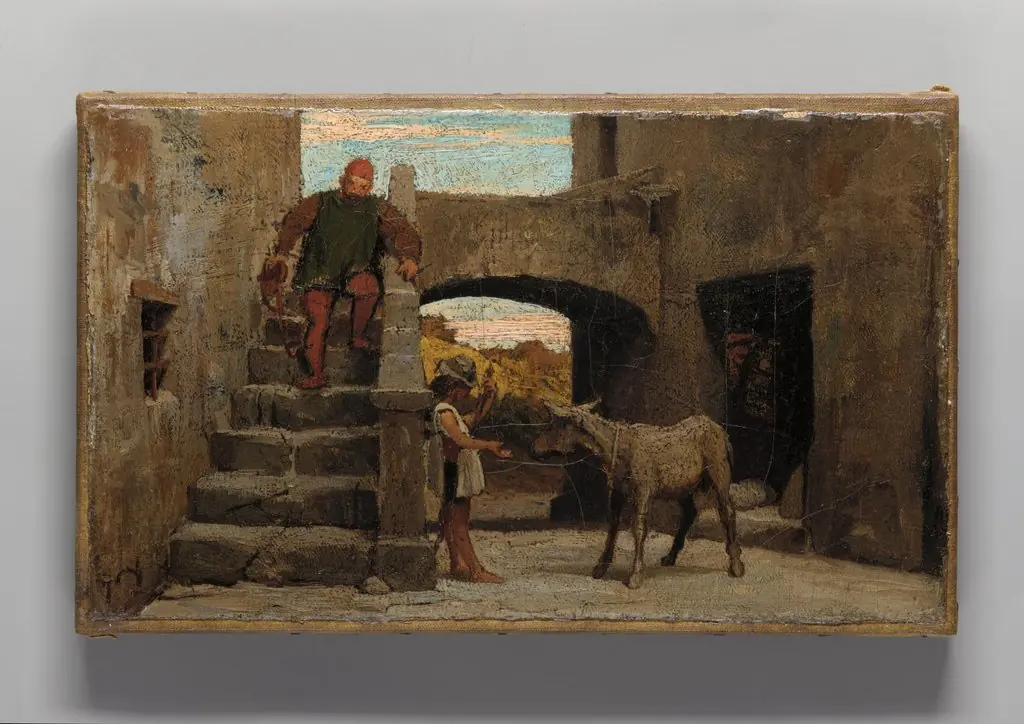 The Fable of the Miller, His Son, and the Donkey
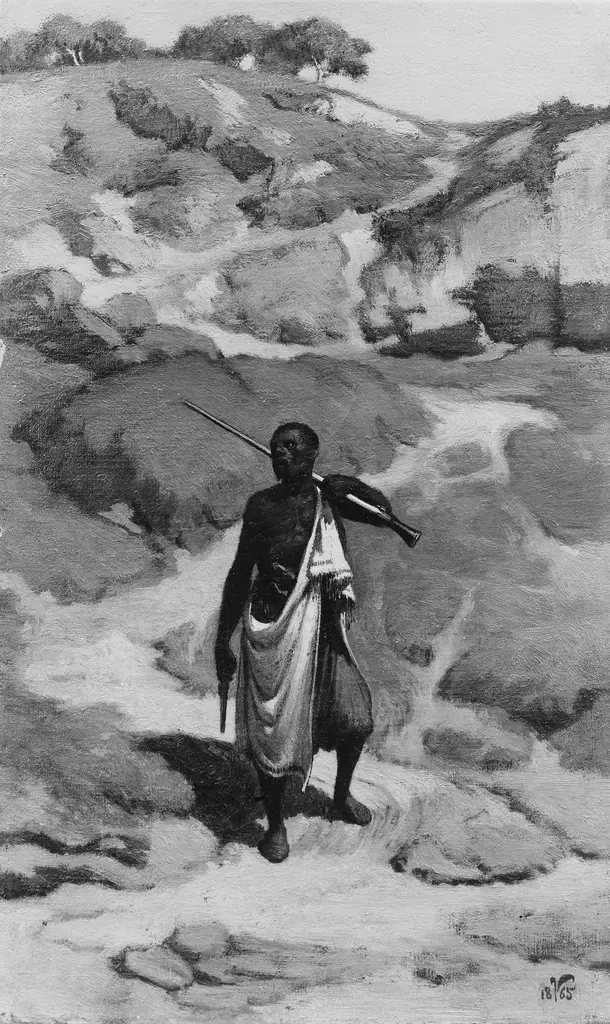 The African Sentinel
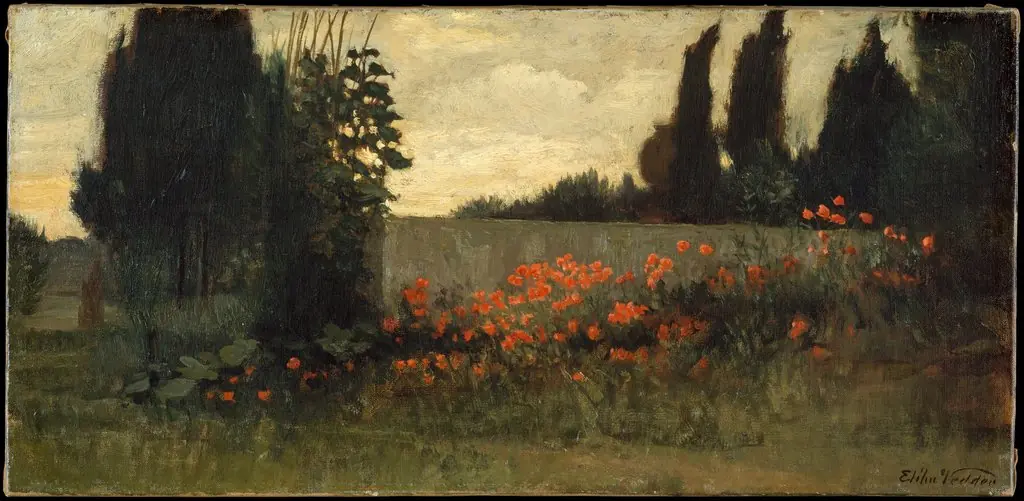 Cypress and Poppies
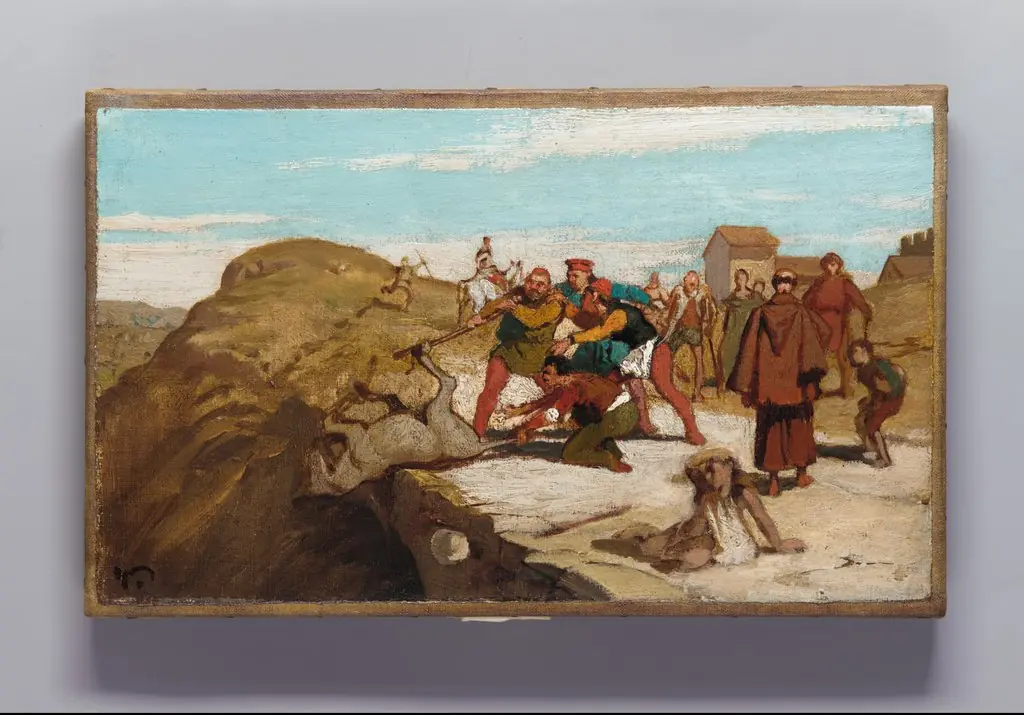 The Fable of the Miller, His Son, and the Donkey