Artwork
Father and Son
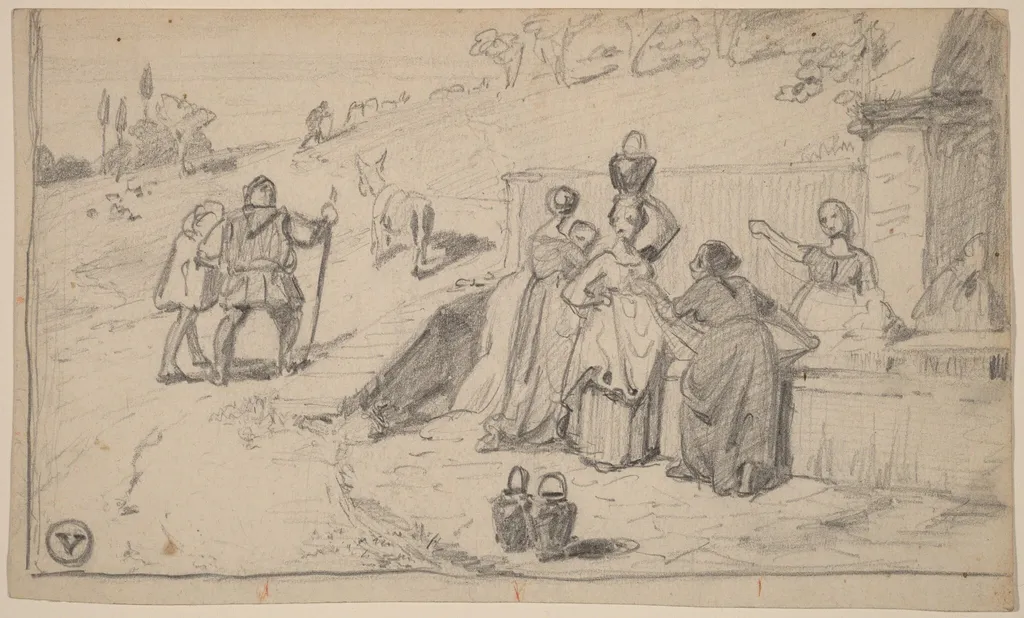
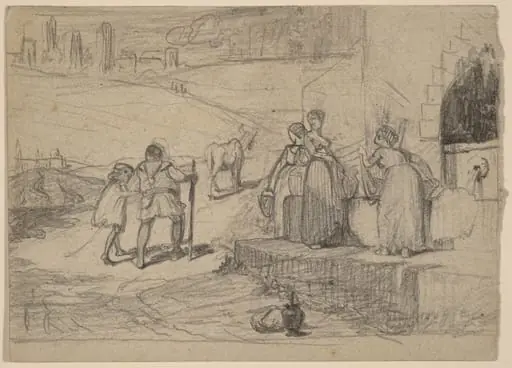
Father and Son is a graphite drawing by the Impressionist artist Elihu Vedder. It dates from 1859 and is held in the collection of the National Gallery of Art.
About this work
Overview
Father and Son is a graphite drawing on wove paper, executed by American artist Elihu Vedder in the late 1850s. The work presents two figures—a mature man in a suit and hat, and a younger boy in simple attire—linked by a gentle gesture of the elder’s arm around the youth’s shoulders. The composition is set against an unadorned background, emphasizing the relationship between the pair.
Subject & Meaning
The drawing captures a moment of quiet intimacy, suggesting themes of paternal guidance and familial affection. The older figure’s protective posture and the boy’s attentive stance convey a sense of mentorship, while the lack of surrounding detail focuses attention on the emotional bond shared between them.
Technique & Style
Vedder employs a restrained chiaroscuro, using graphite to model light and shadow that give the figures a three‑dimensional presence. The contrast between illuminated faces and darker folds of clothing creates depth, while the smooth texture of the wove paper allows fine lines to render subtle facial expressions and fabric details.
History & Provenance
Created during Vedder’s early career, the drawing predates his later fame as a symbolist painter and illustrator, notably his work for Edward FitzGerald’s translation of The Rubaiyat of Omar Khayyam. The piece reflects his early interest in realistic, everyday subjects before he turned to mythic and allegorical themes.
Artist & collection

Artist
Elihu Vedder (26 February 1836 – 29 January 1923) was an American symbolist painter, book illustrator and poet from New York City.

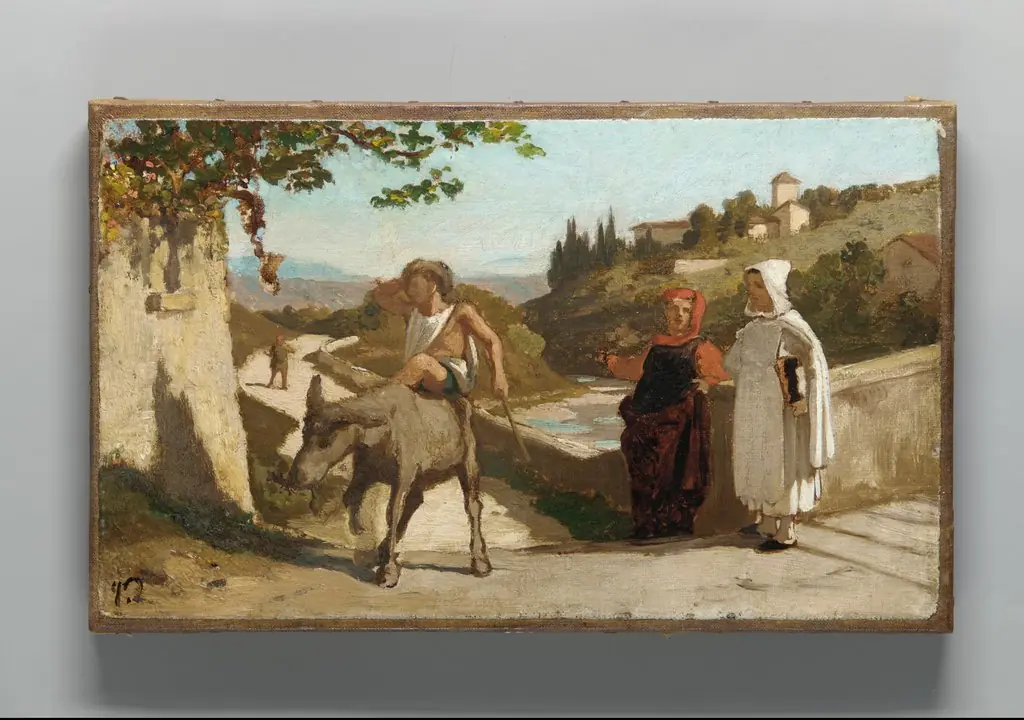 The Fable of the Miller, His Son, and the Donkey
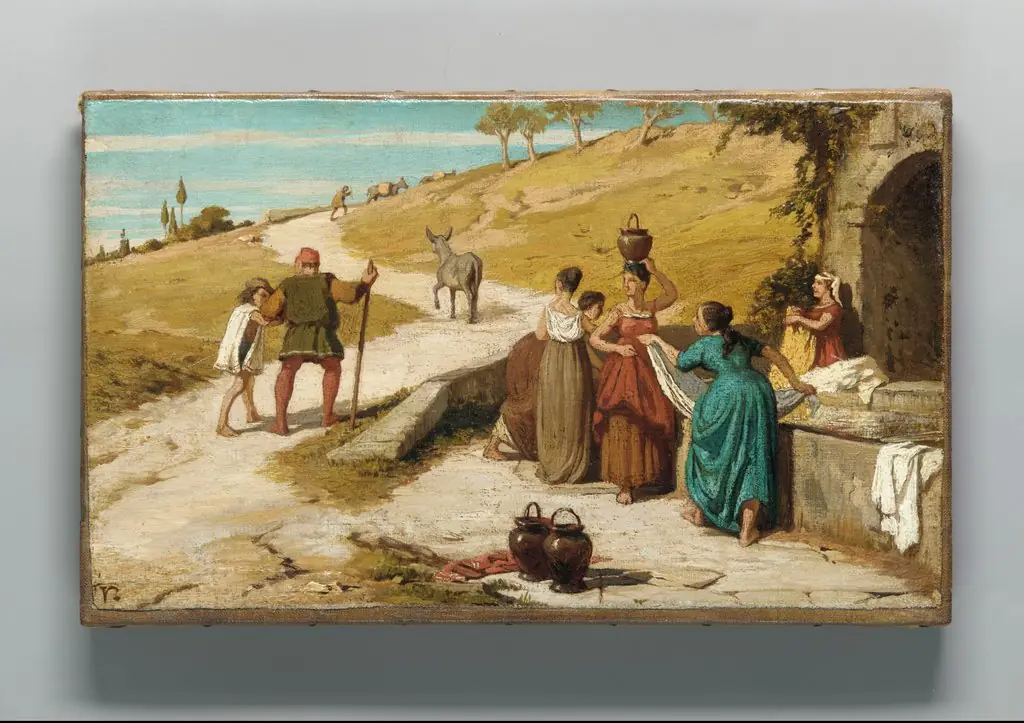 The Fable of the Miller, His Son, and the Donkey
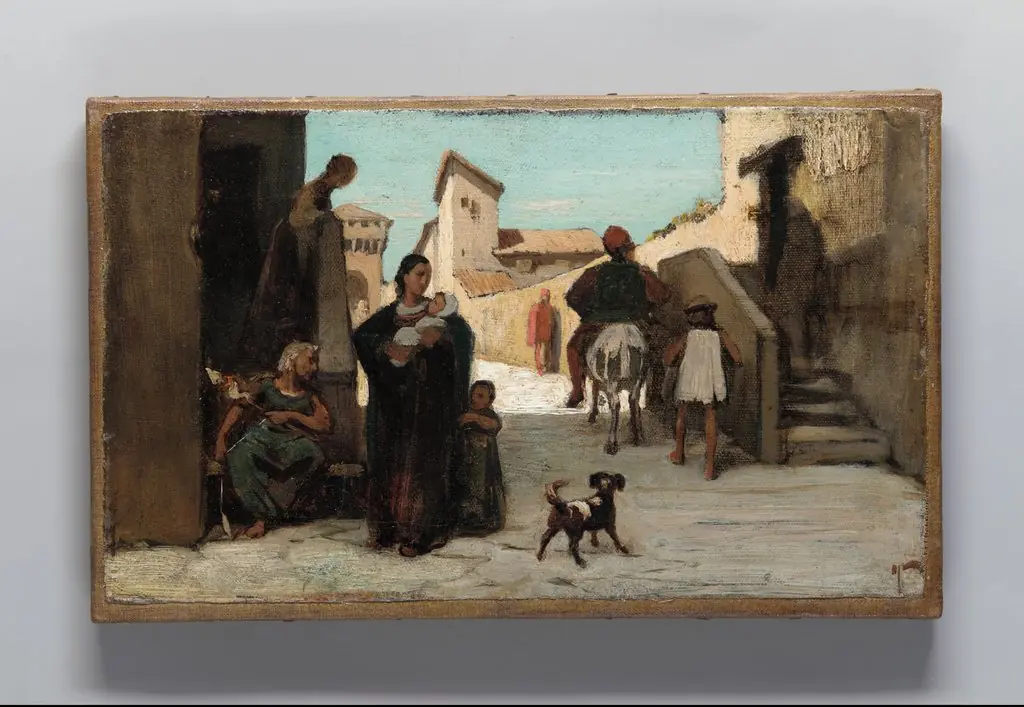 The Fable of the Miller, His Son, and the Donkey
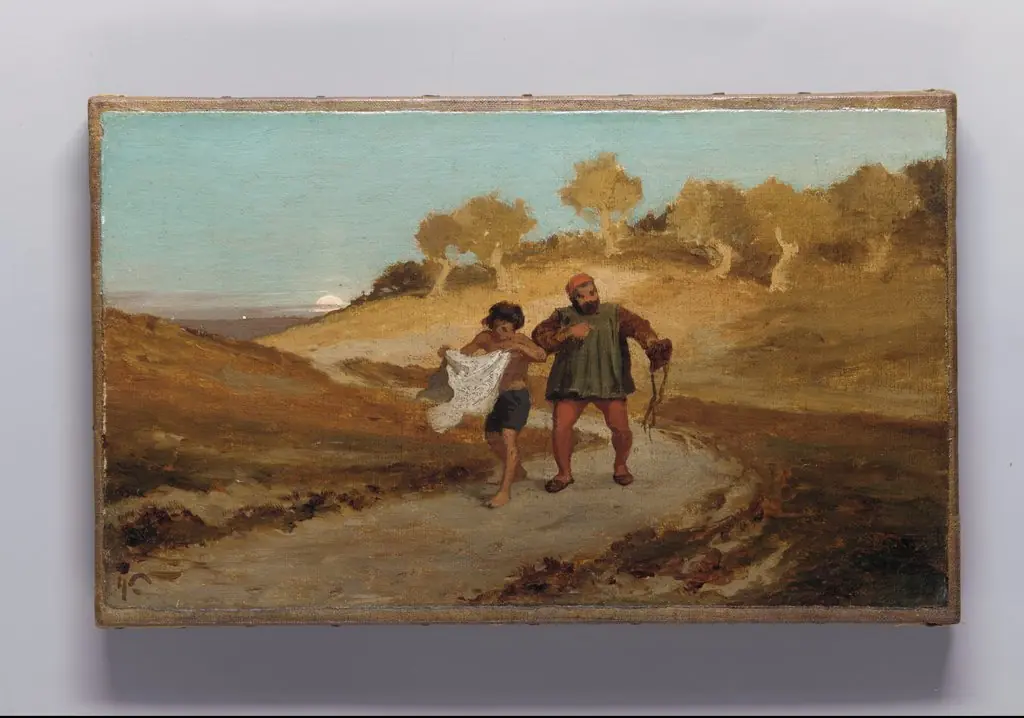 The Fable of the Miller, His Son, and the Donkey
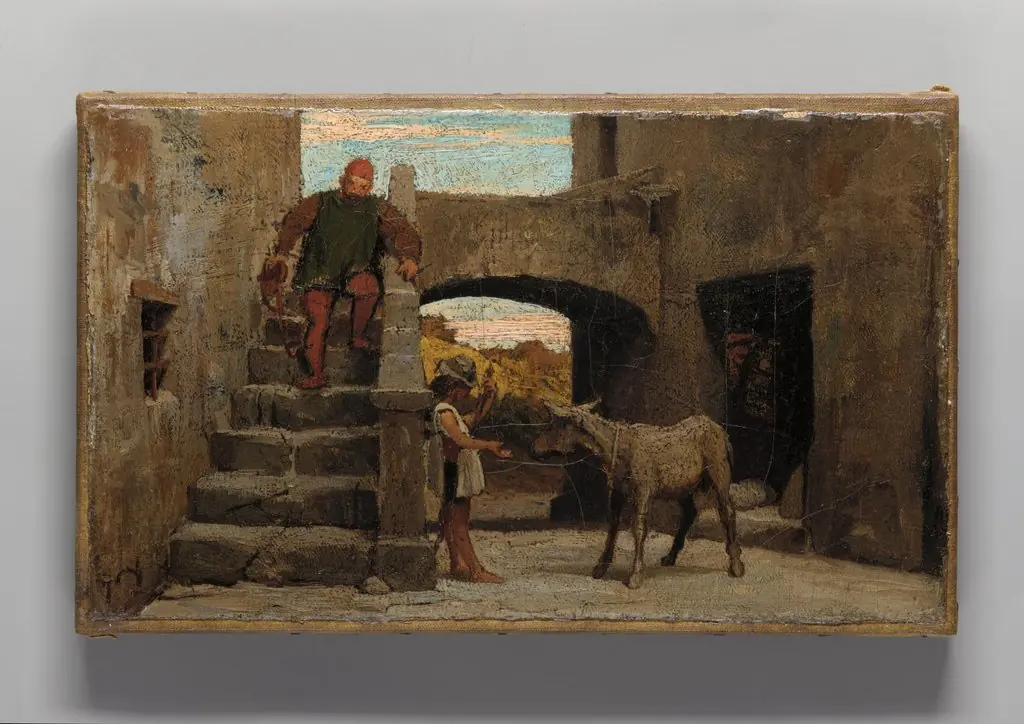 The Fable of the Miller, His Son, and the Donkey
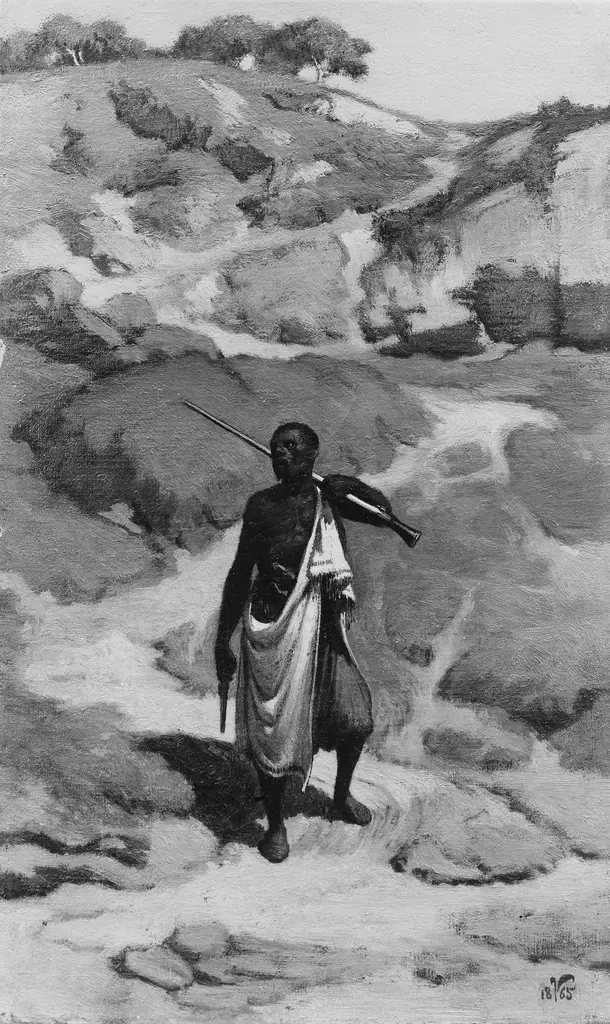 The African Sentinel
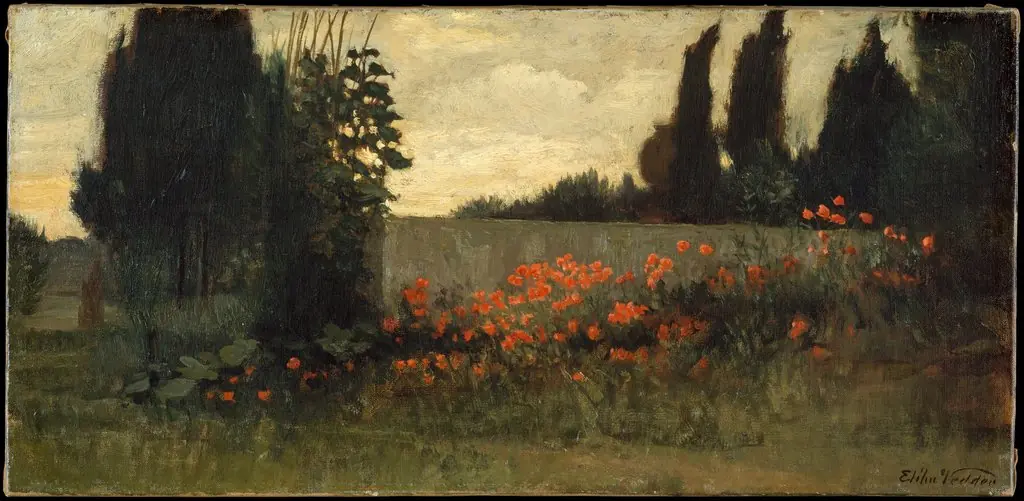 Cypress and Poppies
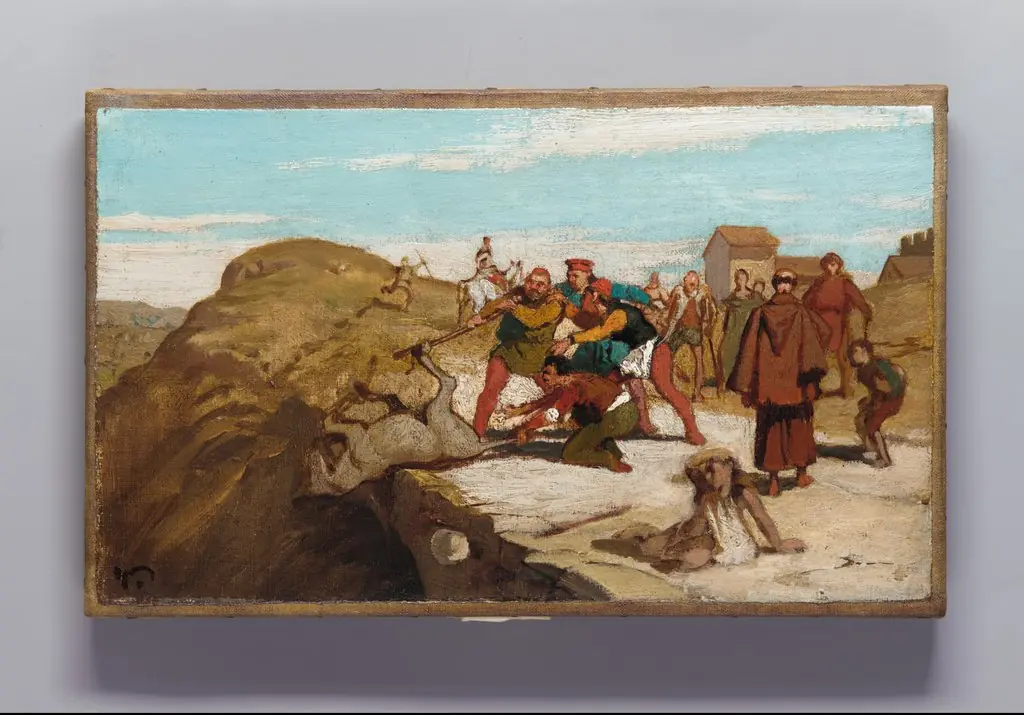 The Fable of the Miller, His Son, and the Donkey
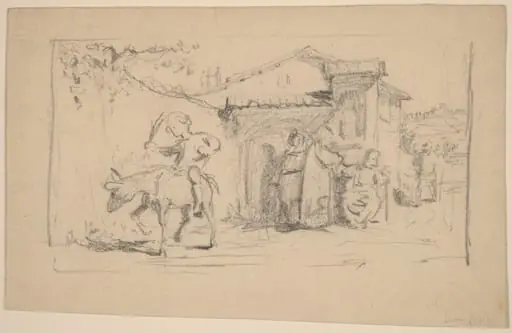 Son and Donkey
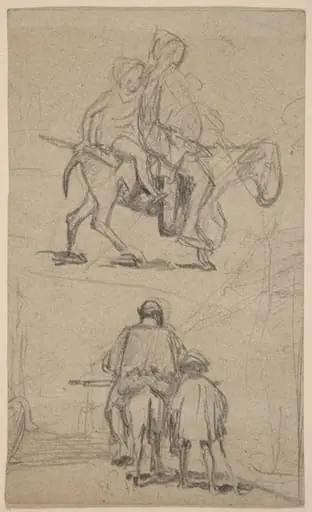 Father, Son, and Donkey
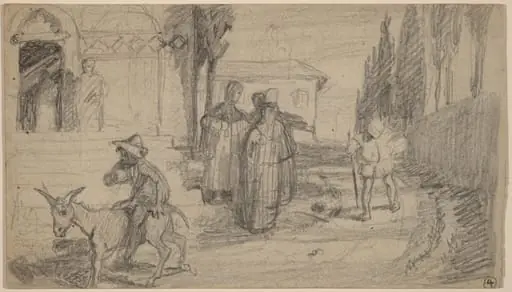 The Parable of the Miller and the Donkey
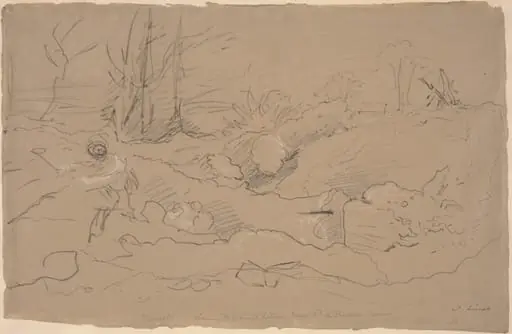 Bayswater, Clearing the Ground between Queen's Road and Porchester Terrace
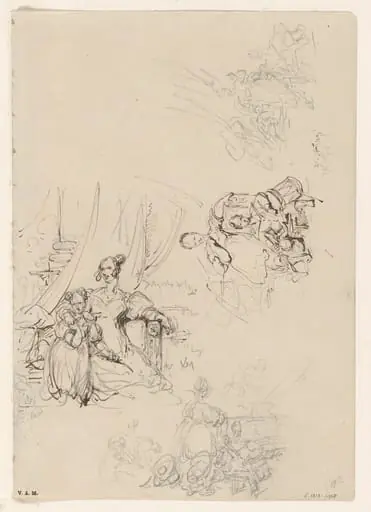 A Western woman with her children in Macau
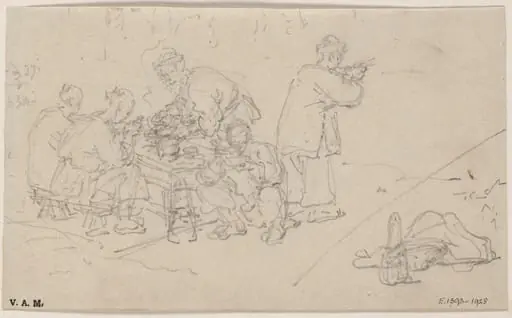 Chinese figures eating food at a table
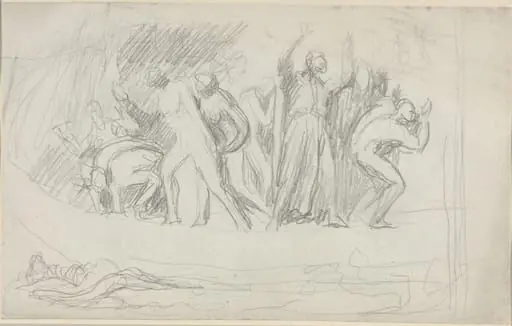 Study for "The Deluge"
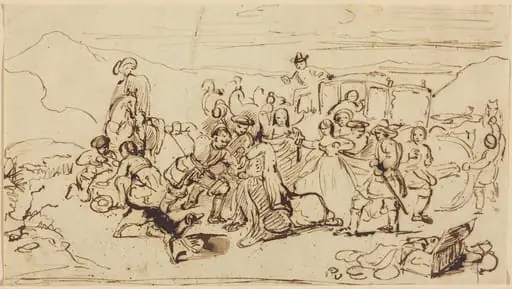 The Murder of Archbishop Sharpe
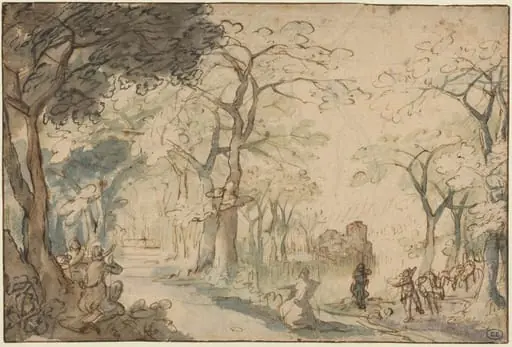 Landscape with Elisha Mocked
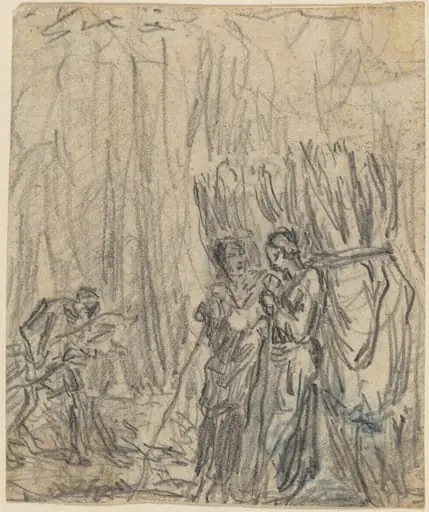 Gleaners
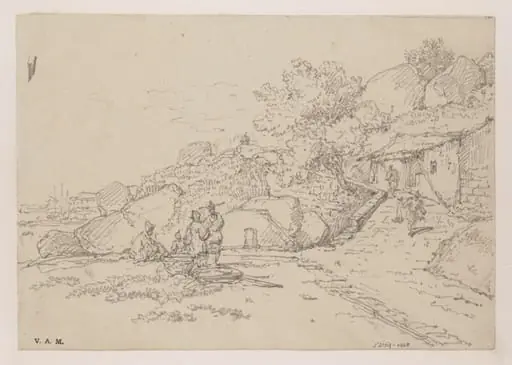 A small building on a rocky hillside, with a group of figures and the bay at left
 Father and Son