Artwork
Tuscany
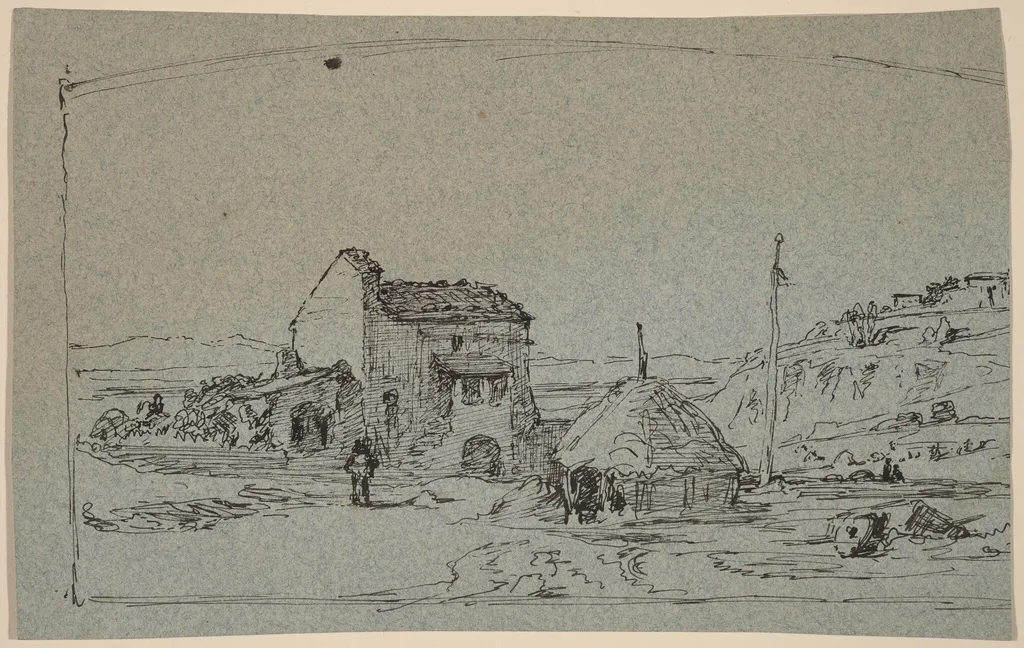
Tuscany is an ink drawing by the Impressionist artist Elihu Vedder. It dates from 1858 and is held in the collection of the National Gallery of Art.
About this work
Overview
Created around 1858, *Tuscany* is a pen drawing on blue wove paper by the American artist Elihu Vedder. Executed before his full immersion in Symbolist circles, the work records a tranquil riverside settlement rendered in stark black ink against a colored ground. The piece exemplifies Vedder’s early interest in landscape, a motif he would revisit throughout his varied career.
Subject & Meaning
The composition depicts a modest village perched beside water, with a cluster of low structures and a central stone edifice. The arrangement suggests a moment of quiet daily life, while the reflective surface of the water hints at a fleeting, atmospheric observation rather than a detailed topographical study. The scene conveys a sense of calm and immediacy.
Technique & Style
Vedder employed swift, sketchy strokes of black ink, allowing the blue paper to serve as a tonal backdrop that heightens the contrast of the drawing. Cross‑hatching and uneven line work generate texture on roofs and water, while the limited palette emphasizes form and light rather than color. The overall effect is that of a rapid visual note, capturing a specific impression.
History & Provenance
*Tuscany* belongs to the period when Vedder was establishing himself as an illustrator and poet in New York, prior to his later fame for the illustrations of *The Rubaiyat of Omar Khayyam*. The drawing remains a testament to his formative years, illustrating the transition from conventional illustration toward the more allegorical concerns that would define his Symbolist phase.
Artist & collection

Artist
Elihu Vedder (26 February 1836 – 29 January 1923) was an American symbolist painter, book illustrator and poet from New York City.

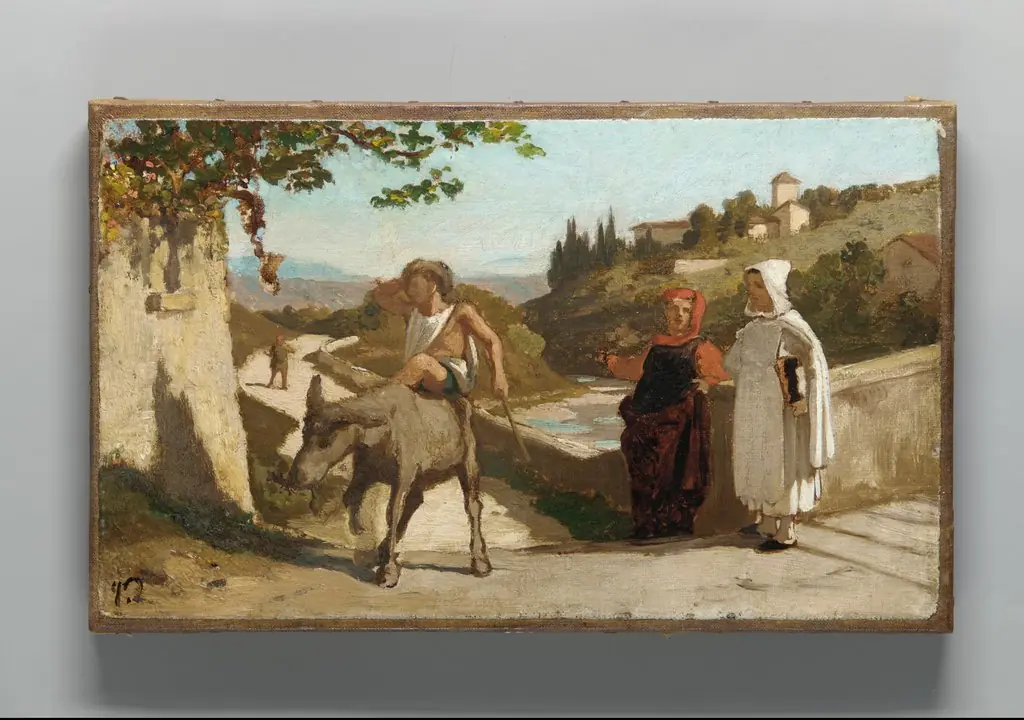 The Fable of the Miller, His Son, and the Donkey
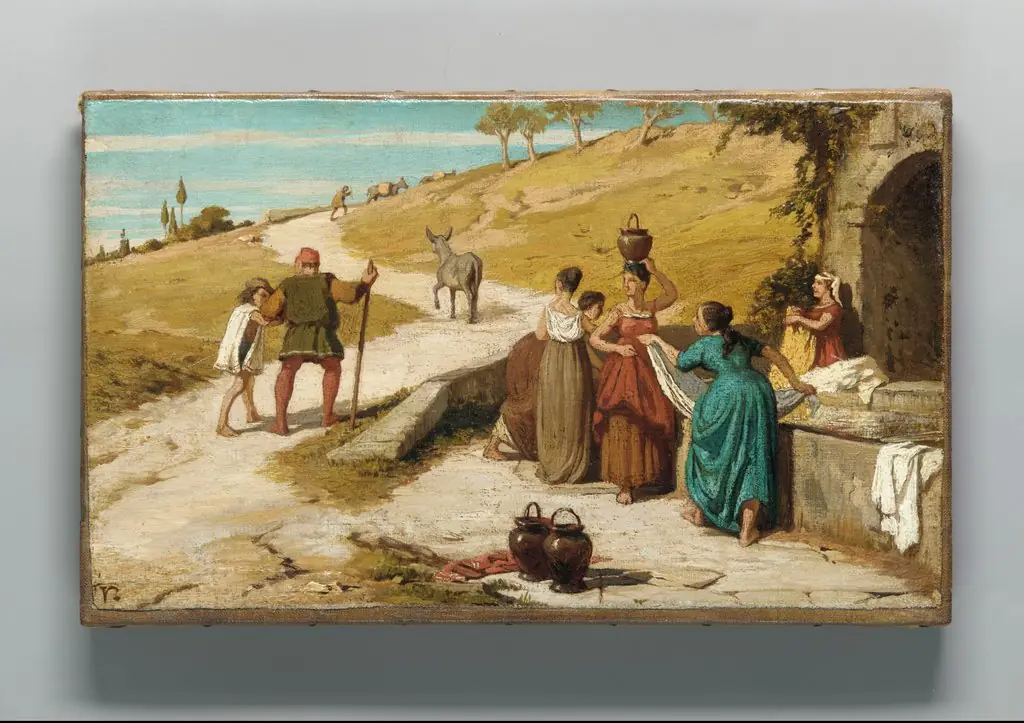 The Fable of the Miller, His Son, and the Donkey
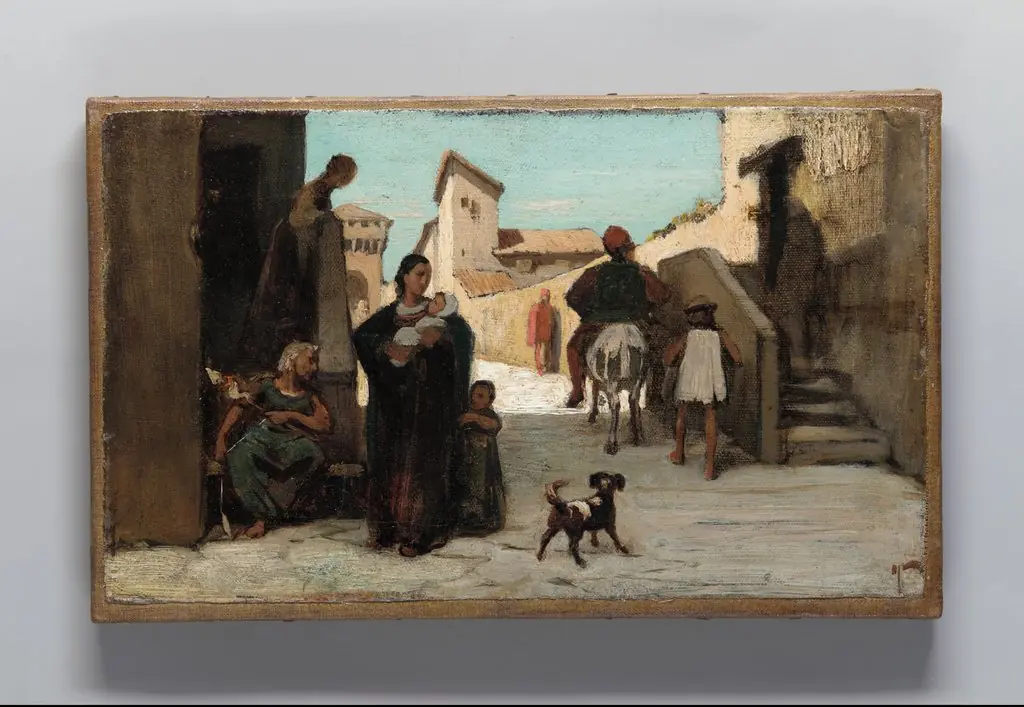 The Fable of the Miller, His Son, and the Donkey
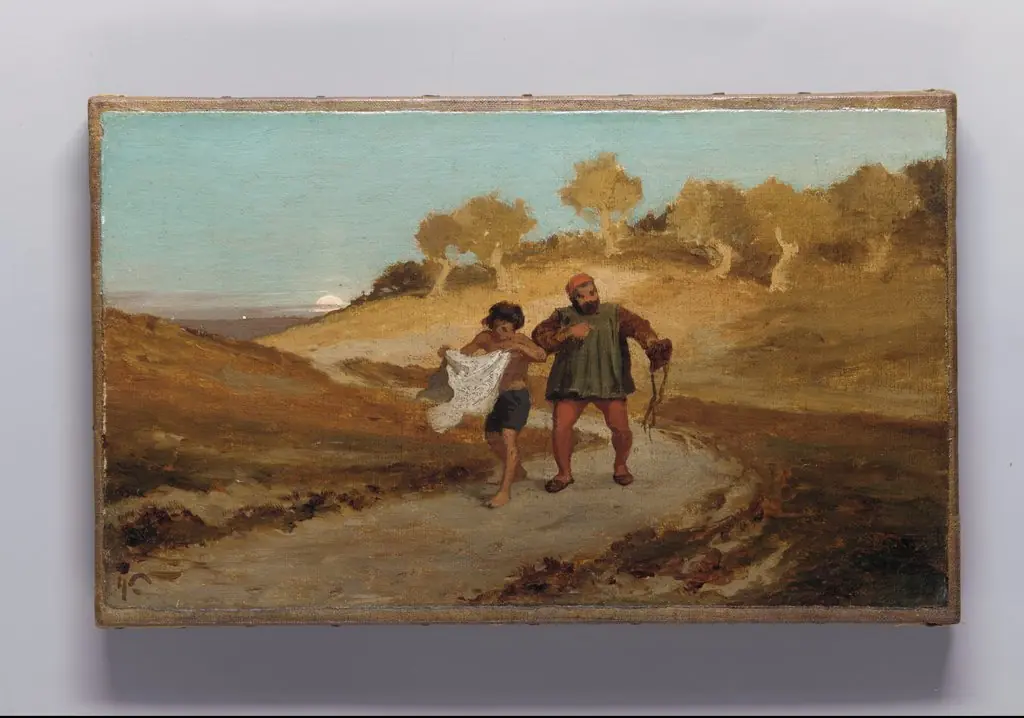 The Fable of the Miller, His Son, and the Donkey
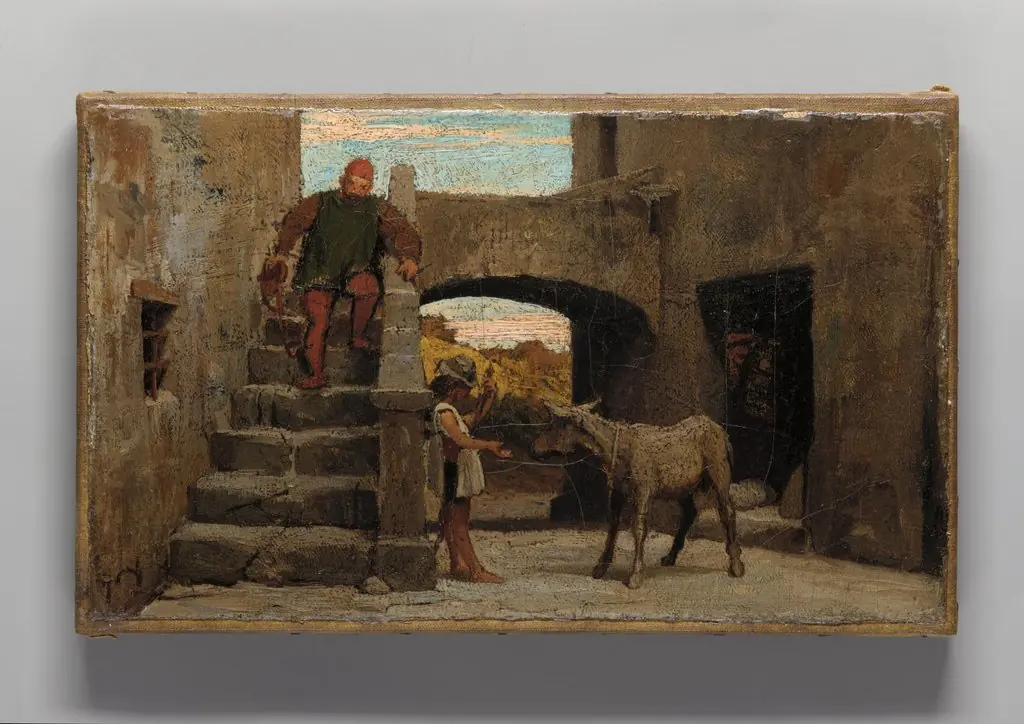 The Fable of the Miller, His Son, and the Donkey
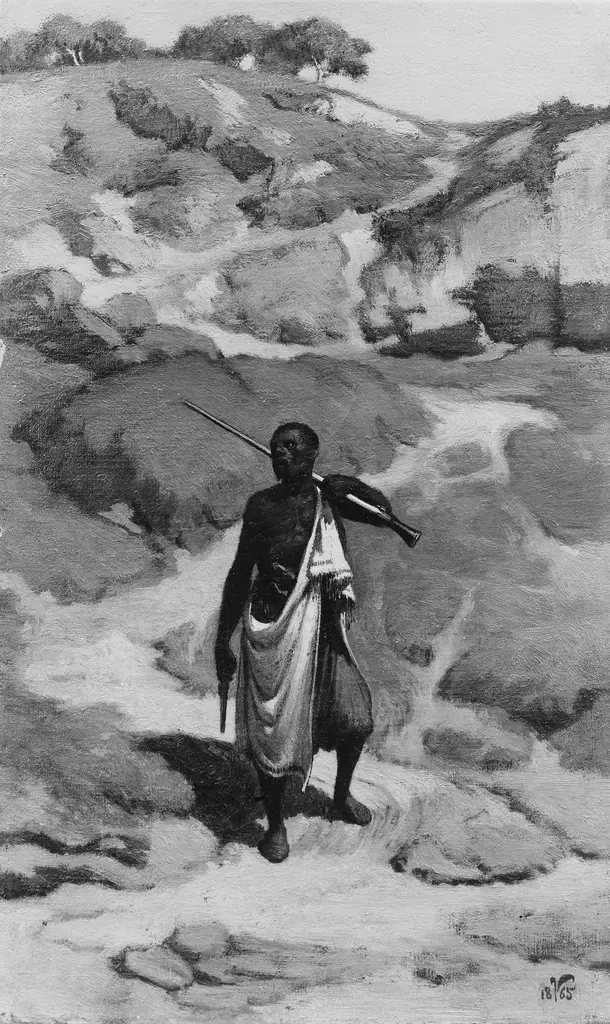 The African Sentinel
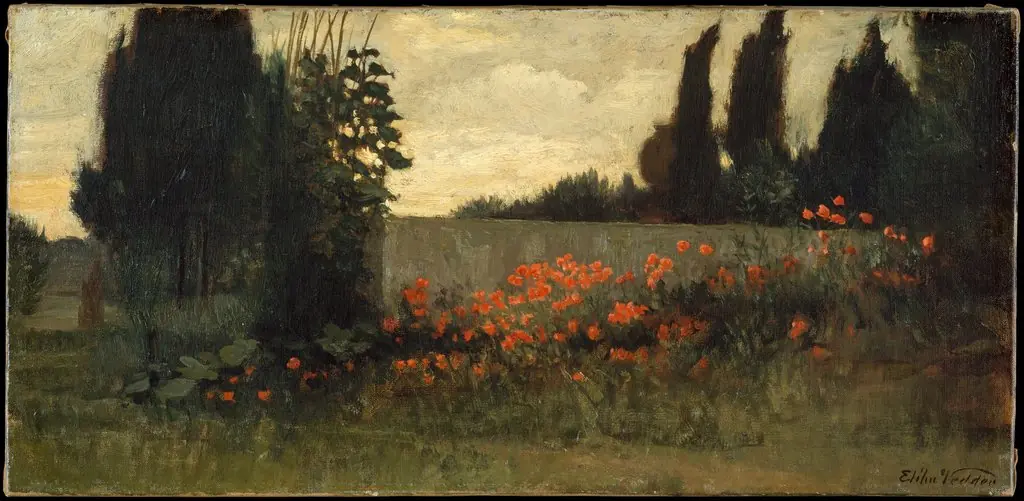 Cypress and Poppies
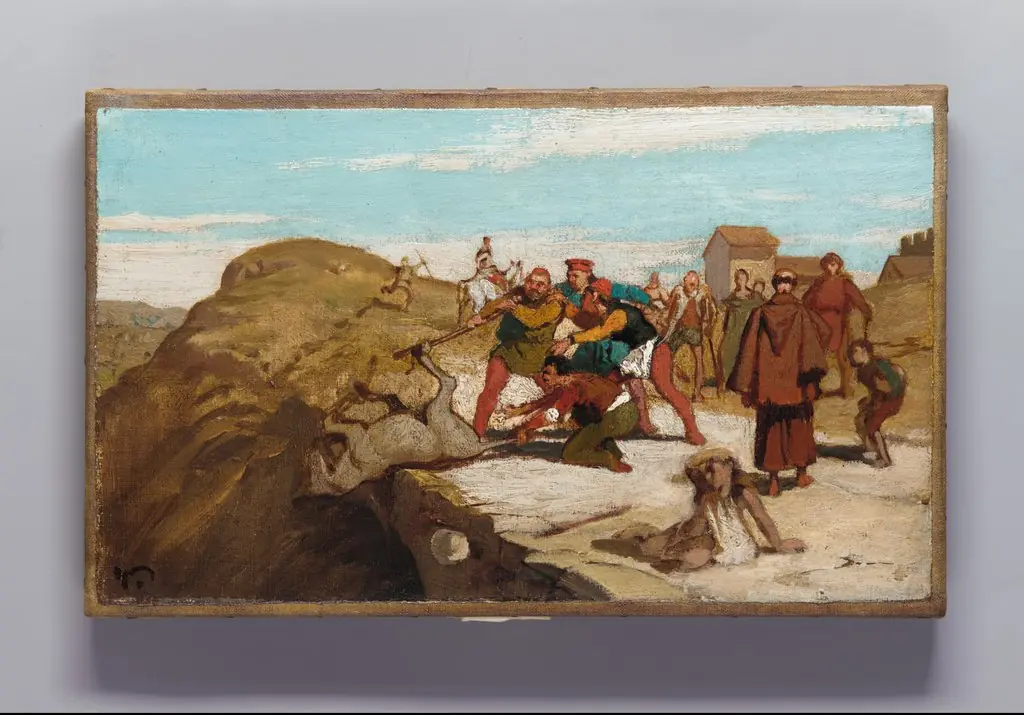 The Fable of the Miller, His Son, and the Donkey
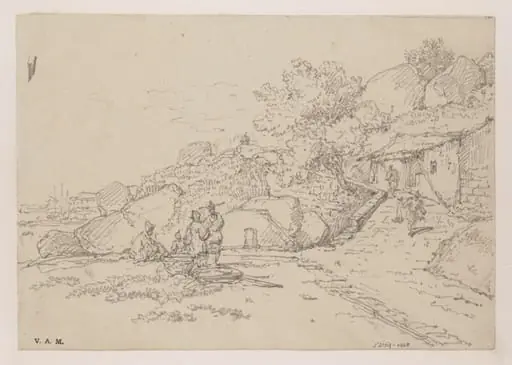 A small building on a rocky hillside, with a group of figures and the bay at left
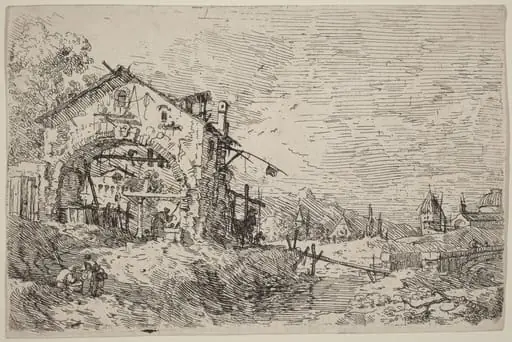 Landscape with a Woman at a Well
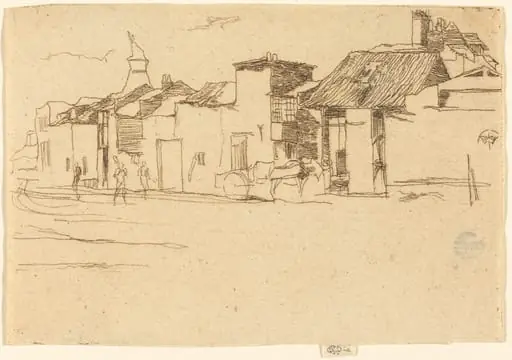 The Old Swan Brewery, Chelsea
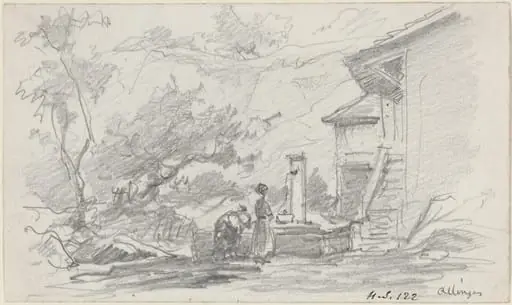 Women at a Well, Allinges
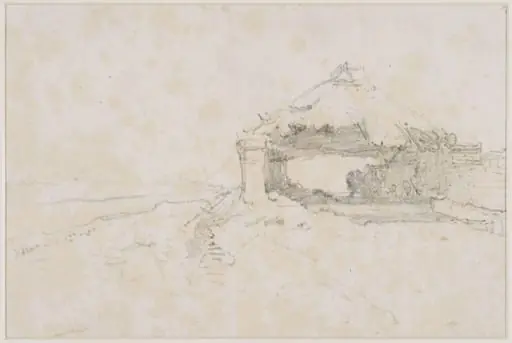 Swanage. Cart shed. 1879.
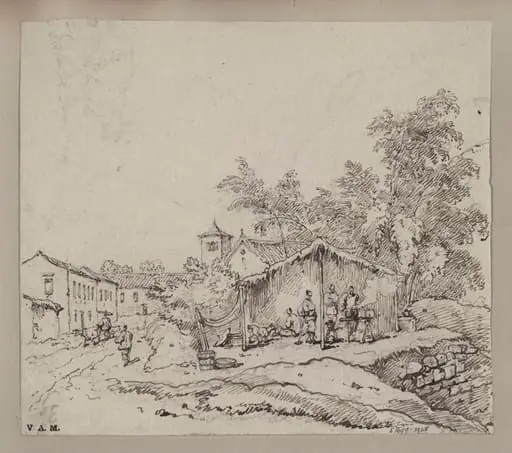 Blacksmiths beneath a thatched shelter, with the church of S. Antonio, Macau
![Buildings on a River Bank [verso], by Master of the Blue Landscapes](https://artifactworldgallery.com/img/master-of-the-blue-landscapes--buildings-on-a-river-bank-verso--87ce0f447b9c44c2-w320.webp) Buildings on a River Bank [verso]
Buildings on a River Bank [verso]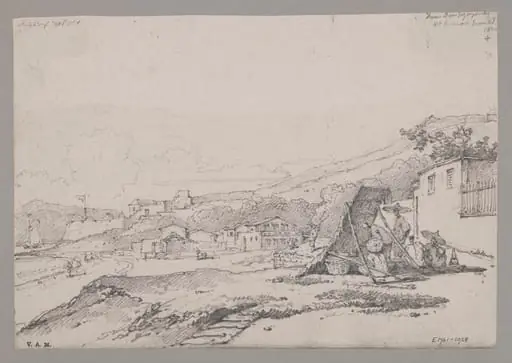 Corner of Macao Bay, looking west
 Houses in a Landscape
 Roman Buildings with an Open Shed
 Sketch of Landscape with Cottage
 Ruins of the Swedish Factory, Macao, 1831