Artwork
The Veneration of St. Atto’s Miraculously Preserved Body
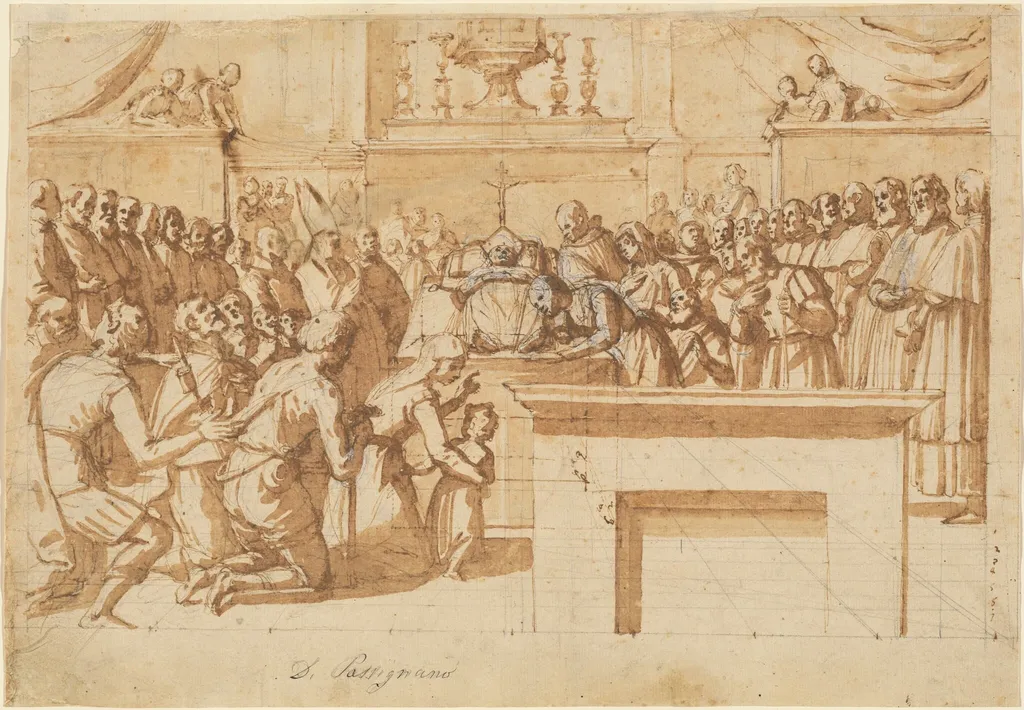
The Veneration of St. Atto’s Miraculously Preserved Body is a chalk drawing by the Baroque artist Benedetto Veli. It dates from 1607 and is held in the collection of the National Gallery of Art.
About this work
Overview
Created around 1607 by the Florentine artist Benedetto Veli, this drawing captures a devotional moment centered on the preserved body of St.
Created around 1607 by the Florentine artist Benedetto Veli, this drawing captures a devotional moment centered on the preserved body of St. Atto. Executed in pen and brown ink with wash, black chalk, graphite perspective lines, and white gouache corrections on laid paper, it reflects the artist’s technical discipline and engagement with sacred narrative. The work belongs to a tradition of preparatory or devotional drawings from early 17th-century Tuscany, where precise draftsmanship served both compositional and spiritual ends.
Subject & Meaning
The scene portrays a group of worshippers gathered around the incorrupt body of St. Atto, displayed on a table within a grand interior. Figures kneel, stand, and gesture in quiet reverence, emphasizing the sanctity of the relic. The setting suggests a church or chapel, reinforcing the liturgical context of veneration. The composition directs attention to the body as the focal point of faith, aligning with Counter-Reformation ideals that promoted the tangible presence of saints as conduits of divine grace.
Technique & Style
Veli employed layered media to achieve depth and clarity: brown ink and wash define form and shadow, while black chalk underdrawings establish structure. Graphite perspective lines guide architectural space, and white gouache corrects minor errors, revealing a process of refinement. The restrained palette of browns and muted tones enhances solemnity, and the detailed rendering of figures and drapery reflects a commitment to naturalism within a devotional framework, characteristic of Florentine draftsmanship of the period.
History & Provenance
The drawing’s early history is undocumented, but its style and materials align with Florentine workshop practices of the early 1600s. It likely served as a preparatory study for a larger altarpiece or as a devotional object in a religious context. No record of its original commission survives, but its preservation suggests it was valued for its technical quality and spiritual resonance within ecclesiastical circles.
Context
In early 17th-century Tuscany, the veneration of saints’ relics remained central to Catholic devotion, especially after the Council of Trent. Artists like Veli responded to renewed emphasis on visible piety through detailed, emotionally restrained imagery. This drawing reflects a regional preference for clarity and order over theatricality, distinguishing it from more flamboyant Roman Baroque works while still engaging with the era’s spiritual urgency.
Legacy
Though Benedetto Veli is not widely known today, this drawing exemplifies the quiet rigor of Florentine draftsmanship during the Baroque transition. Its survival offers insight into how religious subjects were visualized in preparatory form, bridging sketch and final commission. The work stands as a testament to the role of drawing in sustaining devotional culture, where precision and restraint were as vital as emotional expression.
Artist & collection
Artist
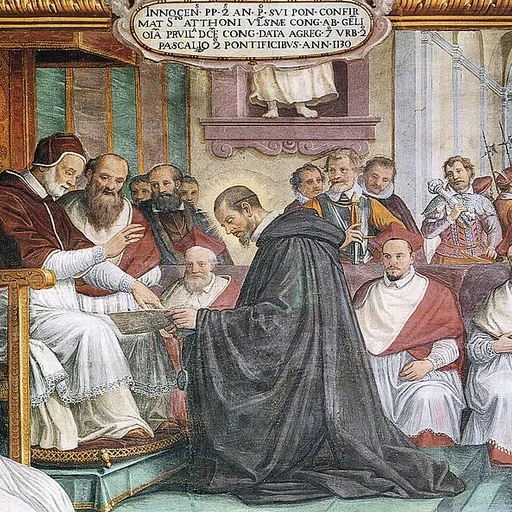
Benedetto Velli was an Italian painter of the Baroque period. He was born in Florence, and flourished in the 17th century. He painted an Ascension for the cathedral at Pistoia.

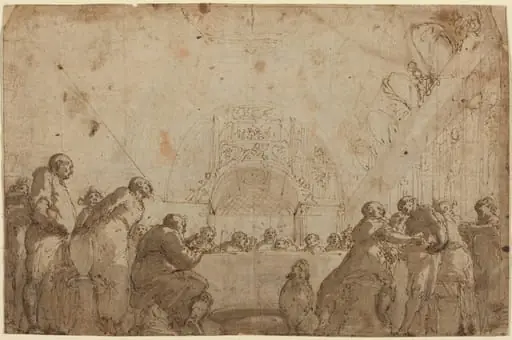 The Last Supper
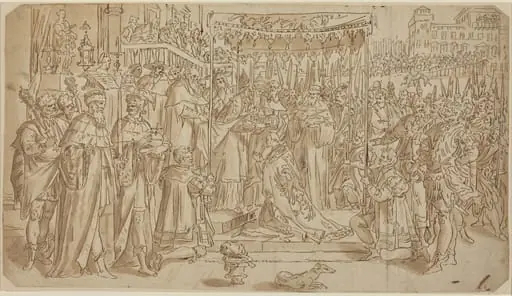 Coronation of the Emperor
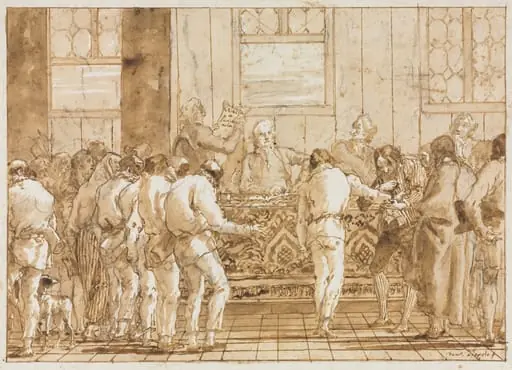 The Trial
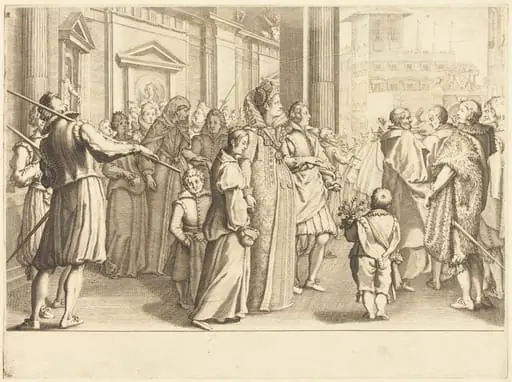 Grand Duchess at the Procession of the Young Girls
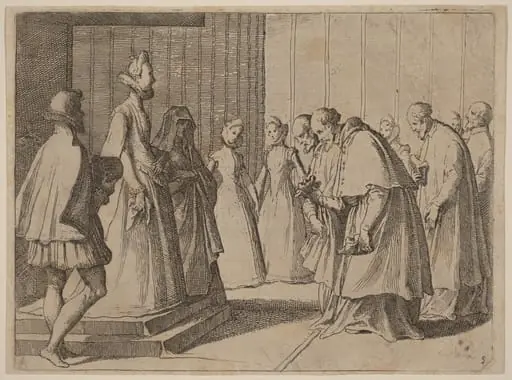 Margaret of Austria Receiving the Homage of Cardinals and Prelates
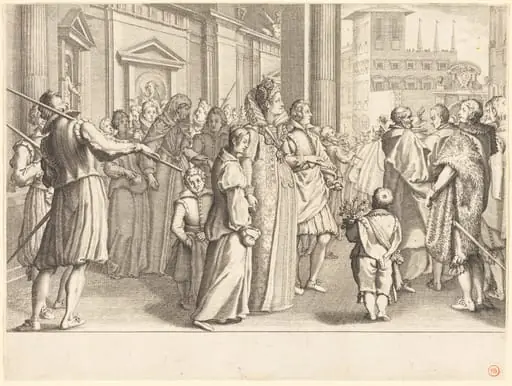 Grand Duchess at the Procession of the Young Girls
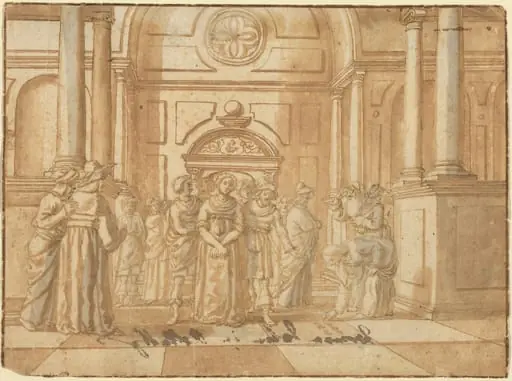 Christ and the Woman Taken in Adultery
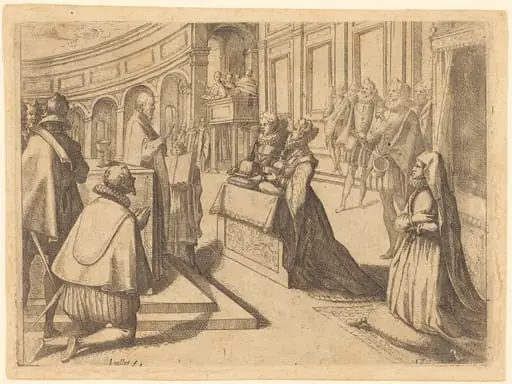 Marriage of Margaret of Austria and Philip III
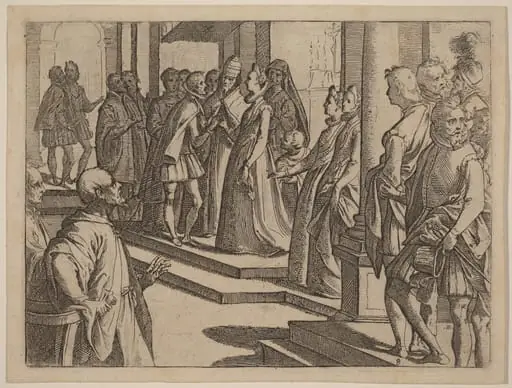 The Betrothal of Margaret of Austria to Philip III, King of Spain
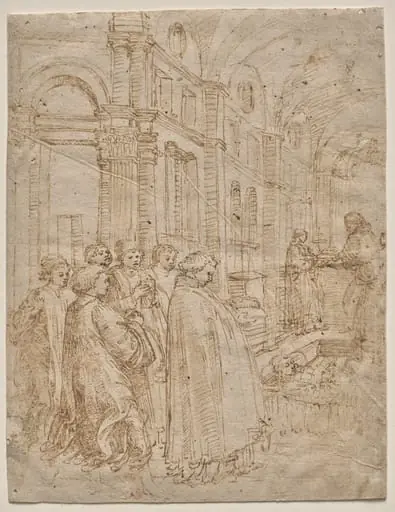 The Funeral of Saint Stephen
![The Adoration of the Magi [recto], by Donato Creti](https://artifactworldgallery.com/img/donato-creti--the-adoration-of-the-magi-recto--2cfd5d76b55e821e-w320.webp) The Adoration of the Magi [recto]
The Adoration of the Magi [recto]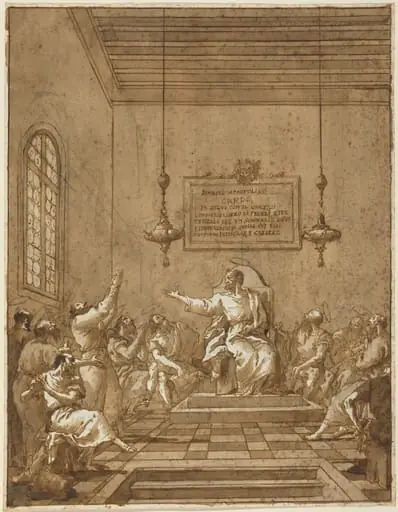 The Apostles' Creed