Artwork
The Trial
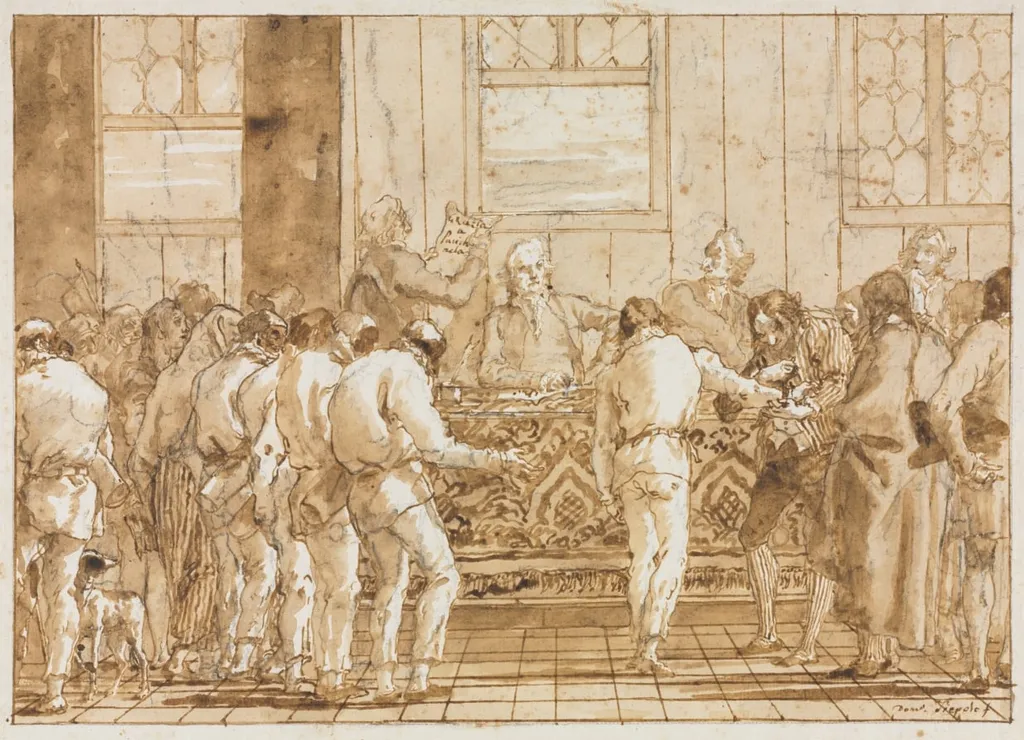
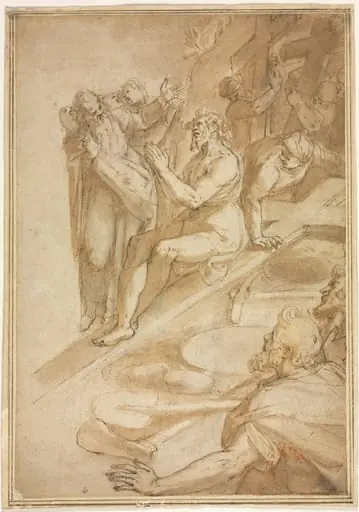
The Trial is a drawing by the Romanticist artist Giovanni Domenico Tiepolo. It dates from 1794 and is held in the collection of the Cleveland Museum of Art.
About this work
Overview
Created around 1794, *The Trial* is a pen-and-ink drawing by Giovanni Domenico Tiepolo, a Venetian artist known for his work in painting and printmaking.
Created around 1794, *The Trial* is a pen-and-ink drawing by Giovanni Domenico Tiepolo, a Venetian artist known for his work in painting and printmaking. As the son of Giovanni Battista Tiepolo, he operated within a family tradition of visual storytelling. The piece is part of the Cleveland Museum of Art’s collection and exemplifies his later focus on intimate, observational scenes rather than grand historical narratives.
Subject & Meaning
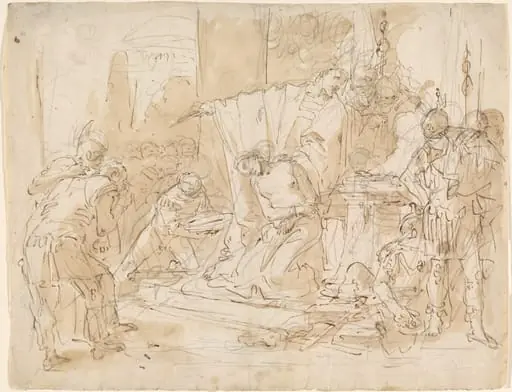
The scene depicts a courtroom filled with figures in 18th-century attire, gathered around a judge seated at an elevated desk. Gestures and postures suggest tension and curiosity, capturing a moment of public proceedings. A calm dog in the corner adds an unobtrusive, almost mundane detail, grounding the drama in everyday reality. The work implies an interest in social ritual, not legal justice, emphasizing human behavior over institutional authority.
Technique & Style
Tiepolo employed rapid, fluid ink lines to convey movement and spatial depth. The drawing’s loose, sketchlike quality suggests immediacy, as if recorded from life. Light and shadow are suggested through varied line weight and sparse hatching, creating volume without heavy modeling. The composition is unstructured yet balanced, with figures arranged organically to guide the viewer’s eye through the crowded space.
History & Provenance
The drawing emerged from Tiepolo’s later years, after his work as a fresco painter declined in prominence. It was likely made for personal or private circulation rather than public display. Acquired by the Cleveland Museum of Art in the 20th century, it reflects a shift in artistic priorities during the late 18th century, favoring intimate observation over monumental commissions.
Context
In the 1790s, Tiepolo lived in relative isolation in Venice, turning away from large-scale religious and mythological projects. His drawings from this period often depict ordinary scenes—marketplaces, street performers, legal proceedings—suggesting a fascination with the mundane. This work aligns with broader European trends toward realism and social documentation in the wake of Enlightenment thought.
Legacy
Though less celebrated than his father’s work, Giovanni Domenico Tiepolo’s drawings are now recognized for their psychological nuance and informal elegance. *The Trial* exemplifies his ability to transform fleeting moments into enduring visual records. His sketches influenced later generations of draftsmen who valued spontaneity and human observation over formal grandeur.
Artist & collection
Artist
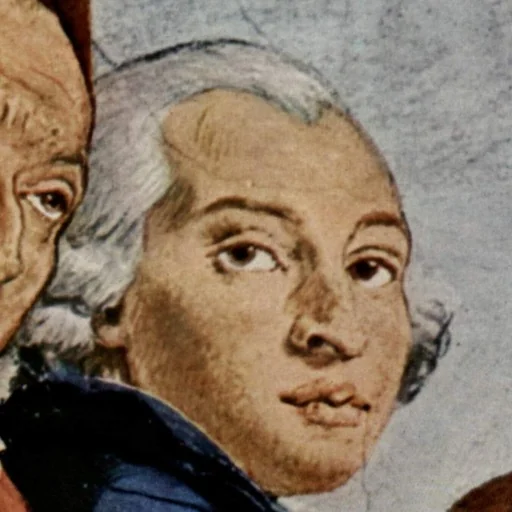
Giovanni Domenico Tiepolo (August 30, 1727 – March 3, 1804) was an Italian painter and printmaker in etching. He was the son of artist Giovanni Battista Tiepolo and elder brother of Lorenzo Baldissera Tiepolo.

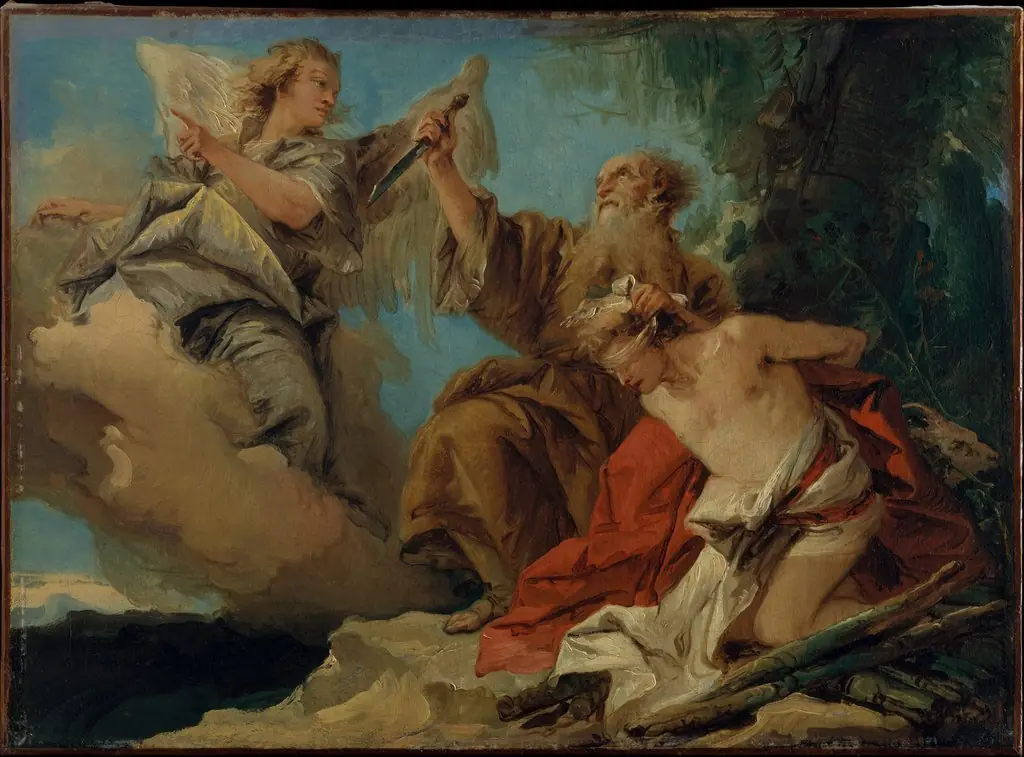
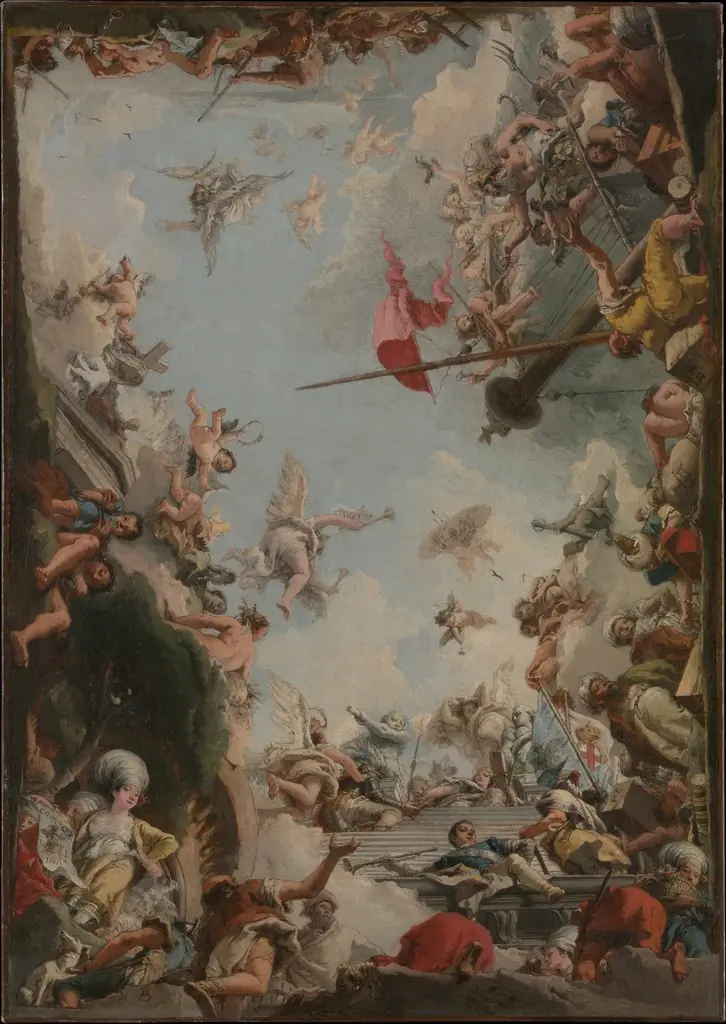
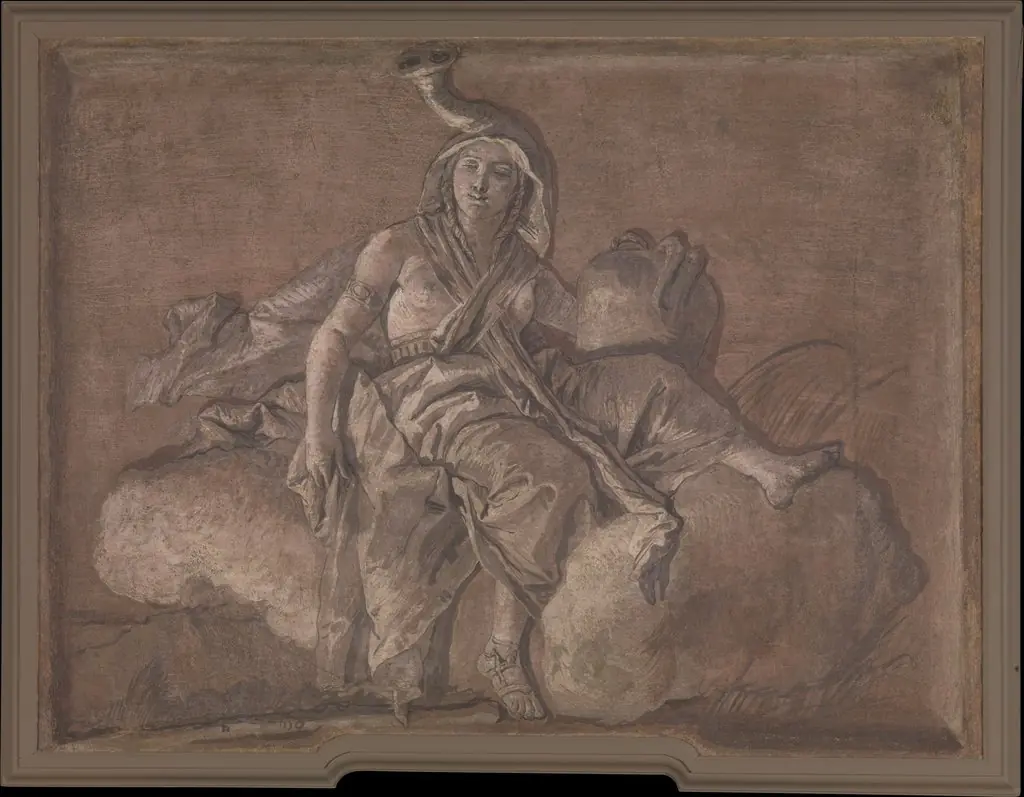
 The Sacrifice of Iphigenia (recto) / Study of a Male Nude (verso)
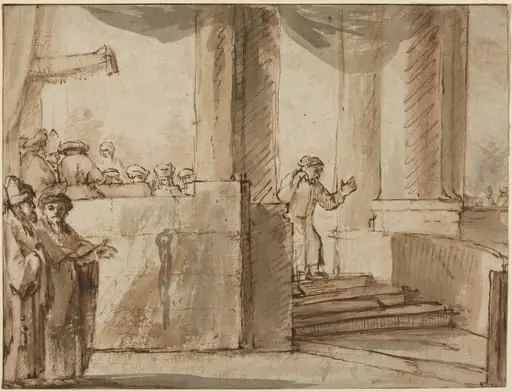 Judas Leaving the High Priest
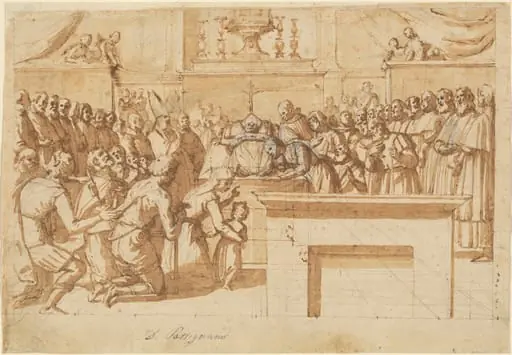 The Veneration of St. Atto’s Miraculously Preserved Body
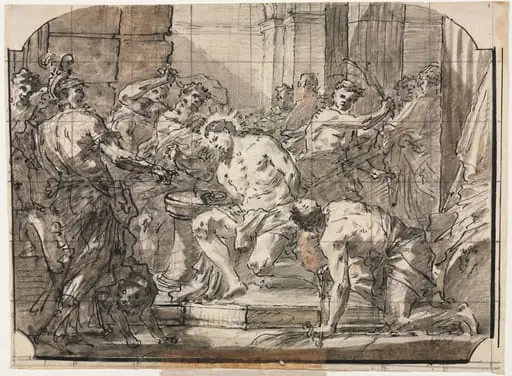 Flagellation of Christ
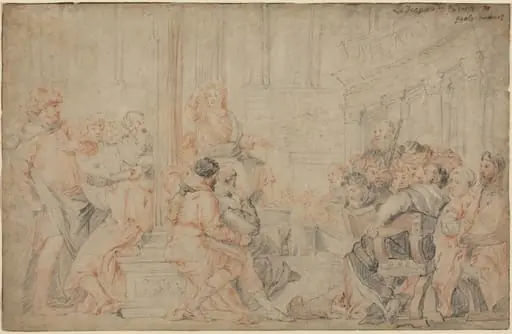 Christ among the Doctors
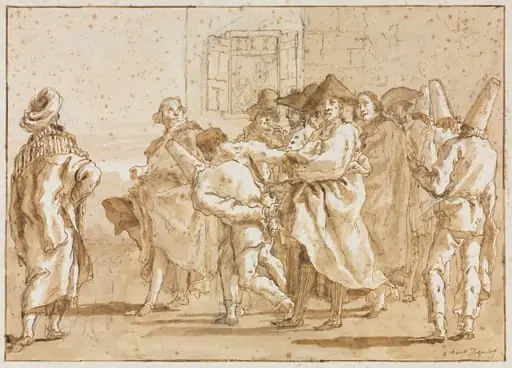 Punchinello Arrested
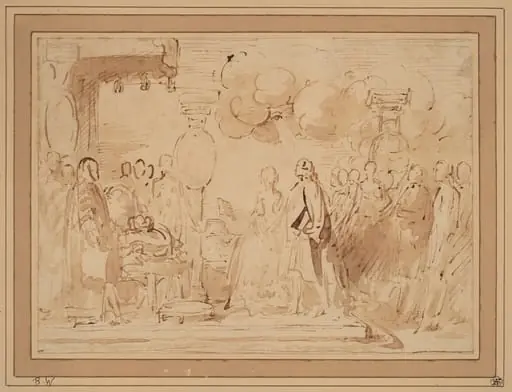 George III Resuming Royal Power in 1789
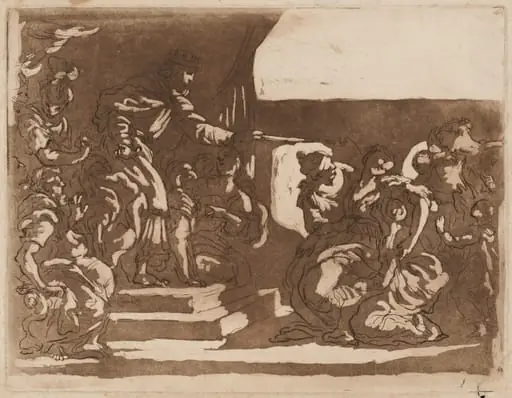 Esther before Ahasuerus
![The Adoration of the Magi [recto], by Donato Creti](https://artifactworldgallery.com/img/donato-creti--the-adoration-of-the-magi-recto--2cfd5d76b55e821e-w320.webp) The Adoration of the Magi [recto]
The Adoration of the Magi [recto]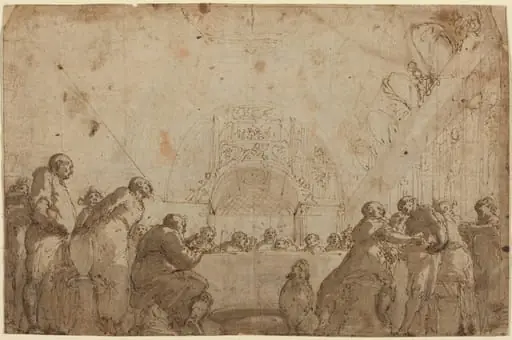 The Last Supper
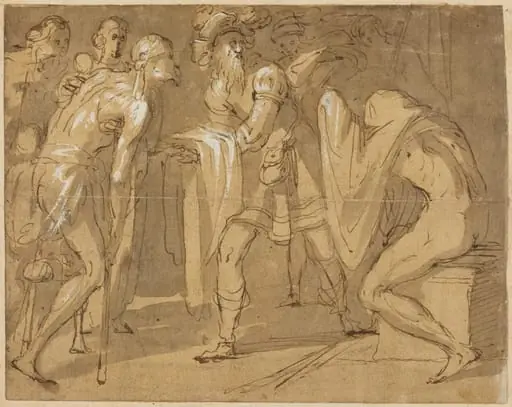 Saint Homobono
 The Verification of the True Cross