Artwork
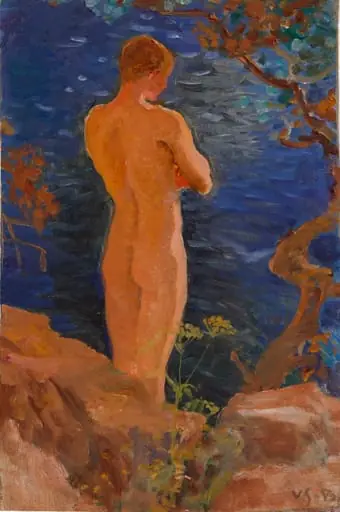
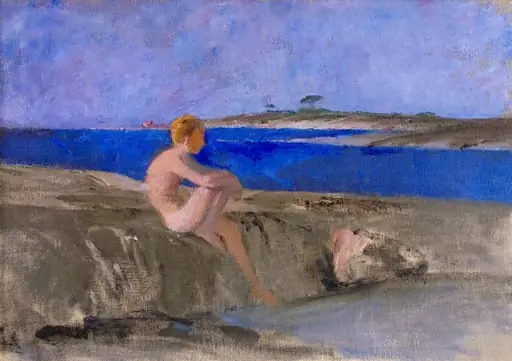
Kalliolla istuva mies
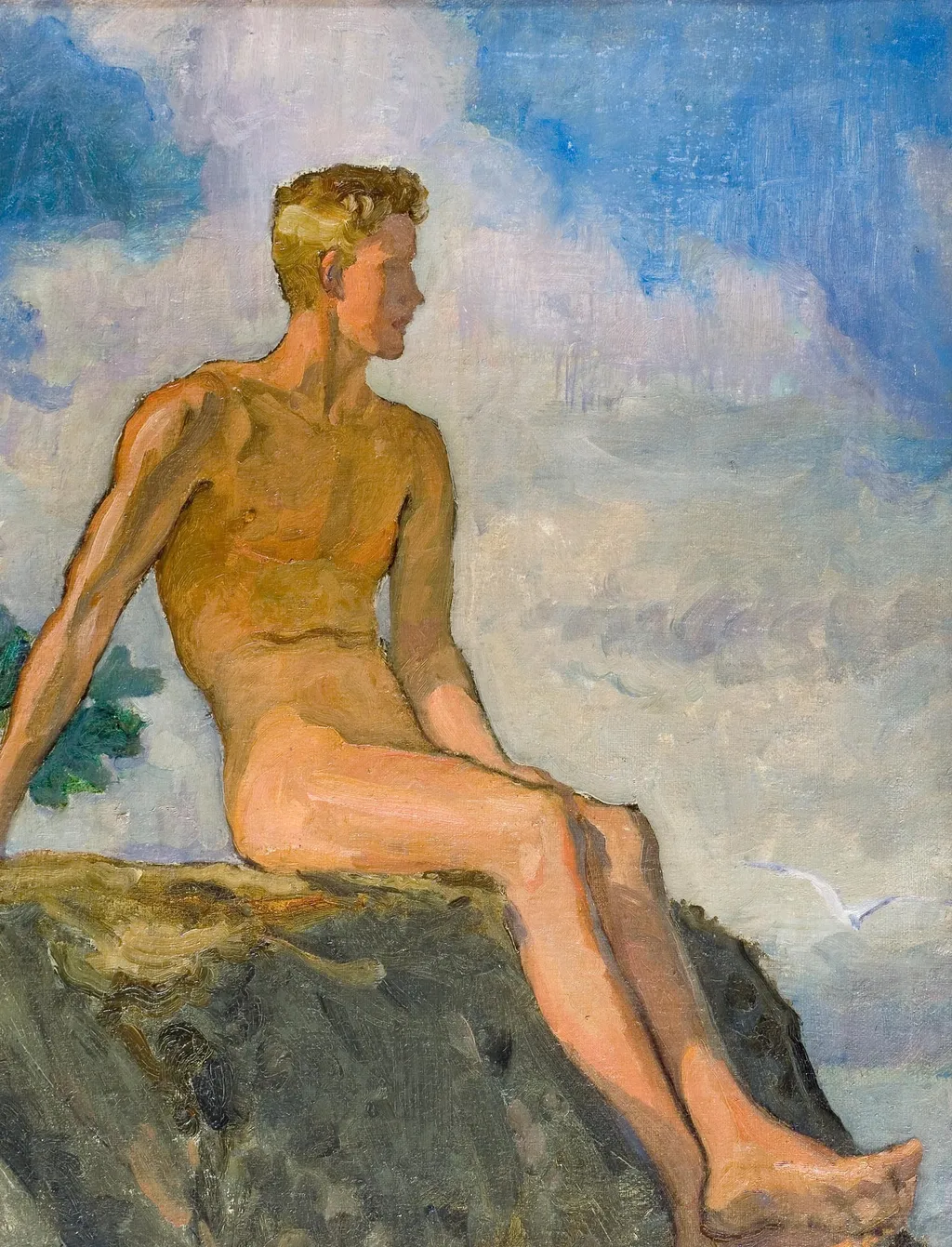
Kalliolla istuva mies is a photography by Venny Soldan-Brofeldt. It dates from 1913 and is held in the collection of the Järvenpää Art Museum.
About this work
Overview
Kalliolla istuva mies, painted around 1913 by Venny Soldan-Brofeldt, presents a solitary male figure seated on a natural rock formation.
Kalliolla istuva mies, painted around 1913 by Venny Soldan-Brofeldt, presents a solitary male figure seated on a natural rock formation. The composition centers on the human form in quiet repose, framed against a muted sky. The figure’s posture and gaze suggest introspection, while the landscape remains subdued, reinforcing a sense of stillness. The work belongs to a period when Finnish artists increasingly turned to the nude as a vehicle for emotional and spiritual expression.
Subject & Meaning
The nude man, positioned on a rugged outcrop, appears neither heroic nor idealized but grounded and contemplative. His turned head invites a quiet connection with the viewer, yet his expression remains unreadable, preserving an air of solitude. The setting—unadorned rock and open sky—suggests a communion with nature rather than myth or narrative. The figure’s stillness evokes themes of inner reflection, aligning with early 20th-century interests in personal introspection and the human condition.
Technique & Style
Soldan-Brofeldt employs soft, warm tones to model the figure’s form, using subtle gradations of light and shadow to suggest volume without harsh contrast. The brushwork is restrained, favoring smooth transitions over texture, enhancing the figure’s calm presence. The background’s pale blue-gray sky, lightly streaked with clouds, recedes gently, allowing the body to dominate the space. Chiaroscuro is used sparingly, directing attention without dramatizing the scene.
History & Provenance
Created during Soldan-Brofeldt’s mature period, the painting reflects her continued engagement with the human figure after years of illustration and portraiture. It was likely painted in Finland, where she spent much of her later life. The work remained in private collections for decades before entering public institutional holdings, where it is now recognized as part of her significant contribution to Finnish modernist painting.
Context
In early 20th-century Finland, the nude was increasingly explored beyond academic tradition, often infused with Symbolist or introspective undertones. Soldan-Brofeldt’s approach diverged from classical ideals, favoring emotional resonance over anatomical precision. Her work aligned with broader Nordic trends that linked the human body to nature and inner life, reflecting a cultural shift toward personal and spiritual themes in art.
Legacy
Kalliolla istuva mies stands as a quiet example of Soldan-Brofeldt’s unique synthesis of naturalism and emotional subtlety. While not widely exhibited during her lifetime, it has since become a reference point for understanding how Finnish women artists redefined the nude in modern terms. The painting contributes to broader narratives of gender, perception, and the relationship between body and landscape in Nordic art.
Artist & collection
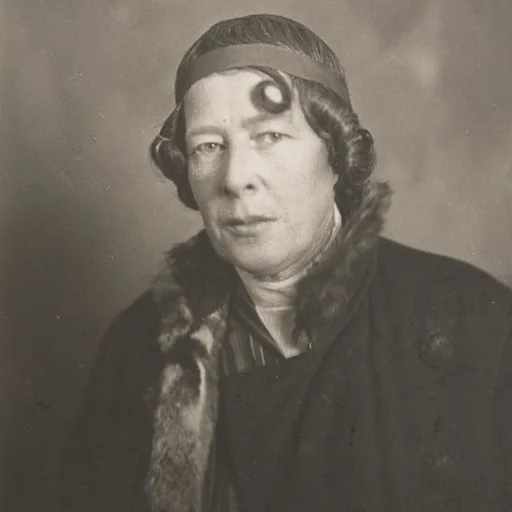
Artist
Wendla Irene Soldan-Brofeldt, known as Venny (2 November 1863, Helsinki – 10 October 1945, Lohja) was a Finnish painter, illustrator, graphic artist, wood sculptor and jewelry designer.