Artwork
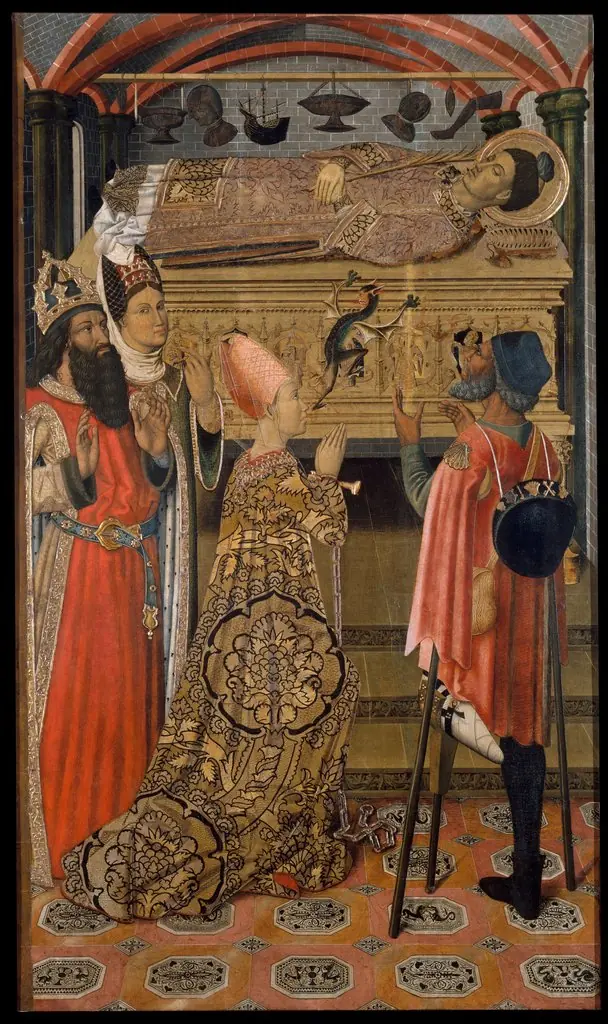
Invention of the Body of Saint Stephen
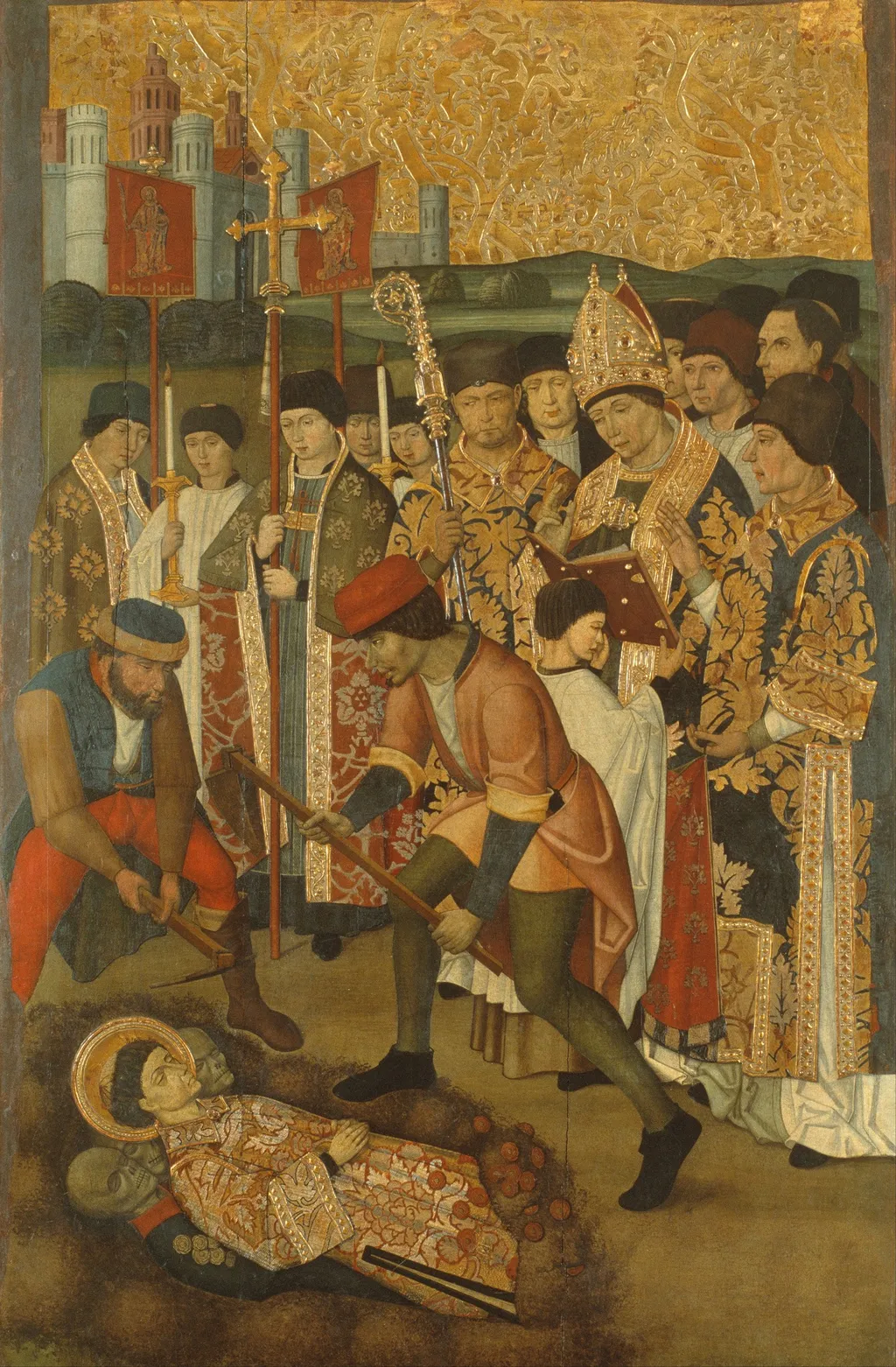
Invention of the Body of Saint Stephen is an unspecified painting by Vergos family. It dates from 1500 and is held in the collection of the Museu Nacional d'Art de Catalunya.
About this work
Overview
Painted around 1500 by members of the Vergos family, this work illustrates the discovery of Saint Stephen’s relics, a key event in Christian tradition. Executed in tempera and gold leaf on panel, it was likely intended for devotional use. The painting is now housed in the Museu Nacional d'Art de Catalunya, where it represents late medieval Catalan religious artistry.
Subject & Meaning
The scene captures the moment when Saint Stephen’s tomb is uncovered, as described in early Christian accounts. Figures kneel and gesture in reverence around the body, emphasizing the sacredness of the find. The presence of clergy and laypeople reflects communal participation in relic veneration, reinforcing the spiritual authority of the Church during a period of heightened relic devotion.
Technique & Style
Figures are arranged in a shallow, hierarchical space, with foreground characters larger than those in the background.
The painting employs tempera with gold leaf highlights to convey divine radiance and material richness. Figures are arranged in a shallow, hierarchical space, with foreground characters larger than those in the background. Architectural elements recede subtly, suggesting depth without full perspective. Ornate robes and stylized gestures reflect Byzantine influences common in late medieval Catalan painting.
History & Provenance
Commissioned likely for a Catalan church or monastery, the painting remained in religious hands until the 19th century. It entered the Museu Nacional d'Art de Catalunya’s collection as part of a broader effort to preserve regional ecclesiastical art. Its attribution to the Vergos family, known for workshop production in Catalonia, is based on stylistic parallels with other documented works from the period.
Context
In early 16th-century Catalonia, the veneration of saints’ relics was central to religious life. This painting aligns with a regional tradition of depicting relic discoveries, often commissioned to bolster local ecclesiastical prestige. The use of gold and elaborate dress mirrors contemporary liturgical objects, linking sacred narrative with the visual culture of worship.
Legacy
Though not widely known outside Catalonia, the painting exemplifies the transition from medieval to early Renaissance religious art in the region. Its preservation offers insight into how local workshops adapted Byzantine conventions to emerging narrative clarity. It remains a key reference for understanding devotional practices and artistic production in late medieval Spain.
Own this work as a print
Artist & collection
Artist
These painters from an unsung Crete-based family made altarpieces and panels filled with gold leaf and jewel-like colors, telling the life of Saint Stephen.

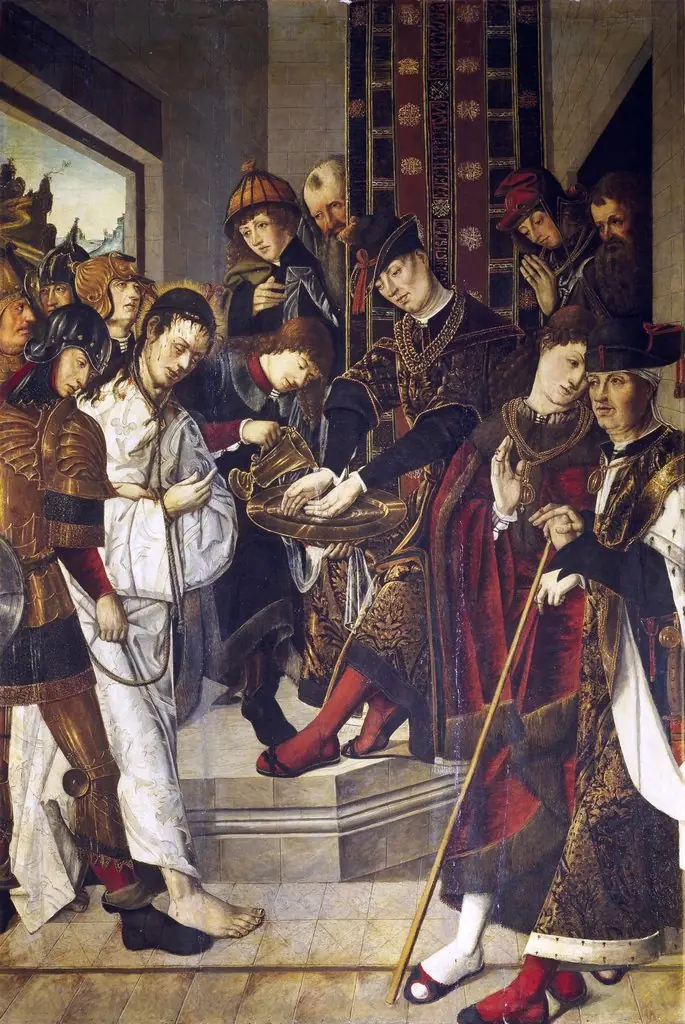 Pontius Pilate Washing his Hands
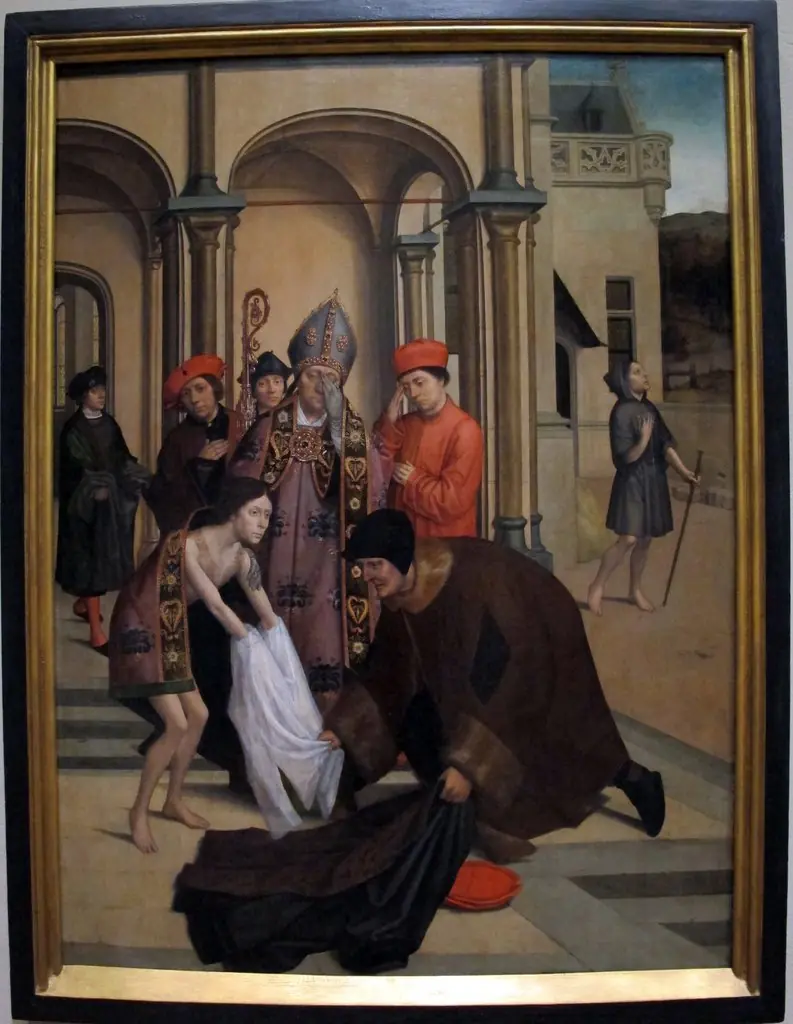 Saint Francis Renouncing the World for the Cloister
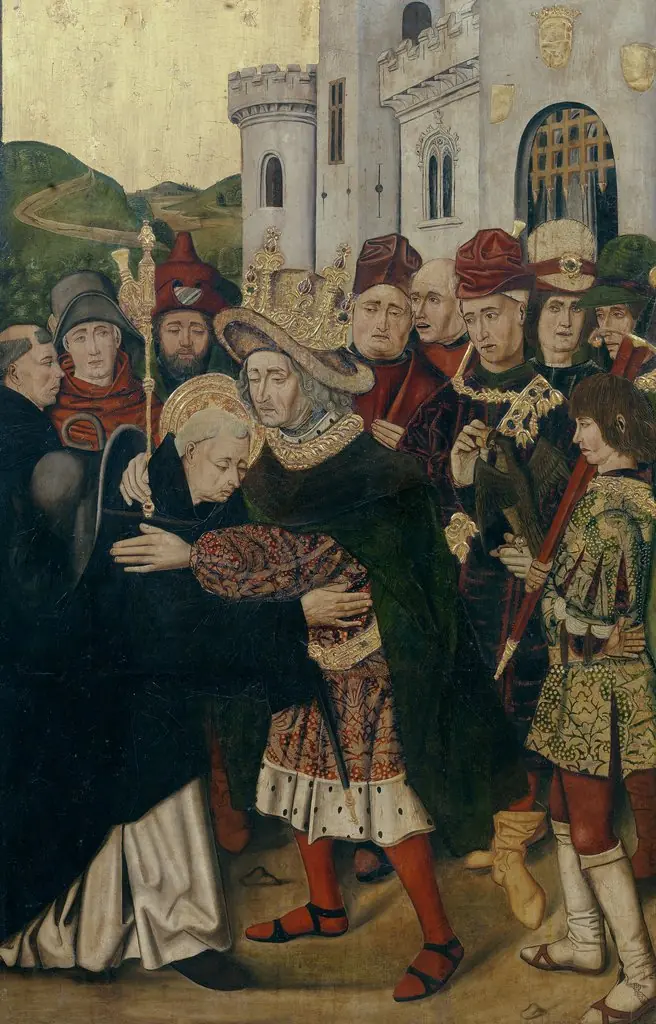 Ferdinand I of Castile welcoming Saint Dominic of Silos
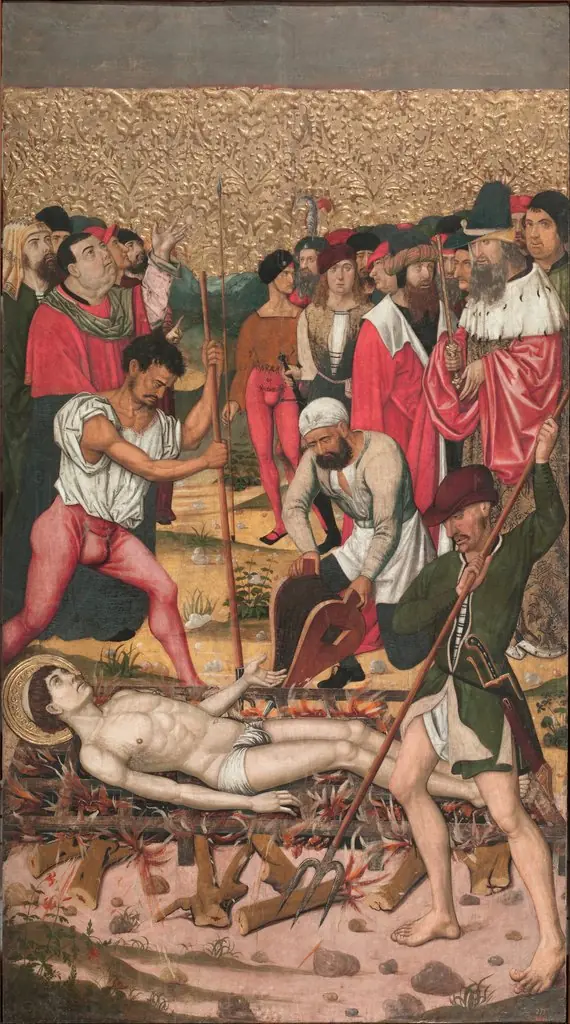 Saint Vincent on the Gridiron
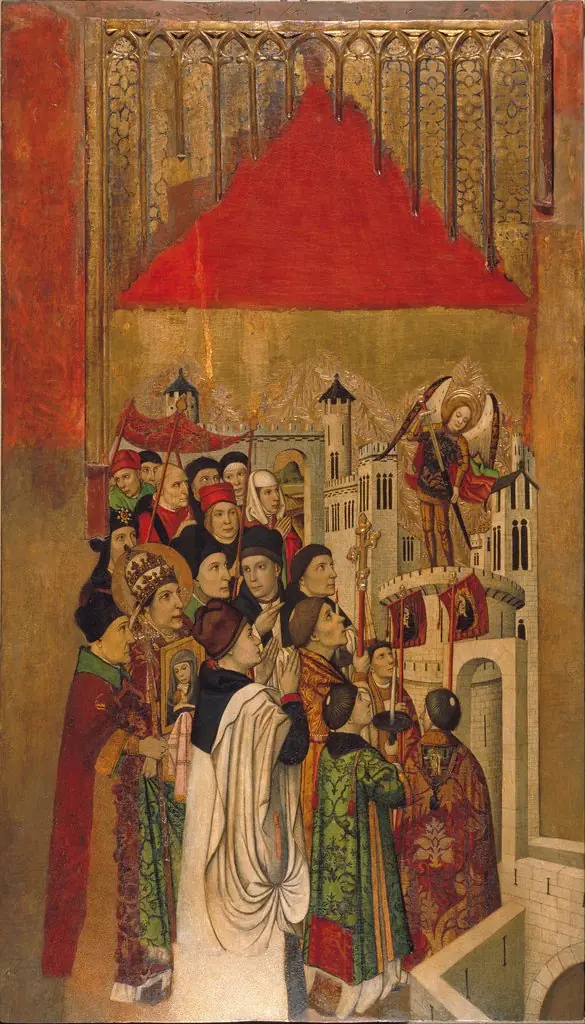 Apparition of Saint Michael at the Castle of Sant'Angelo
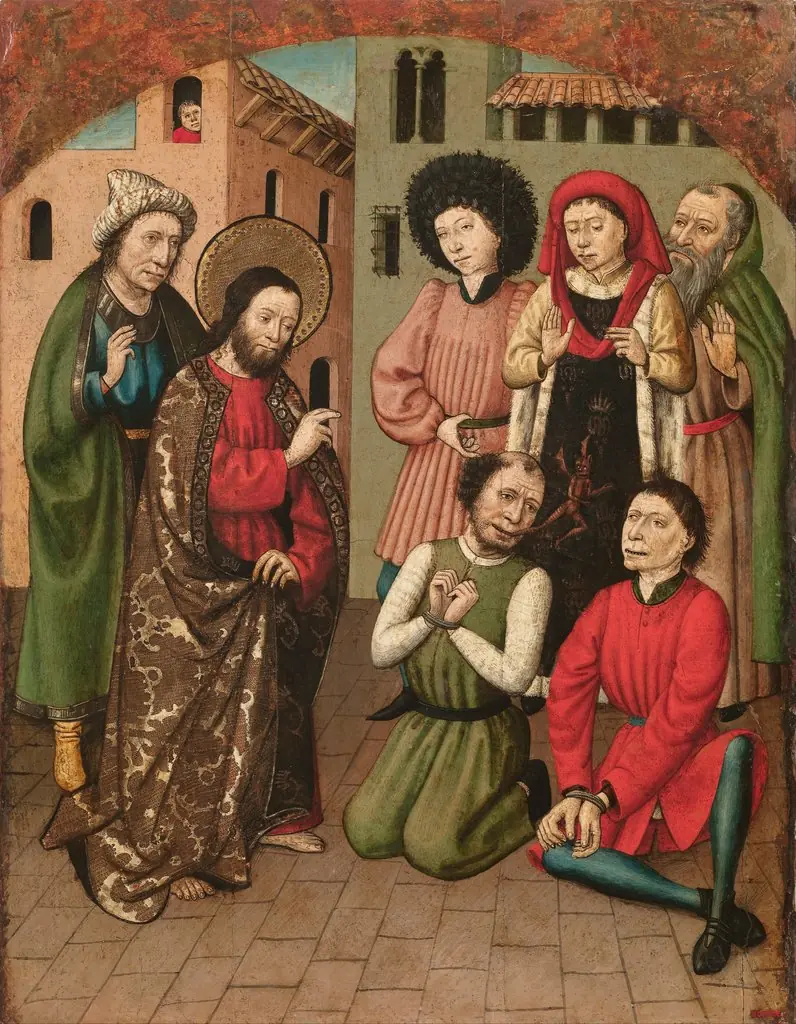 Saint Bartholomew Exorcising
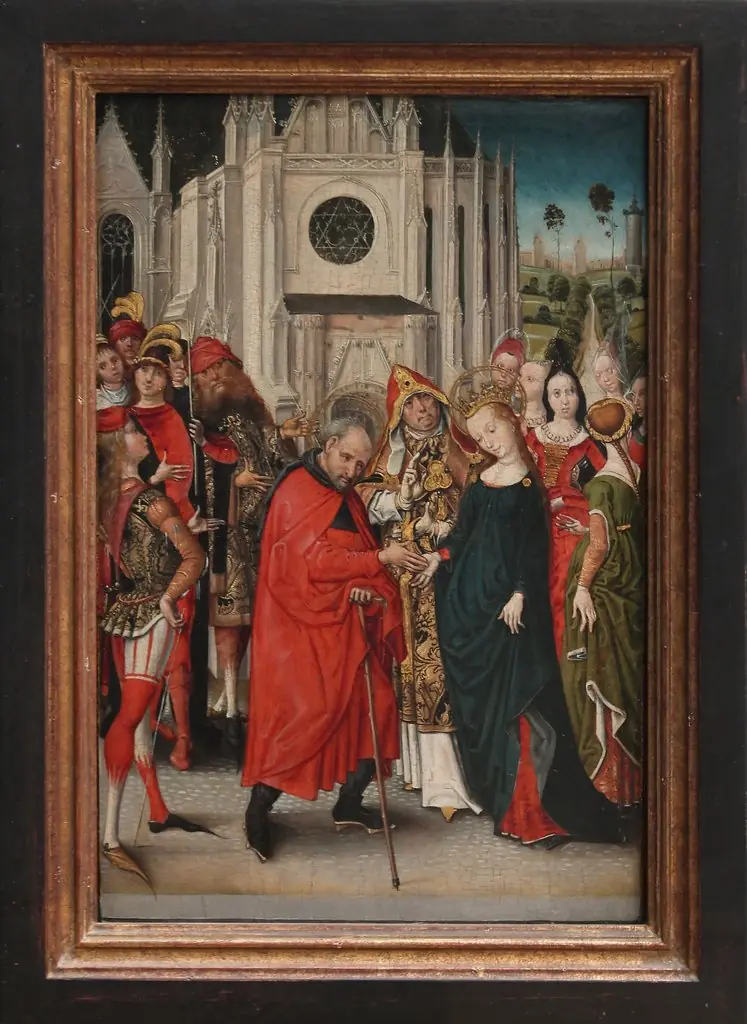 The Marriage of the Virgin
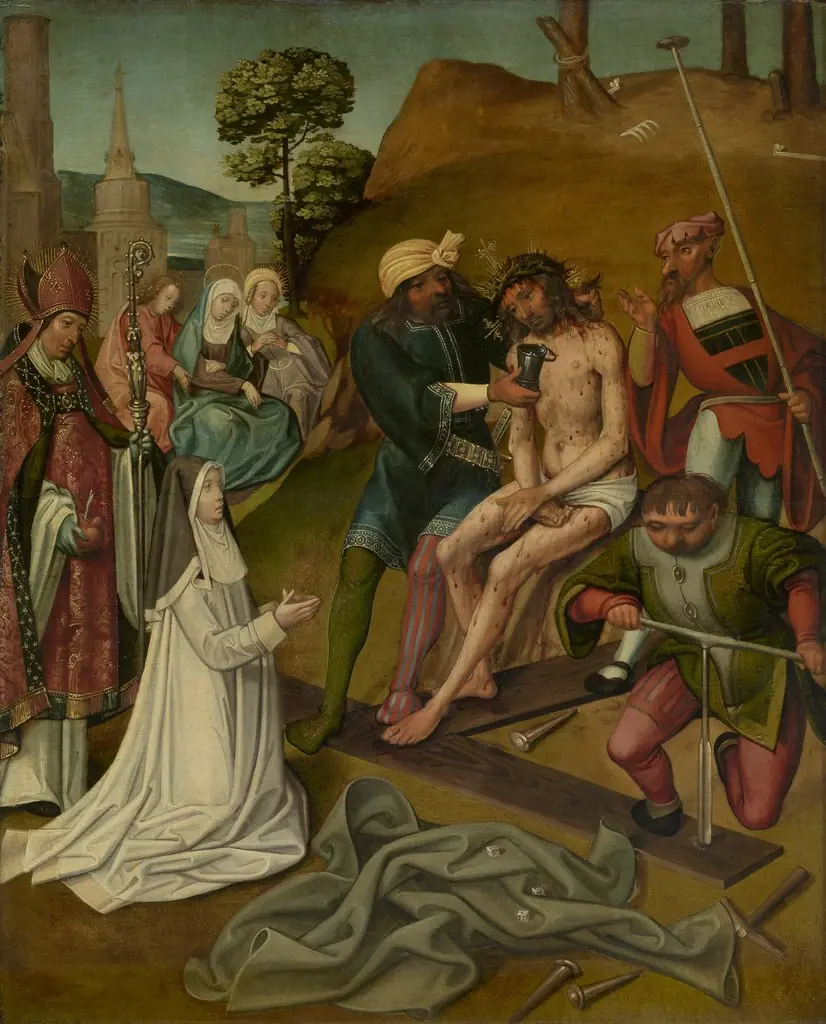 Before the Crucifixion
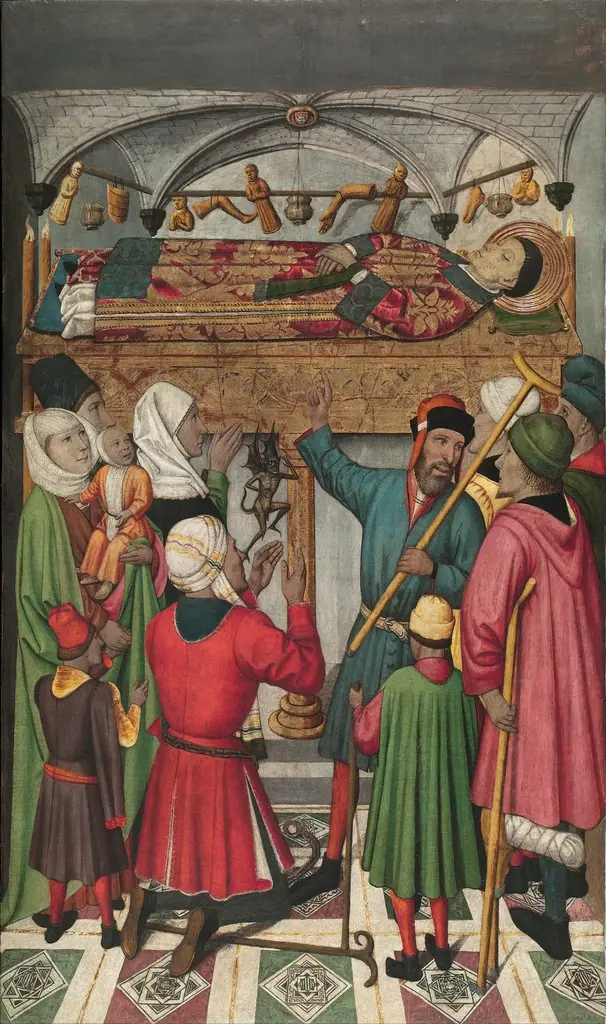 Posthumous Miracles by Saint Vincent
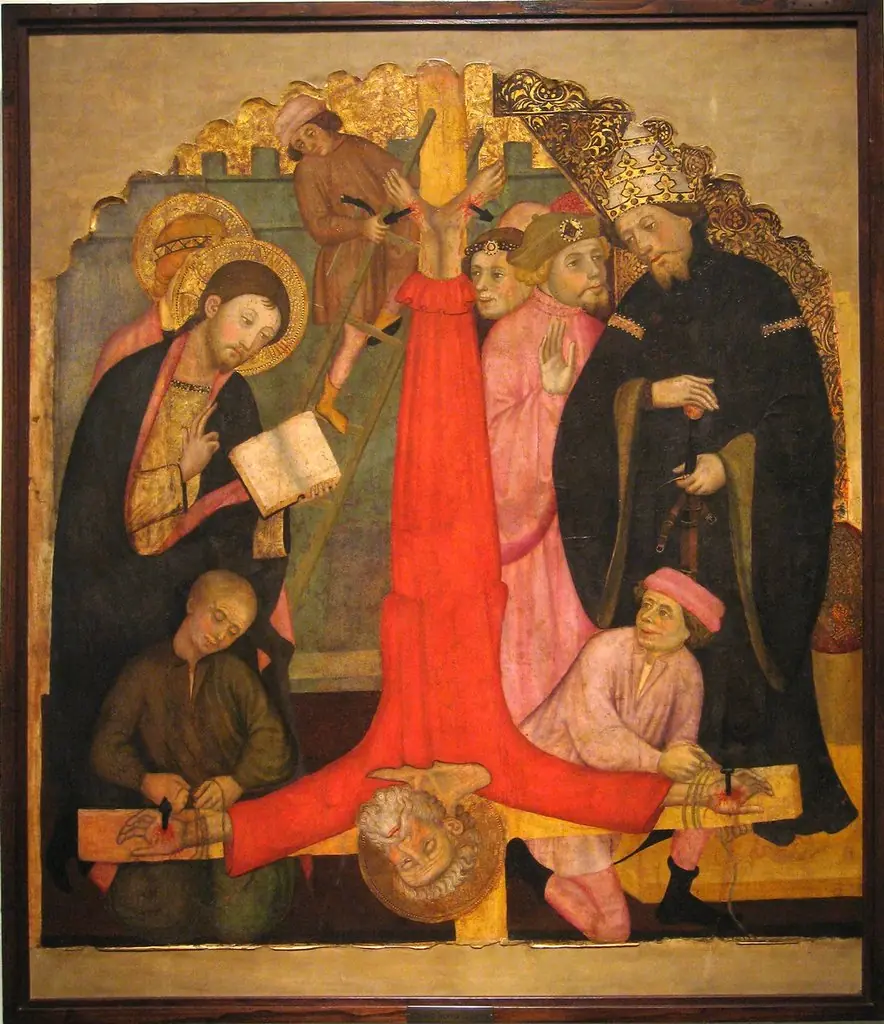 Crucifixió de Sant Pere
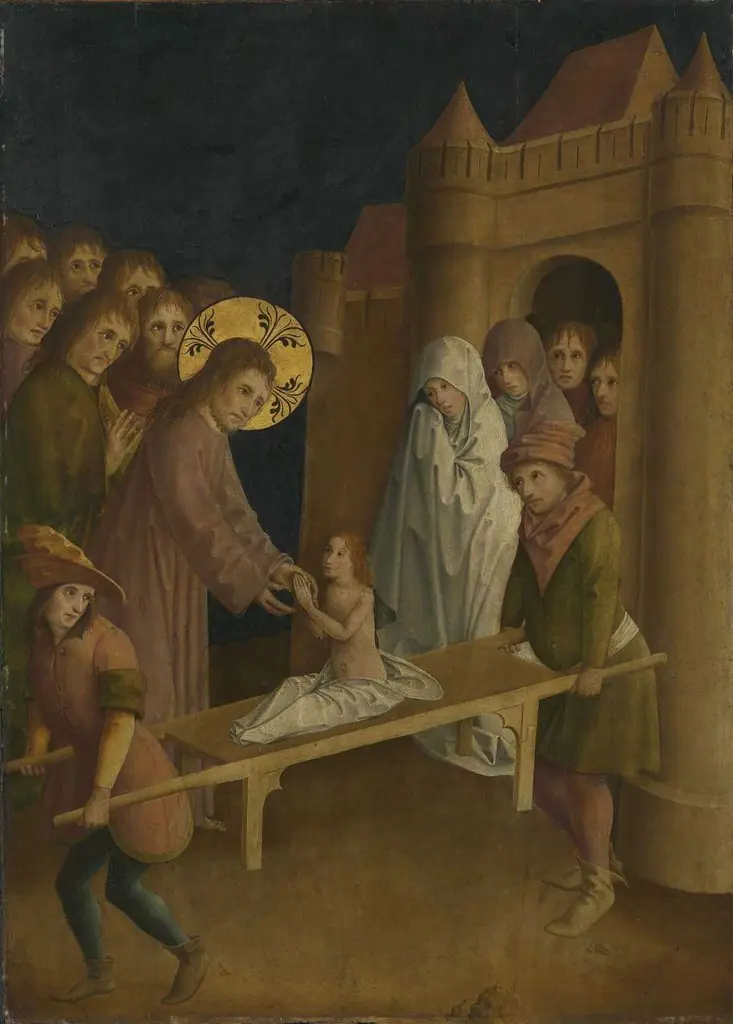 Die Erweckung des Jünglings von Nain
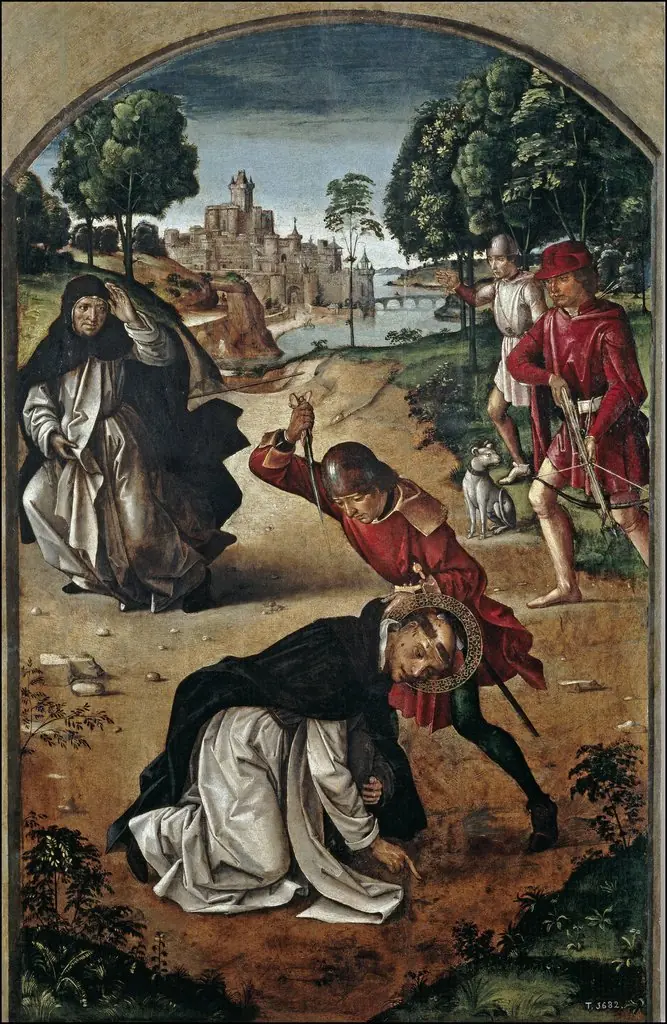 The Death of Saint Peter Martyr