Artwork
Pontius Pilate Washing his Hands
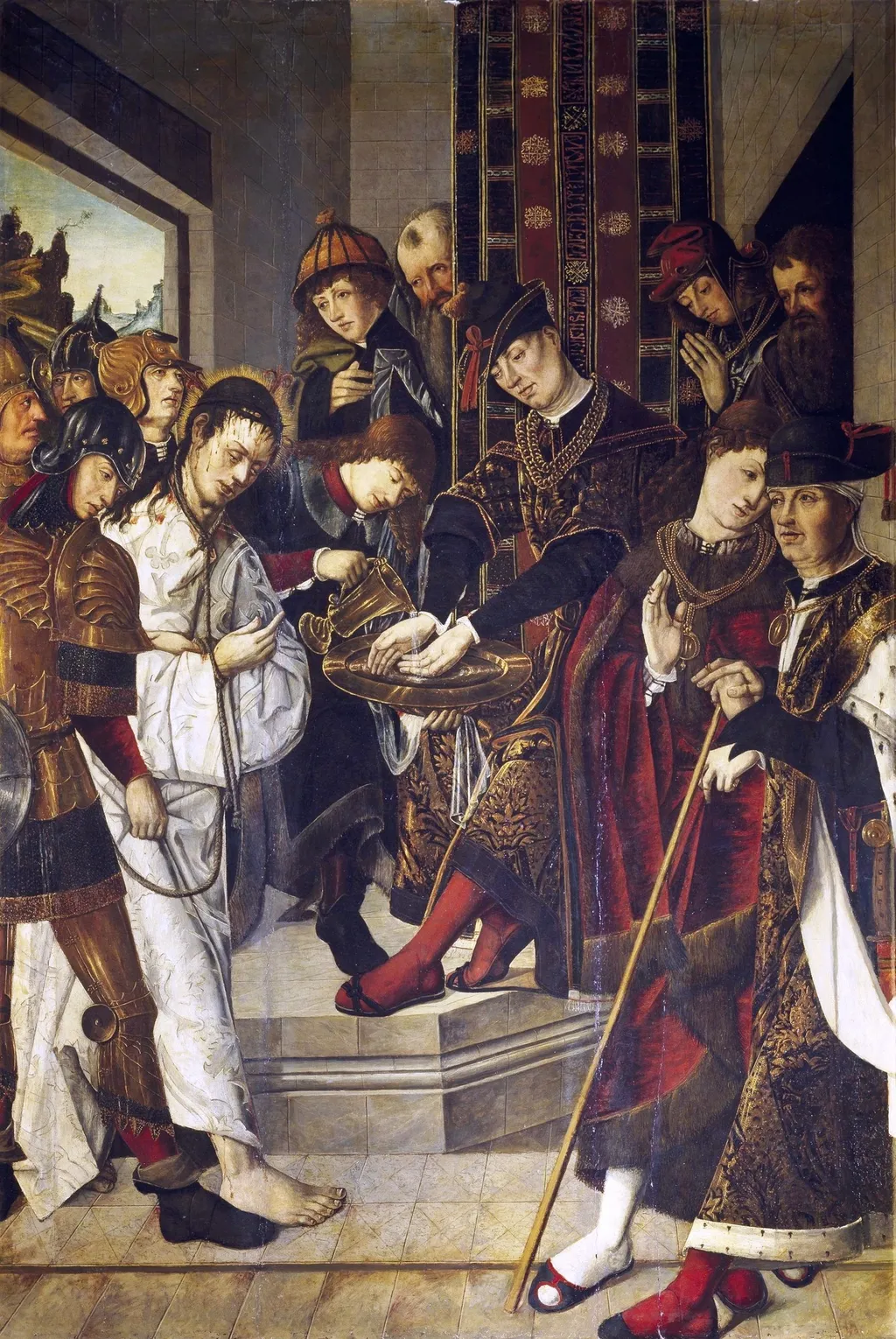
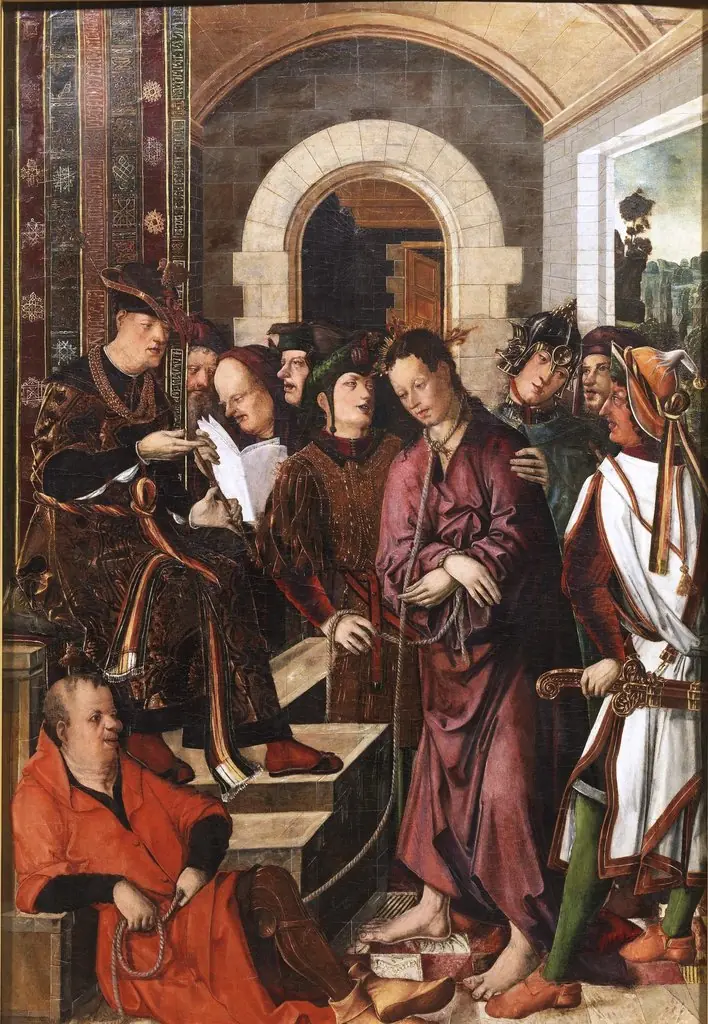
Pontius Pilate Washing his Hands is an oil painting by the Early Baroque Italian artist Francisco de Osona. It dates from 1500 and is held in the collection of the Museo del Prado.
About this work
Overview
Created in 1500 by the Valencian painter Francisco de Osona, this oil on canvas presents the biblical episode of Pontius Pilate washing his hands.
Created in 1500 by the Valencian painter Francisco de Osona, this oil on canvas presents the biblical episode of Pontius Pilate washing his hands. The composition centers on a solitary figure performing the ritual cleansing, while a group of onlookers reacts with varied gestures. The work is part of the Prado Museum’s collection and is classified as a religious painting within the early Baroque idiom that drew on contemporary Italian trends.
Subject & Meaning
The scene captures the moment described in the Gospel of Matthew when Pilate, seeking to absolve himself of responsibility for Jesus’ fate, ceremonially washes his hands. By placing the act at the focal point and surrounding it with attentive witnesses, the painting emphasizes themes of guilt, denial, and the public nature of moral decision‑making.
Technique & Style
Osona employs a pronounced chiaroscuro, using strong contrasts between illuminated fabrics and deep shadows to model the figures’ forms. The careful rendering of textures—glinting jewelry, richly draped cloth, and the wet sheen of water—creates a tactile sense of depth. The palette of muted earth tones punctuated by bright highlights reflects the influence of Italian early Baroque painters on the Spanish artist.
History & Provenance
Francisco de Osona, who worked in a family workshop with his father Rodrigo, produced the painting during a period of stylistic transition toward Italianate aesthetics. After remaining in private hands for several centuries, the canvas entered the Museo del Prado’s holdings, where it has been displayed as part of the museum’s Renaissance collection.
Context
Valencia in the early sixteenth century was a hub for artistic exchange between Spain and Italy. Osona’s willingness to adopt newer Italian techniques set him apart from more traditional local painters. The work’s subject—Pilate’s symbolic act of washing away culpability—resonated with contemporary religious discourse on authority and conscience.
Own this work as a print
Artist & collection
Artist
Francisco de Osona, also Francisco de Osona the Younger, (c.1465–c.1514) was a Spanish Renaissance painter.

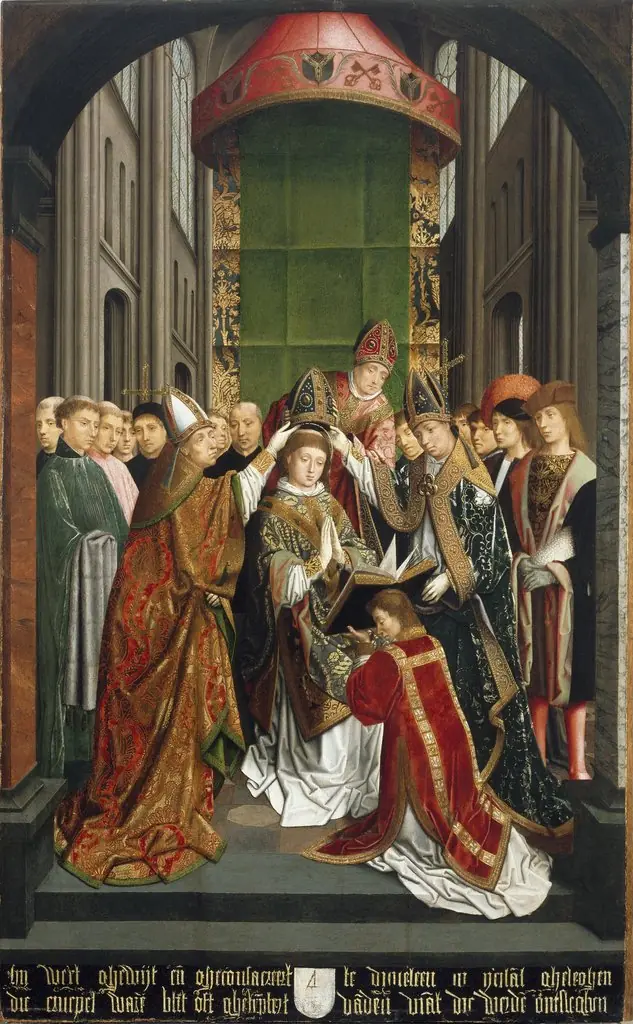 The Enthronement of Saint Romold as Bishop of Dublin
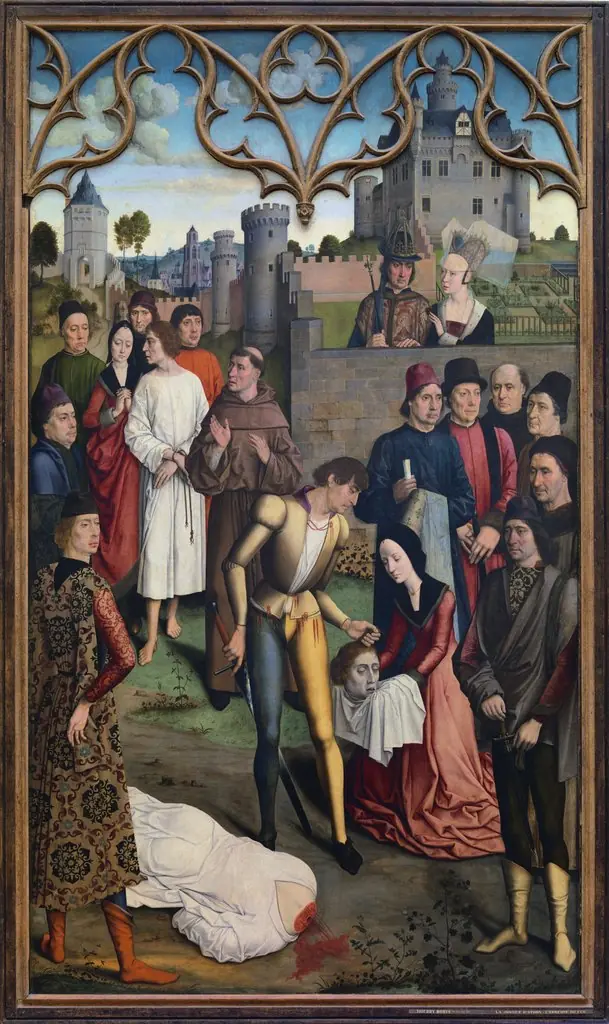 Justice of Emperor Otto III: The Beheading of the Innocent
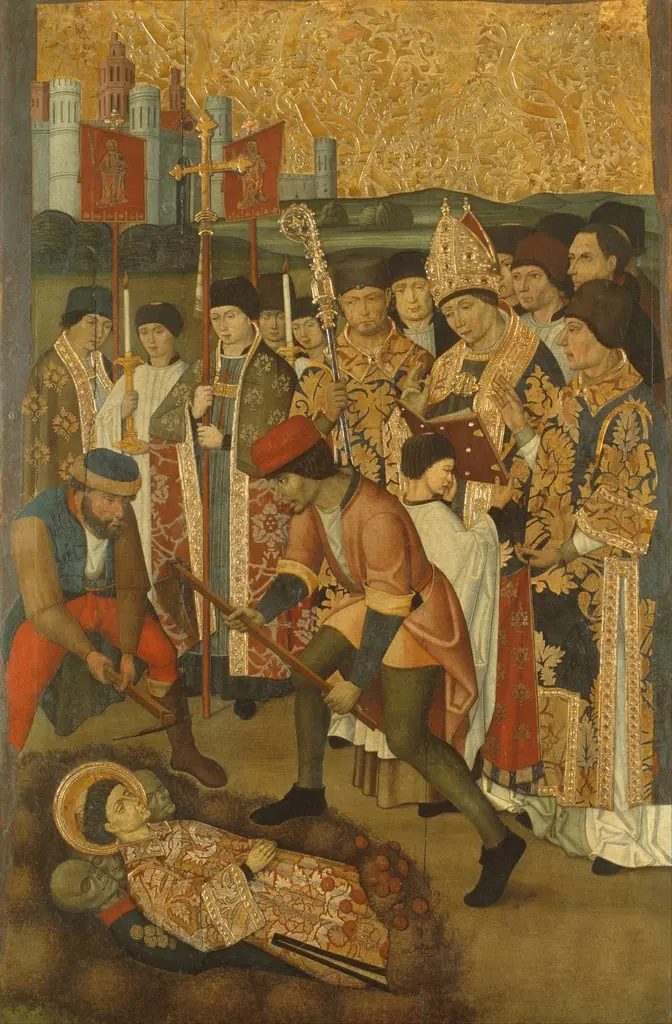 Invention of the Body of Saint Stephen
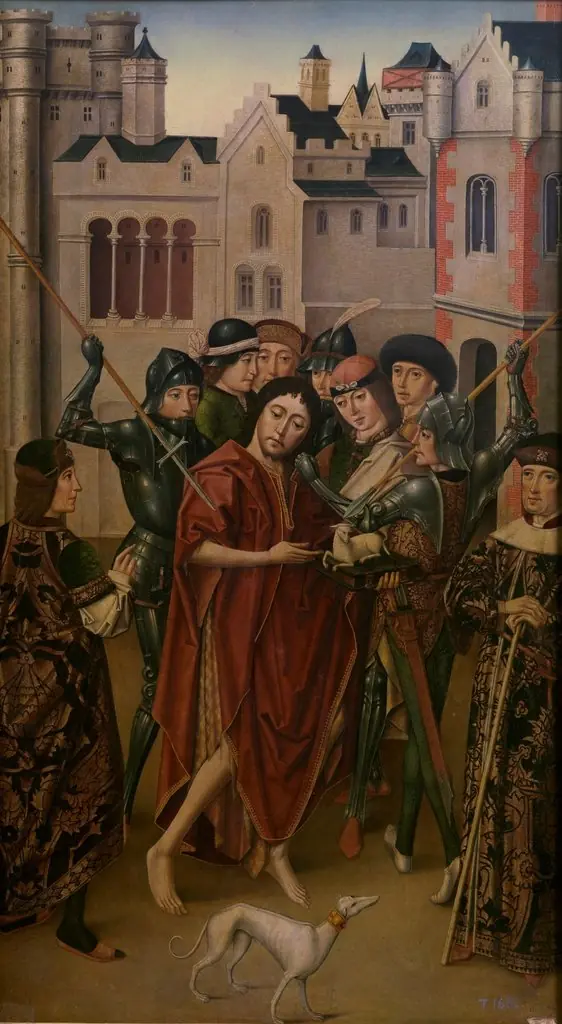 The Arrest of Saint John the Baptist
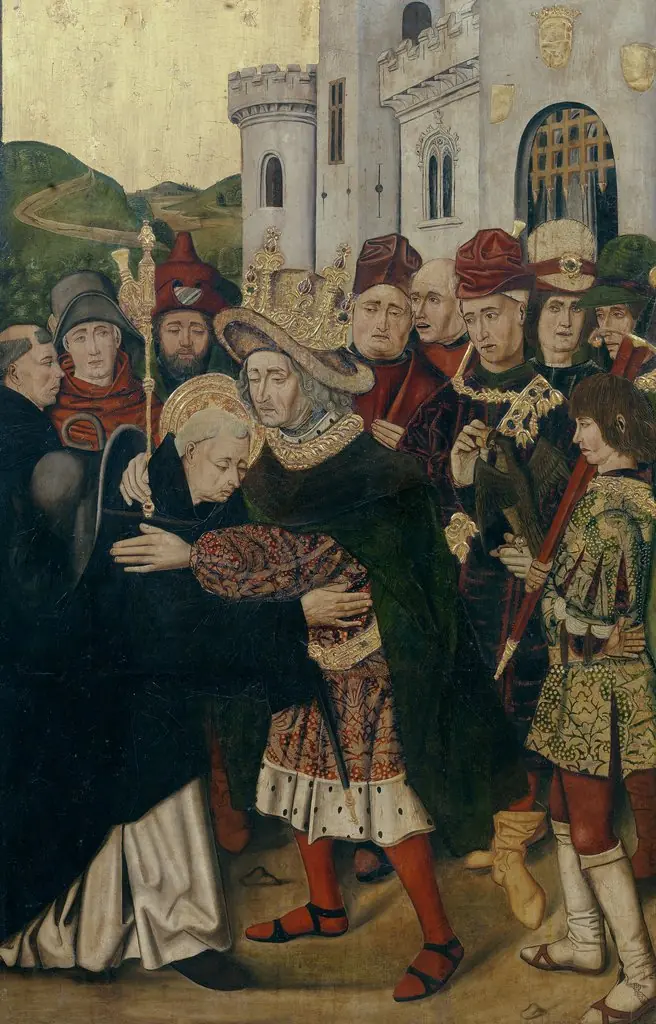 Ferdinand I of Castile welcoming Saint Dominic of Silos
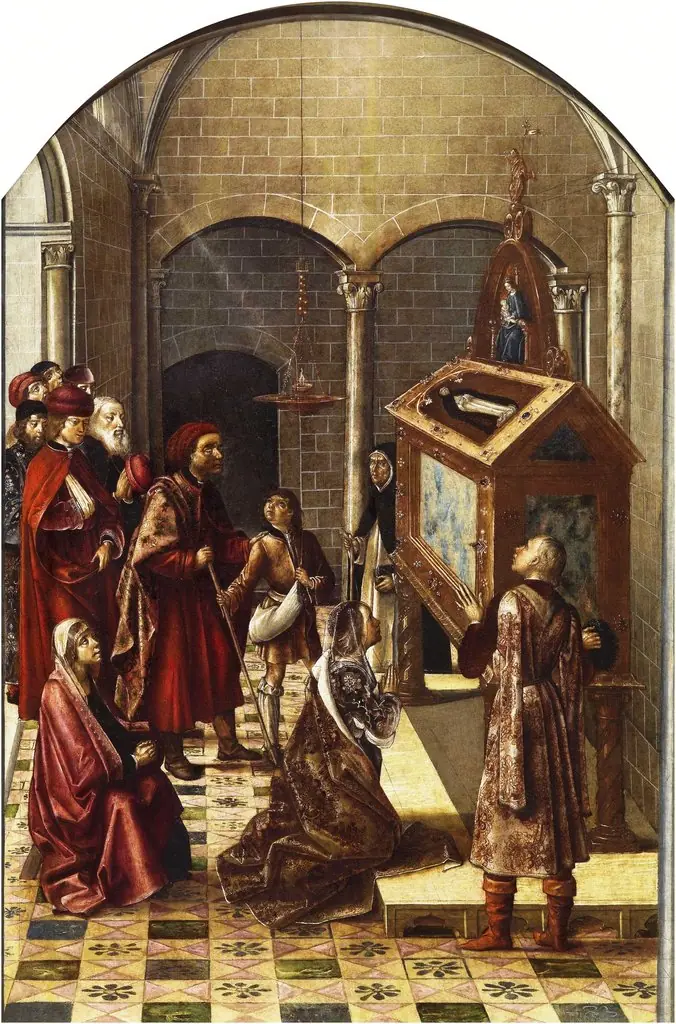 The Adoration of the Tomb of Saint Peter Martyr
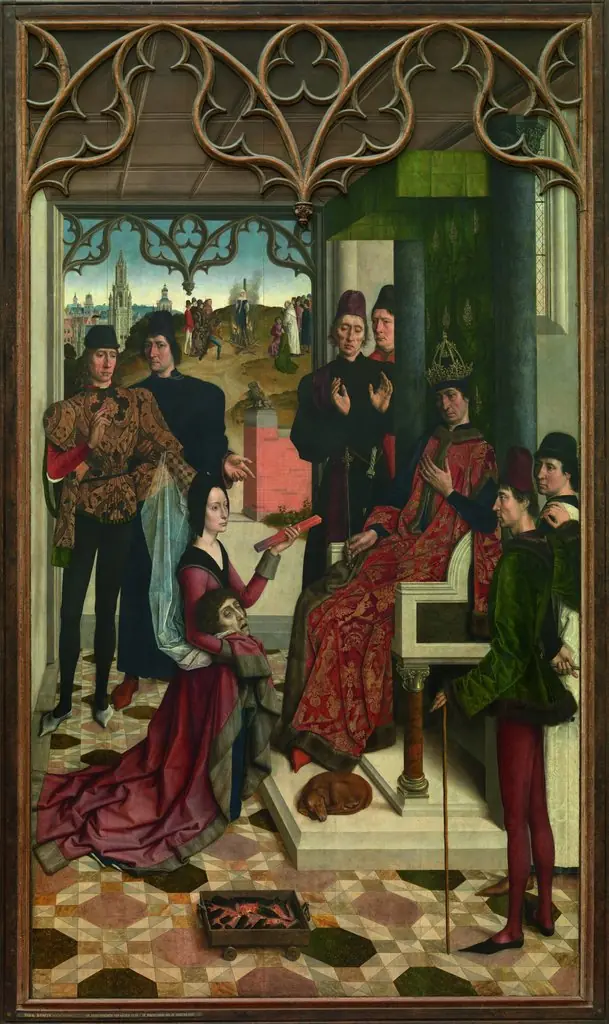 Justice of Emperor Otto III: The Trial by Fire
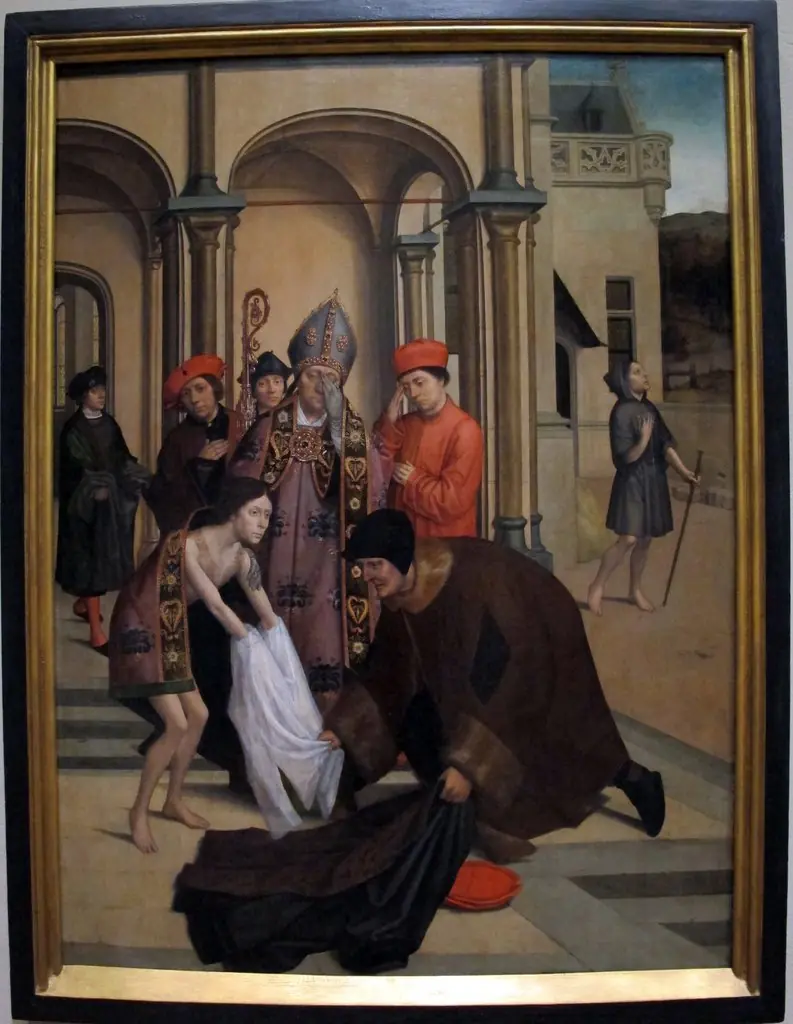 Saint Francis Renouncing the World for the Cloister
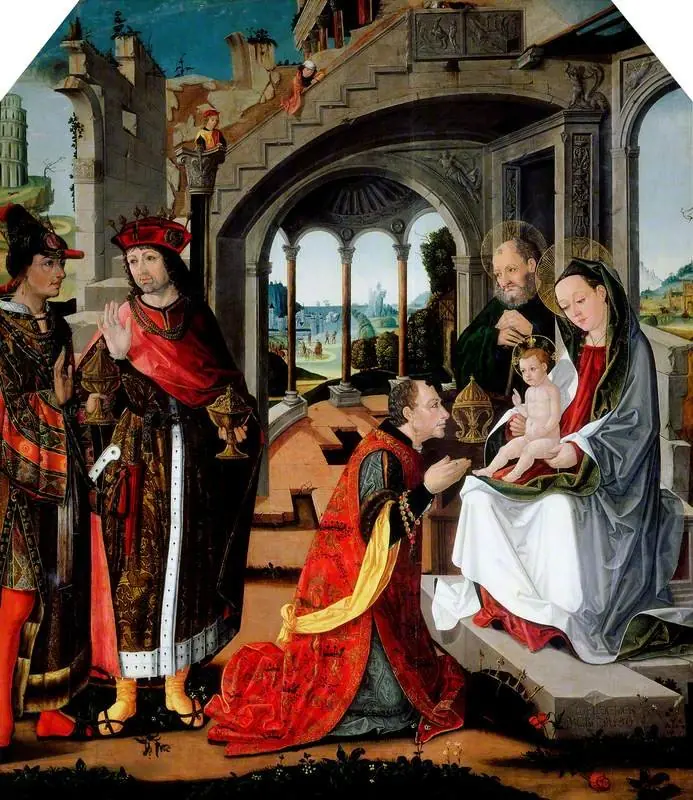 The Adoration of the Magi
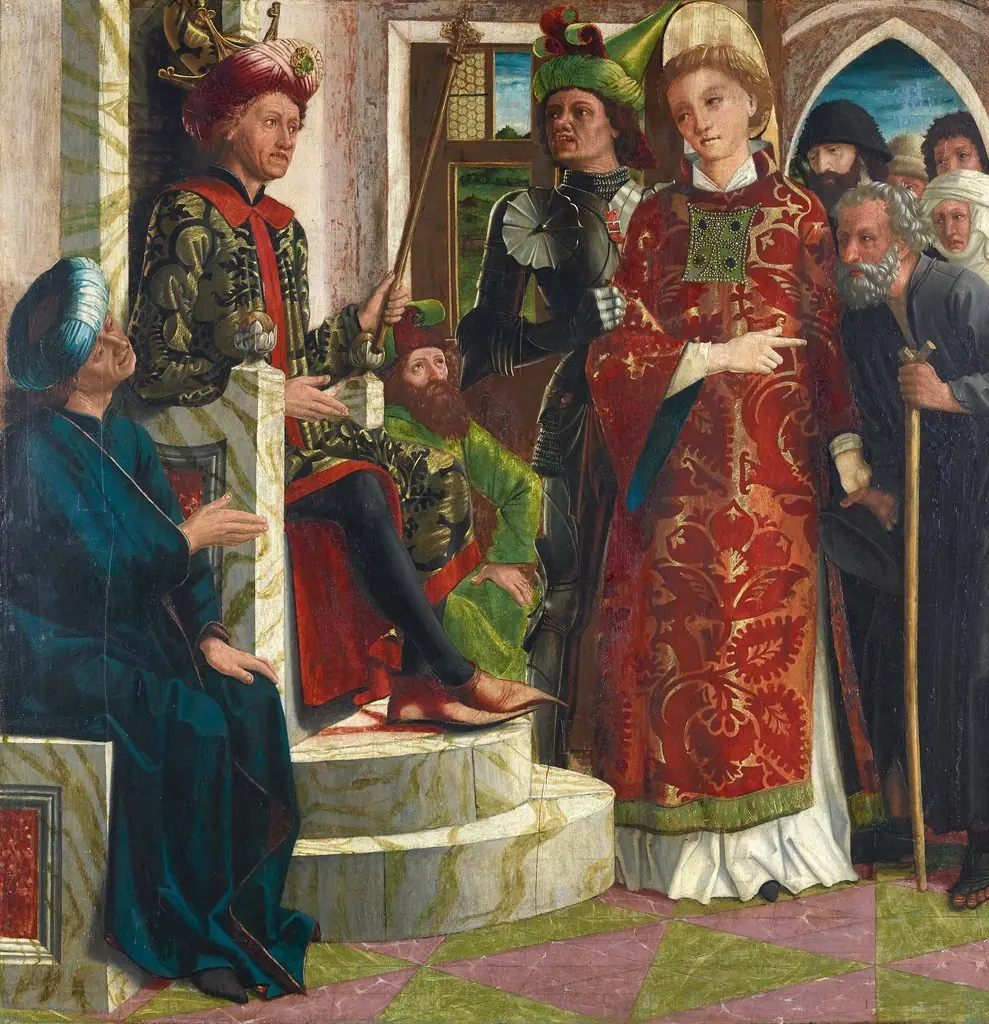 Der hl. Laurentius vor Kaiser Decius
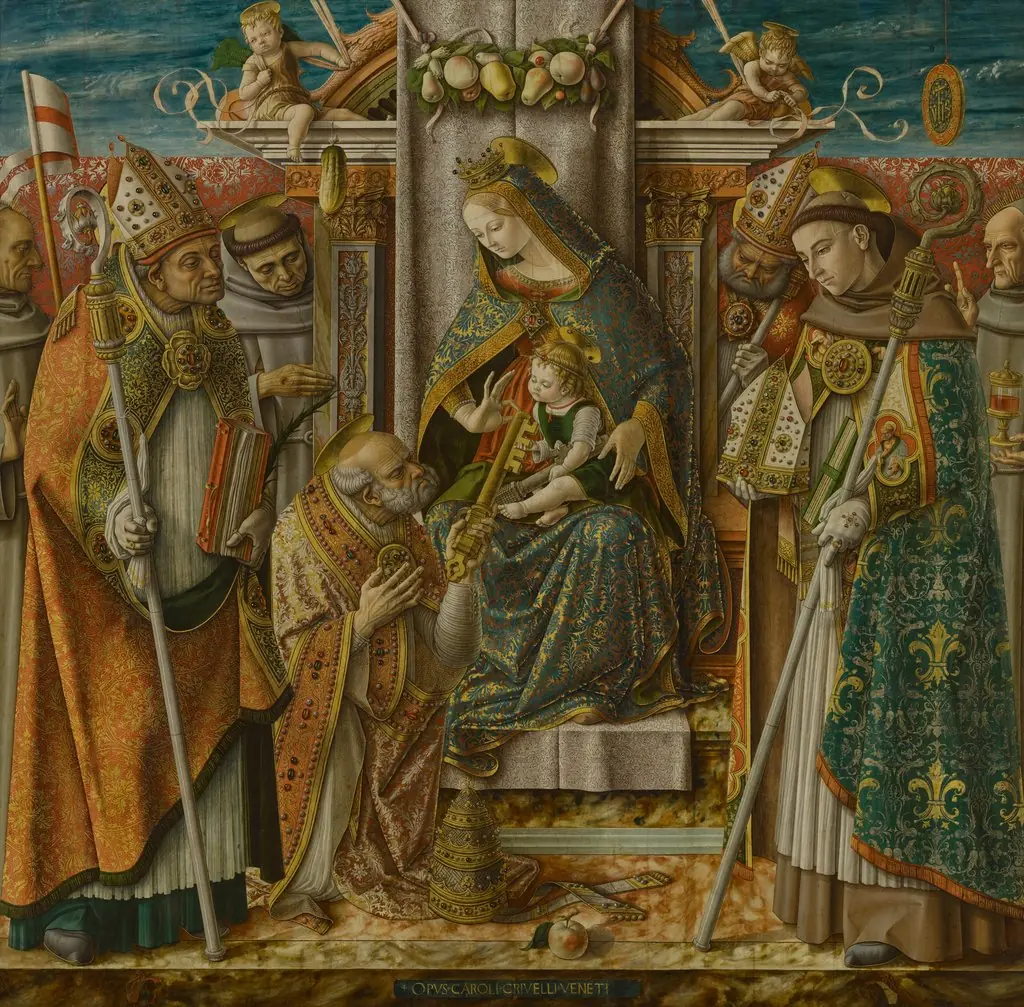 Madonna and Child Enthroned with Saints