Artwork
Riista-asetelma
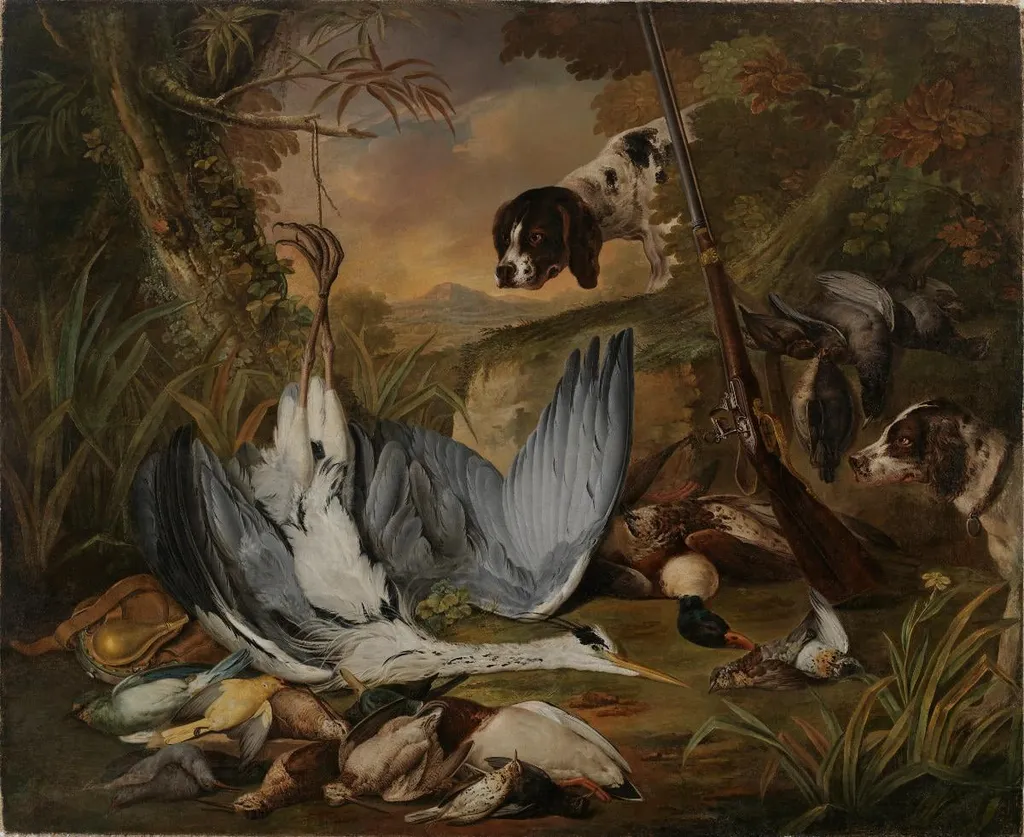
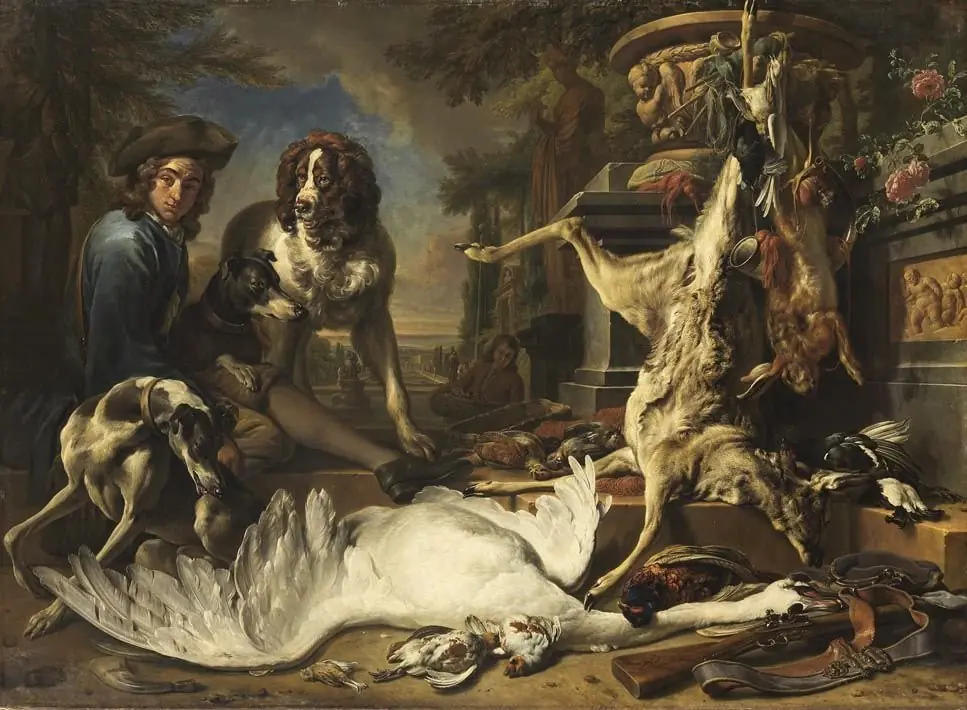
Riista-asetelma is an unspecified painting by Jacob Xaver Vermoelen. It is held in the collection of the Finnish National Gallery.
About this work
Overview
Riista-asetelma is a still-life composition centered on the aftermath of a hunt, presenting game and hunting tools in a natural setting. The arrangement avoids overt violence, instead emphasizing the quiet presence of the slain heron and the watchful dog. The scene is framed by dense foliage, grounding the subject in an untouched woodland environment.
Subject & Meaning
The heron, displayed with dignity in death, serves as the focal point, its outstretched wings and arched neck suggesting both grace and stillness. The rifle and dog, positioned at the edges, imply human presence without direct depiction. Together, these elements evoke a contemplative tone, suggesting reverence for nature’s cycles rather than triumph over it.
Technique & Style
The painting employs detailed rendering of feather textures and subtle gradations in the heron’s plumage, blending white, gray, blue, and black tones with precision. The background foliage is loosely painted, creating contrast that draws attention to the central figure. Light falls softly, enhancing the three-dimensionality of the forms without dramatic contrast.
History & Provenance
The work’s origins are tied to Finnish artistic traditions of the late 19th or early 20th century, a period when still lifes of game were common among regional painters. While specific ownership history is not documented, its style aligns with contemporaneous Nordic nature-focused art, reflecting local hunting culture and aesthetic values.
Context
In Nordic art, depictions of hunted game often carried moral or spiritual undertones, balancing respect for nature with the necessity of subsistence. Riista-asetelma fits within this tradition, avoiding glorification of the kill while honoring the animal’s form and the environment from which it came.
Legacy
The painting contributes to a modest but persistent genre in Finnish art that treats wildlife with quiet solemnity. Though not widely exhibited internationally, it remains a representative example of how regional artists translated everyday rural experiences into composed, reflective imagery.
Artist & collection
Artist
This 19th-century painter filled small, quiet canvases with hunting still lifes—rifles, game birds, and hunting gear arranged against simple backgrounds.

 Still Life with Dog and Game
 Dog and Game
 Sporting Dog and Caught Fowl
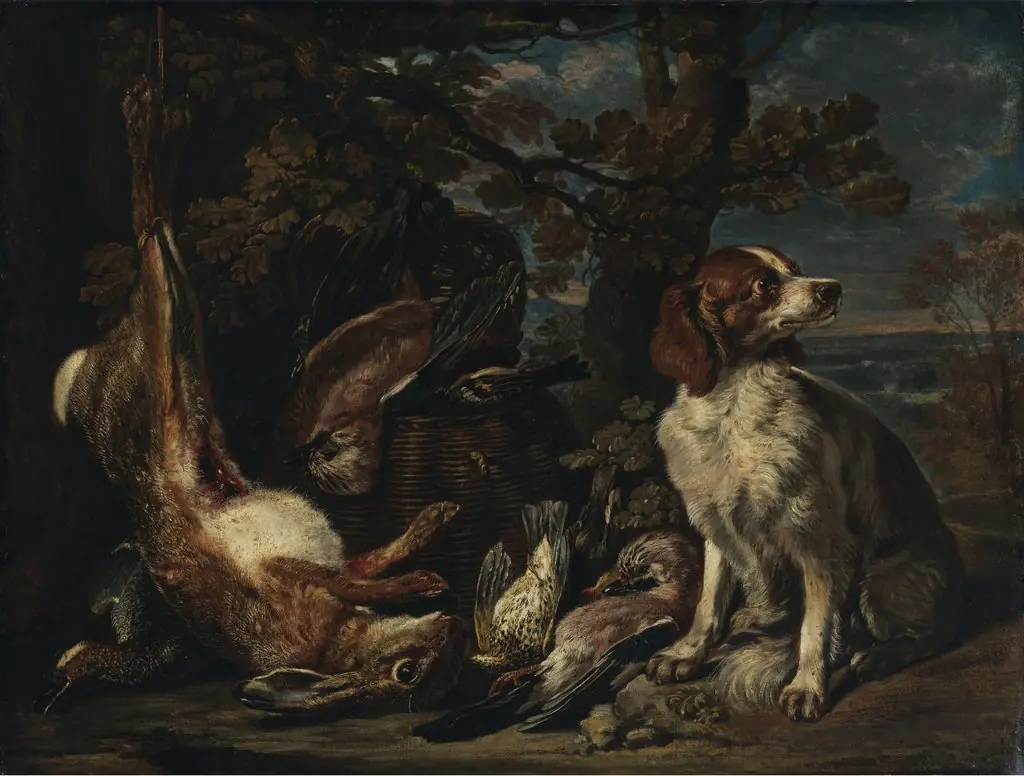 A Dog and Dead Game
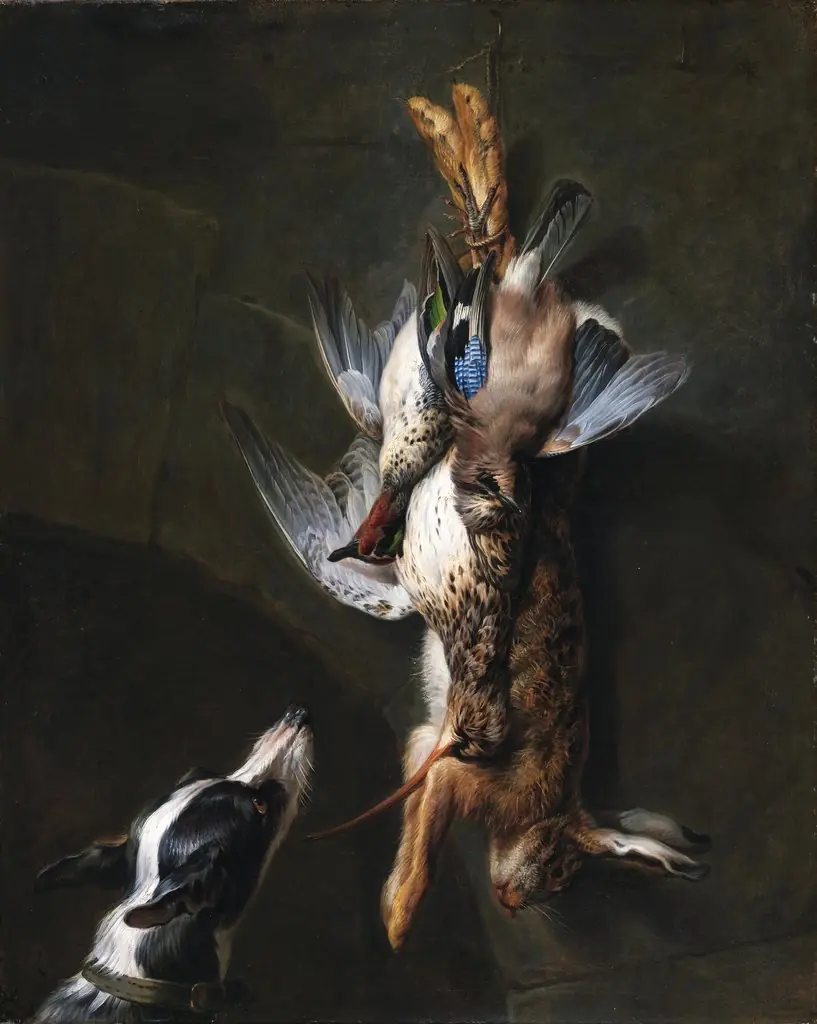 A Group of Dead Game
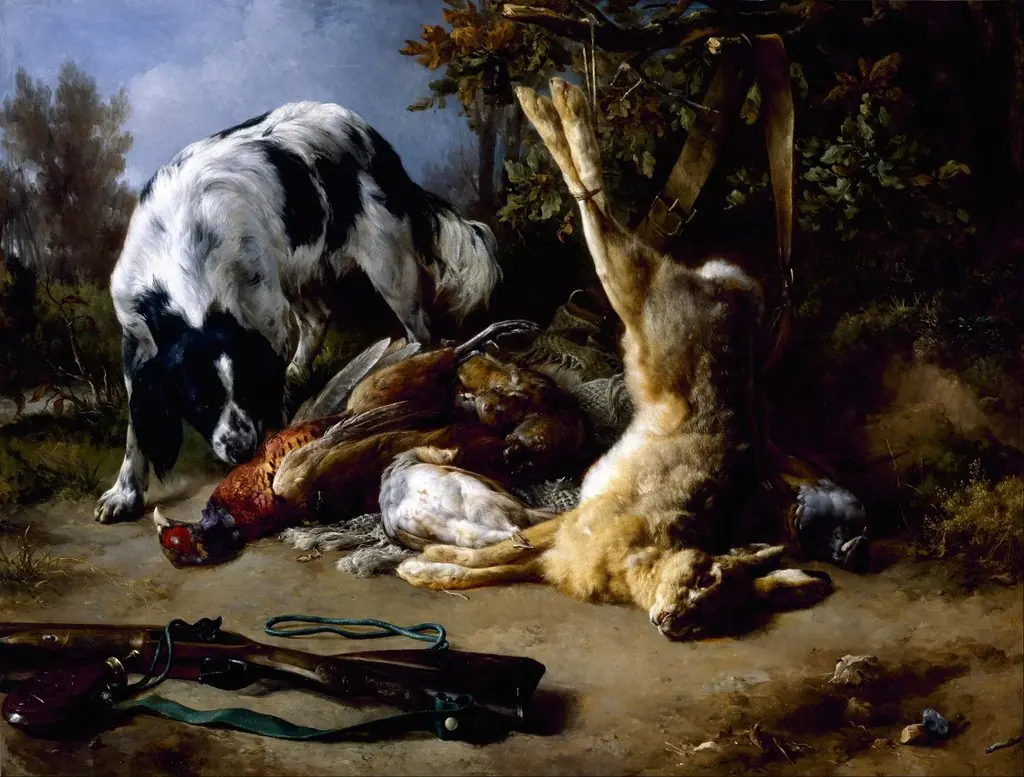 Spaniel with a Still Life of Dead Game
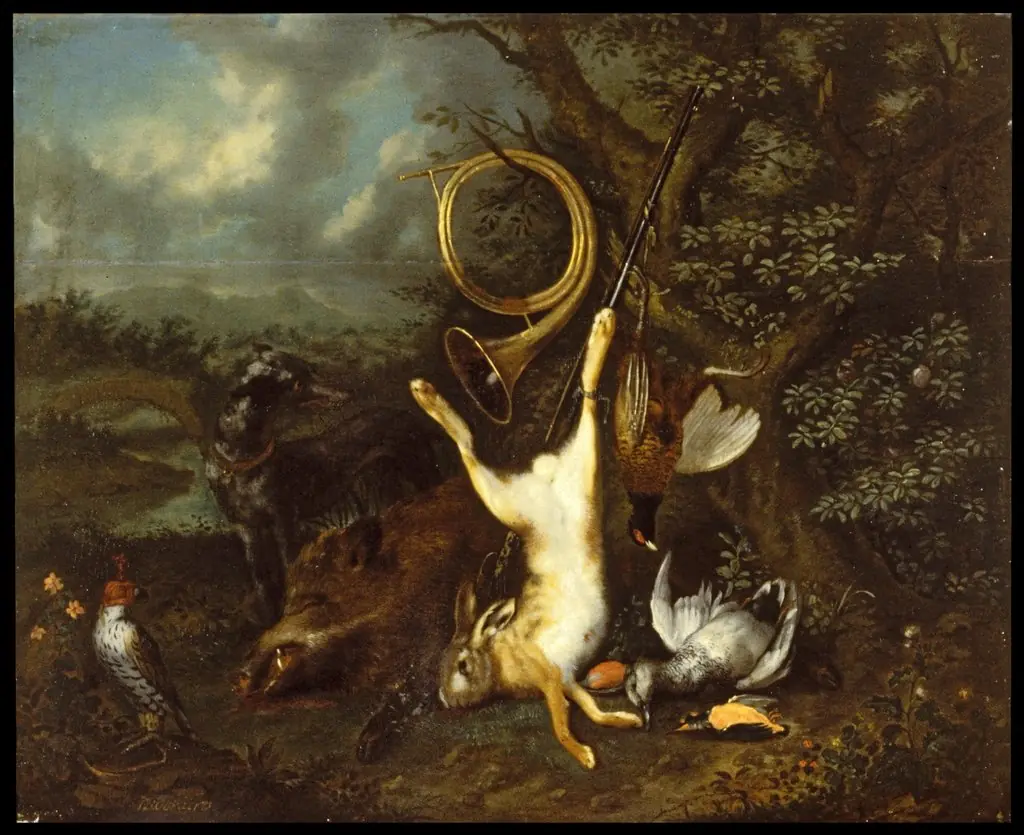 Still Life with Dead Game
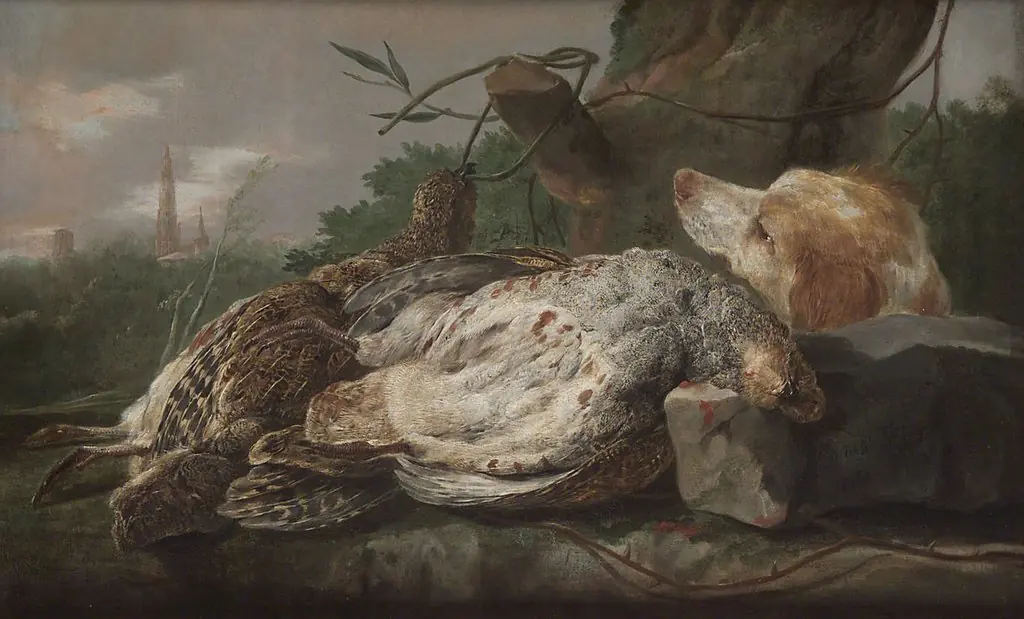 Dead partridges with hound
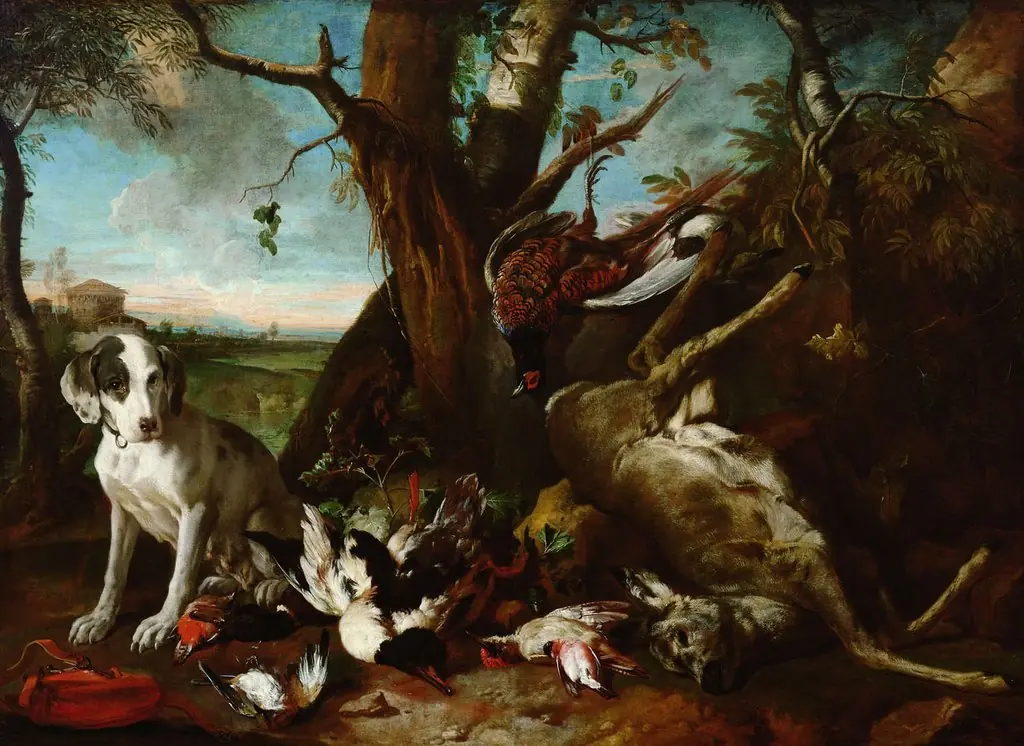 Dead wild game guarded by a hunting dog
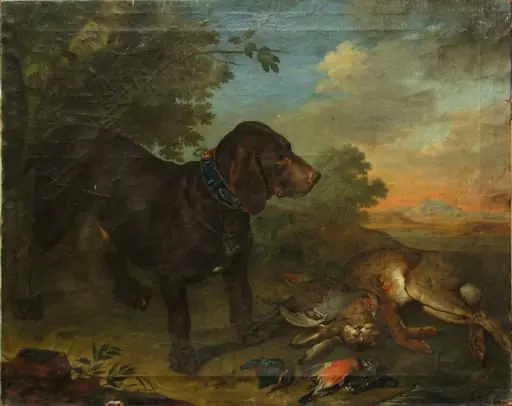 Prepelicar brun; pandant: Prepelicar alb
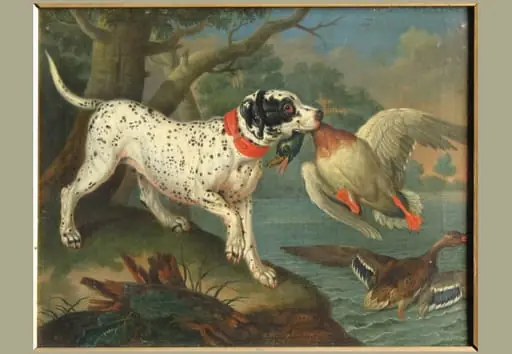 Rațe sălbatice gonite de un câine. Pandant: Rațe sălbatice gonite de un câine flocos
 Hunting still life with swan