Artwork
Mon Caporal, Je n'ai pu avons que ça
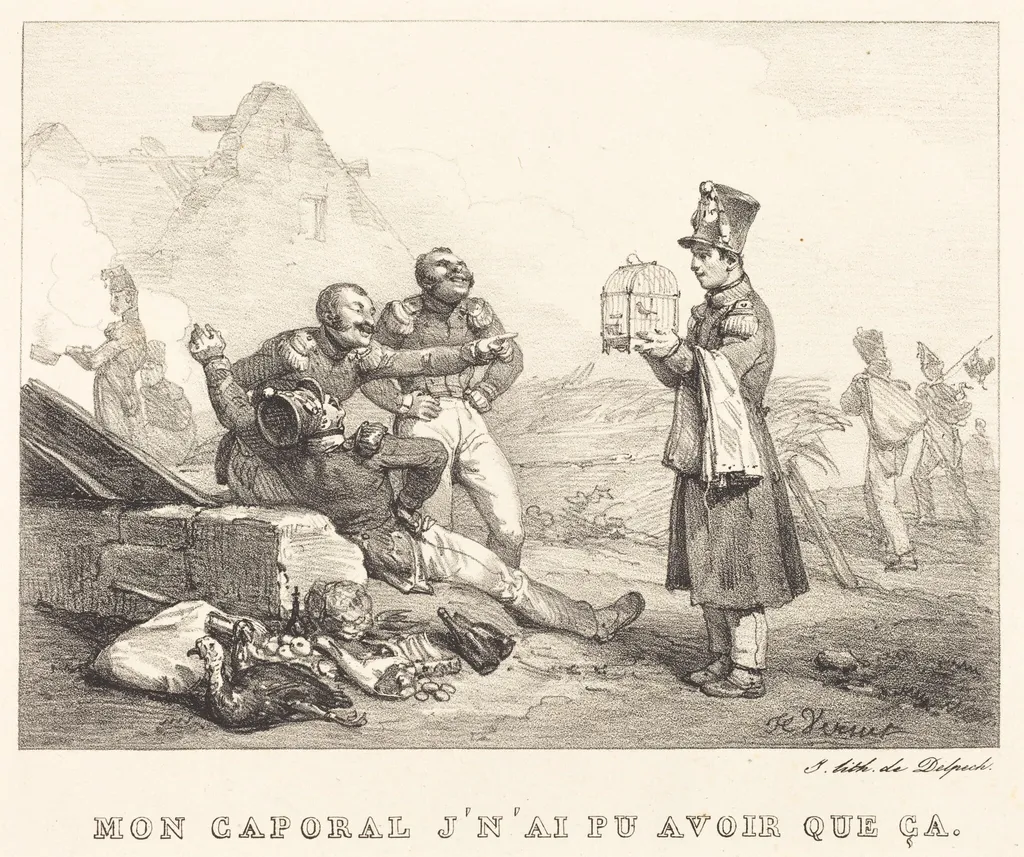
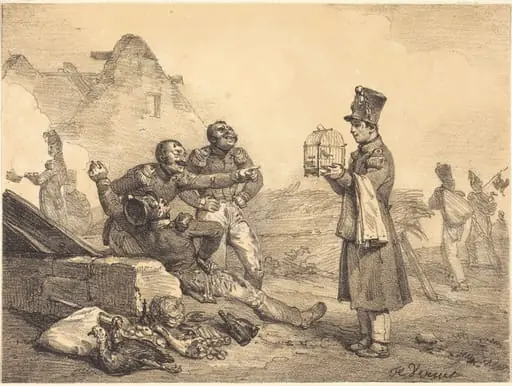
Mon Caporal, Je n'ai pu avons que ça is an ink print by the Romanticist artist Horace Vernet. It dates from 1823 and is held in the collection of the National Gallery of Art.
About this work
Overview
Vernet, known for his depictions of war and historical narratives, employed the emerging medium of lithography to produce a finely detailed print.
Created in 1823 by French artist Horace Vernet, this lithograph captures a moment of military disorder. Vernet, known for his depictions of war and historical narratives, employed the emerging medium of lithography to produce a finely detailed print. The work reflects the period’s growing interest in accessible, reproducible imagery and aligns with his broader focus on military life during the post-Napoleonic era.
Subject & Meaning
The scene portrays soldiers in disarray: one holds a birdcage, another gestures toward him, a third collapses, and a fourth lies prone. The title, loosely translated as 'My Corporal, I Could Only Get This,' hints at a failed or inadequate exchange, possibly involving a captured or requisitioned object. The birdcage introduces ambiguity—perhaps a symbol of lost freedom, a trophy, or a futile gesture—deepening the sense of confusion and moral ambiguity in the moment.
Technique & Style
Lithography allowed Vernet to render fine lines and tonal contrasts with precision, capturing the texture of uniforms, the roughness of architecture, and the agitation of figures. The composition is tightly packed, with figures overlapping and gestures directed toward the central birdcage, guiding the viewer’s eye through the chaos. The cloudy sky and sloping roofframe the scene without resolving its tension, reinforcing the unresolved nature of the event.
History & Provenance
Produced during the early 1820s, the print emerged as lithography became a favored medium for both artistic and journalistic reproduction in France. Vernet, then establishing his reputation through military subjects, likely created this work for a broader public interested in contemporary military anecdotes. No definitive record of its original circulation exists, but its survival suggests it was part of a series or private collection focused on soldierly life.
Context
In the aftermath of the Napoleonic Wars, French society remained preoccupied with military experience and its human costs. Vernet’s work tapped into this cultural mood, portraying not grand victories but the mundane, chaotic realities of service. Lithographs like this one reached audiences beyond elite circles, offering a visual narrative of soldiering that was immediate, unidealized, and often unsettling.
Legacy
Though less known than Vernet’s large-scale paintings, this lithograph exemplifies his ability to convey psychological tension through everyday military moments. It contributes to a broader 19th-century shift toward depicting war’s human dimension rather than its heroism. The work remains a quiet testament to the role of print media in shaping public perception of military life during a period of political and social transition.
Own this work as a print
Artist & collection
Artist
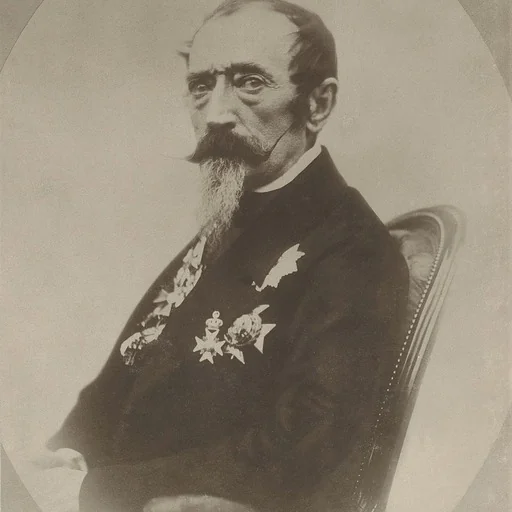
Émile Jean-Horace Vernet (French pronunciation: ; 30 June 1789 – 17 January 1863), better known as Horace Vernet, was a French painter of battles, portraits, and Orientalist subjects.

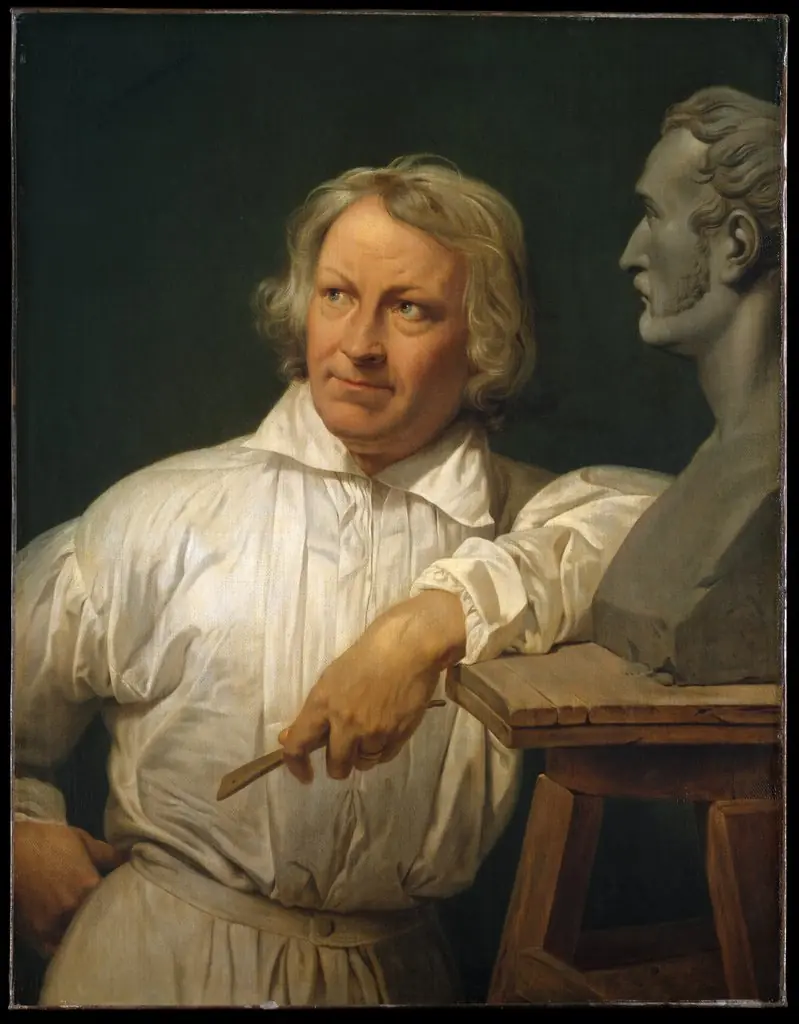 Bertel Thorvaldsen (1768–1844) with the Bust of Horace Vernet
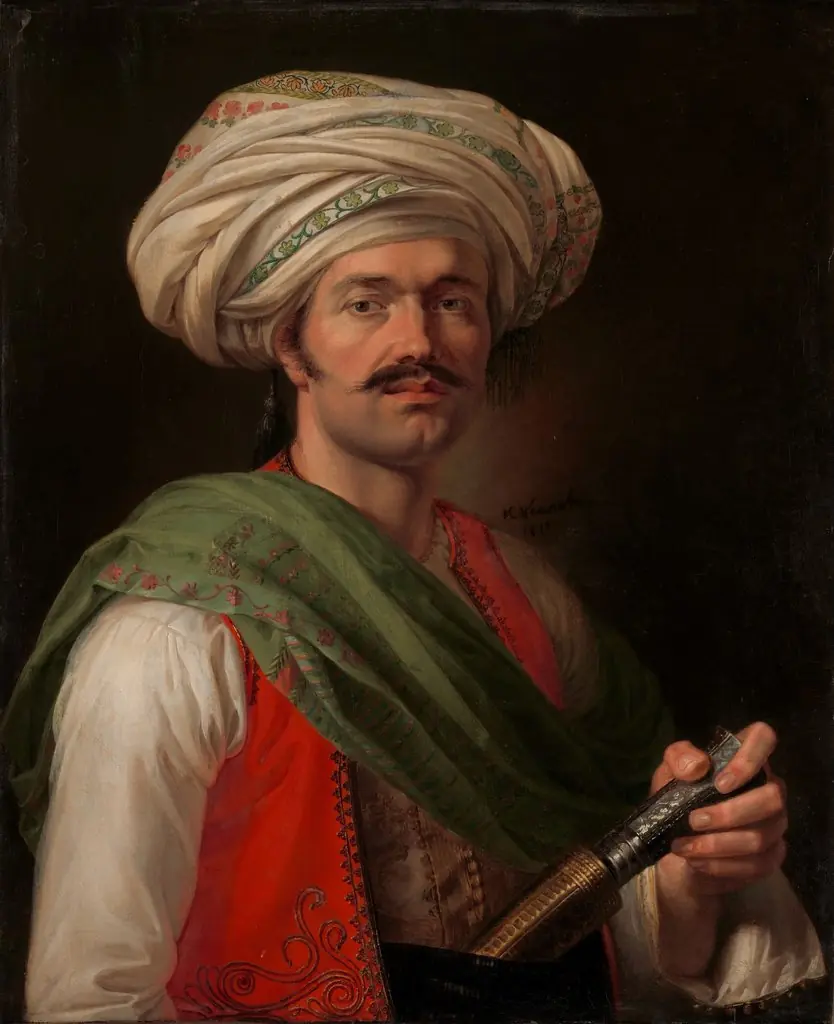 Portrait of a Mameluke, said to be Roustam Raza
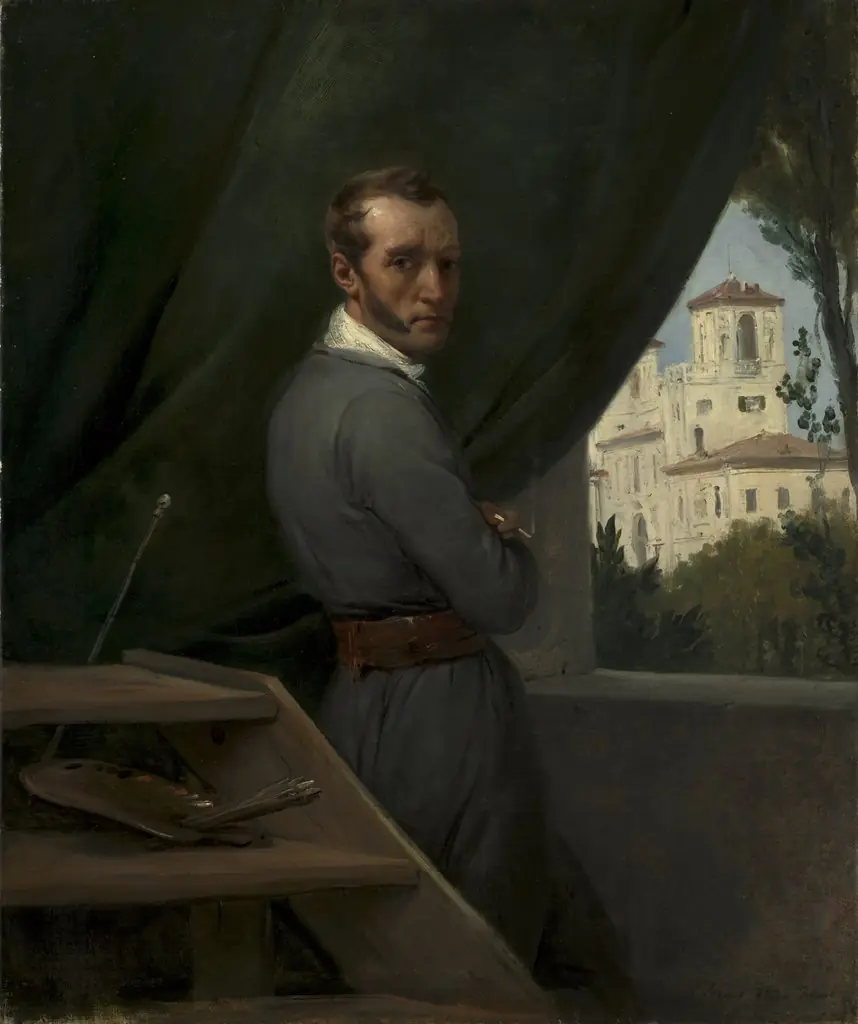 Self-Portrait in Rome
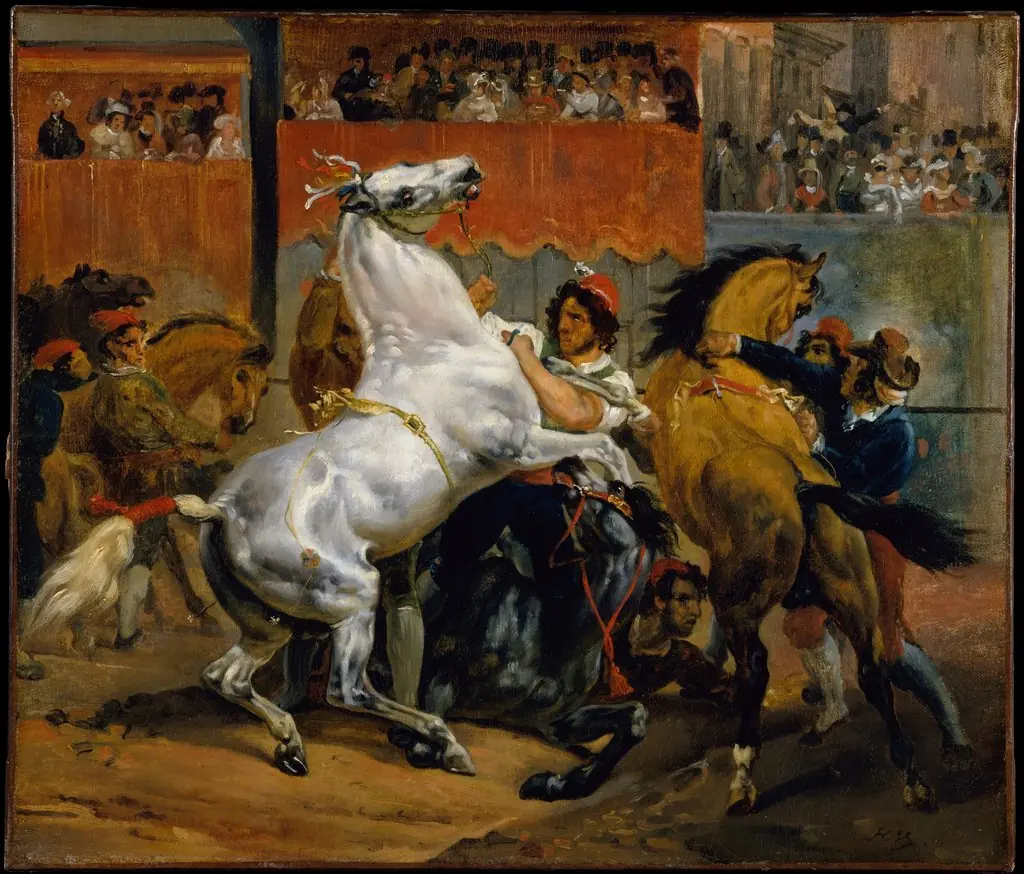 The Start of the Race of the Riderless Horses
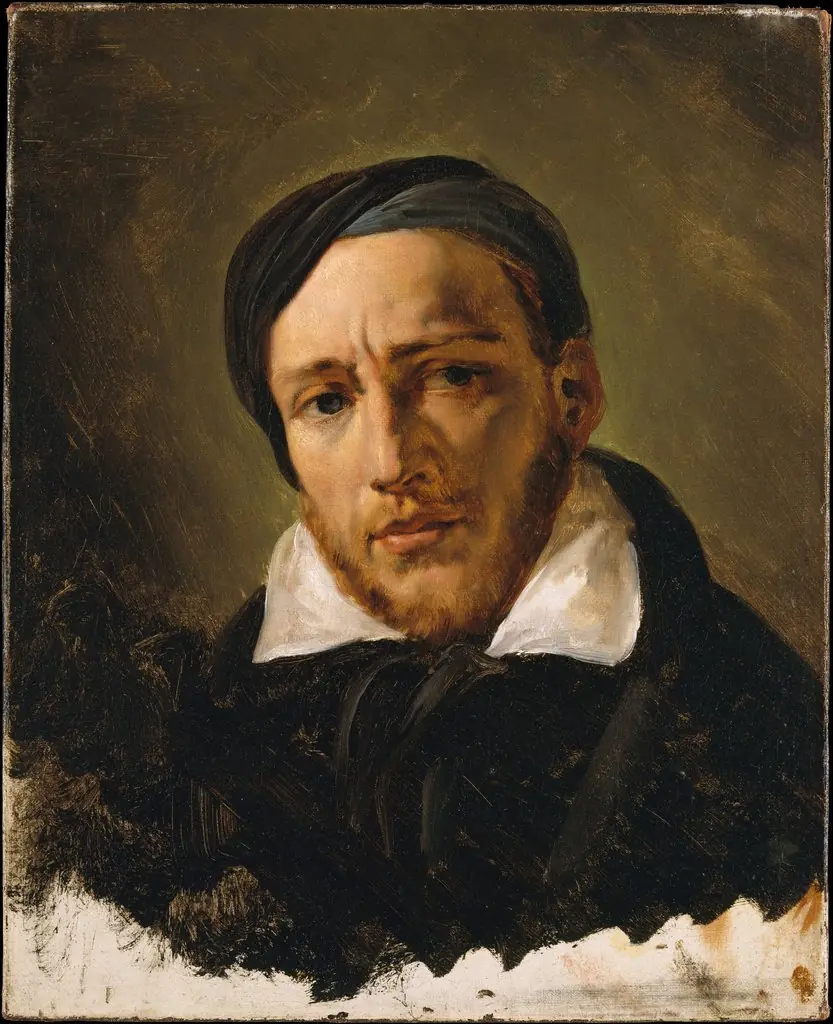 Jean-Louis-André-Théodore Gericault (1791–1824)
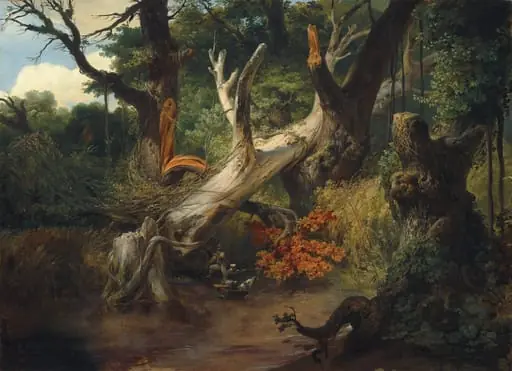 Hunting in the Pontine Marshes
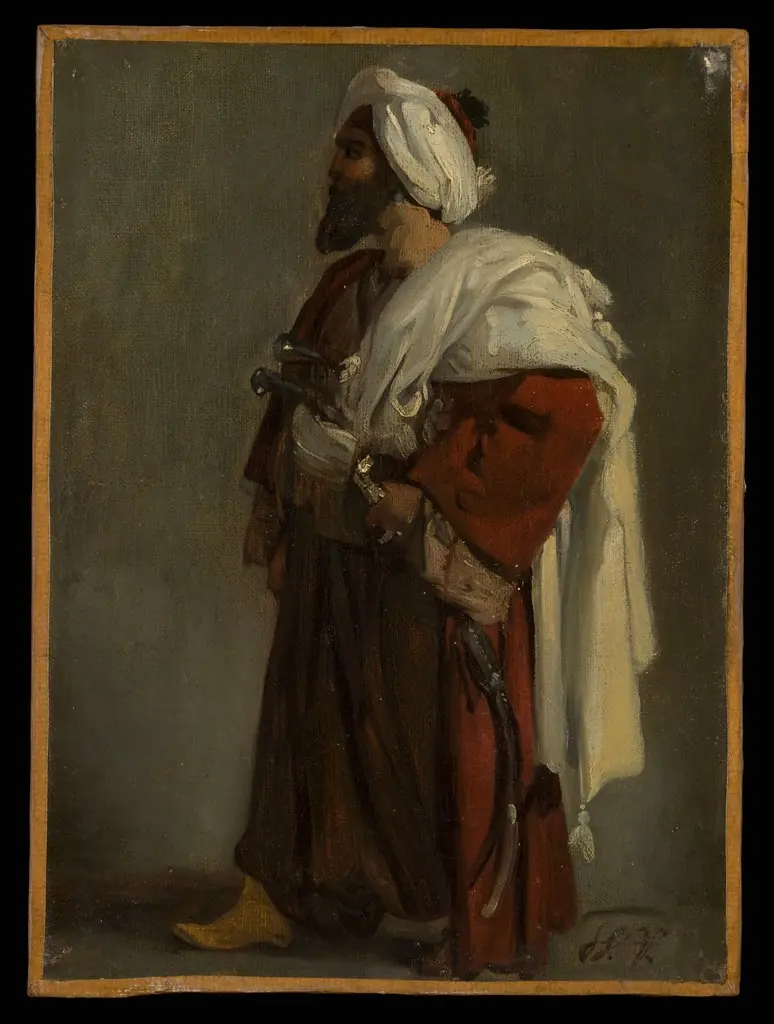 Arab Warrior
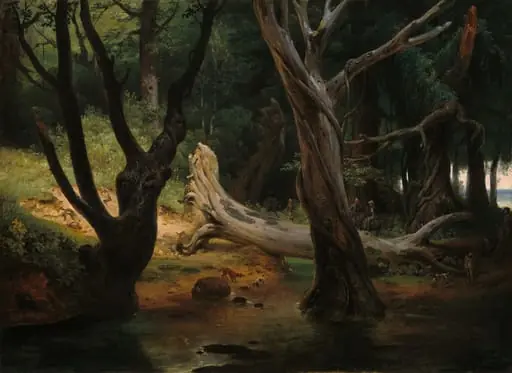 Departure for the Hunt in the Pontine Marshes
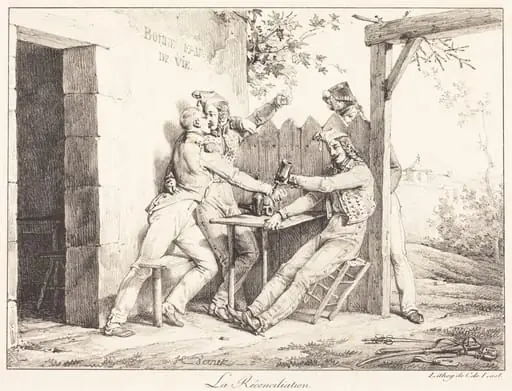 La Reconciliation
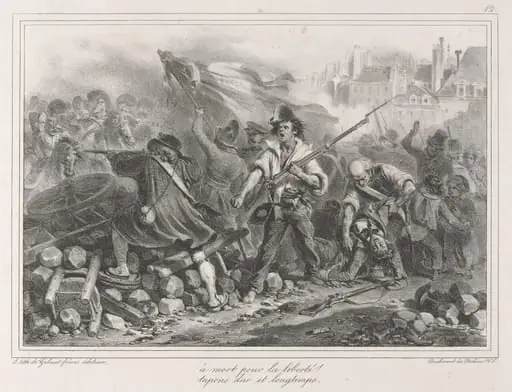 Album of 1831: Freedom or death!
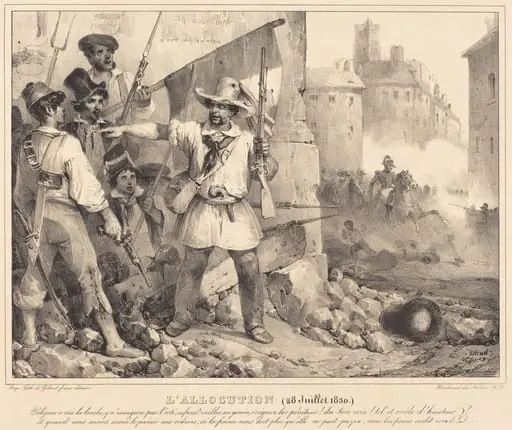 L'Allocution, 20 juillet, 1830
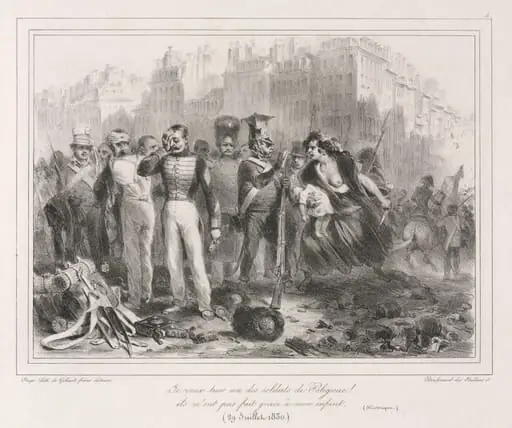 Album of 1831: I want to kill one of Polignac's soldiers. They did not spare my child (Historic)
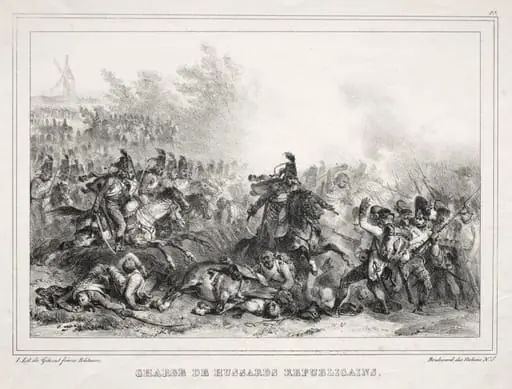 Album pour 1833: Charge de Hussards Républicains
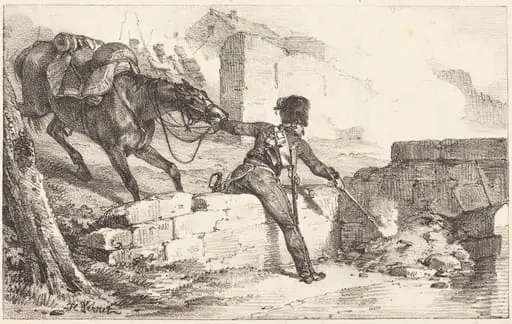 Artilleryman Lighting a Mine
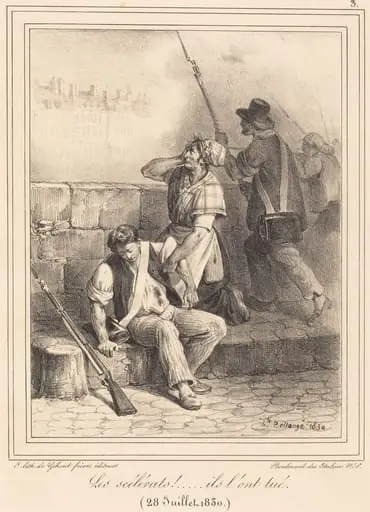 "Les Scélérats!..."
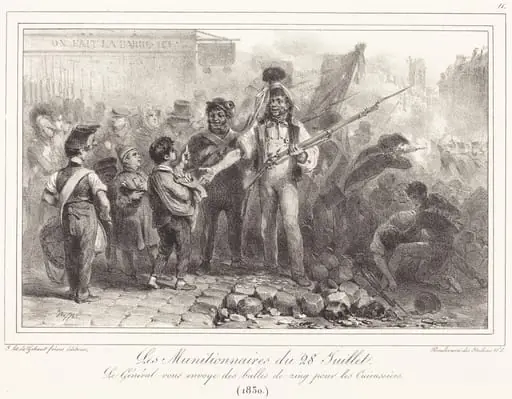 Les Munitionaires du 28 Juillet
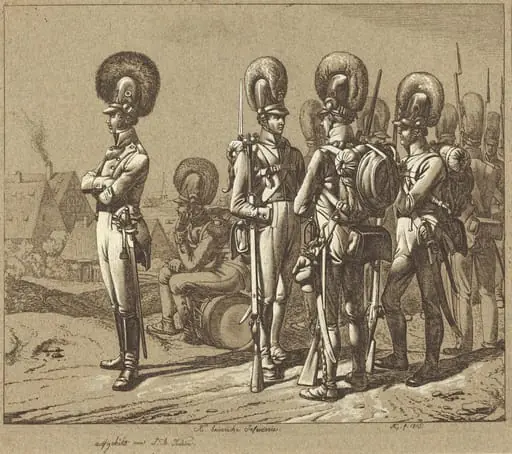 K. baierische Infanterie (Bavarian Infantrymen)
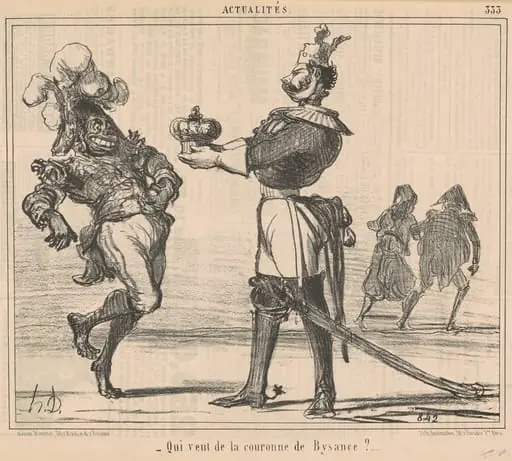 Qui veut de la couronne de Bysance?
 Infanterie legère française, Carabinier
 Mon Caporal, je n'ai pu avons que ça