Artwork
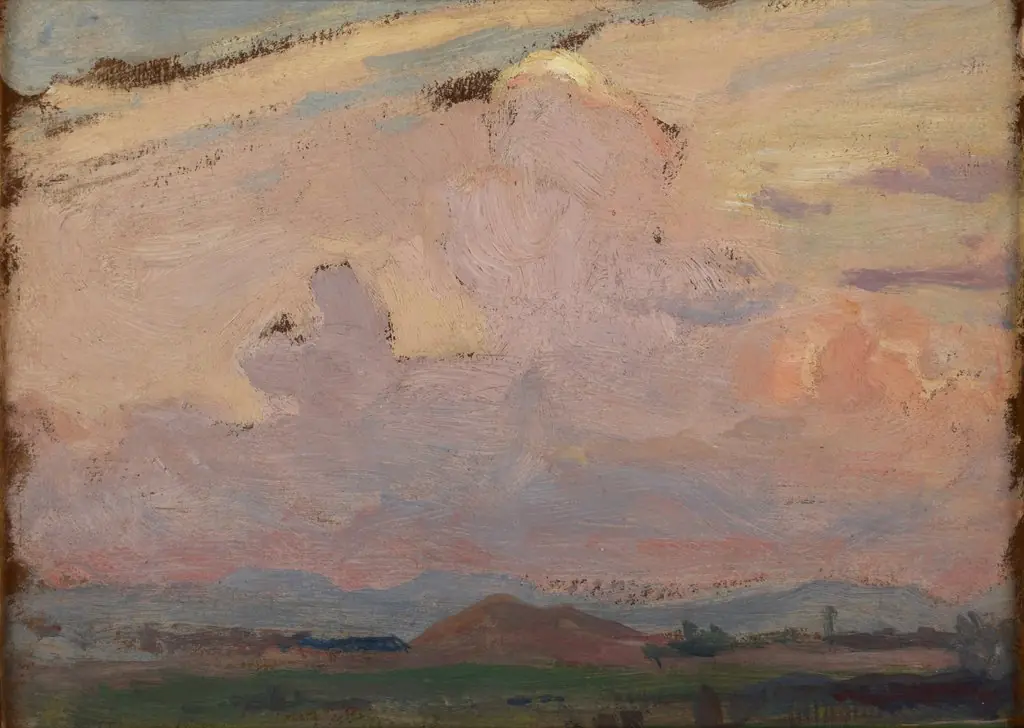
Peisaj
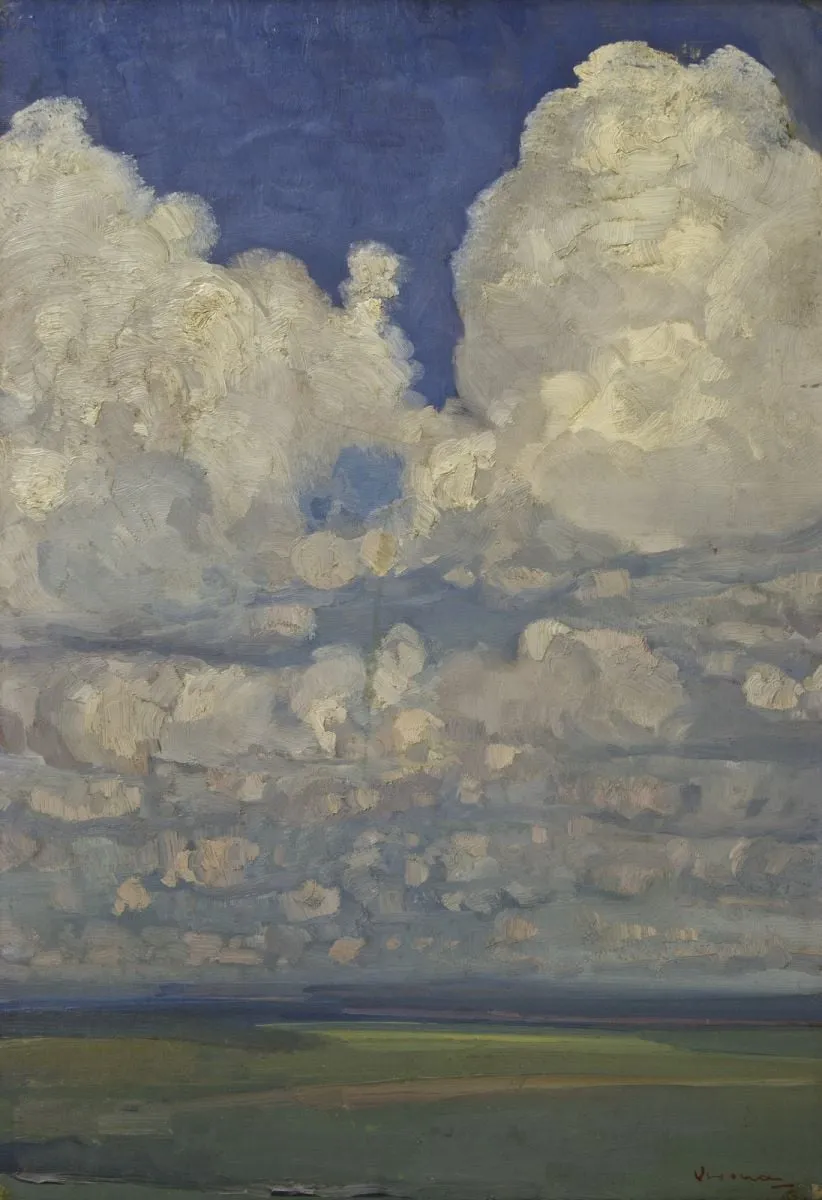
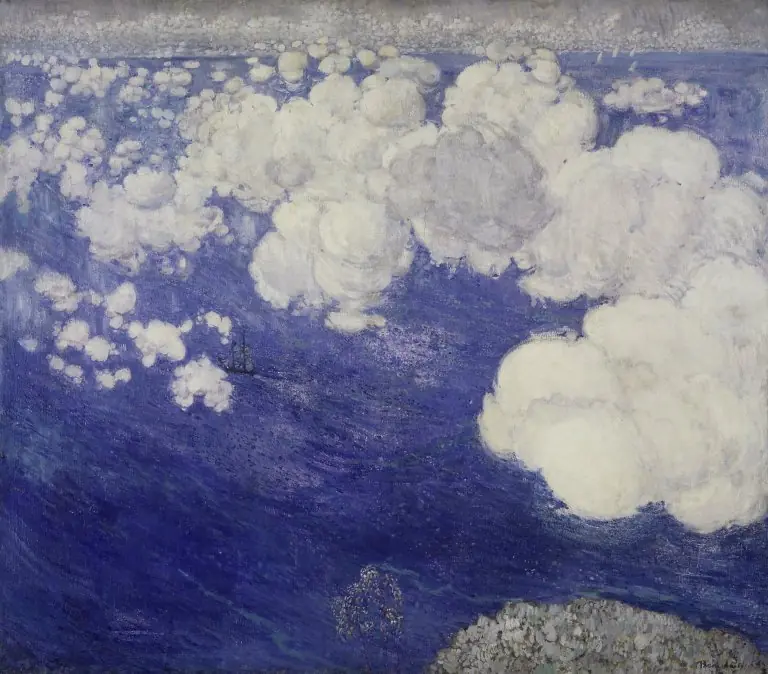
Peisaj is an unspecified painting by Arthur Verona (Garguromin). It dates from 1913 and is held in the collection of the National Museum of Art of Romania.
About this work
Overview
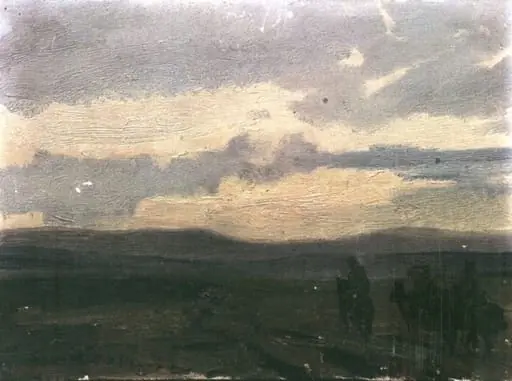
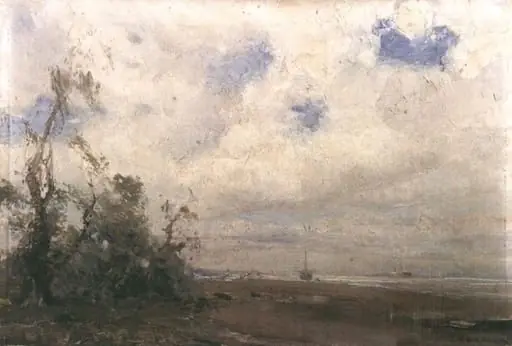
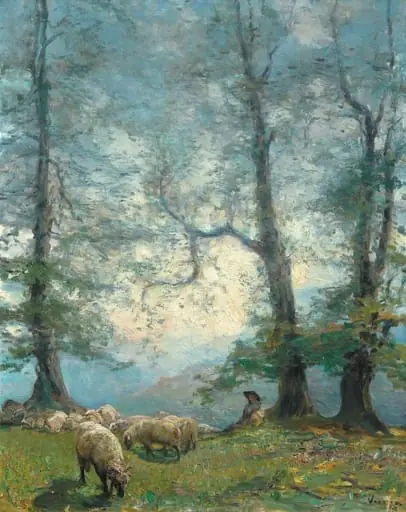
Peisaj, attributed to Arthur Verona and dated circa 1913, presents a tranquil rural scene. A modest stone cottage with a thatched roof sits beneath a gently rising hill of subdued green, while a solitary tree occupies the left foreground. The composition conveys a quiet, pastoral atmosphere.
Subject & Meaning
The work depicts a simple countryside landscape that likely draws on Verona’s documented journeys through the Italian countryside. The modest architecture and solitary tree suggest an appreciation for solitude and the unassuming beauty of rural life.
Technique & Style
Verona employed a thick, tactile application of paint—impasto—to render the hill’s surface, creating a sense of physical texture. The muted palette and restrained brushwork emphasize atmosphere over detail, aligning the piece with early twentieth‑century landscape traditions.
History & Provenance
Signed with the pseudonym Garguromin, the painting’s exact creation date remains uncertain, though scholars place it around 1913. It is presently held by the Museum of Ethnography, which acquired it as part of its collection of early modern European works.
Artist & collection
Artist
Arthur Verona (Garguromin) painted the Romanian countryside in the early 20th century—rivers, riders, forests, and quiet rooms.