Artwork
Ciobani în pădure
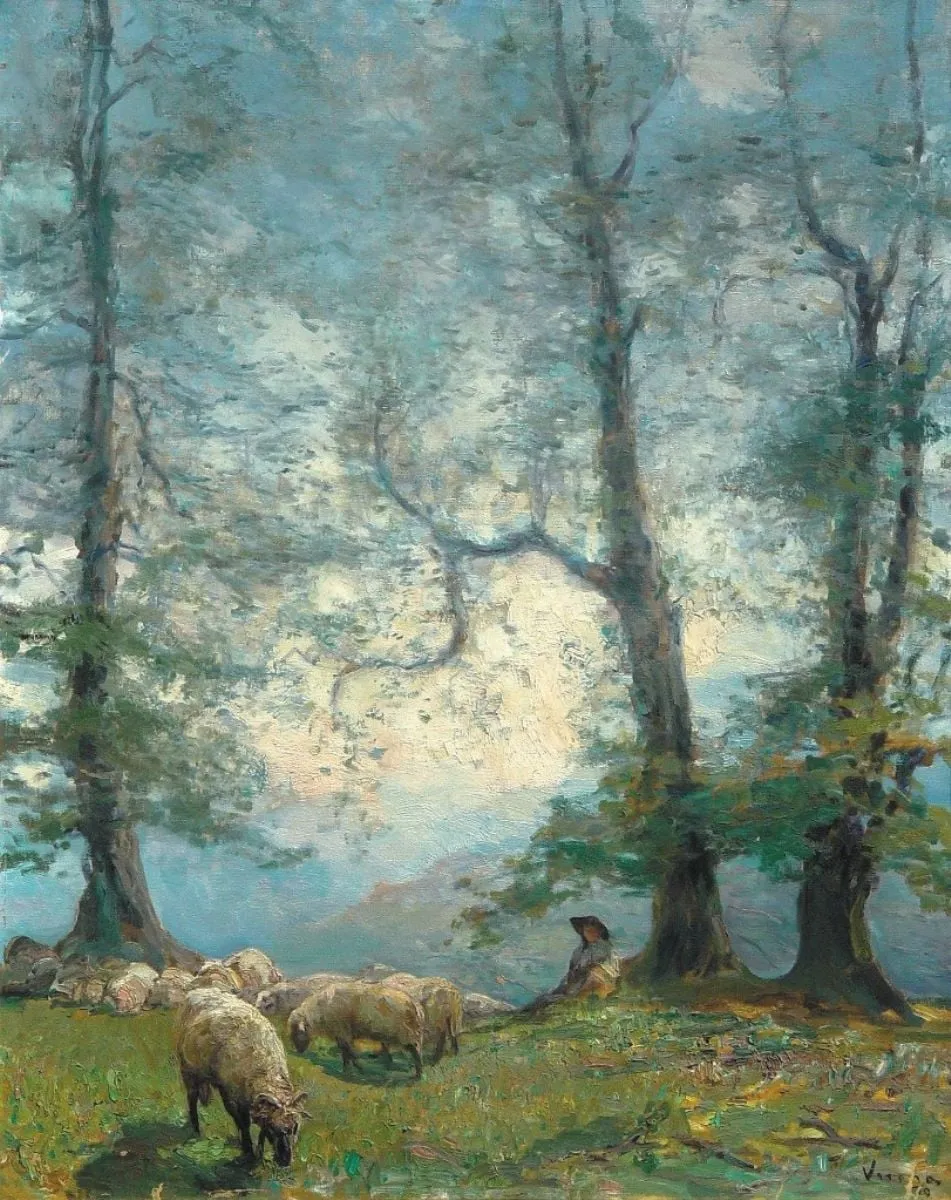
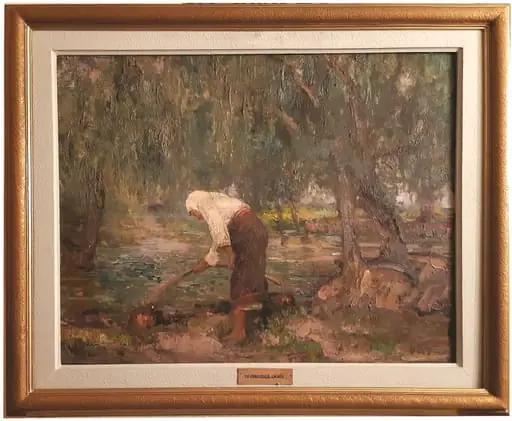
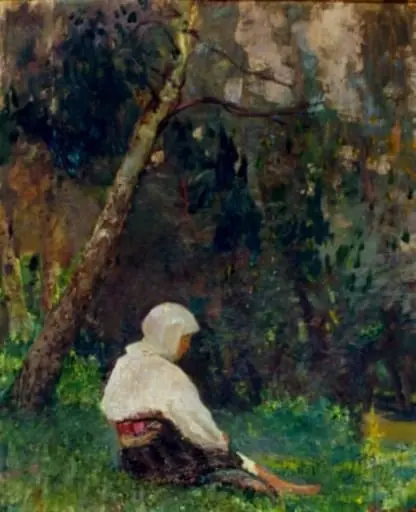
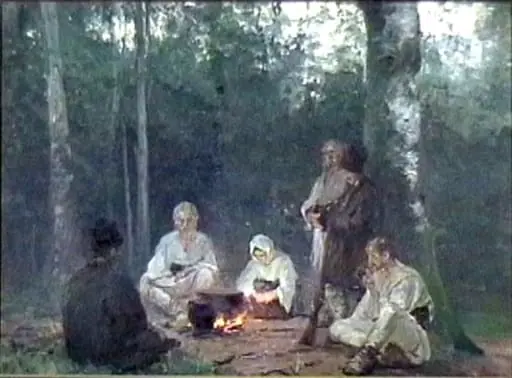
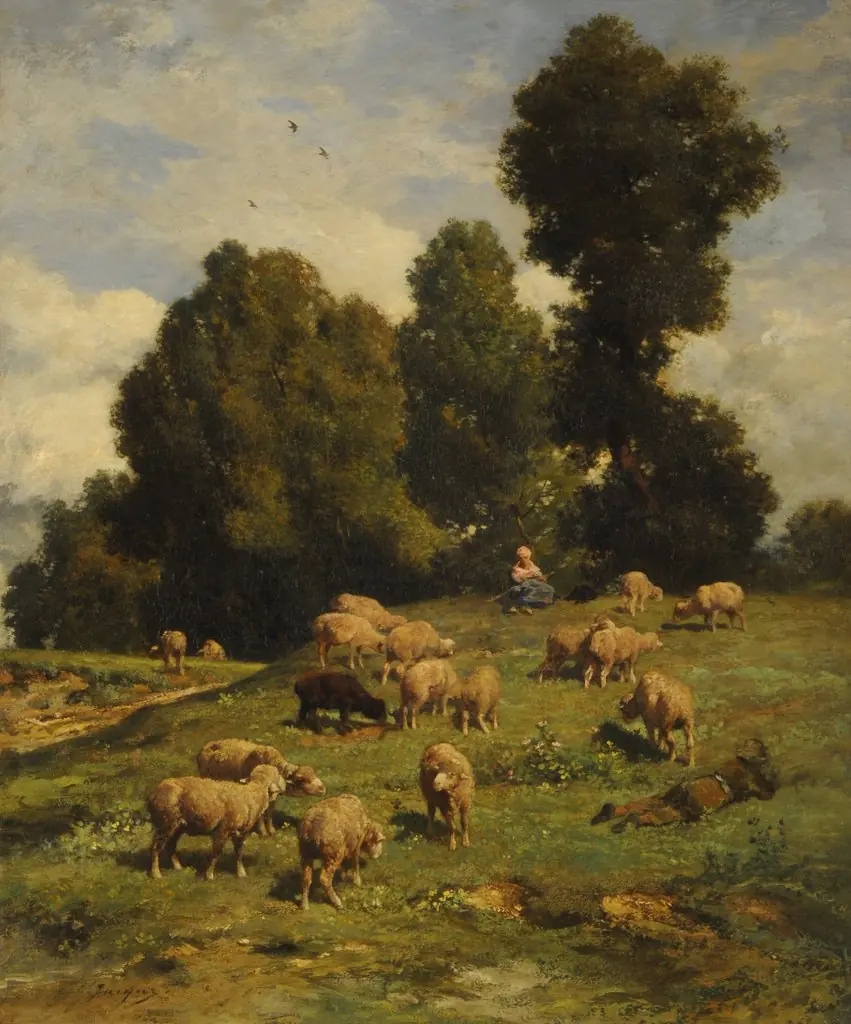
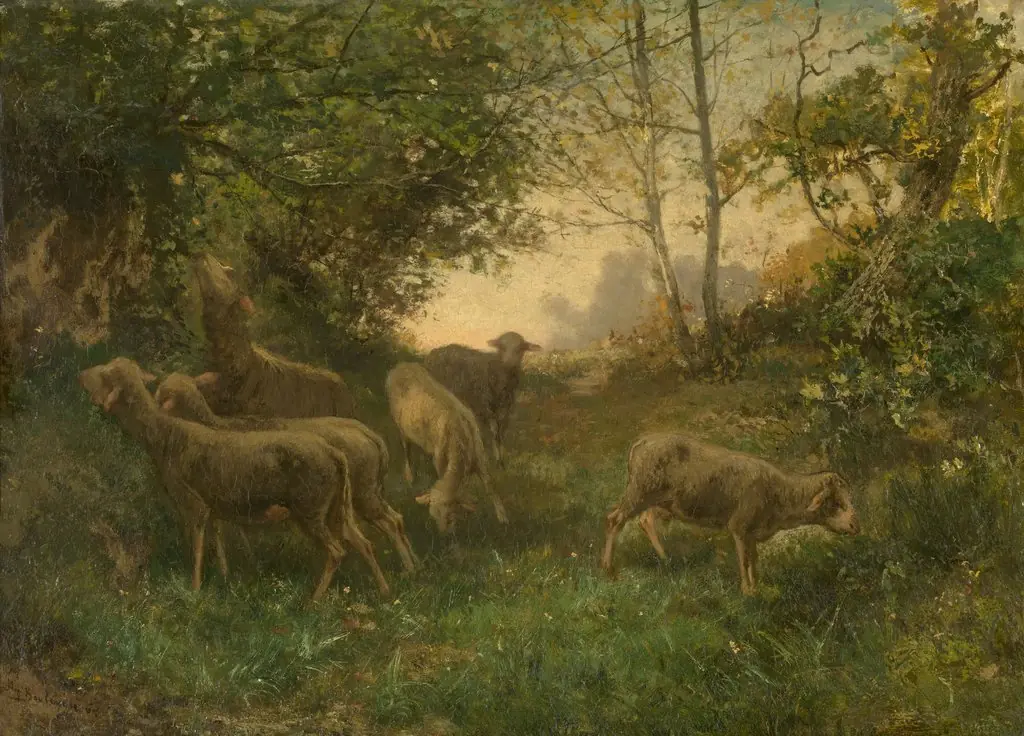
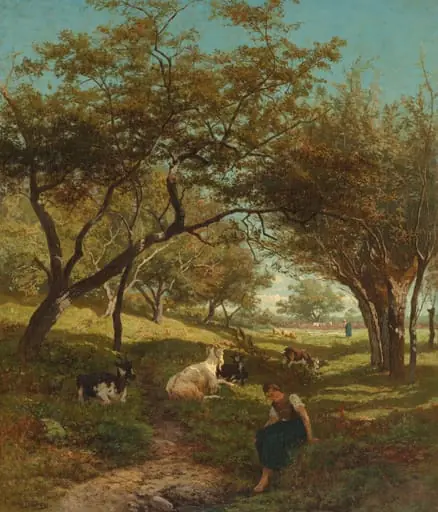
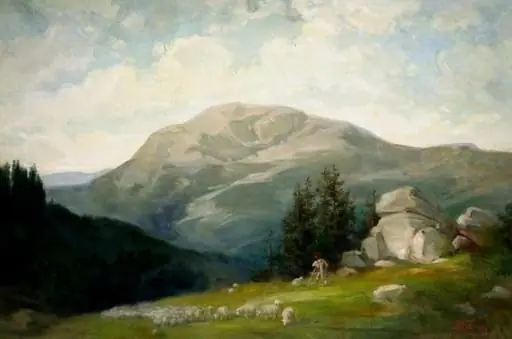
Ciobani în pădure is an unspecified painting by Arthur Verona (Garguromin). It is held in the collection of the Museum of Art Cluj-Napoca. This painting depicts a tranquil woodland scene, centered on a solitary figure tending to a small flock of sheep.
About this work
Overview
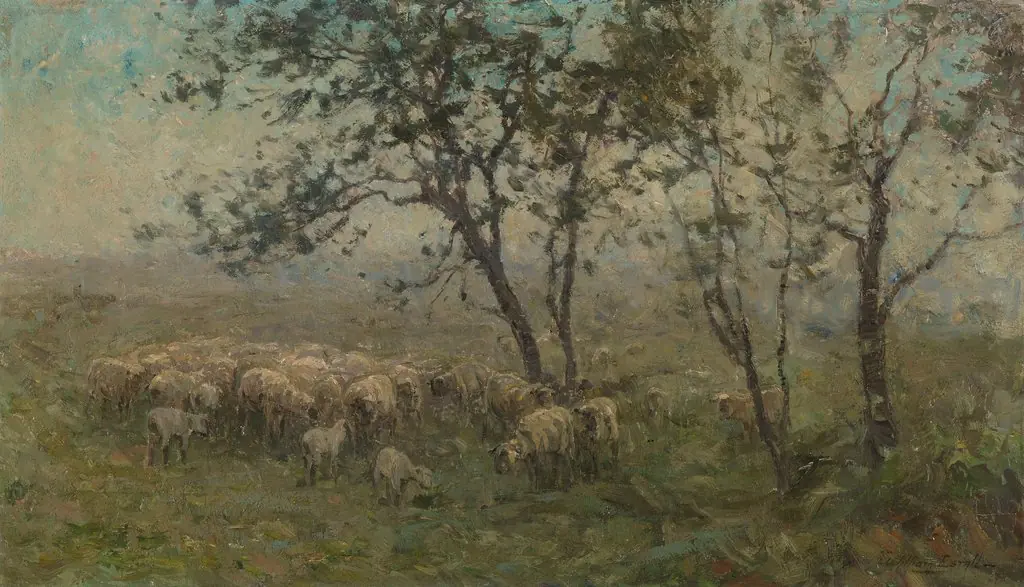
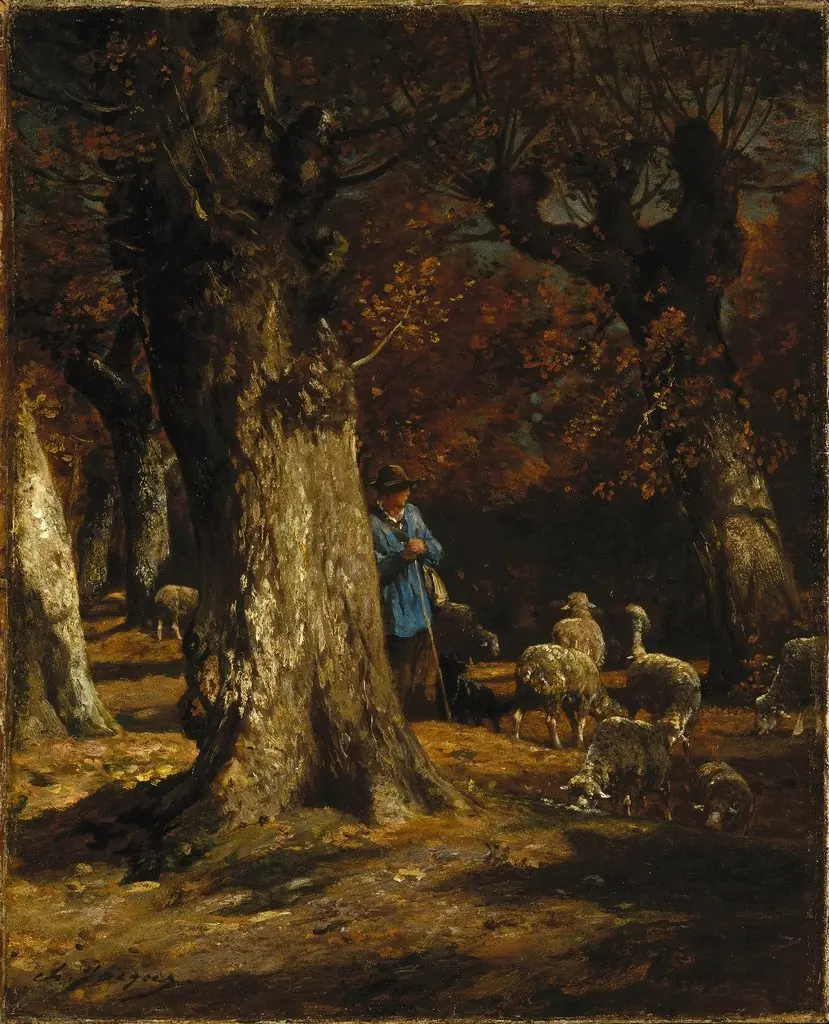
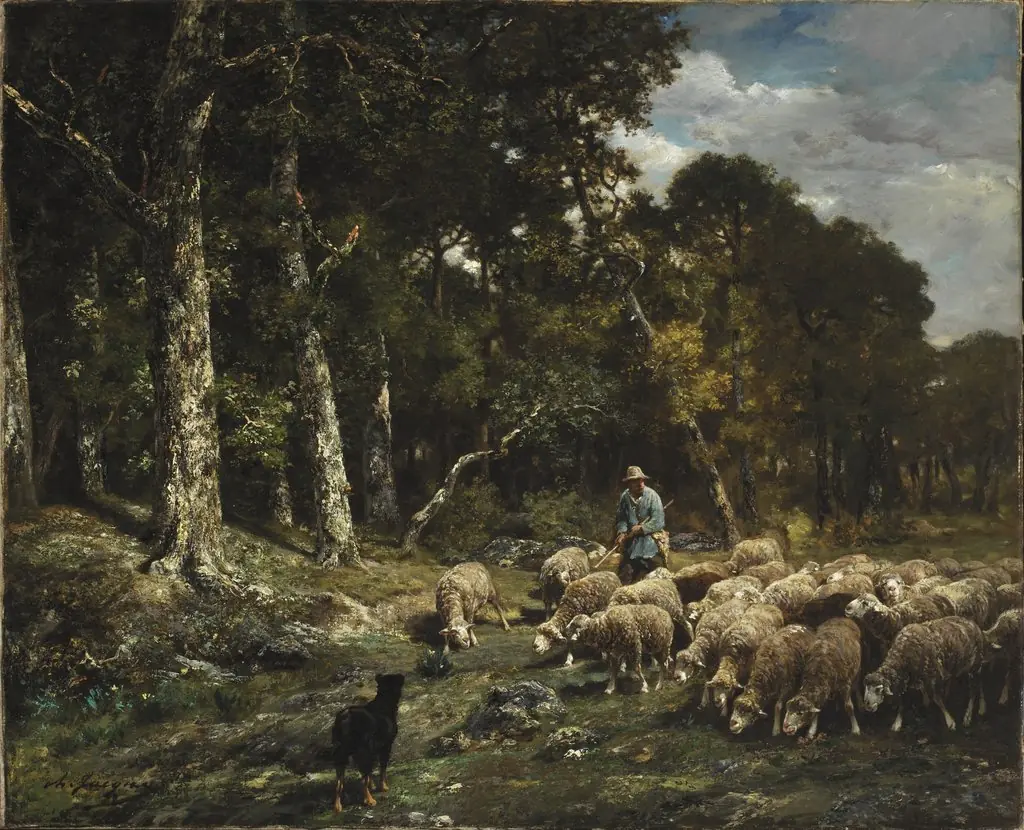
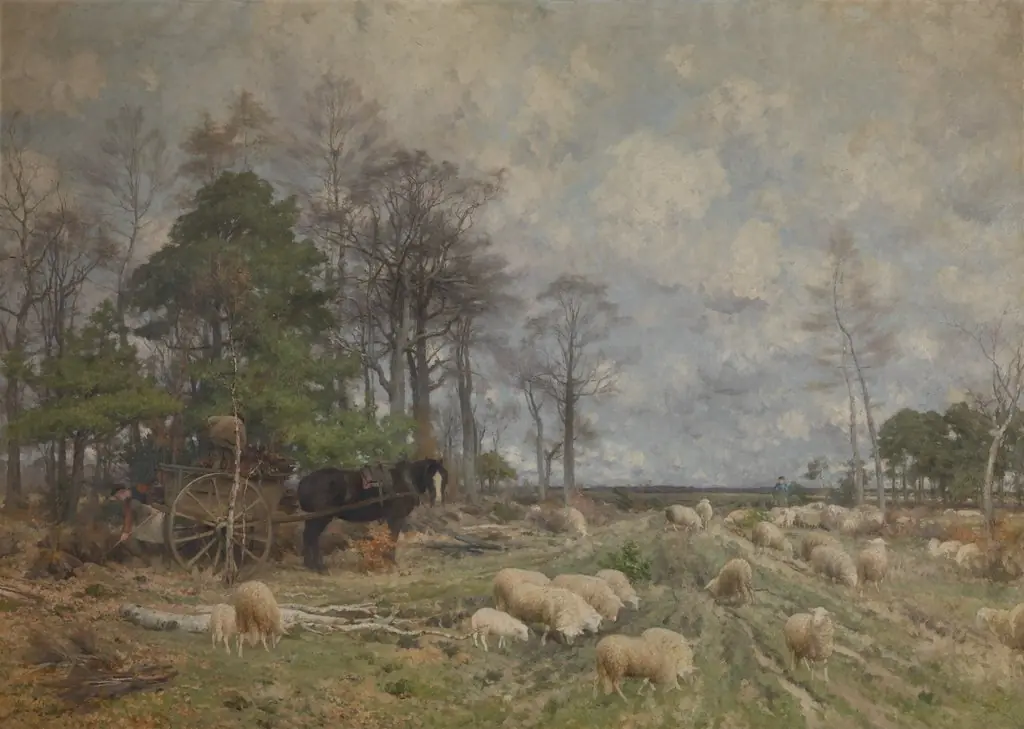
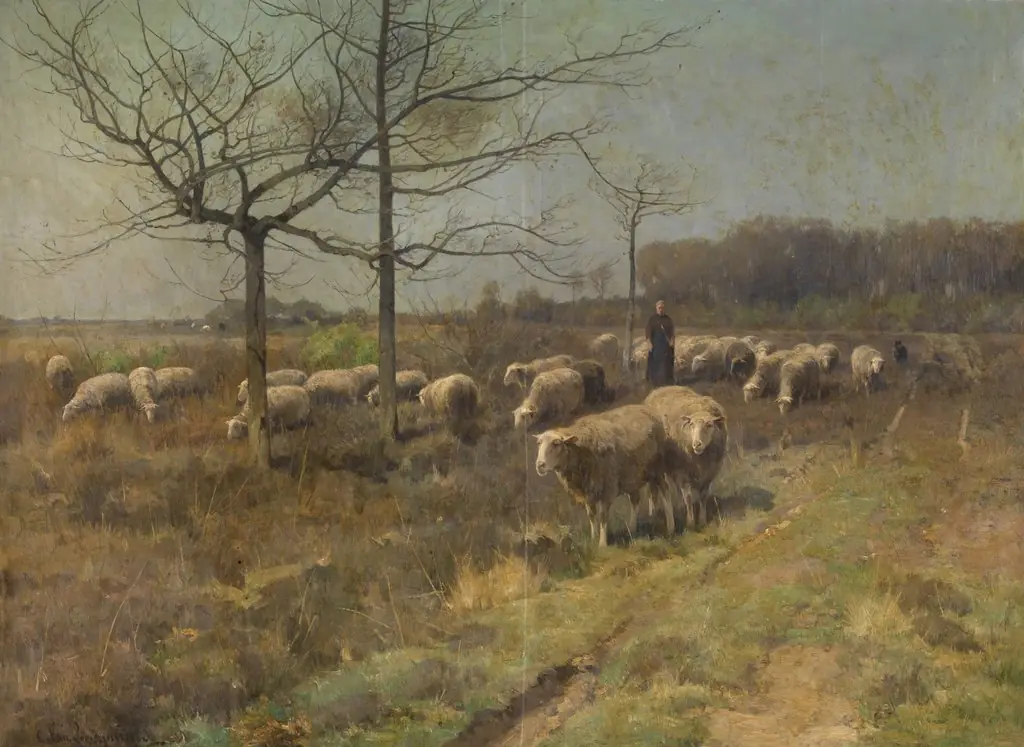
This painting depicts a tranquil woodland scene, centered on a solitary figure tending to a small flock of sheep. The composition is framed by slender, tall trees that recede into the background, creating a sense of depth. The atmosphere is subdued, with a pale sky and soft, diffused light filtering through the foliage, enhancing the quiet, contemplative mood of the moment.
Subject & Meaning
The figure, likely a shepherd, is shown in a moment of stillness, observing the grazing sheep rather than actively herding them. This suggests a relationship of quiet stewardship rather than labor. The isolation of the figure within the forest may imply themes of solitude, harmony with nature, or the passage of time in rural life, without overt narrative or symbolism.
Technique & Style
Thick, textured brushwork characterizes the grass and tree bark, applying paint in a raised, tactile manner typical of impasto. The foliage appears misty and loosely rendered, contrasting with the heavier strokes of the trunks and ground. This variation in handling gives the scene a sense of physical presence, where light and texture feel tangible rather than idealized.
History & Provenance
The painting’s origin and early ownership are not documented in available records. It is cataloged as an image without attribution to a known artist or date, suggesting it may be a lesser-known or regional work. Its survival as a standalone visual record implies it was preserved for its descriptive or sentimental value rather than its artistic fame.
Context
The scene reflects a common rural motif in 19th-century European art, where shepherds and forests symbolized simplicity and connection to the land. Unlike pastoral idealizations, this work avoids romanticism, presenting a modest, unembellished moment. Its style aligns with regional realist traditions that prioritized observation over dramatic composition.
Legacy
Though not widely exhibited or studied, the painting contributes to a broader archive of quiet rural imagery. Its emphasis on texture and subdued light offers insight into how local artists interpreted natural environments without academic conventions. It remains a quiet testament to everyday life in wooded pastoral settings.
Artist & collection
Artist
Arthur Verona (Garguromin) painted the Romanian countryside in the early 20th century—rivers, riders, forests, and quiet rooms.