Artwork
Vacunación de niños
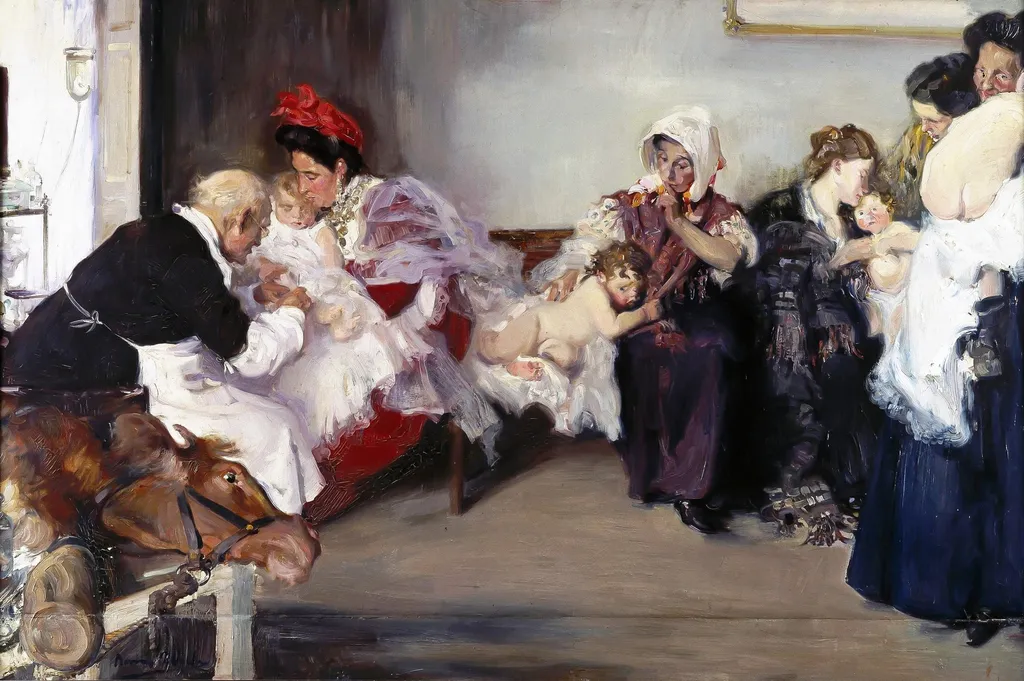
Vacunación de niños is an oil painting by the Post-Impressionist artist Vicente Borrás Abella. It dates from 1900 and is held in the collection of the Museo del Prado.
About this work
Overview
Painted in 1900 by Vicente Borrás Abella, this oil on canvas work captures a domestic moment of childhood vaccination. It is part of the collection at the Museo del Prado in Madrid. Unlike many contemporary works focused on grand narratives, this piece turns attention to an everyday medical practice, rendered with quiet realism and attention to interpersonal detail.
Subject & Meaning
The scene portrays a mother in a red dress and headscarf holding her infant while an older man, likely a physician, examines the child.
The scene portrays a mother in a red dress and headscarf holding her infant while an older man, likely a physician, examines the child. Others in the room observe with calm attention. The act of vaccination, then still a relatively new public health measure, is shown not as clinical or fearful, but as a communal, tender event—reflecting growing societal trust in medical science during the early 20th century.
Technique & Style
Borrás Abella employs soft, naturalistic lighting and muted tones to ground the scene in realism. The textures of fabric, skin, and wood are rendered with subtle brushwork, avoiding theatricality. The composition centers on the mother and child, with surrounding figures framed to suggest quiet observation rather than intrusion. The warm color palette enhances the sense of intimacy within the modest interior.
History & Provenance
The painting entered the Museo del Prado’s collection in the early 20th century, likely through acquisition or donation. Its preservation reflects institutional interest in documenting social life through art. While Borrás Abella was not a widely known figure, this work stands as one of the few surviving examples of his focus on domestic and medical themes in late 19th- and early 20th-century Spain.
Context
At the turn of the century, Spain was expanding public health initiatives, including childhood vaccination campaigns. This painting aligns with a broader cultural shift toward valuing scientific medicine in everyday life. Unlike idealized historical or religious scenes common in academic art, Borrás Abella’s work presents a secular, ordinary moment—elevating the mundane through careful observation.
Legacy
The painting remains a quiet testament to the normalization of medical care in domestic settings. It offers insight into how Spanish society engaged with emerging public health practices. Though not widely exhibited, its presence in the Prado ensures its role as a historical document, preserving a moment when science and family life intersected with dignity and calm.
Own this work as a print
Artist & collection

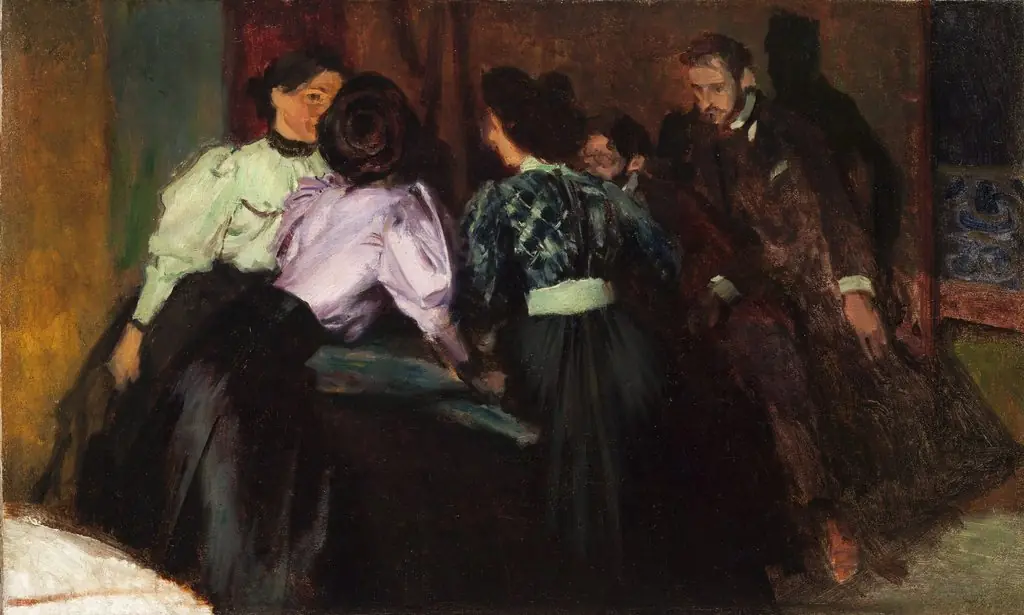 Sketch to the Painting "Conversation"
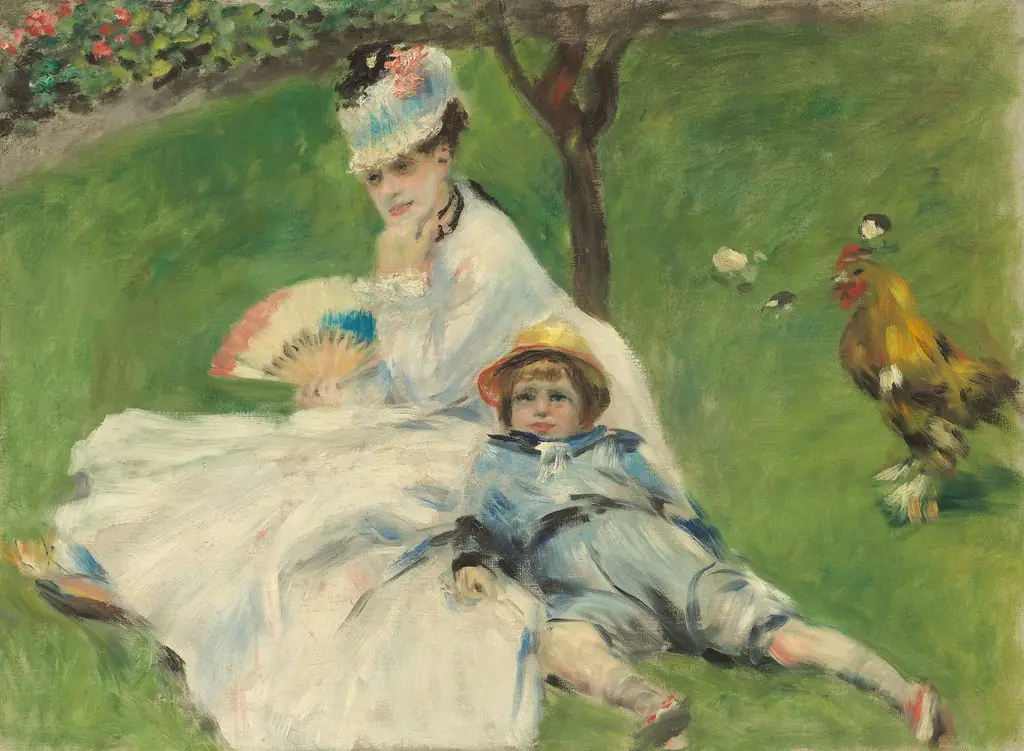 Camille Monet und ihr Sohn Jean in Argenteuil
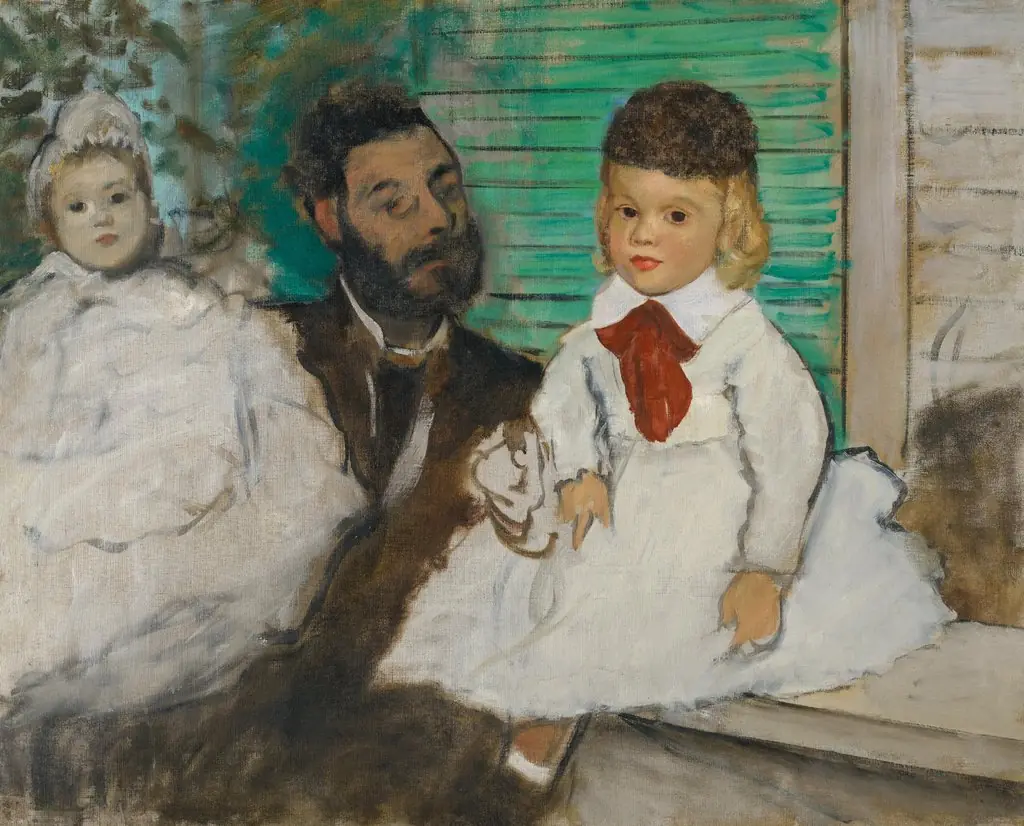 Count Lepic and His Daughters
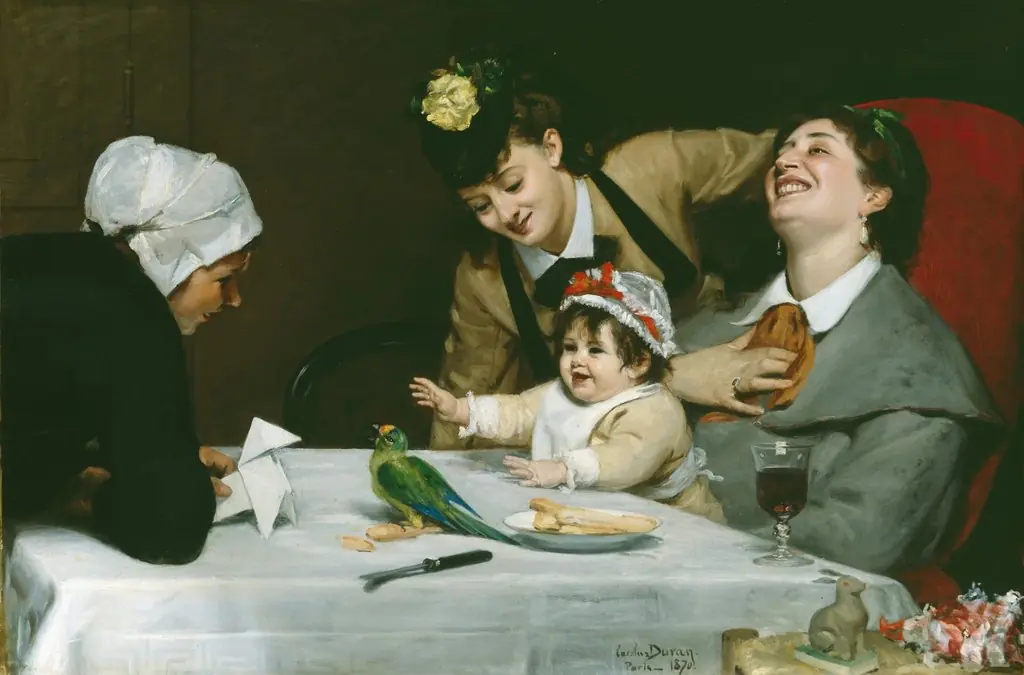 Merrymakers
 The Dance Lesson
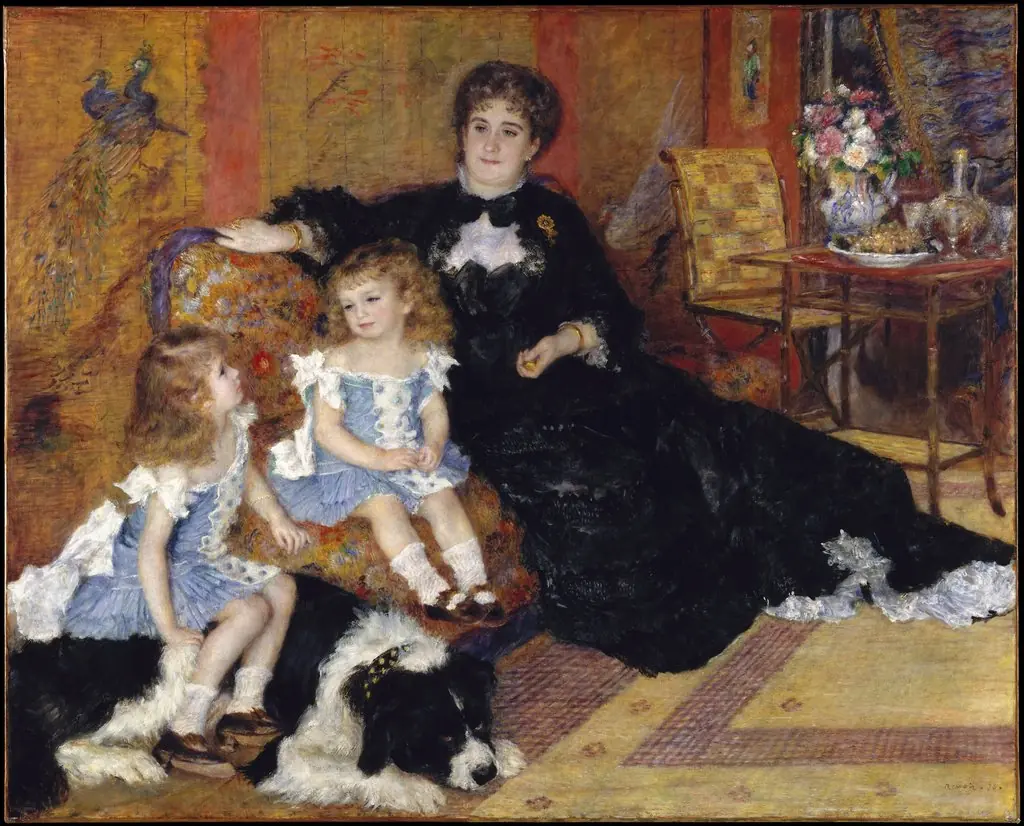 Madame Georges Charpentier and her Children
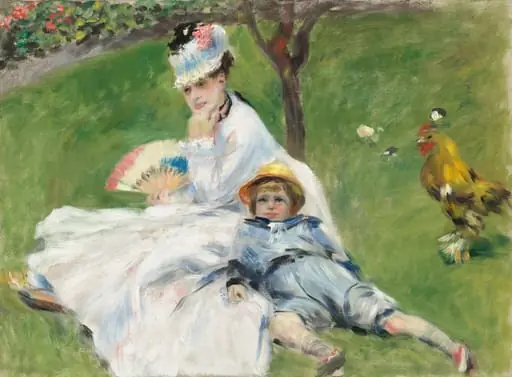 Madame Monet and Her Son
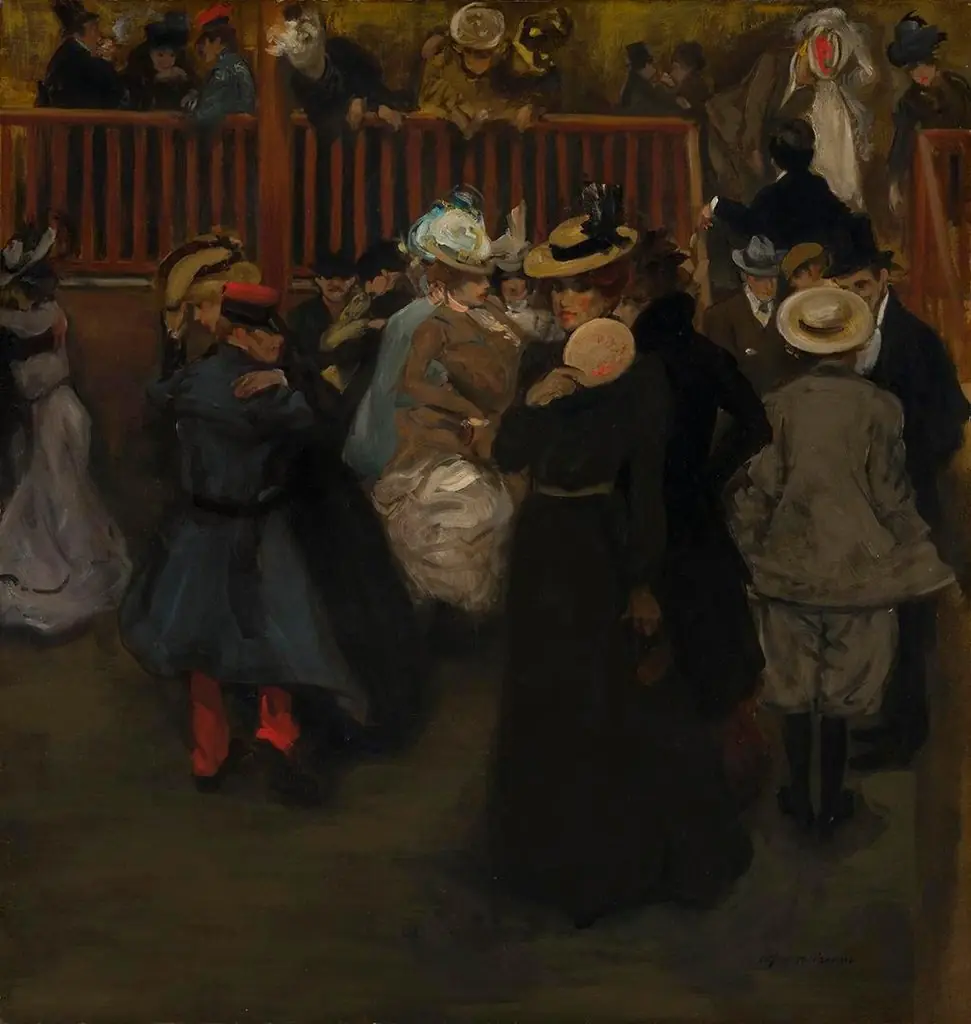 Café Scene
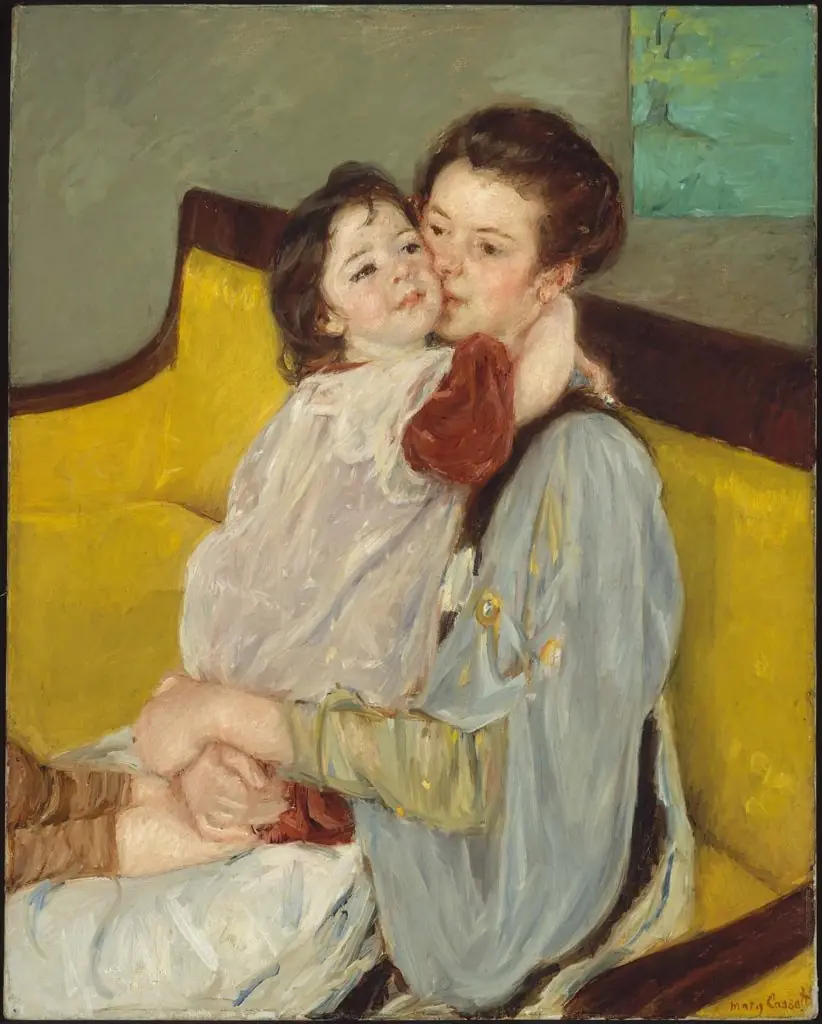 Caresse Maternelle
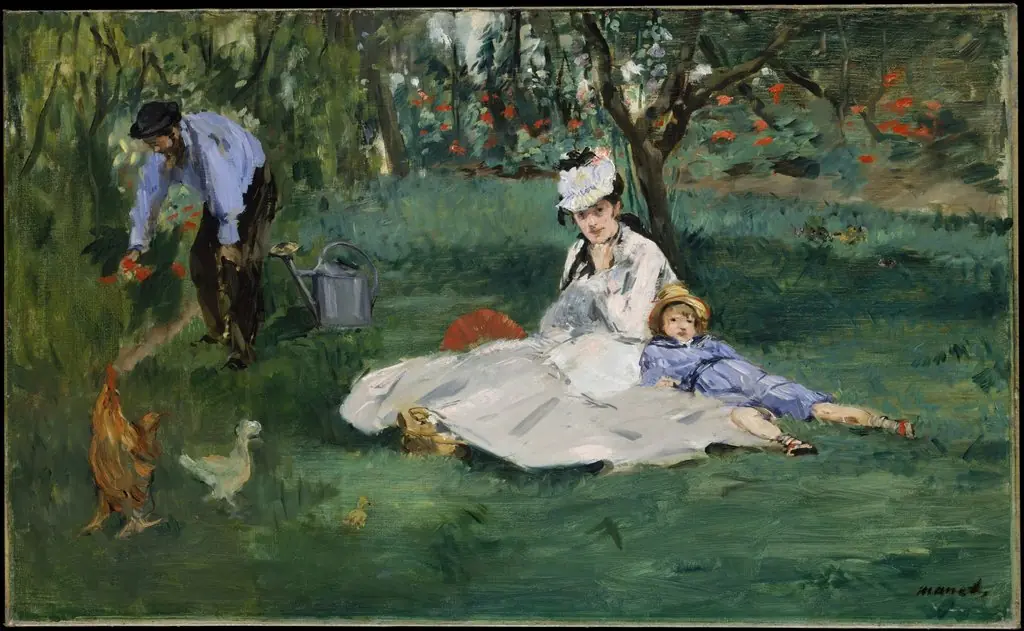 The Monet Family in Their Garden at Argenteuil
 The Monet Family in Their Garden at Argenteuil
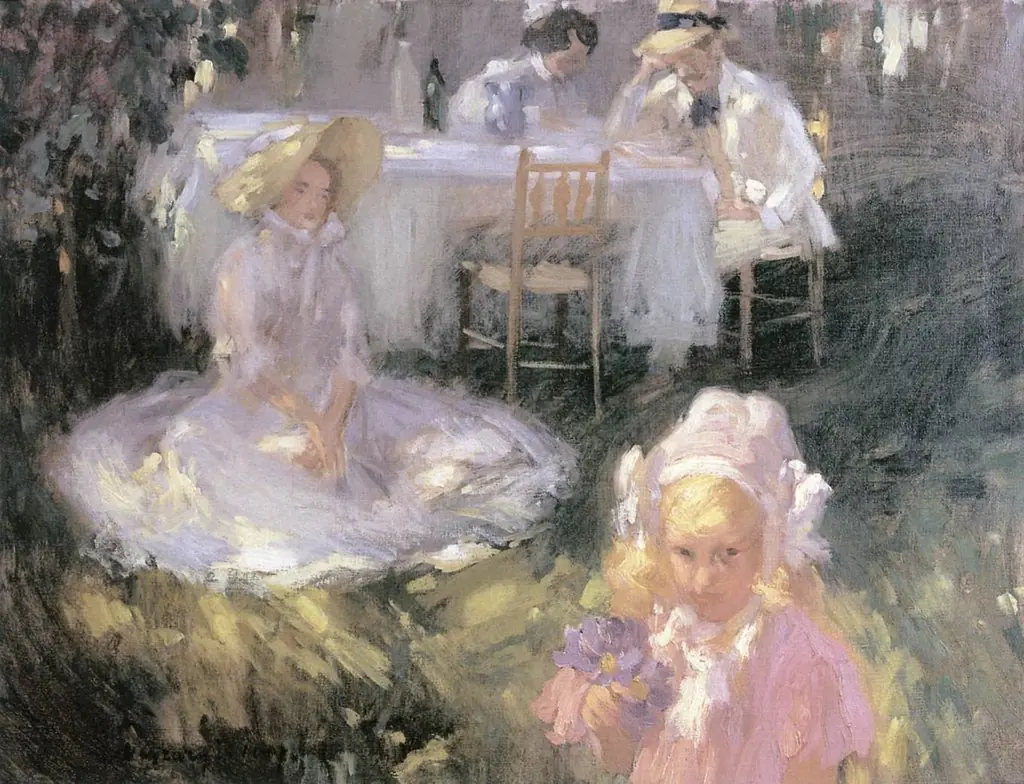 Breakfast in the Open Air