Artwork
Luis Veldrof, grand lodging master and concierge of the Royal Palace
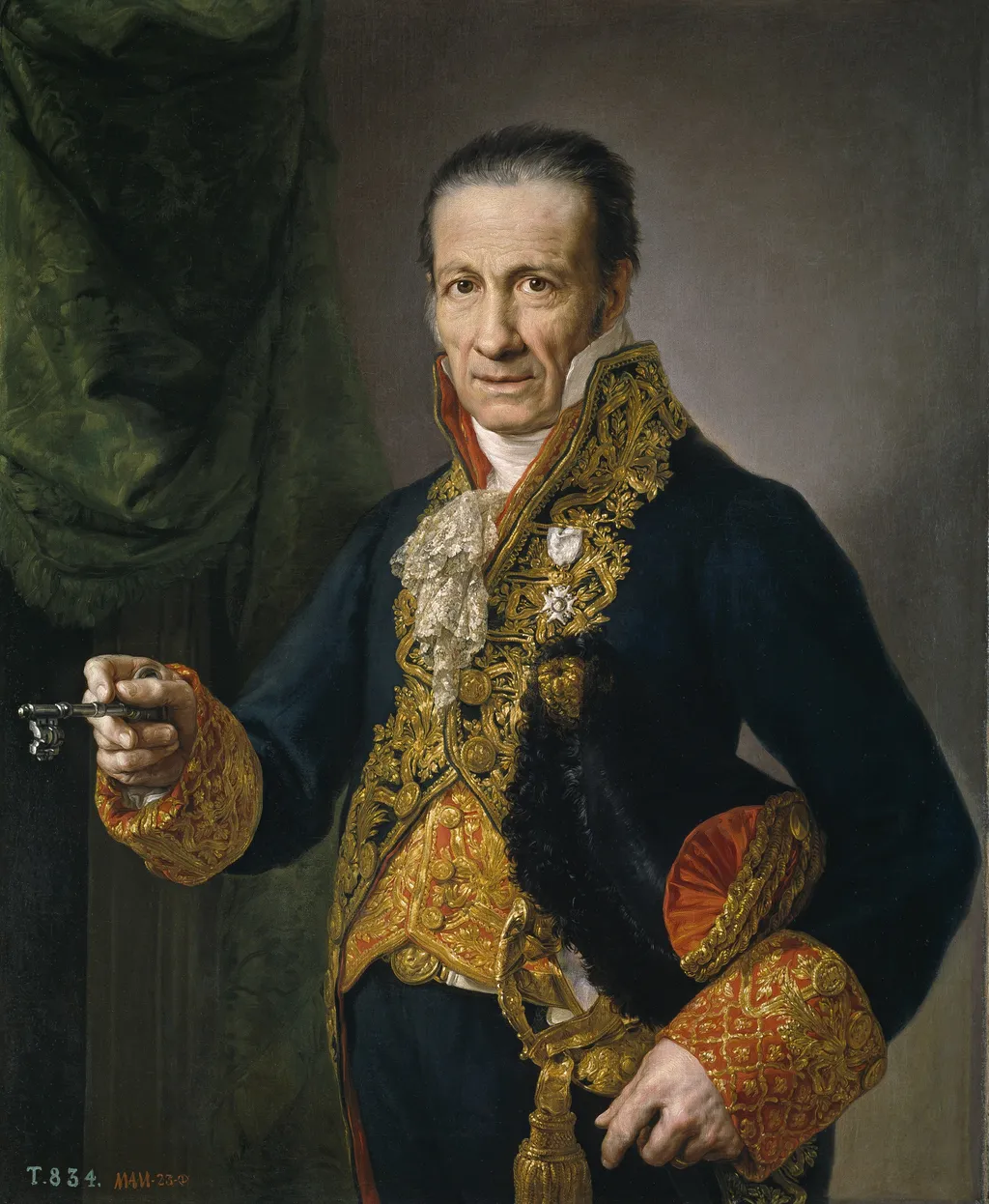
Luis Veldrof, grand lodging master and concierge of the Royal Palace is an oil painting by Vicente López Portaña. It dates from 1823 and is held in the collection of the Museo del Prado.
About this work
Overview
The work reflects the formal portraiture tradition of early 19th-century Spain, emphasizing dignity through restrained composition and precise detail.
Painted in 1823 by Vicente López Portaña, this oil portrait depicts Luis Veldrof, an official responsible for palace logistics as grand lodging master and concierge. The work reflects the formal portraiture tradition of early 19th-century Spain, emphasizing dignity through restrained composition and precise detail. It is part of the Museo del Prado’s collection in Madrid, where it remains a record of court personnel beyond royalty.
Subject & Meaning
Luis Veldrof is portrayed holding a key, a deliberate symbol of his authority over the Royal Palace’s domestic spaces. His attire—a dark blue coat with gold trim, white shirt, and lace cravat—signals his elevated status within the court hierarchy. The portrait does not idealize but rather affirms his role through quiet dignity, aligning with the era’s preference for factual representation over theatricality.
Technique & Style
López Portaña employed fine brushwork to render textures: the sheen of silk, the gleam of metal, and the softness of lace. The muted green background isolates the figure, focusing attention on his posture and costume. Lighting is even and naturalistic, avoiding dramatic contrasts. This approach reflects the artist’s training in academic portraiture and his role as court painter to Ferdinand VII.
History & Provenance
Commissioned during Ferdinand VII’s reign, the painting entered the Royal Collection and later became part of the Museo del Prado’s holdings after the nationalization of royal assets in the 19th century. Its preservation reflects the institution’s interest in documenting administrative figures of the court, not merely monarchs or nobility.
Context
In post-Napoleonic Spain, the monarchy sought to reassert institutional order. Portraits like this one reinforced the visibility of bureaucratic roles essential to court function. While royal portraits dominated public display, works such as Veldrof’s acknowledged the administrative backbone of the palace, blending social hierarchy with bureaucratic realism.
Legacy
The portrait endures as an example of how Spanish academic painting captured non-royal figures with solemnity. It contributes to the understanding of court culture beyond the throne, illustrating how identity and authority were visually encoded in everyday officials. Its presence in the Prado affirms its value as a historical document rather than merely an aesthetic object.
Own this work as a print
Artist & collection
Artist
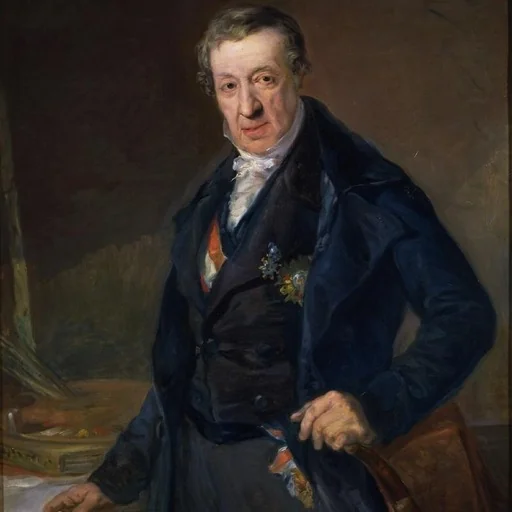
Vicente López Portaña (Spanish: ; 19 September 1772 – 22 July 1850) was a Spanish painter, considered one of the best portrait painters of his time.

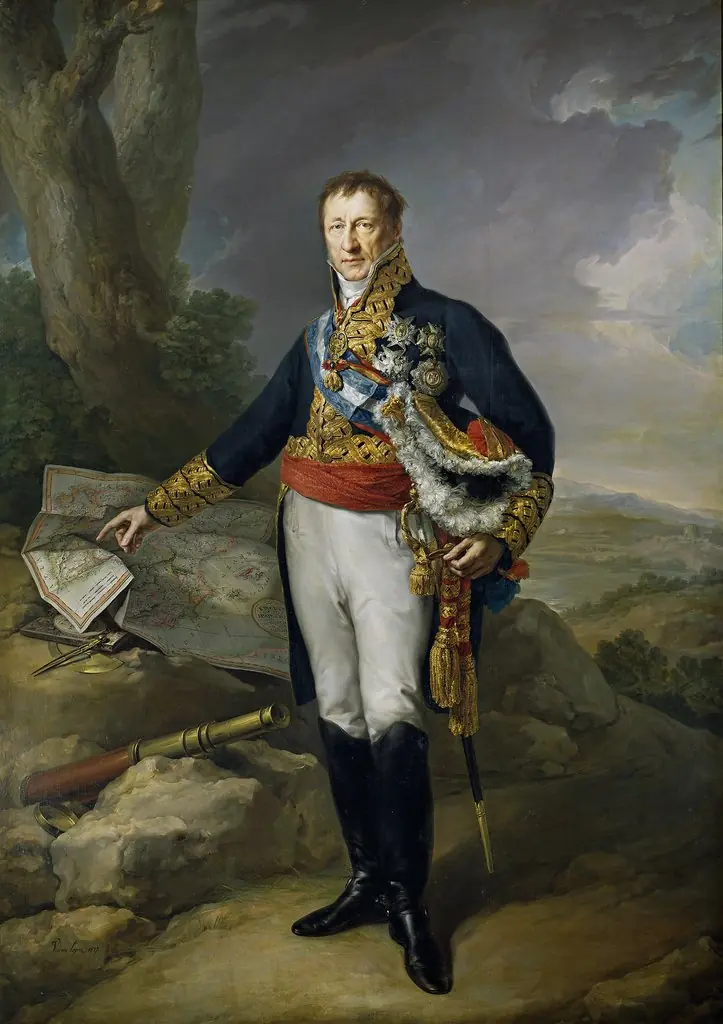 Pedro de Alcántara Álvarez de Toledo y Salm Salm, XIII duque del Infantado
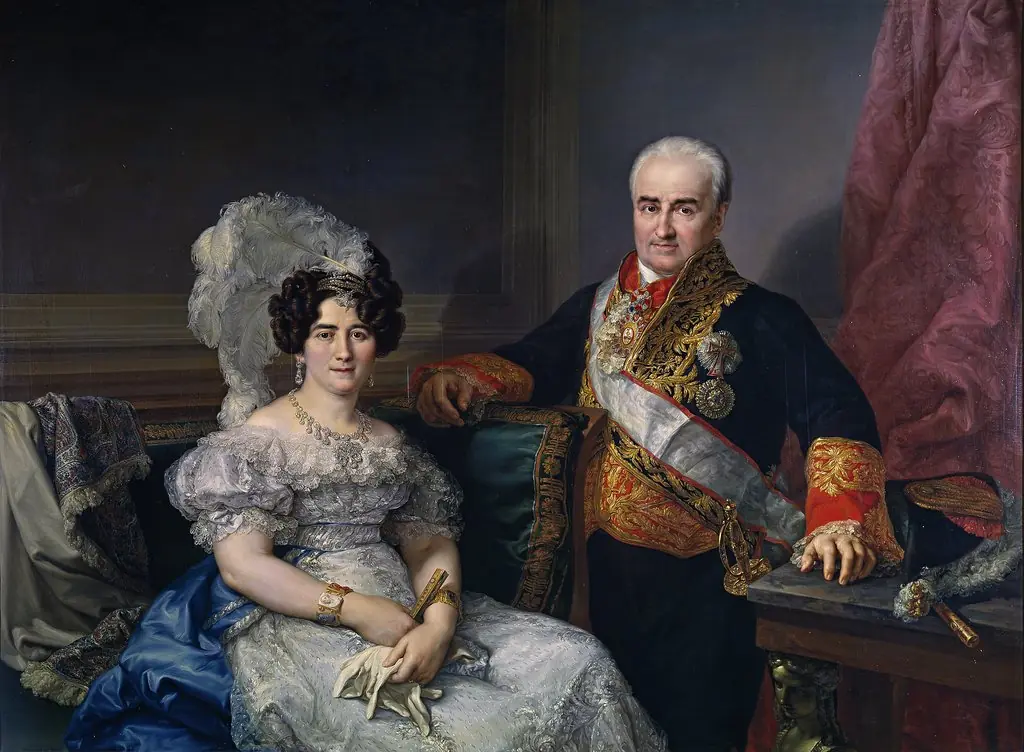 Antonio Ugarte and his wife Maria Antonia Larrazábal
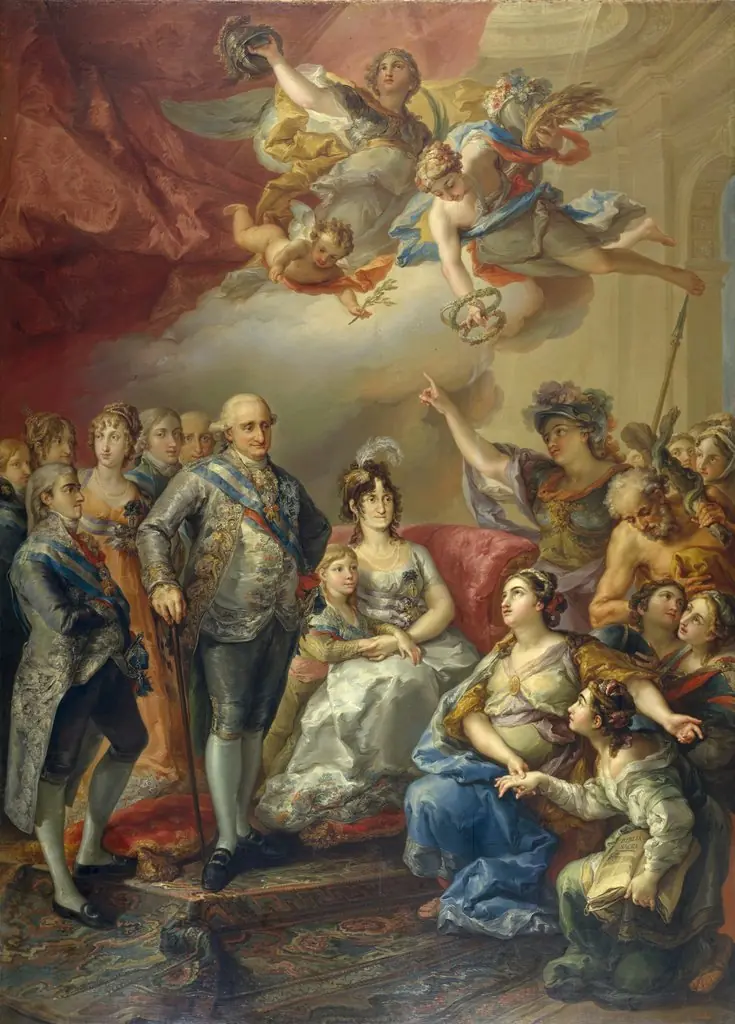 Charles IV and his Family honoured by the University of Valencia
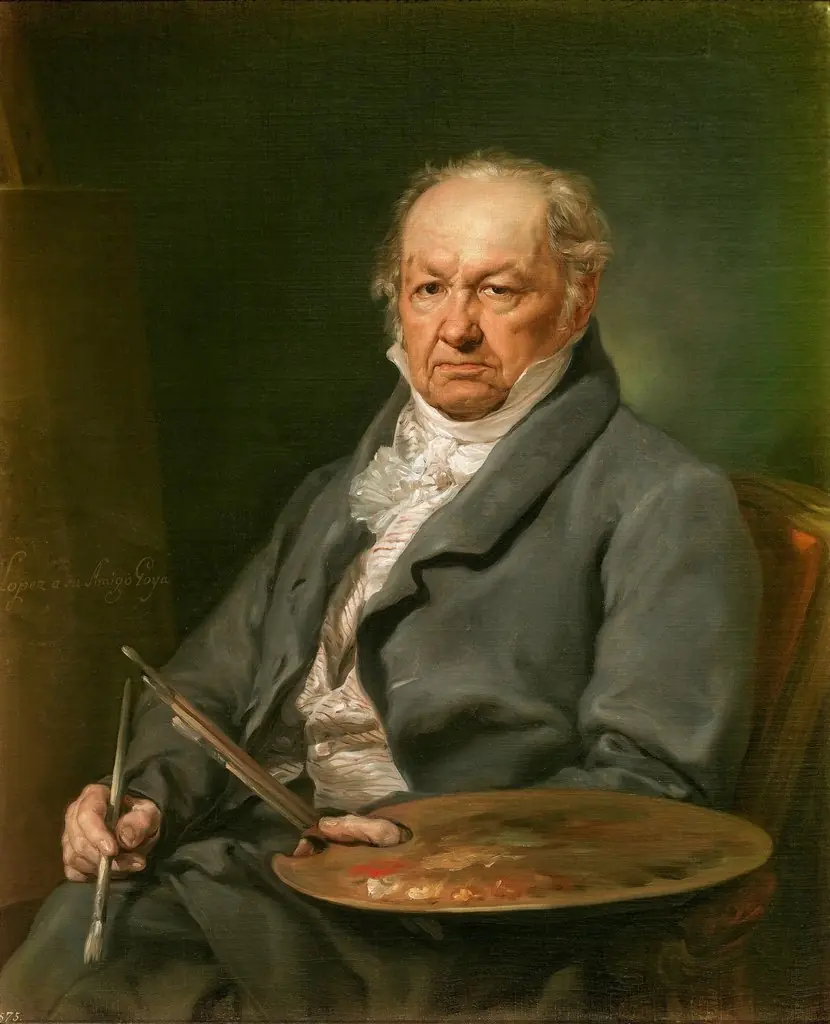 The Painter Francisco Goya
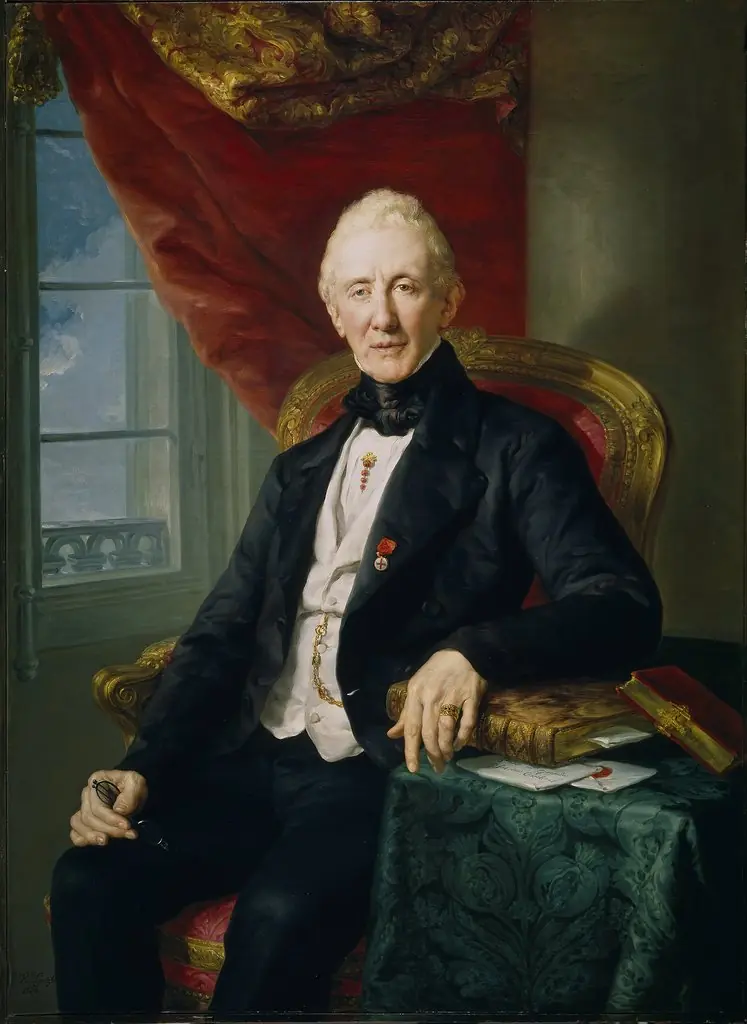 José Gutiérrez de los Ríos
 Portrait of Marie-Thérèse Geoffrin, geb. Rodet (1699-1777)
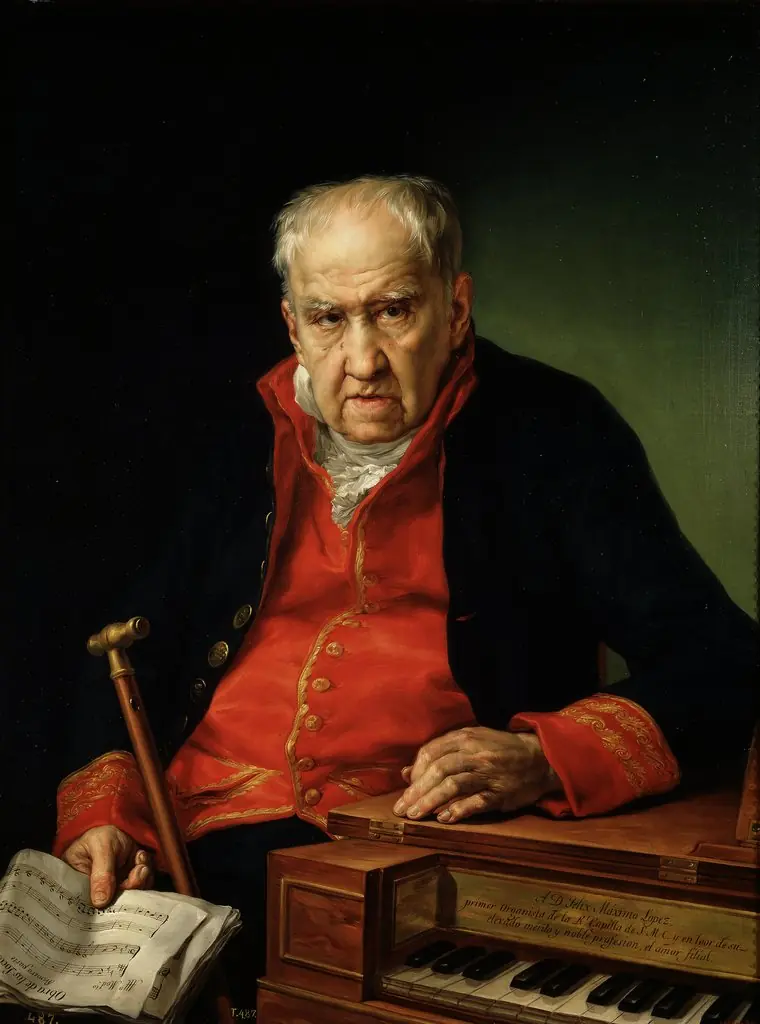 Félix Máximo López, First Organist of the Royal Chapel
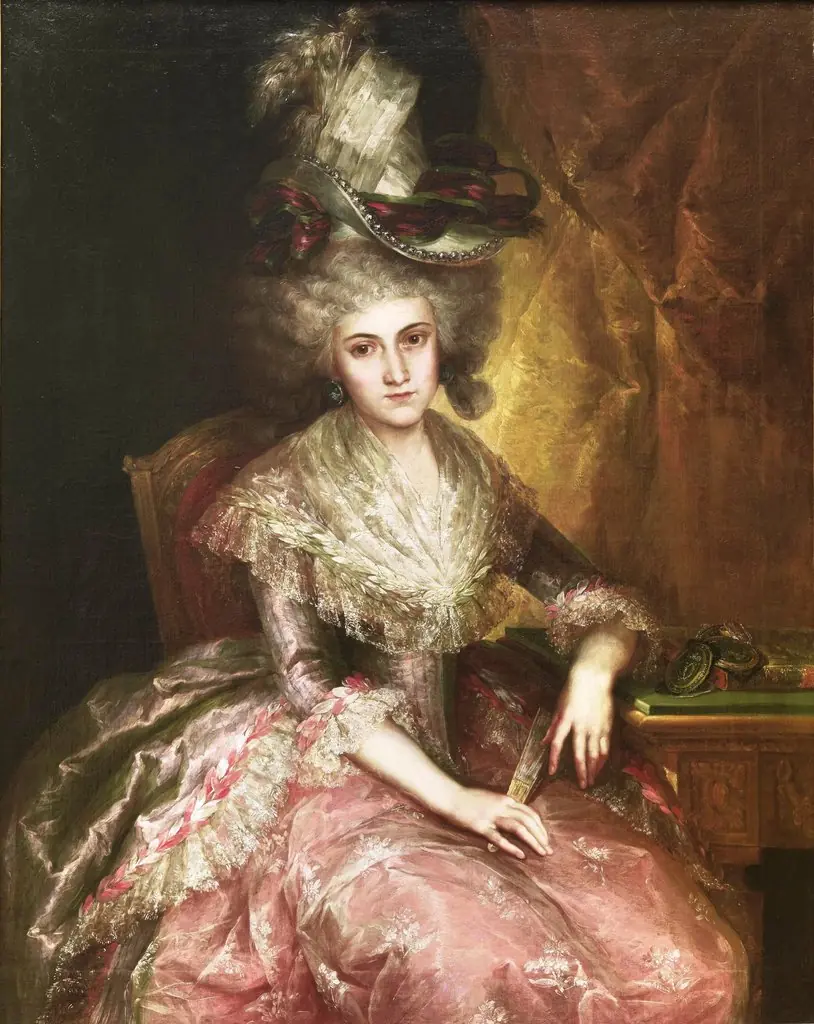 María Pilar de la Cerda y Marín de Resende, Duchess of Nájera
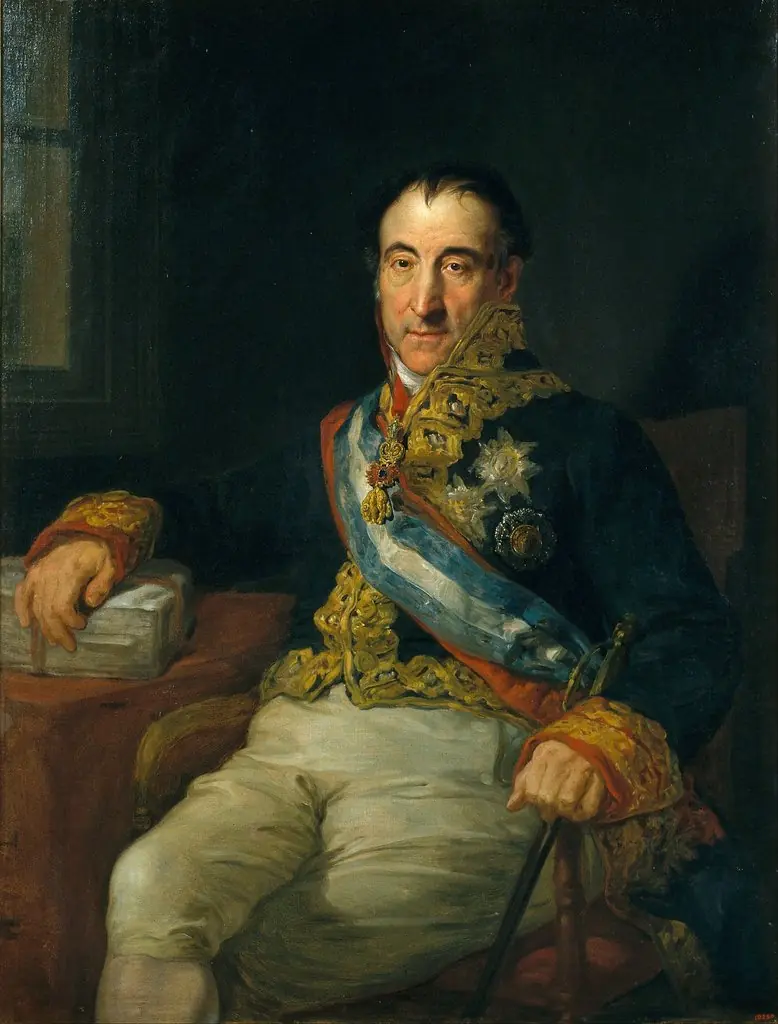 Portrait of the Marquis of Labrador, Spanish Ambassador to the Congress of Vienna of 1915
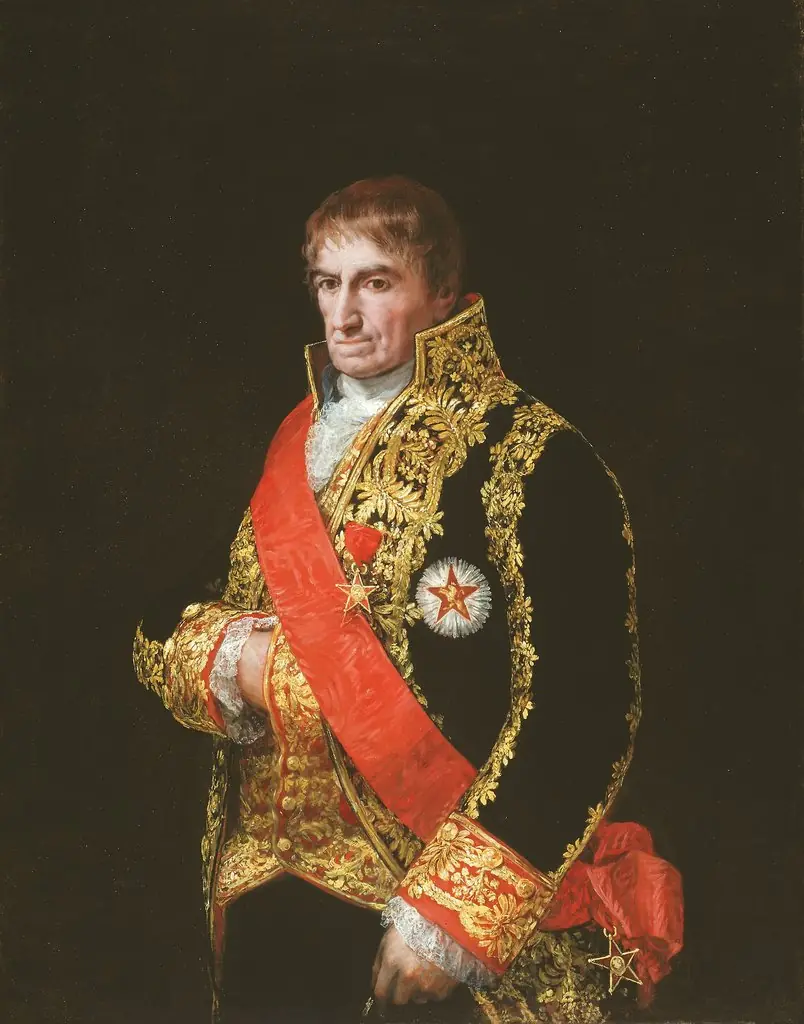 Portrait of General José Manuel Romero
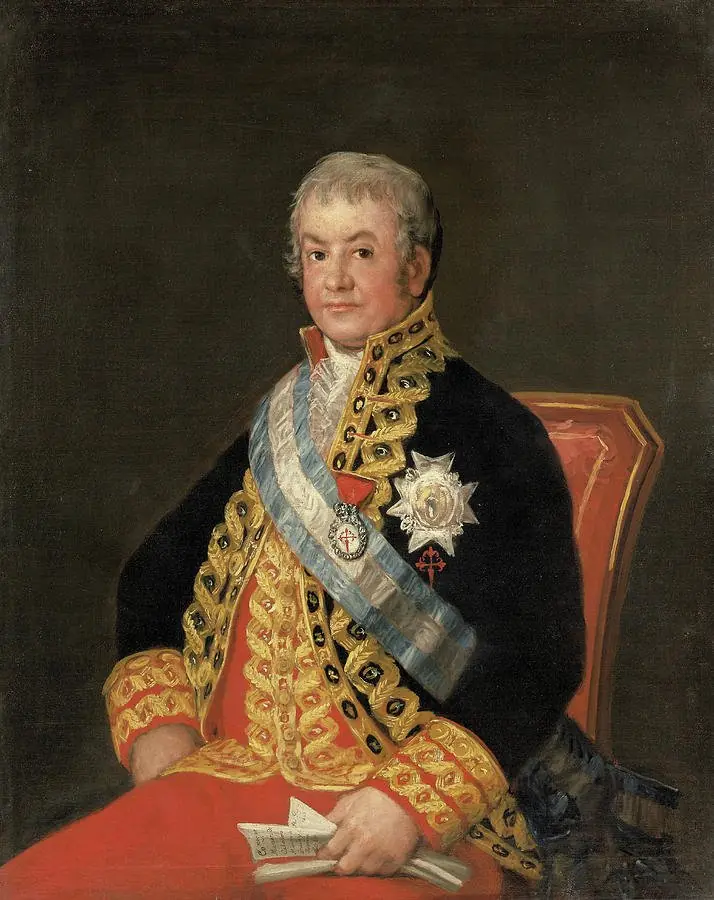 Portrait of José Antonio Marqués de Caballero
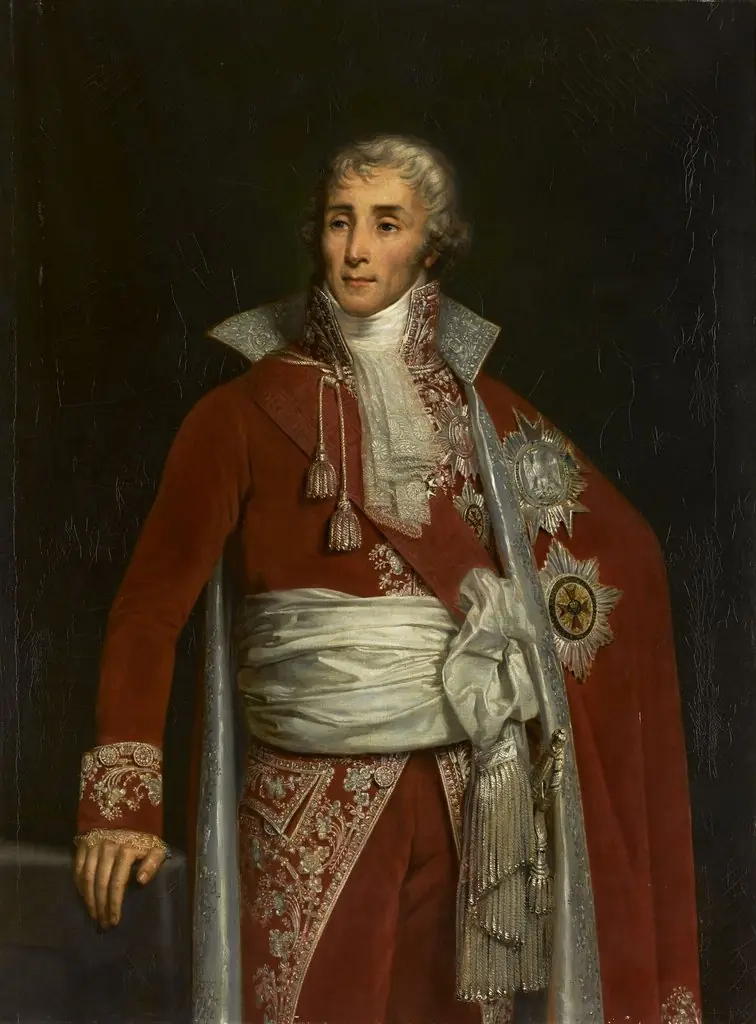 Joseph Fouché, Duke of Otranto
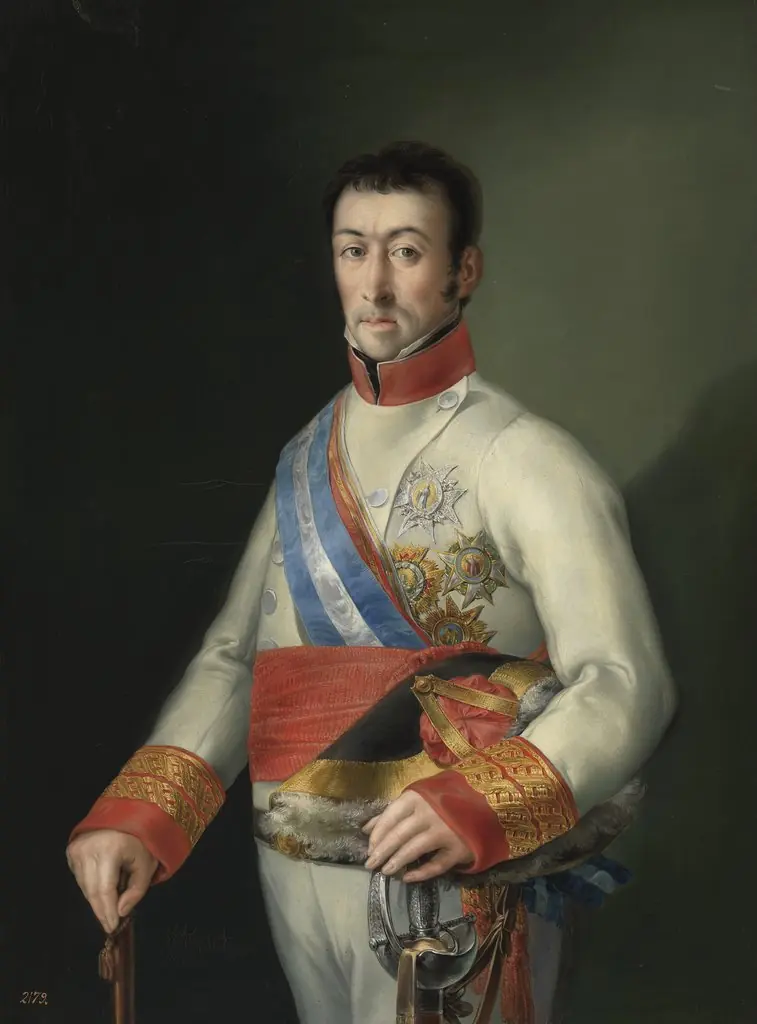 Francisco Javier Elío capitán general de Valencia
 Manuel Godoy
 Martín Fernández de Navarrete (copia)
 Portrait of Jan Jacob Rochussen, Governor-General of the Dutch East Indies
 Portrait of Jan Jacob Rochussen, Governor-General of the Dutch East Indies
 Portrait of Inspector-General A.F. Goudriaan
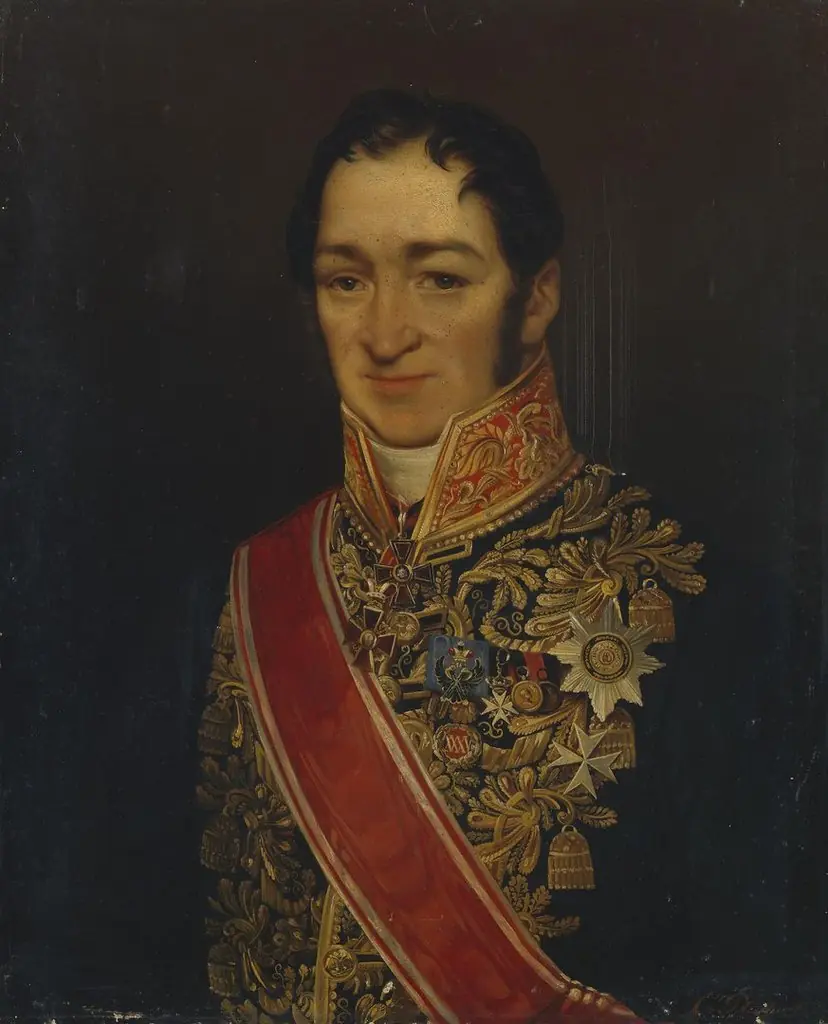 Portrait of the Actual State Councillor Ivan Lazarev
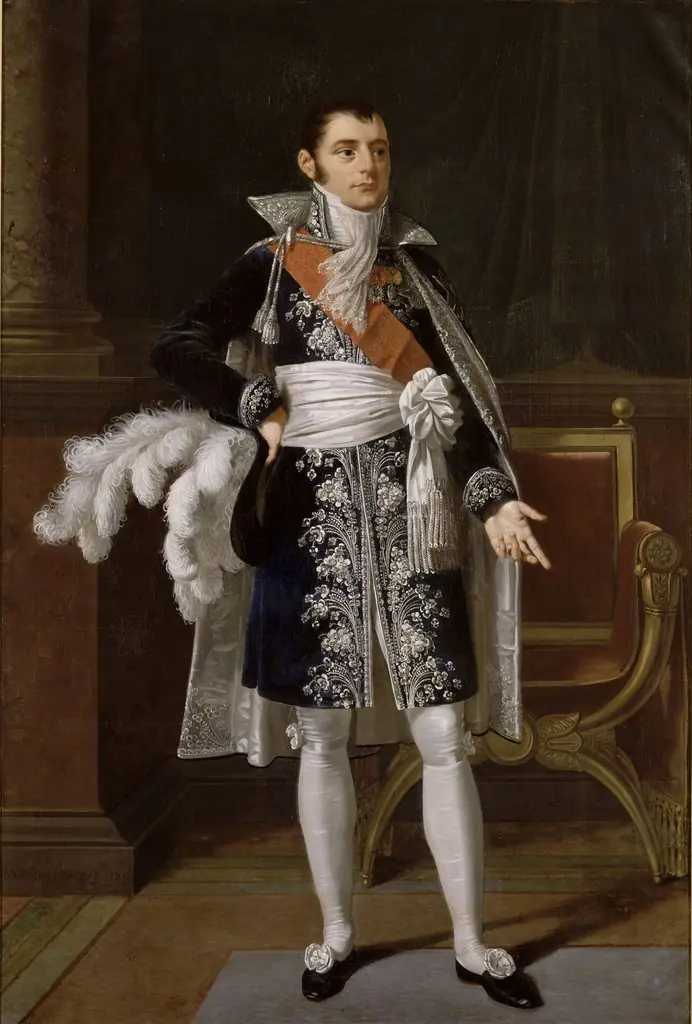 Portrait of Anne-Jean-Marie-René Savary, Duke of Rovigo (1774-1833)