Artwork
St. Jerome
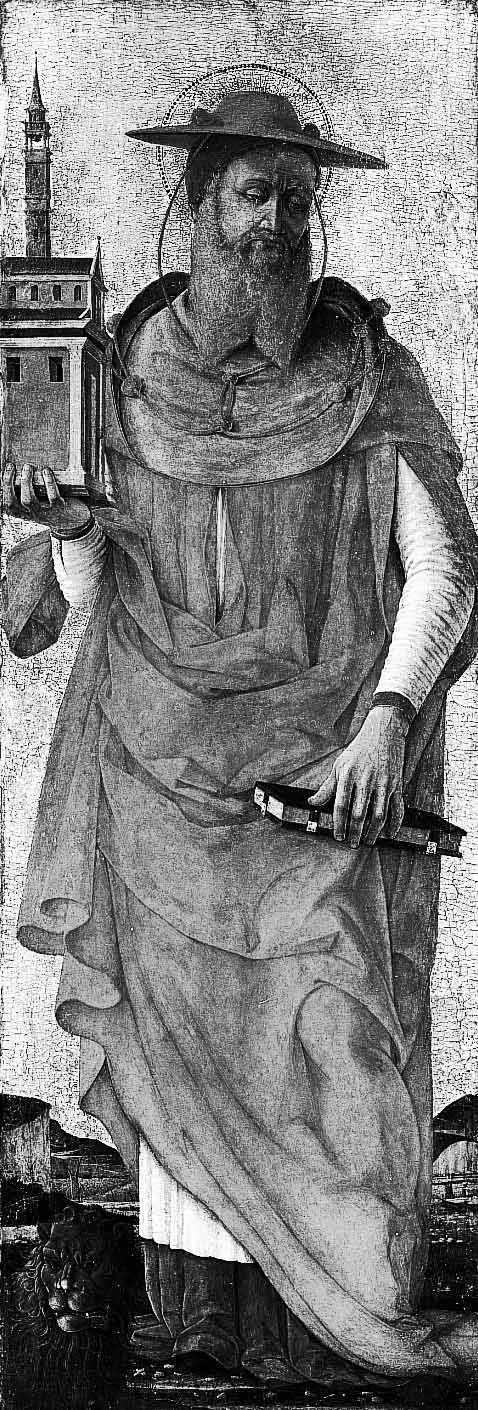
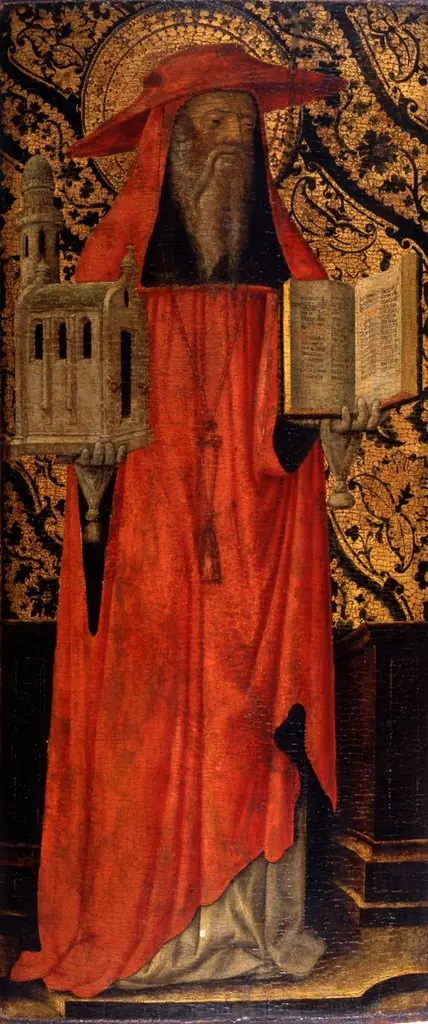
St. Jerome is a paint painting by the Early Renaissance artist Vicino da Ferrara. It dates from 1490 and is held in the collection of the Gemäldegalerie Berlin. St.
About this work
Overview
St. Jerome is a tempera painting created by Vicino da Ferrara, an Italian Renaissance artist, around 1490. The work depicts a religious figure in a realistic style characteristic of the early Renaissance.
Subject & Meaning
The painting portrays St. Jerome, identifiable by his long white beard and attire, standing in front of a church or monastery. He holds a book, symbolizing his scholarly and religious attributes. The setting and details emphasize his connection to spirituality and learning.
Technique & Style
Executed in tempera, the painting showcases the artist's attention to detail, evident in the intricately rendered folds of the subject's robes and the textured rocky ground. The overall style aligns with the early Renaissance's emphasis on realism.
History & Provenance
Created circa 1490, St. Jerome is now part of the Gemäldegalerie Berlin's collection. The artist, Vicino da Ferrara, is also known by the name Baldassare d'Este, reflecting his association with Reggio Emilia.
Context
This work reflects the artistic and religious sentiments of the late 15th century Italian Renaissance. The choice of subject and the realistic depiction place it within the broader context of Renaissance humanism and religious art.
Legacy
While specific details on the painting's direct influence are not provided, it contributes to the understanding of Vicino da Ferrara's contribution to the early Renaissance style, particularly in the depiction of religious themes with realism and detail.
Artist & collection
Artist
Vicino da Ferrara (1432–1509) was an Italian Renaissance painter. He is suspected to be identical to Baldassare d'Este from Reggio Emilia, also known as Baldassare da Reggio.

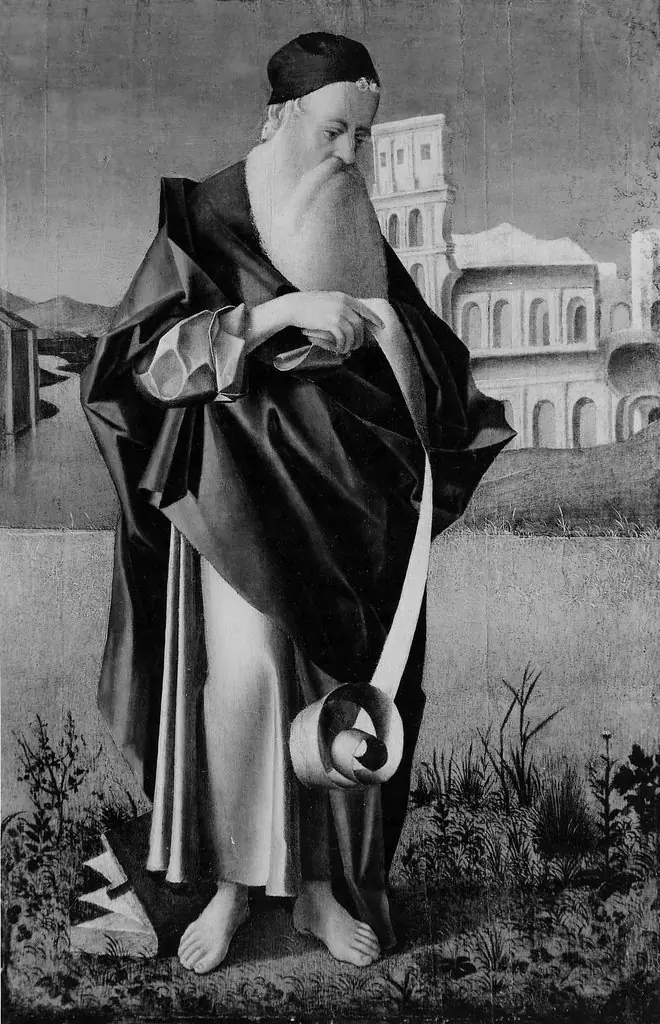 Saint Jerome
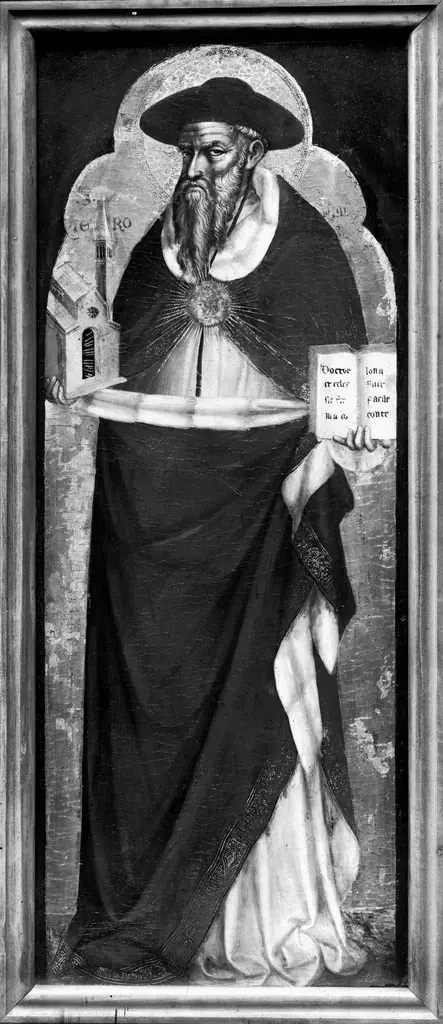 Saint Jerome
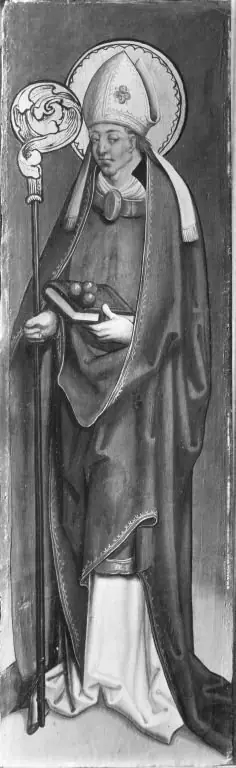 Saint Nicolas
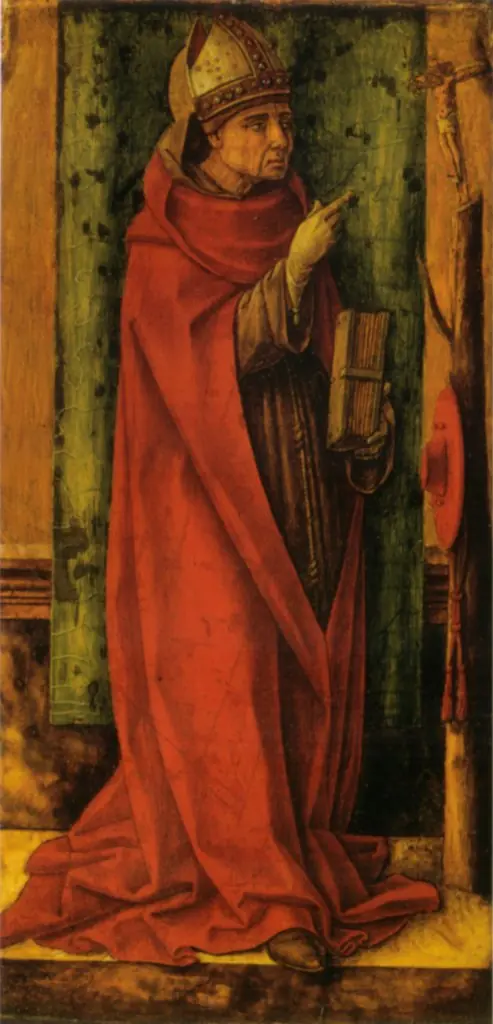 Bonaventure
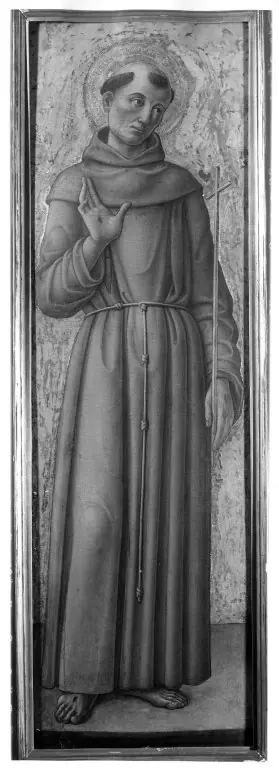 Saint Francis of Assisi
 Personification of the Jewish Religion (Synagoga)
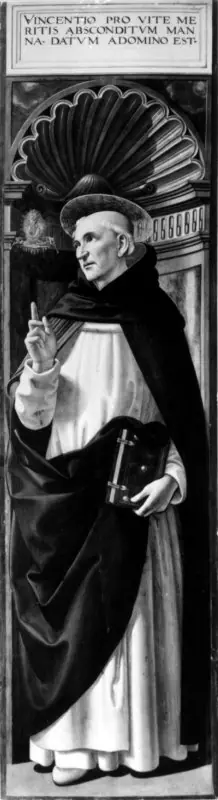 Saint Vincent Ferrer
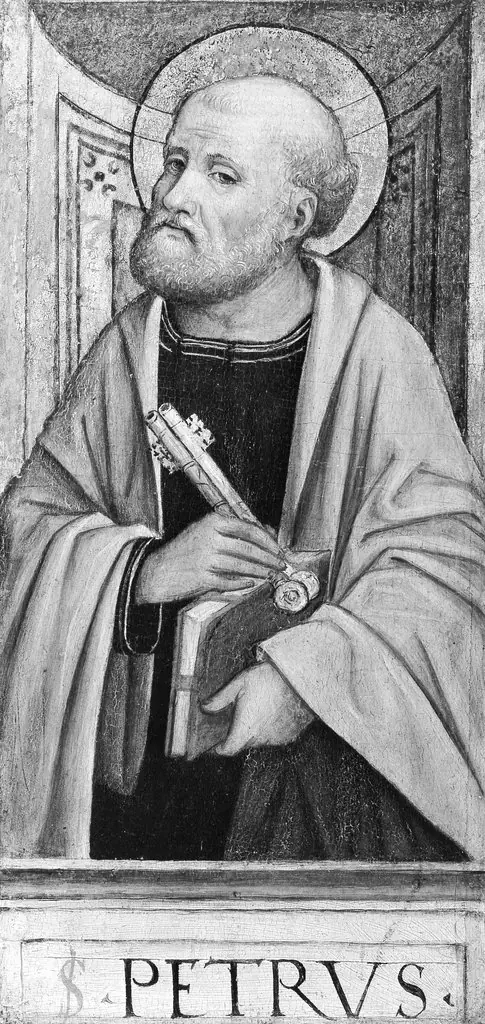 The Twelve Apostles: Saints Bartholomew, Andrew, Matthew, James the Greater, Thaddeus, Philip, James the Lesser, Simon, Peter, Paul, Thomas, and John
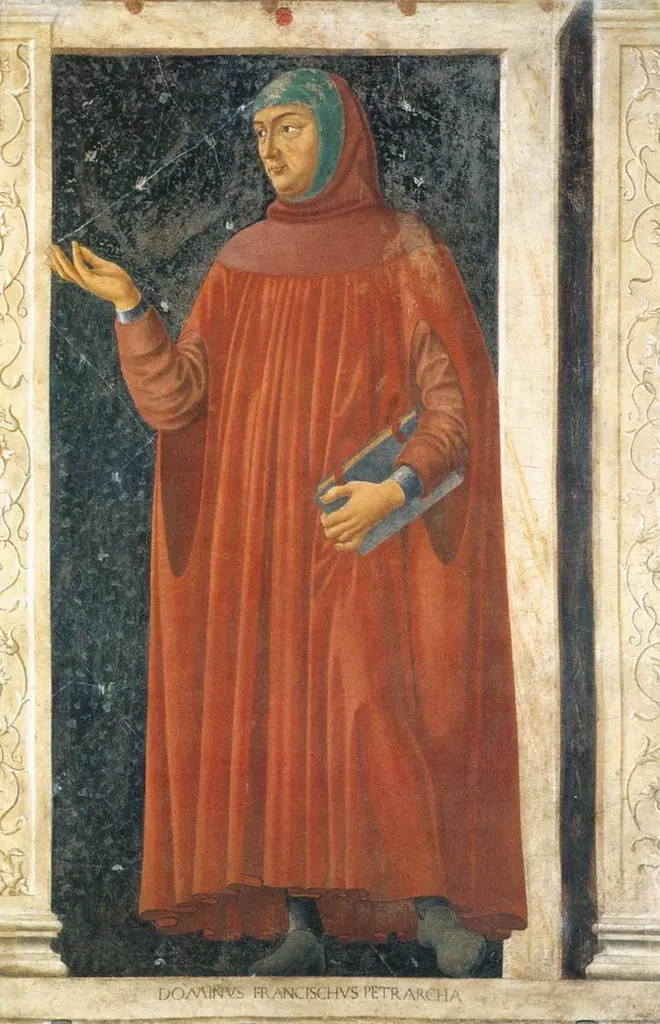 Famous Persons: Francesco Petrarca
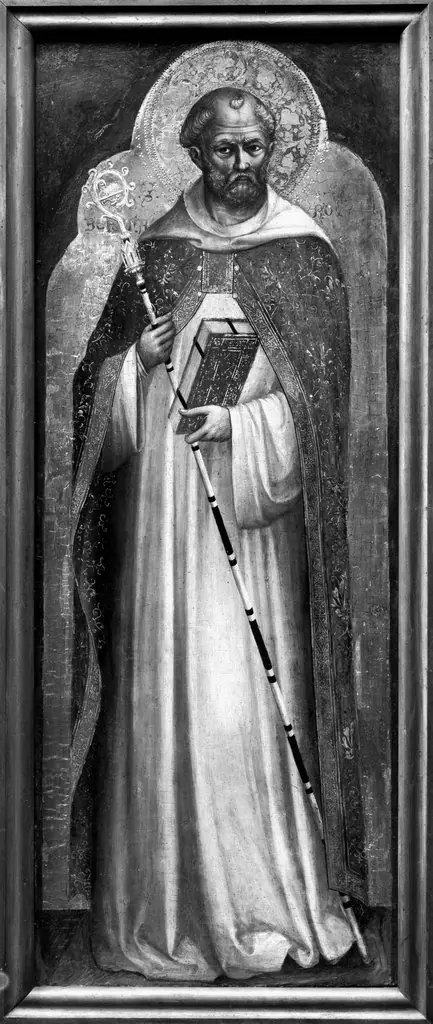 Saint Bernard
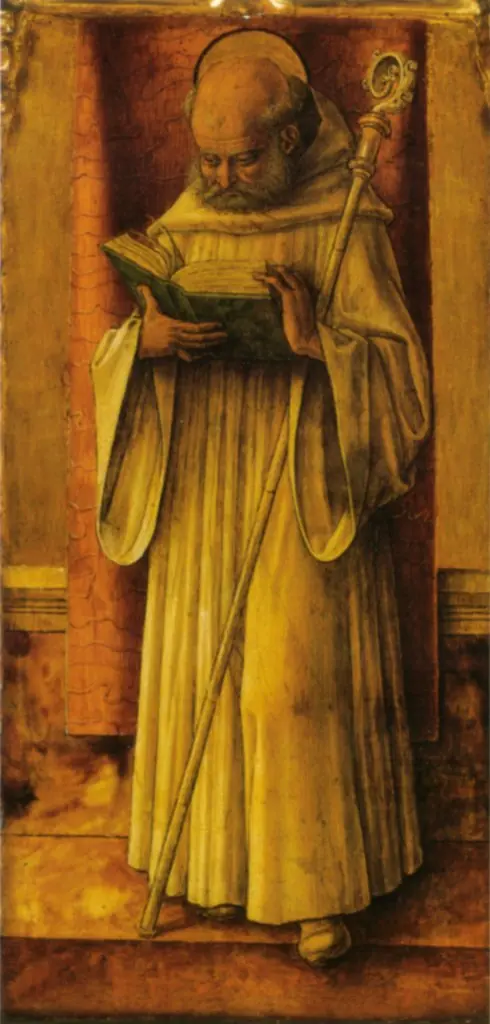 Saint Benedict
 St. Jerome