Artwork
Portrait of D. Lourenço José Brotas de Lencastre
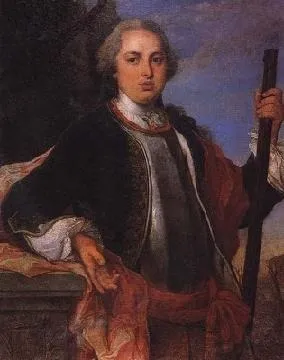
Portrait of D. Lourenço José Brotas de Lencastre is an oil painting by the Rococo painting artist Vieira Lusitano. It dates from 1750 and is held in the collection of the National Museum of Ancient Art. Painted circa 1750, this oil portrait captures D.
About this work
Overview
The subject is rendered with quiet dignity against a muted, shadowed backdrop, emphasizing his status through posture and attire rather than ornate setting.
Painted circa 1750, this oil portrait captures D. Lourenço José Brotas de Lencastre, a Portuguese nobleman, by Vieira Lusitano, a prominent court artist of the era. Executed in the Rococo idiom, the work reflects the refined tastes of Lisbon’s aristocracy. The subject is rendered with quiet dignity against a muted, shadowed backdrop, emphasizing his status through posture and attire rather than ornate setting.
Subject & Meaning
The sitter, dressed in a dark jacket, white shirt, and red sash, holds a slender walking stick—a symbol of authority and leisure among the elite. His direct gaze and composed expression convey solemnity and self-possession. The absence of overt heraldry or props suggests a focus on personal presence rather than lineage, aligning with emerging ideals of individual dignity in mid-18th-century Portuguese society.
Technique & Style
Vieira Lusitano employs subtle chiaroscuro to model the sitter’s face and hands, lending volume and tactility. The brushwork is precise yet restrained, particularly in the rendering of fabric textures and the delicate gradation of the background. The Rococo influence appears in the elegance of form and the soft transition of tones, though the composition avoids excessive ornamentation, favoring restrained sophistication.
History & Provenance
Commissioned during the height of Vieira Lusitano’s career as a court painter, the portrait remained within Portuguese collections, eventually entering the National Museum of Ancient Art in Lisbon. Its continuous presence in national holdings underscores its recognition as a representative work of 18th-century Portuguese portraiture, though little is documented about its early ownership or display.
Context
In mid-18th-century Portugal, portraiture served both social and political functions, affirming status among the nobility. While European courts favored grandeur, Portuguese elites often preferred understated elegance. Vieira Lusitano’s approach—focused on character and refined detail—mirrored this preference, distinguishing his work from more flamboyant contemporary styles elsewhere in Europe.
Legacy
The portrait stands as a key example of Vieira Lusitano’s skill in capturing aristocratic presence without theatricality. It contributes to the understanding of Portuguese Rococo portraiture, illustrating how local sensibilities adapted broader European trends. Its preservation in a national museum ensures its role as a reference for studies of elite identity and artistic practice in 18th-century Portugal.
Artist & collection
Artist
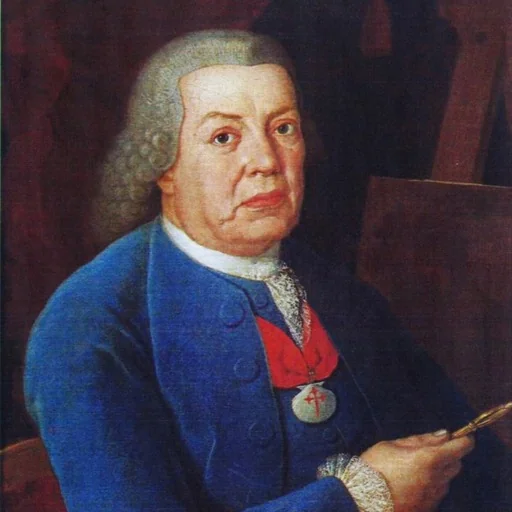
Francisco de Matos Vieira, better known as Vieira Lusitano (4 October 1699 – 13 August 1783) was a Portuguese court painter, illustrator and engraver.

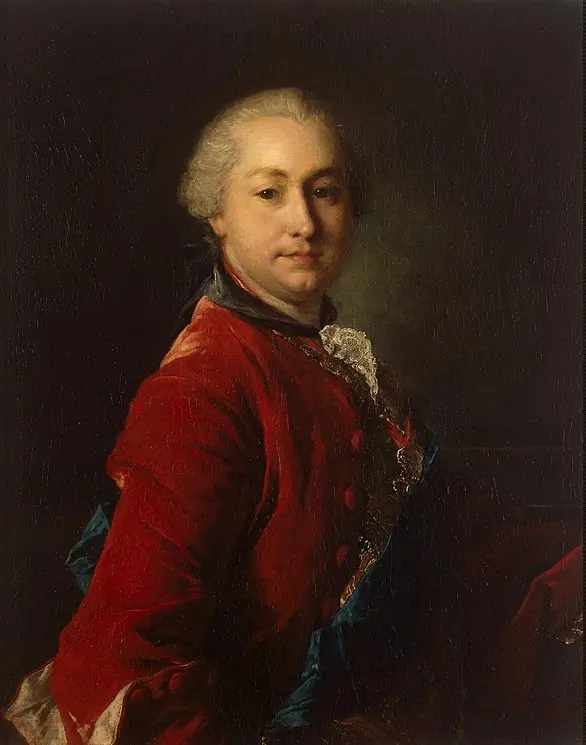 Portrait of Ivan Shuvalov
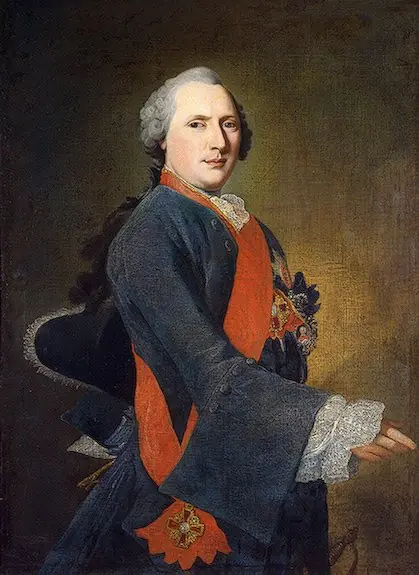 Portrait of Marshal of the Count Karl Sievers
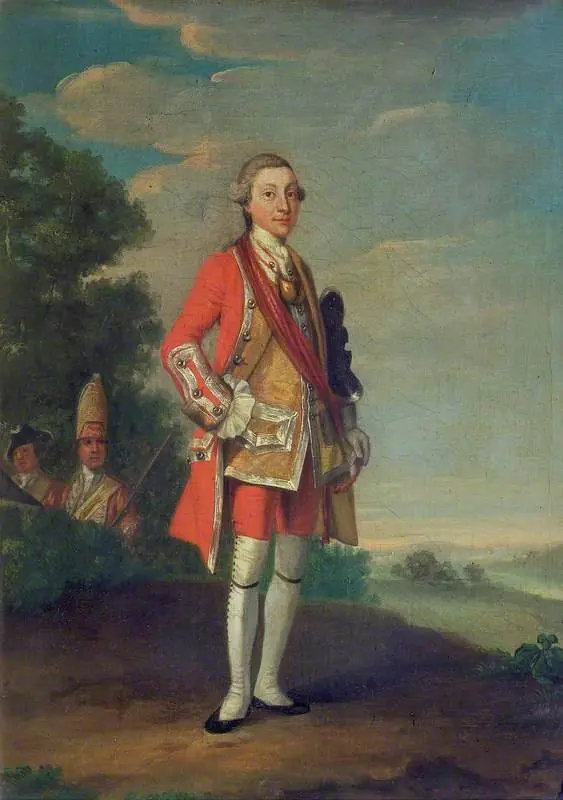 William Augustus (1721–1765), Duke of Cumberland, Son of George II
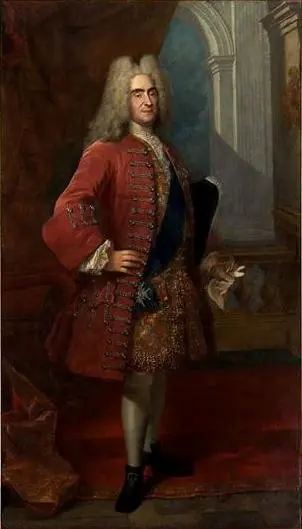 Portrait of Augustus II of Poland (1670-1733)
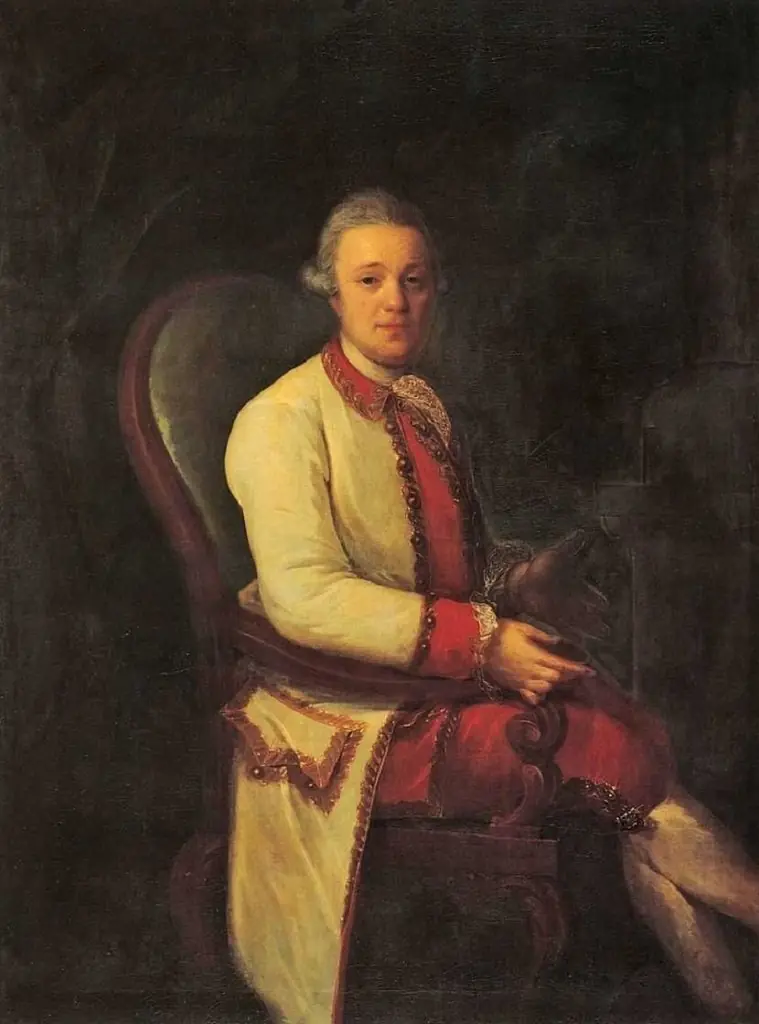 Portrait of Ivan N. Tutchev
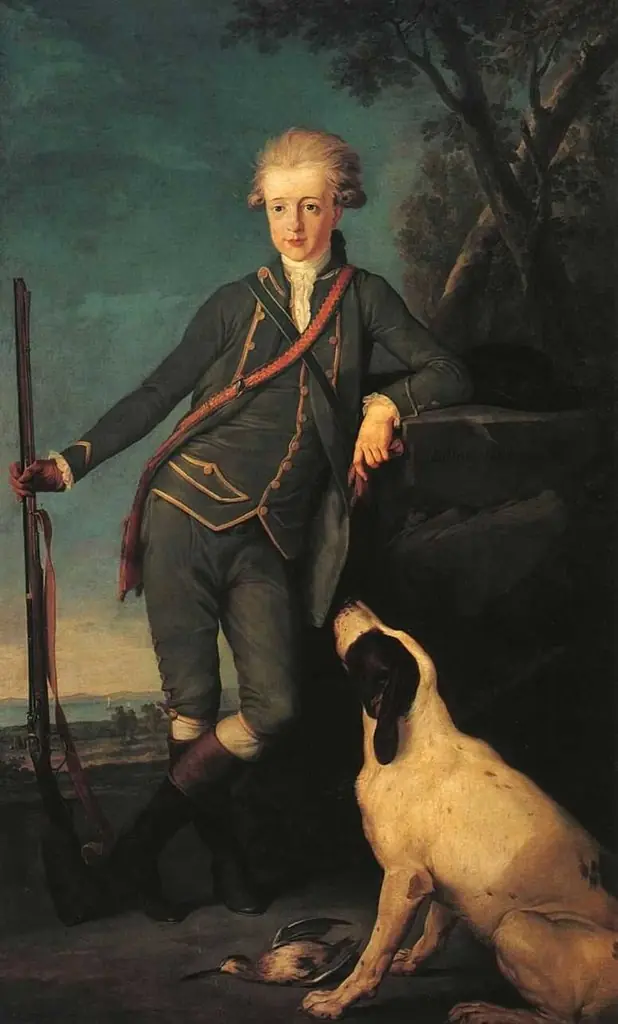 Portrait of Nikita Petrovich Panin (1770-1837)
 Portrait of Charles Tottenham in his Boots
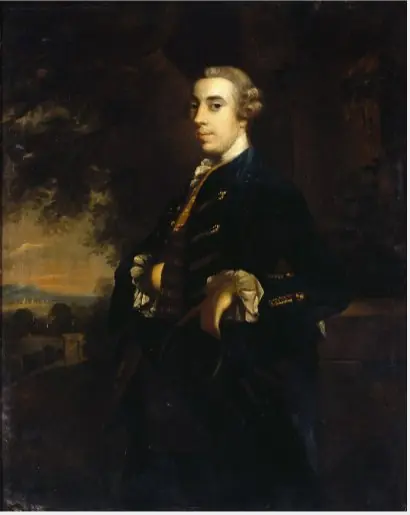 Portrait of James Fitzgerald, 20th Earl of Kildare, later 1st Duke of Leinster
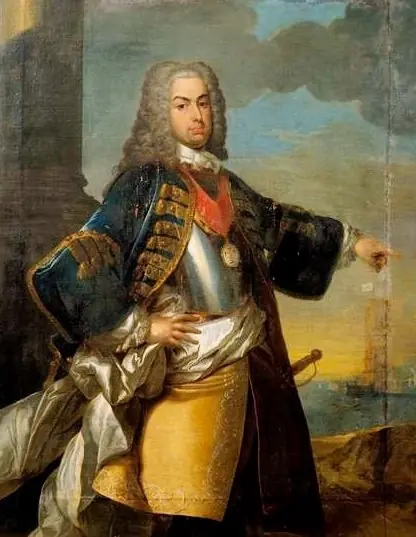 D. João V
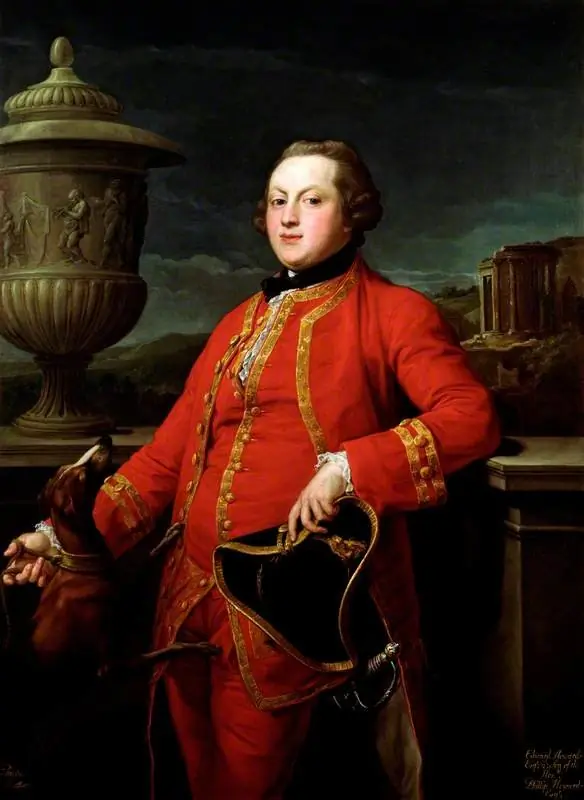 Edward Howard (1744–1767)
 Portrait of Thomas Conolly (1738-1803)
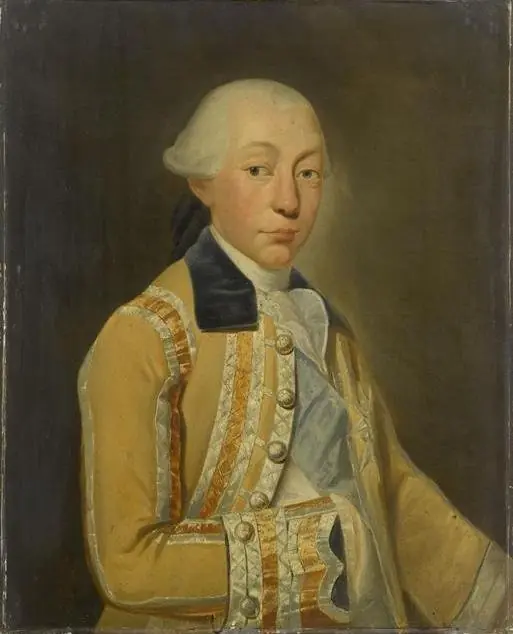 Portrait of Louis François Joseph de Bourbon, Prince of Conti in hunting costume