Artwork
Saint Augustine defeats heresy
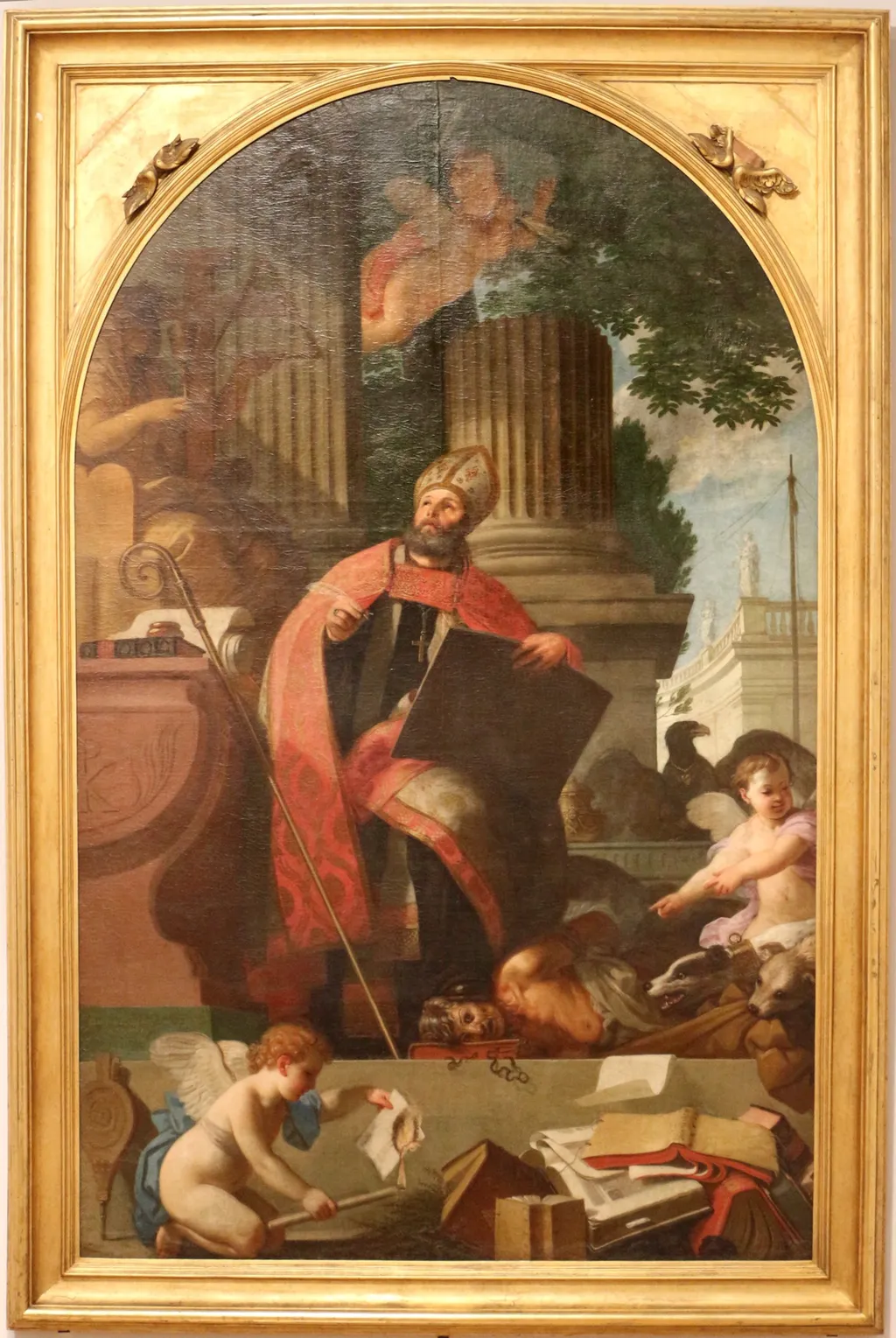
Saint Augustine defeats heresy is an unspecified painting by the Rococo painting artist Vieira Lusitano. It dates from 1736 and is held in the collection of the National Museum of Ancient Art.
About this work
Overview
It illustrates a symbolic moment from the life of Saint Augustine, rendered in the ornamental and theatrical manner typical of the Rococo period.
Painted in 1736 by the Portuguese artist Vieira Lusitano, this work is part of the National Museum of Ancient Art’s collection. It illustrates a symbolic moment from the life of Saint Augustine, rendered in the ornamental and theatrical manner typical of the Rococo period. The composition centers on Augustine as a figure of moral authority, surrounded by visual cues that convey spiritual conflict and resolution.
Subject & Meaning
The painting portrays Saint Augustine confronting a personified form of heresy, represented by a fallen or subdued figure to his left. Augustine, holding a staff, stands firm before a column, evoking classical ideals of reason and steadfastness. The imagery reflects the Church’s historical struggle to define orthodoxy, using visual metaphor to assert the triumph of doctrinal purity over deviation.
Technique & Style
Vieira Lusitano employs delicate brushwork and refined color gradations to render Augustine’s elaborate robes and expressive face. Subtle chiaroscuro enhances the three-dimensionality of the figures, while the soft landscape behind them—trees and pale sky—creates atmospheric depth without distracting from the central drama. The Rococo emphasis on elegance and movement is evident in the flowing lines of fabric and gesture.
History & Provenance
Commissioned during the height of Portuguese court patronage, the painting was likely intended for religious or royal display. Vieira Lusitano, a favored artist of the Portuguese monarchy, produced numerous works for ecclesiastical and aristocratic patrons. The piece entered the National Museum of Ancient Art’s collection in the 19th century, where it remains as part of a broader survey of Portuguese religious art.
Context
In early 18th-century Portugal, the Catholic Church reinforced doctrinal authority amid broader European religious tensions. Art served as a tool for moral instruction, and depictions of saints defeating heresy were common in devotional settings. This painting aligns with Counter-Reformation visual strategies, using drama and symbolism to affirm orthodoxy in a society still shaped by theological conflict.
Legacy
Though not widely known outside Portugal, the painting exemplifies the fusion of religious narrative and Rococo aesthetics in Portuguese court art. Vieira Lusitano’s skill in blending classical composition with ornamental detail influenced later generations of national artists. The work endures as a quiet testament to the role of visual culture in sustaining religious identity during a period of institutional consolidation.
Artist & collection
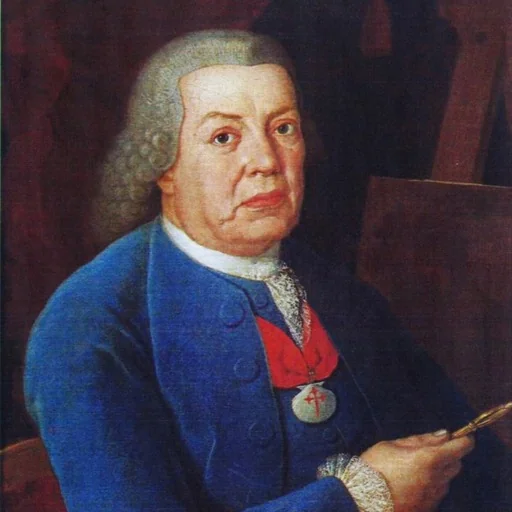
Artist
Francisco de Matos Vieira, better known as Vieira Lusitano (4 October 1699 – 13 August 1783) was a Portuguese court painter, illustrator and engraver.

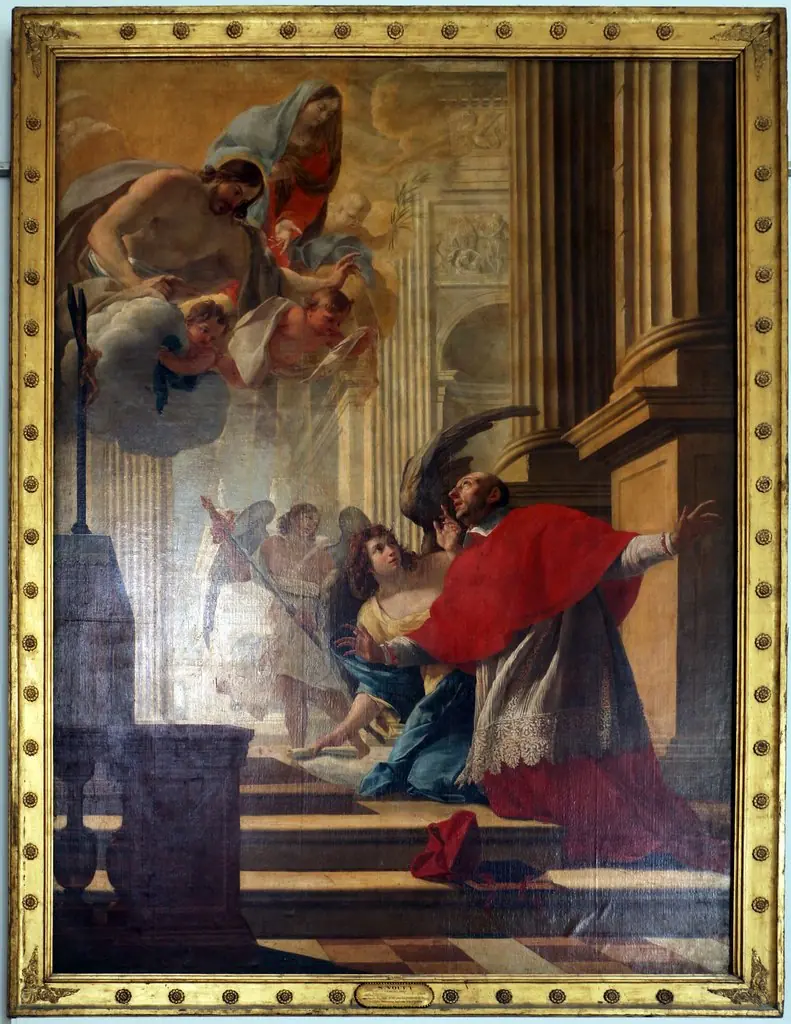 Saint Charles Borromée priant pour les pestiférés de Milan
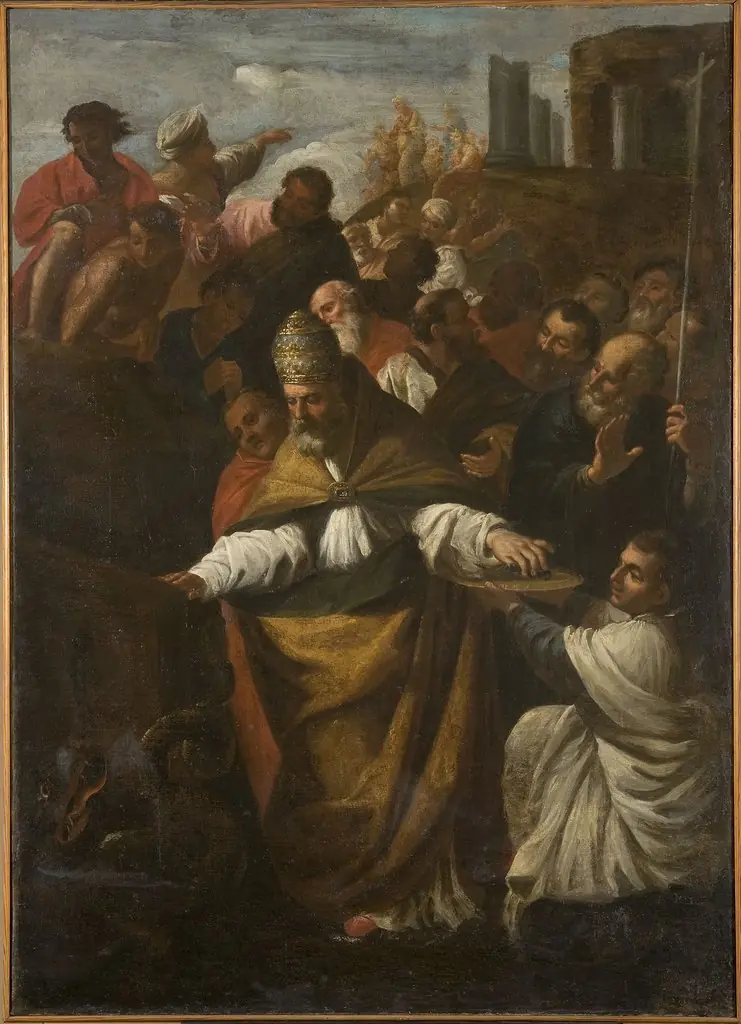 Miracle of the Church
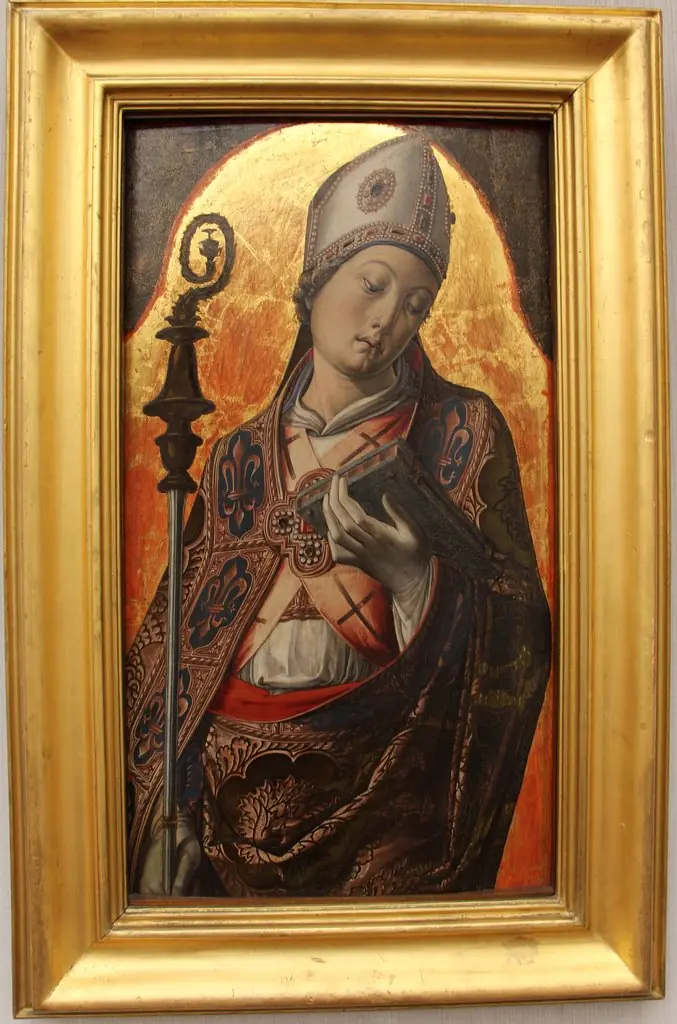 Saint Louis from Toulouse
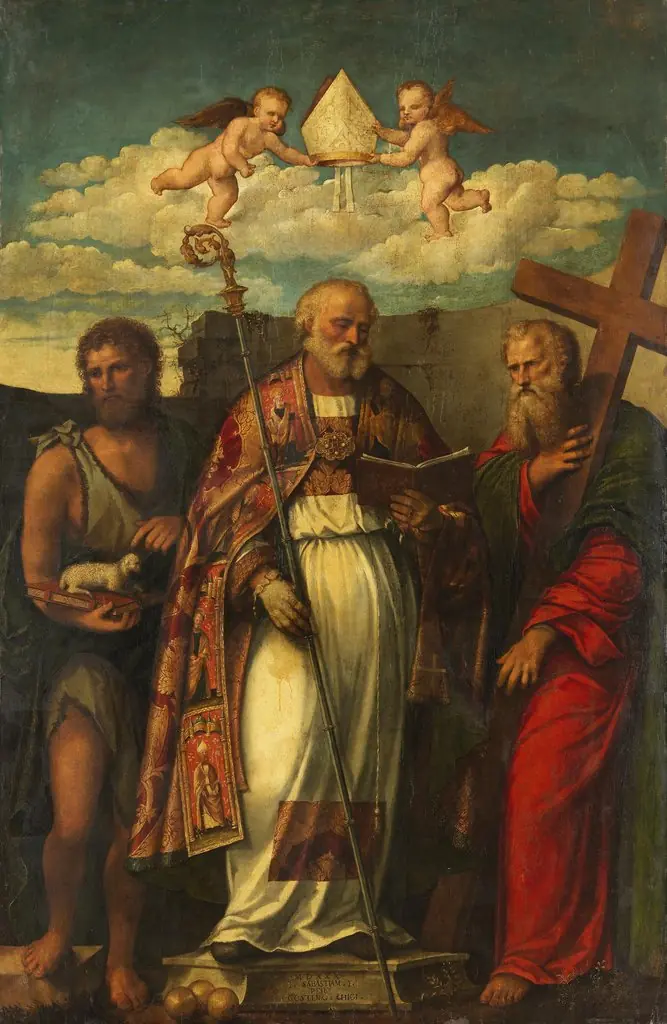 Saint Nicholas of Bari, John the Baptist and Philip
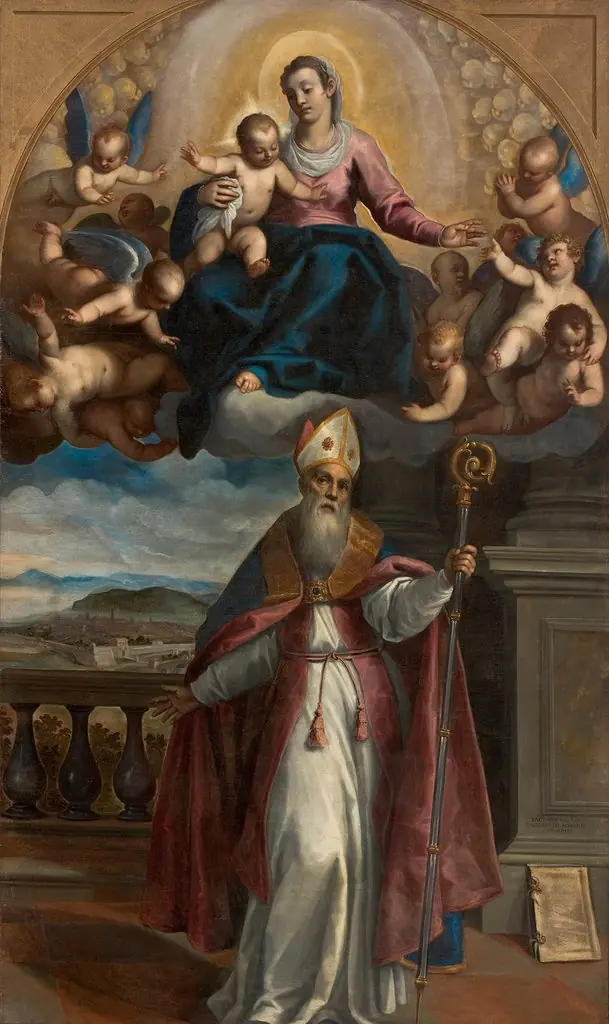 Aparição da Virgem com o Menino a santo Ubaldo, bispo de Gubbio, que indica ao fundo a cidade de Pesaro
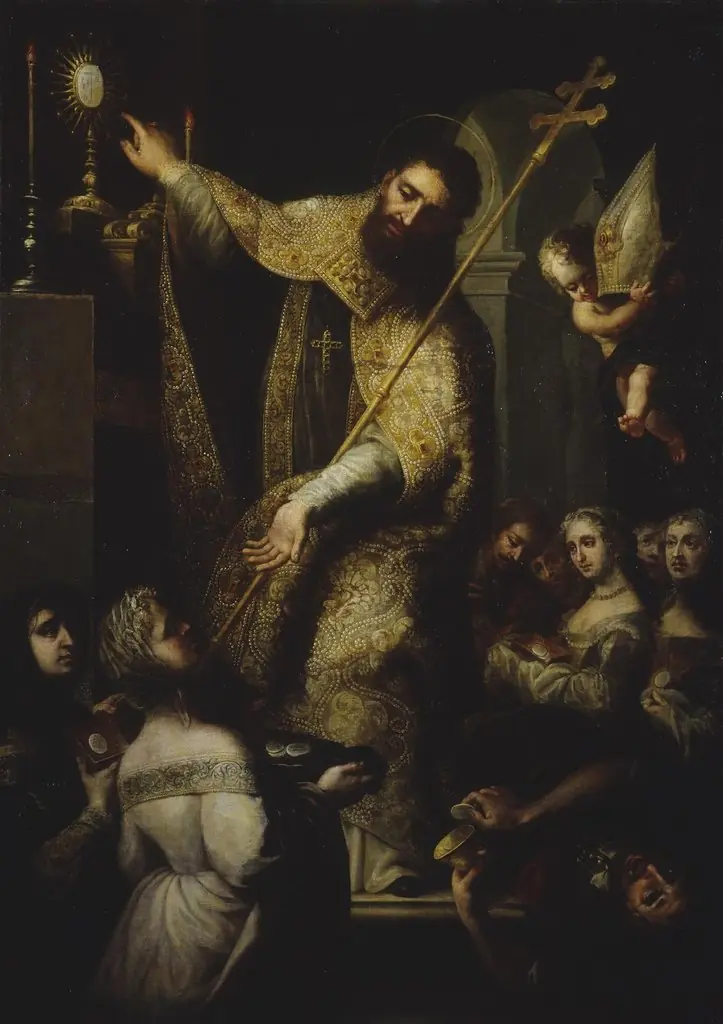 Triumph of St Norbert
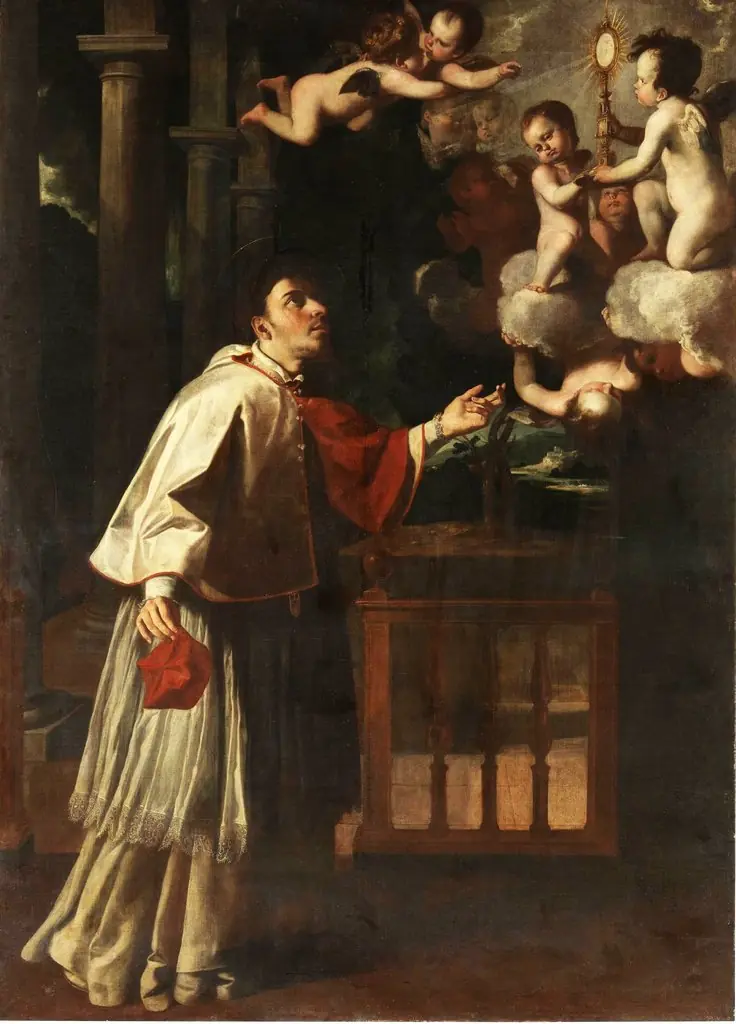 St. Raymond Nonnatus
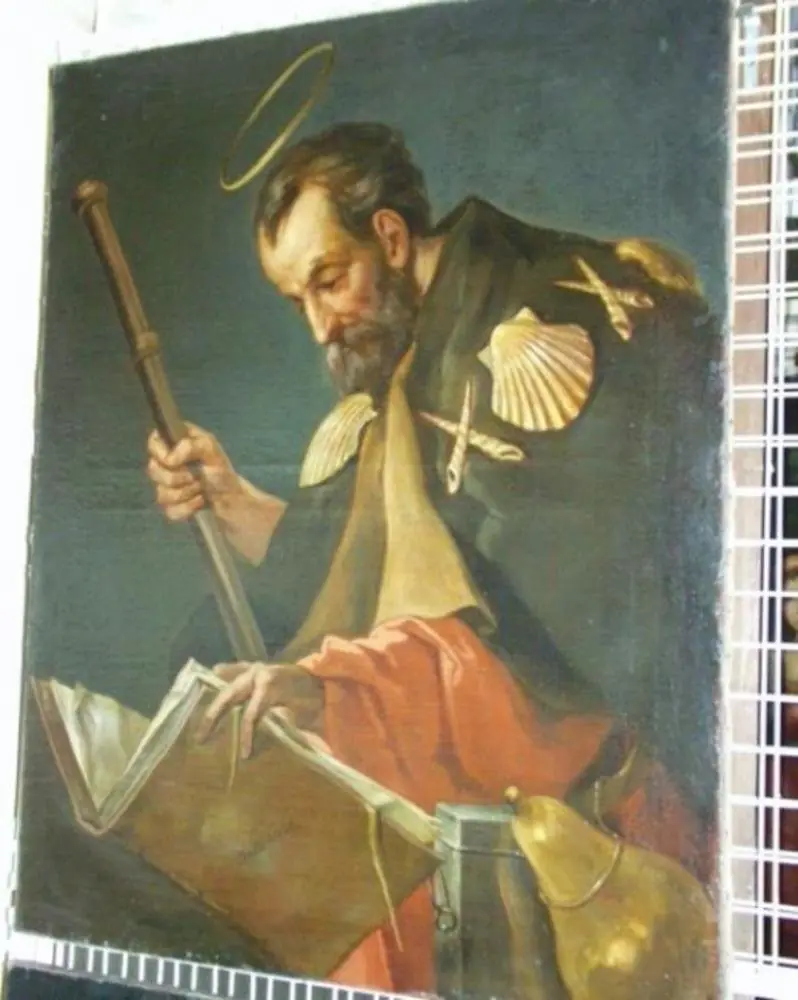 James the Greater, Son of Zebedee
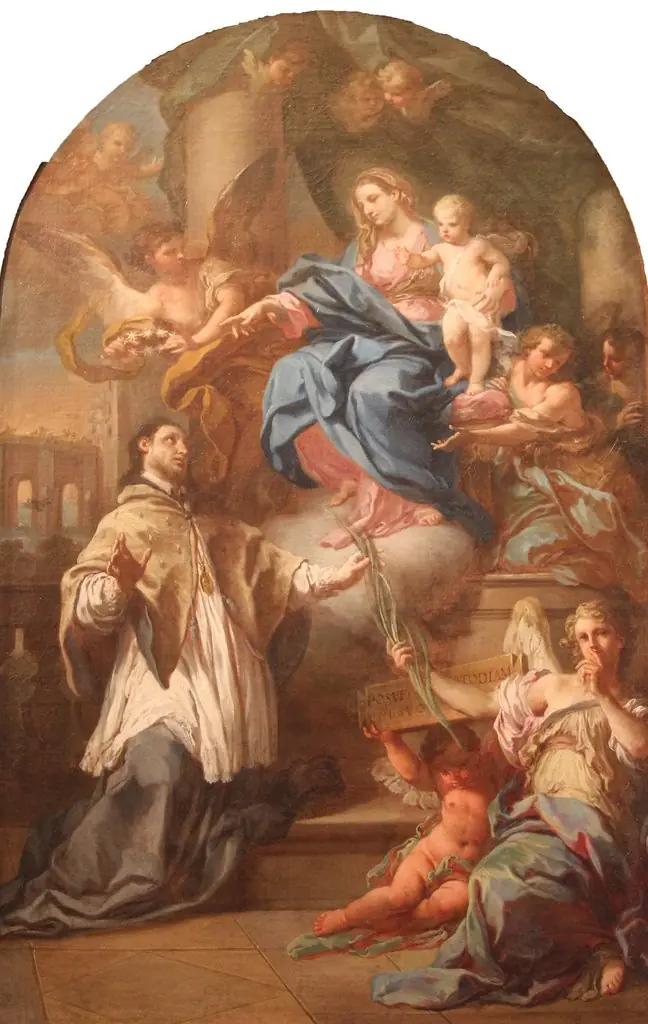 Madonna and Child with Saint John of Nepomuk
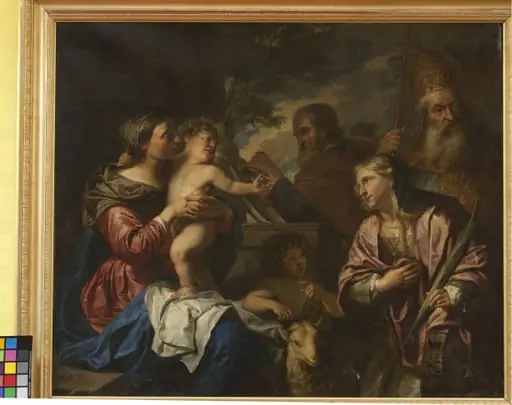 The Mystic Marriage of St Catherine
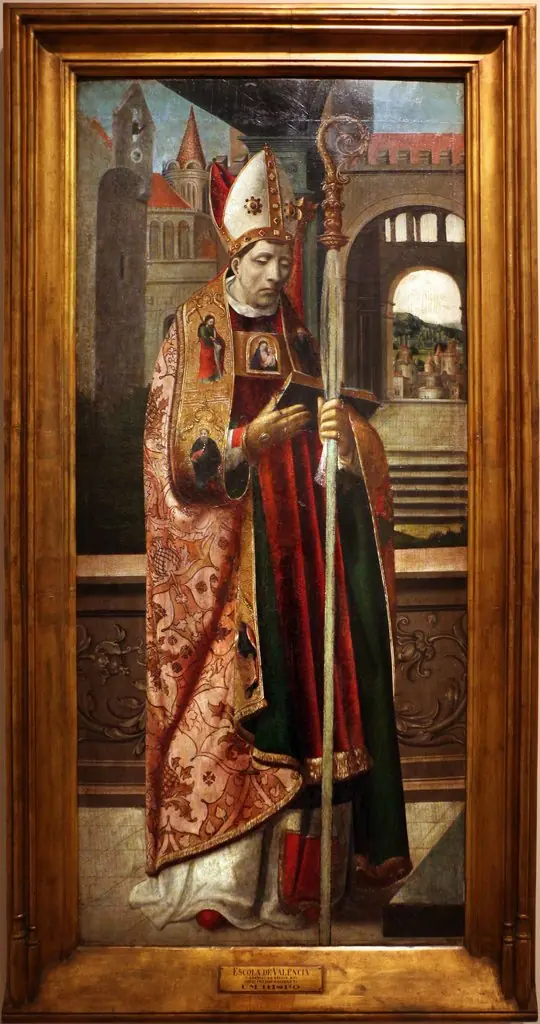 due vescovi
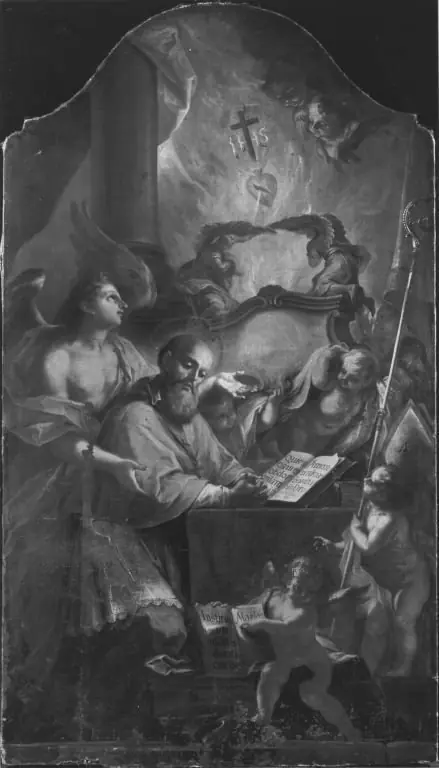 Hl. Franz von Sales