Artwork
Houses in Italy
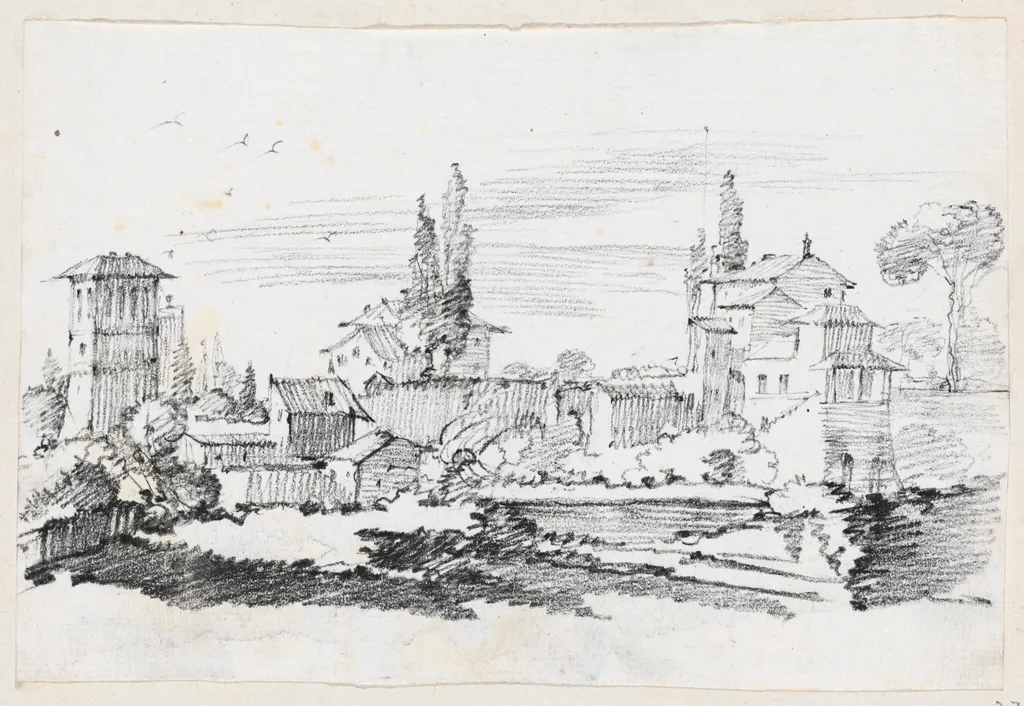
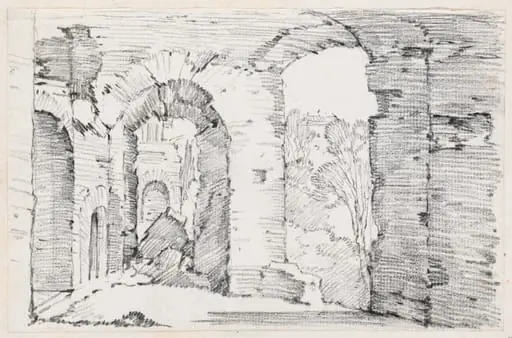
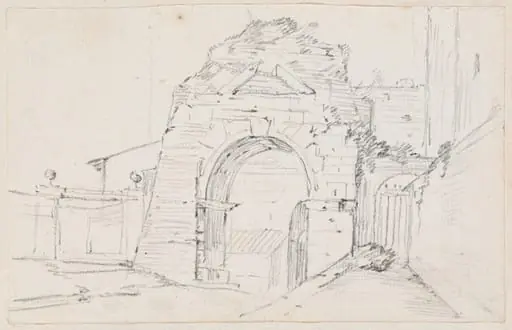
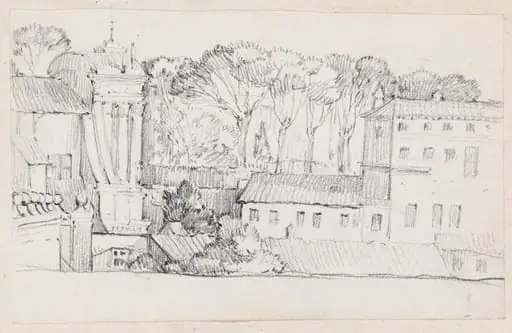
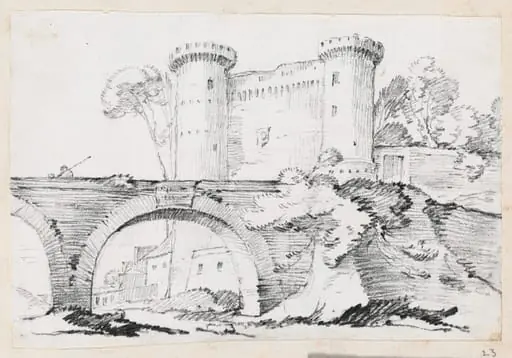
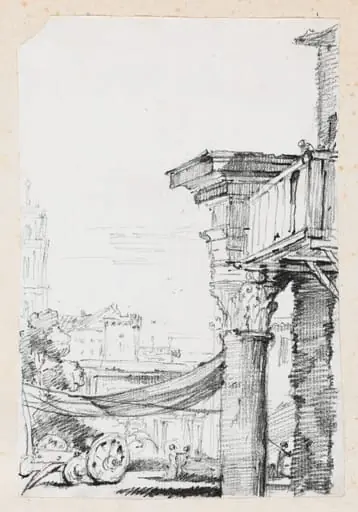
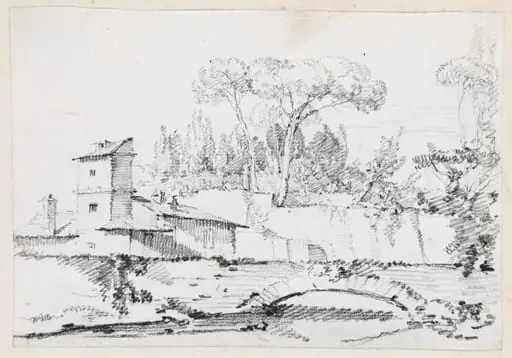
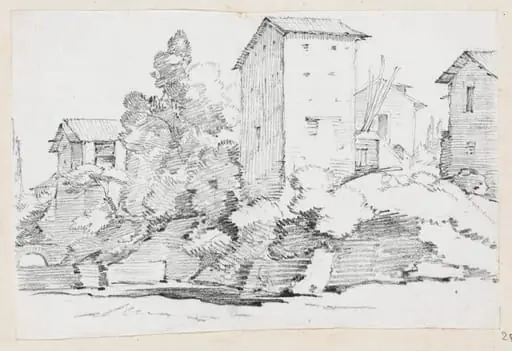
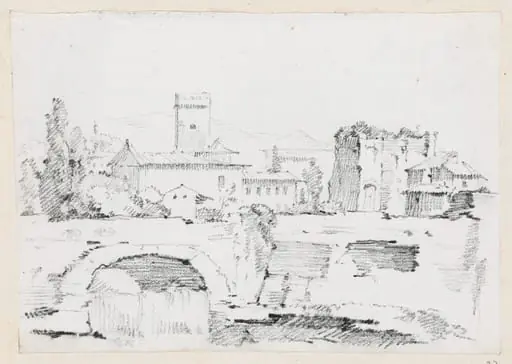
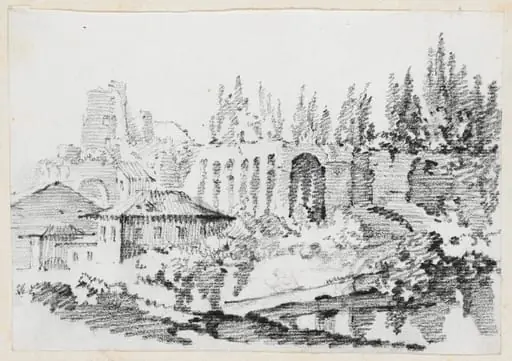
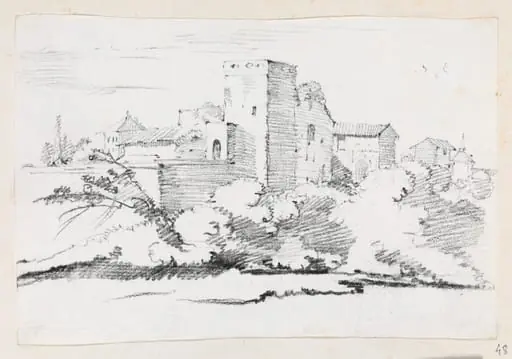
Houses in Italy is a graphite drawing by the Baroque artist Joseph-Marie Vien. It dates from 1747 and is held in the collection of the National Gallery of Art.
About this work
The painting is called Houses in Italy.
It was created by Joseph-Marie Vien between 1744 and 1750.
The artist used graphite on laid paper to create this work, which is part of the Baroque movement, a style that originated in Europe and is known for its dramatic lighting and intense emotions.
You can learn more about this style by looking into the movement: Baroque.
Overview
Joseph-Marie Vien’s drawing *Houses in Italy* (c.1747) is a modestly scaled graphite study on laid paper. Executed during the artist’s formative years, the work records a brief encounter with Italian vernacular architecture, offering a quiet counterpoint to his later, more formal compositions.
Subject & Meaning
The composition presents a cluster of low‑rise dwellings typical of rural Italy, rendered with restrained detail. By focusing on everyday structures rather than grand monuments, Vien emphasizes the simplicity of local life and the visual rhythm of the built environment he observed while traveling.
Technique & Style
Using graphite, Vien achieved delicate tonal variations on the textured surface of laid paper, allowing subtle gradations of light and shadow. The drawing reflects the lingering influence of the late Baroque’s interest in atmospheric effects, yet its restrained handling anticipates the clarity that would later characterize his neoclassical phase.
History & Provenance
Created between 1744 and 1750, the work belongs to Vien’s early output before his appointment as Premier peintre du Roi (1789‑1791). Its provenance traces back to private collections that documented Vien’s Italian sketchbooks, later entering public holdings as an example of his preparatory studies.
Context
Vien’s Italian sojourn was part of a broader Grand Tour tradition among French artists seeking classical and picturesque models. The drawing captures the transitional moment when French painters were absorbing Italian visual culture, a stimulus that would inform the emerging neoclassical aesthetic in the late eighteenth century.
Artist & collection
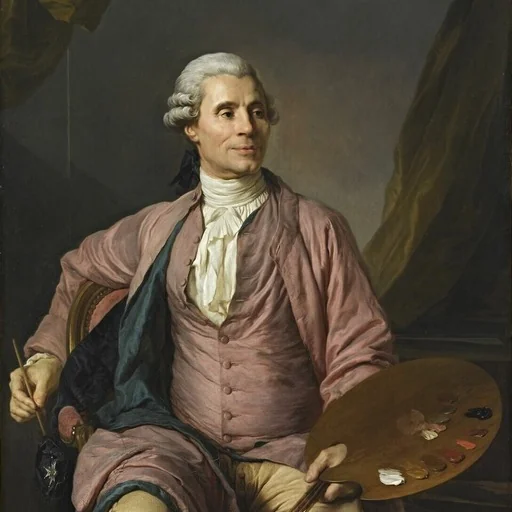
Artist
Joseph-Marie Vien (18 June 1716 – 27 March 1809) was a French painter. He was the last holder of the post of Premier peintre du Roi, serving from 1789 to 1791, before it was abolished during the French Revolution.