Artwork
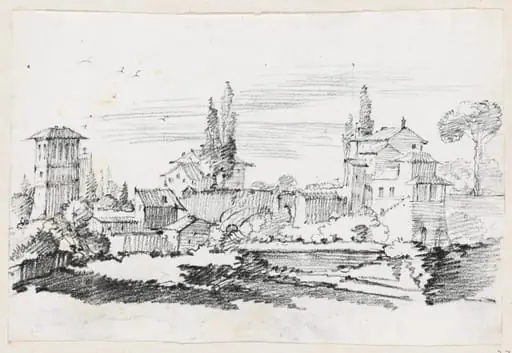
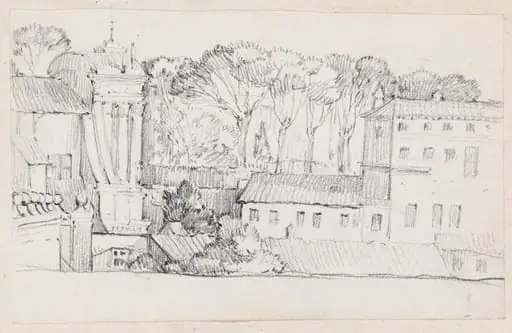
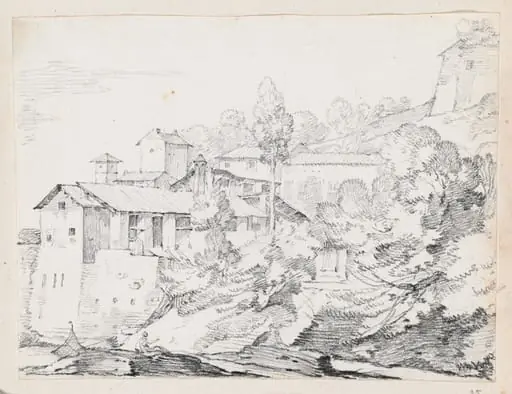
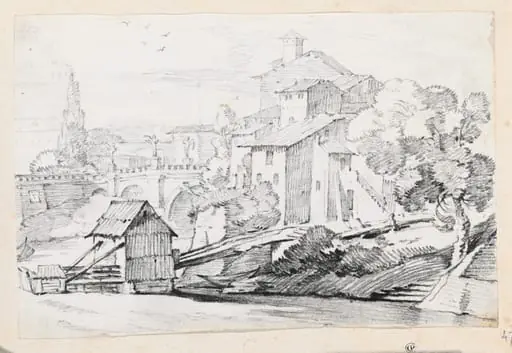
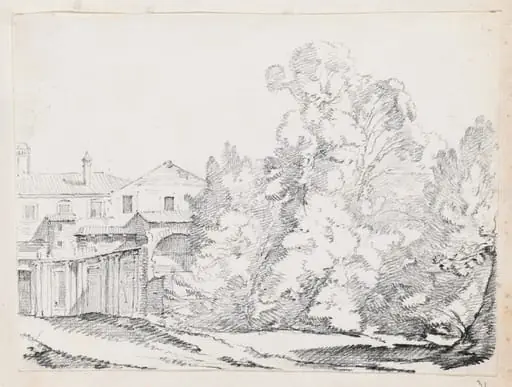
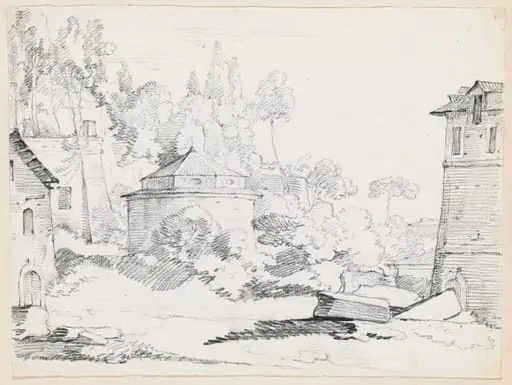
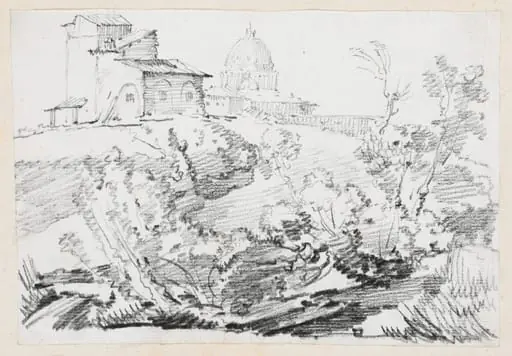
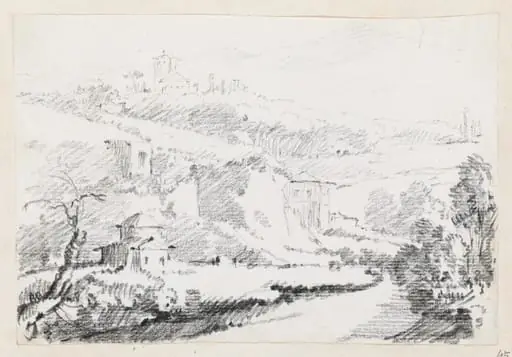
View of the Prato of the Villa Borghese
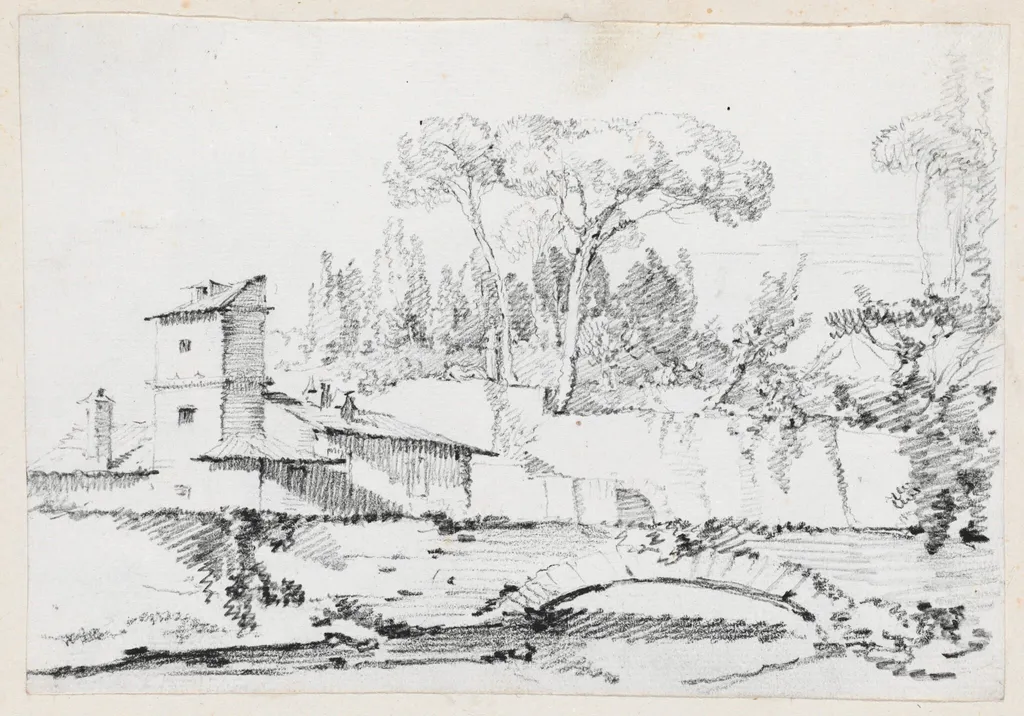
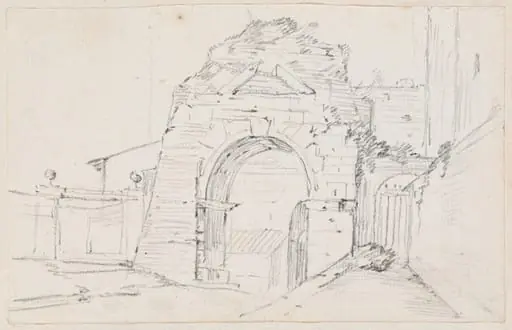
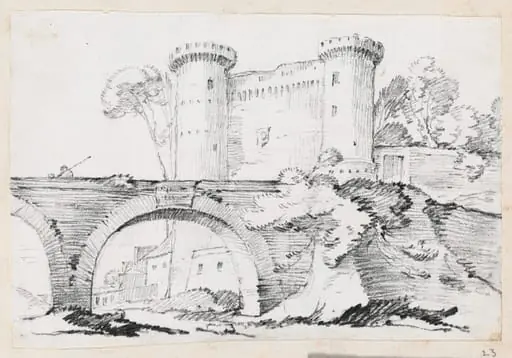
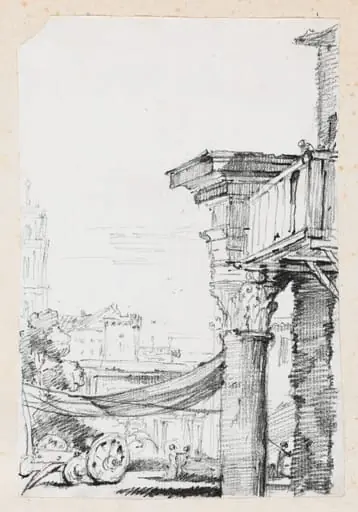
View of the Prato of the Villa Borghese is a graphite drawing by the Baroque artist Joseph-Marie Vien. It dates from 1747 and is held in the collection of the National Gallery of Art.
About this work
You can learn more about this style at the museum where this painting is held, the National Gallery of Art, Washington.
The painting is called View of the Prato of the Villa Borghese.
It was made by Joseph-Marie Vien between 1744 and 1750.
The artist used graphite on laid paper to create this work, which is part of the Baroque movement.
This movement is known for its dramatic lighting and intense emotions.
You can learn more about this style at the museum where this painting is held, the National Gallery of Art, Washington.
Overview
View of the Prato of the Villa Borghese is a graphite drawing on laid paper created by Joseph-Marie Vien between 1744 and 1750. The work is a representation of a landscape.
Subject & Meaning
The drawing depicts the open meadow area of the Villa Borghese in Rome, a site the artist encountered during his early career. It reflects Vien's interest in topographical subjects during his formative years.
Technique & Style
Executed in graphite on laid paper, the drawing is associated with the Baroque movement, characterized by dramatic effects. Vien's use of graphite allowed for detailed rendering of the landscape.
History & Provenance
The drawing is now held at the National Gallery of Art, Washington, where it remains part of the collection.
Context
Vien, a French painter, spent time in Rome early in his career, where he produced this work. He later became Premier peintre du Roi in 1789, holding the position until its abolition during the French Revolution.
Artist & collection
Artist
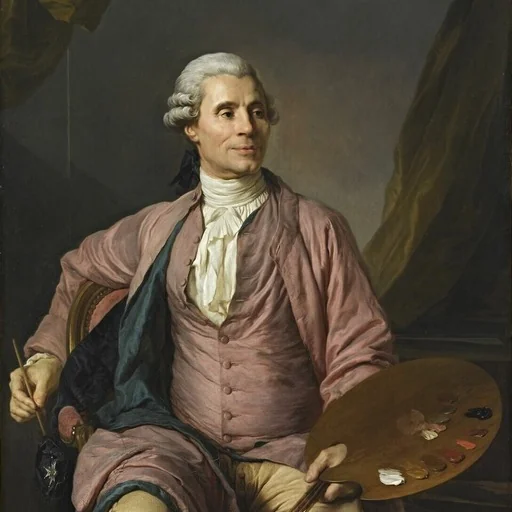
Joseph-Marie Vien (18 June 1716 – 27 March 1809) was a French painter. He was the last holder of the post of Premier peintre du Roi, serving from 1789 to 1791, before it was abolished during the French Revolution.