Artwork
The Water Organ in the Gardens of the Villa d'Este, Tivoli
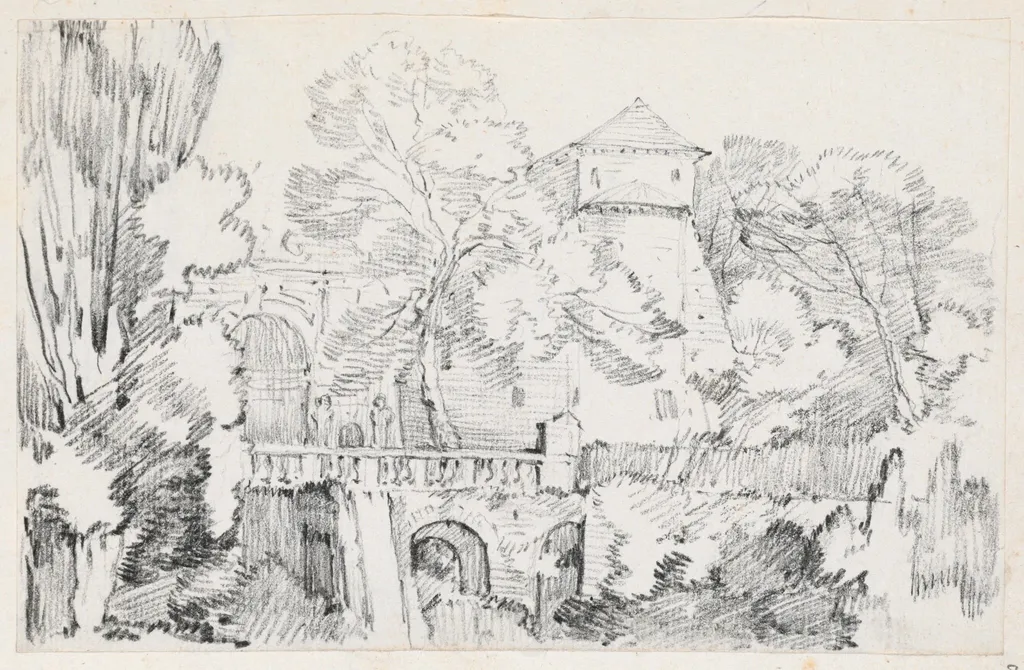
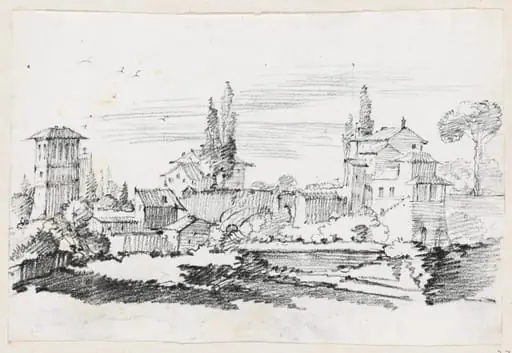
The Water Organ in the Gardens of the Villa d'Este, Tivoli is a graphite drawing by the Baroque artist Joseph-Marie Vien. It dates from 1747 and is held in the collection of the National Gallery of Art.
About this work
Overview
Created in 1747, *The Water Organ in the Gardens of the Villa d'Este, Tivoli* is a graphite drawing on laid paper by French artist Joseph-Marie Vien, executed during the early phase of his career.
Subject & Meaning
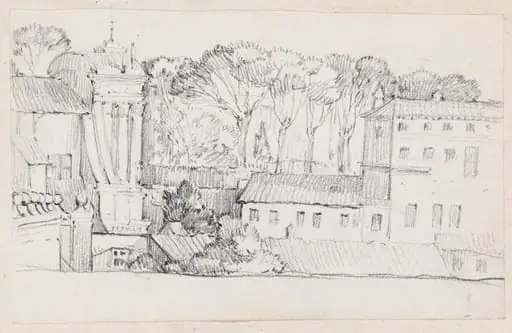
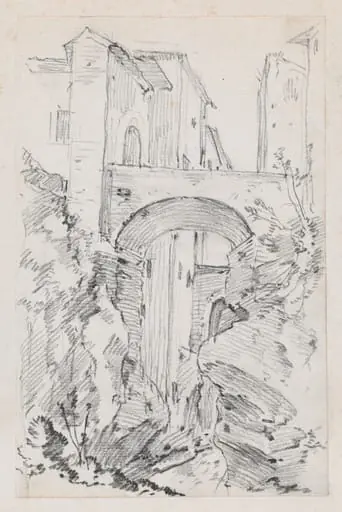
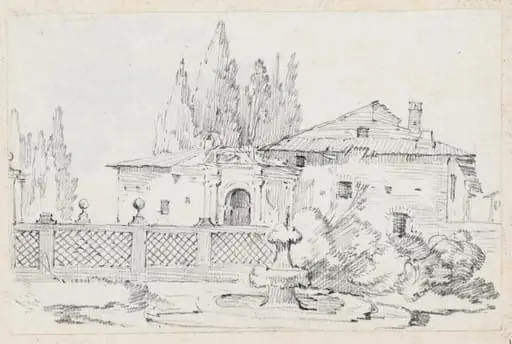
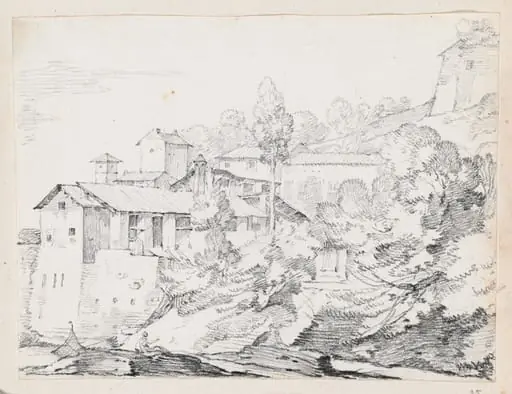
The drawing captures a scenic view of the Villa d'Este's gardens in Tivoli, focusing on a water organ, a hydraulic musical instrument, situated near a small stone tower and a dome-shaped structure, set amidst lush vegetation.
Technique & Style
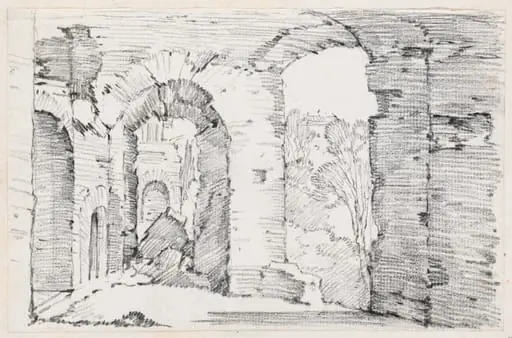
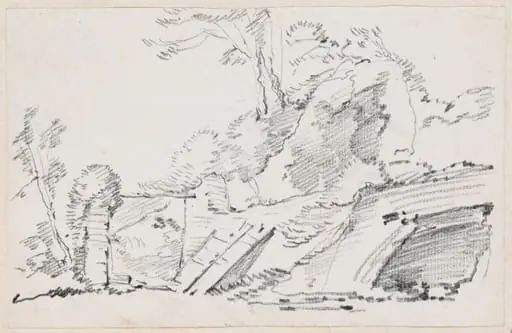
Characterized by loose, quick graphite strokes, the sketch employs rough lines and suggestive shading to convey texture, shadows, and the interplay of light, with a contrast between the solid tower and softer foliage.
History & Provenance
Completed by Vien before his appointment as Premier peintre du Roi (1789-1791), the drawing reflects the practice of rapid sketching prevalent among artists of the time for capturing scenes.
Context
While Vien's style in this work is more aligned with the observational and expressive qualities of the emerging Enlightenment-era artistic practices, the dynamic energy and dramatic contrast of light and shadow have loose affinities with the expressive elements of the Baroque movement.
Legacy
As an early work by Vien, the drawing provides insight into the artist's developmental period and his approach to capturing natural and architectural subjects, though its broader impact or influence on later artistic movements is not notably documented.
Artist & collection
Artist
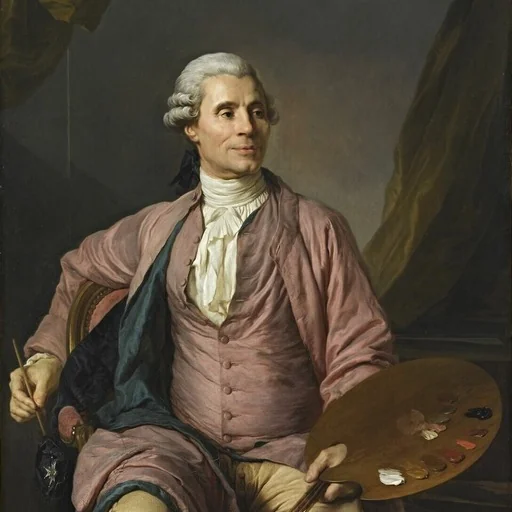
Joseph-Marie Vien (18 June 1716 – 27 March 1809) was a French painter. He was the last holder of the post of Premier peintre du Roi, serving from 1789 to 1791, before it was abolished during the French Revolution.