Artwork
Gertrud Sabine Spengler, f. Trott
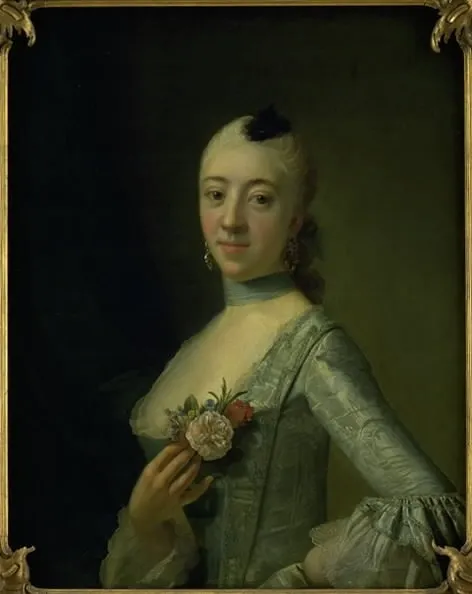
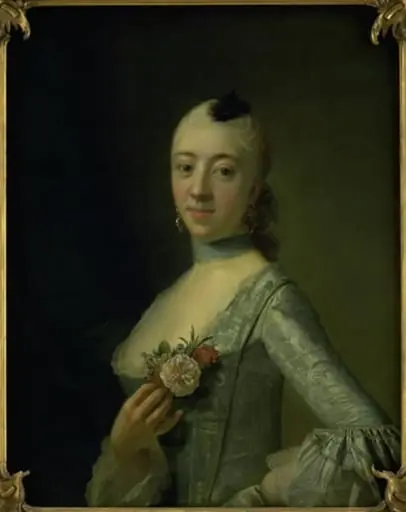
Gertrud Sabine Spengler, f. Trott is an oil painting by the Rococo painting artist Vigilius Eriksen. It dates from 1756 and is held in the collection of the Statens Museum for Kunst.
About this work
Overview
This work is part of the permanent collection at Statens Museum for Kunst, reflecting his role as a court-appointed portraitist during the mid-18th century.
Vigilius Eriksen painted Gertrud Sabine Spengler, f. Trott in 1756 using oil on canvas. A Danish artist active in Copenhagen, Eriksen was known for his portraits of the Danish elite. This work is part of the permanent collection at Statens Museum for Kunst, reflecting his role as a court-appointed portraitist during the mid-18th century. The painting captures a private individual with the formality typical of aristocratic commissions of the era.
Subject & Meaning
Gertrud Sabine Spengler, married to the merchant Trott, is portrayed with quiet composure, her gaze meeting the viewer directly. Her attire and adornments signal social standing rather than personal narrative. The absence of symbolic objects or elaborate settings shifts focus to her presence and refinement, aligning with the Rococo preference for intimate elegance over grand allegory. The portrait serves as a record of identity within Copenhagen’s merchant class.
Technique & Style
Eriksen employs soft modeling and delicate brushwork to render the texture of fabric, particularly the ruffled sleeves and low neckline of the light blue gown. The dark background enhances the luminosity of the figure, creating subtle contrast without dramatic chiaroscuro. Fine details like the black feather in her hair and the earrings are rendered with precision, emphasizing material luxury while maintaining a restrained, polished aesthetic characteristic of Danish Rococo portraiture.
History & Provenance
Commissioned during Eriksen’s tenure as a royal portraitist under Christian VI, the painting entered the collection of Statens Museum for Kunst in the 19th century. Its survival through centuries of Danish cultural shifts reflects its perceived value as a representative work of 18th-century elite portraiture. No significant alterations or reattributions are documented, and it has remained in public ownership since its acquisition by the museum.
Context
In mid-18th-century Denmark, portraiture served both personal and social functions, affirming status among the rising merchant class. Eriksen’s style, influenced by French and German court traditions, adapted Rococo elegance to Danish sensibilities—less ornate, more restrained. This portrait reflects a broader trend where wealth, not noble birth, became a legitimate subject for formal representation in urban centers like Copenhagen.
Legacy
The portrait remains a key example of Eriksen’s contribution to Danish art, illustrating how portraiture bridged aristocratic conventions and bourgeois identity. While not widely exhibited outside Denmark, it continues to inform scholarly understanding of Nordic Rococo. Its preservation in a national collection ensures its role as a reference point for studying social representation in 18th-century Scandinavian visual culture.
Artist & collection
Artist
Vigilius Eriksen (2 September 1722 in Copenhagen – 25 May 1782 in Rungstedgård) was a Danish painter. He was the royal portraitist to Christian VI of Denmark.

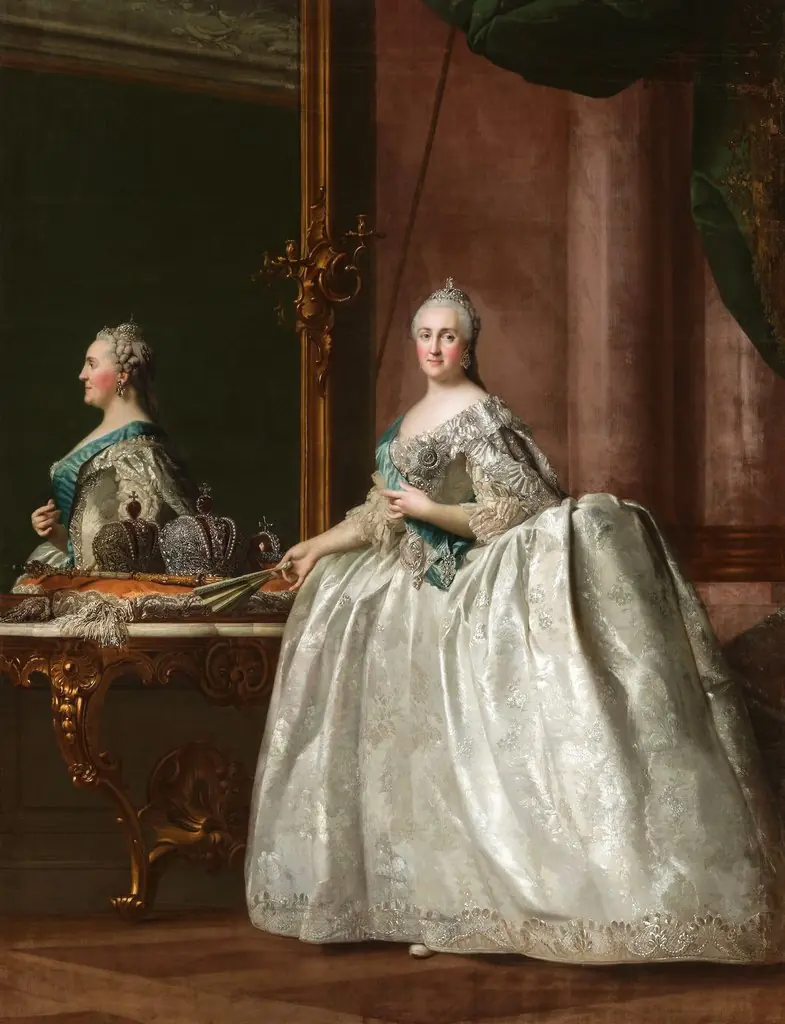 Portrait of Catherine II in front of a Mirror
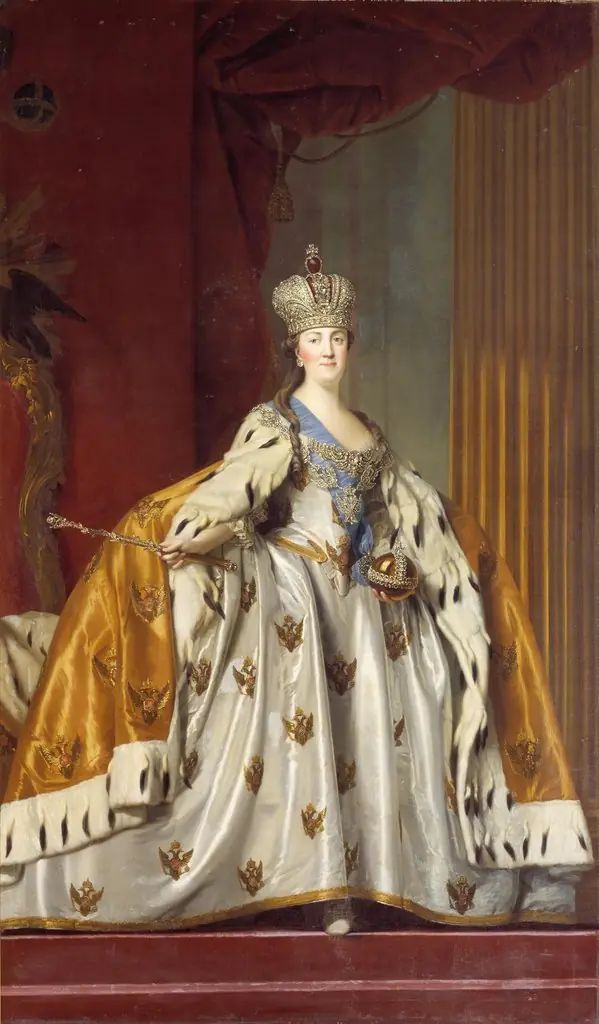 Catherine II, Empress of Russia (1729-1796)
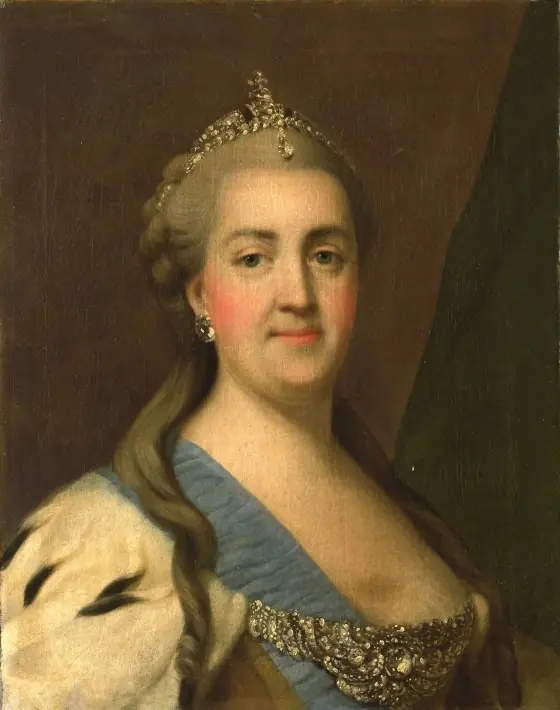 Portrait of Catherine II (1729-96), empress of Russia
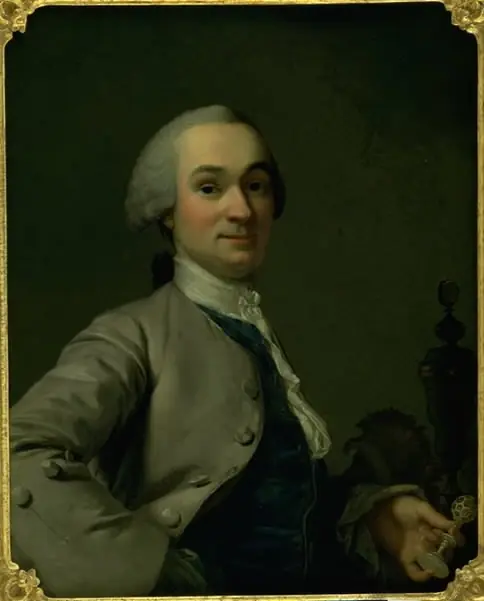 Portrait of Lorenz Spengler, Ivory Turner and Curator of the Royal Danish Kunstkammer
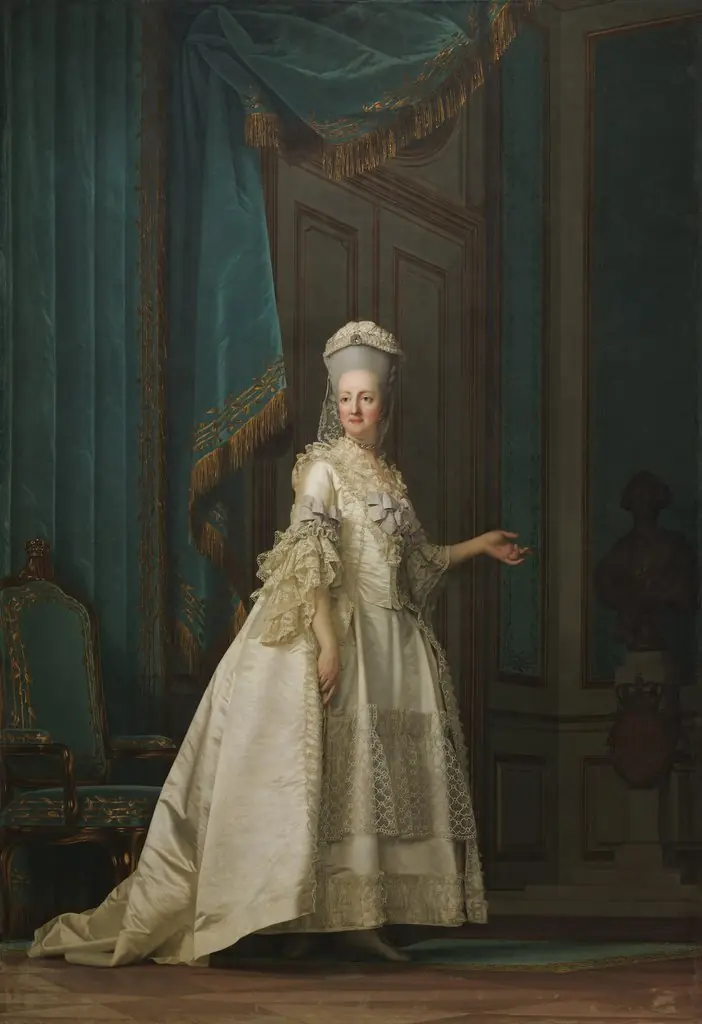 The Queen Dowager Juliane Marie
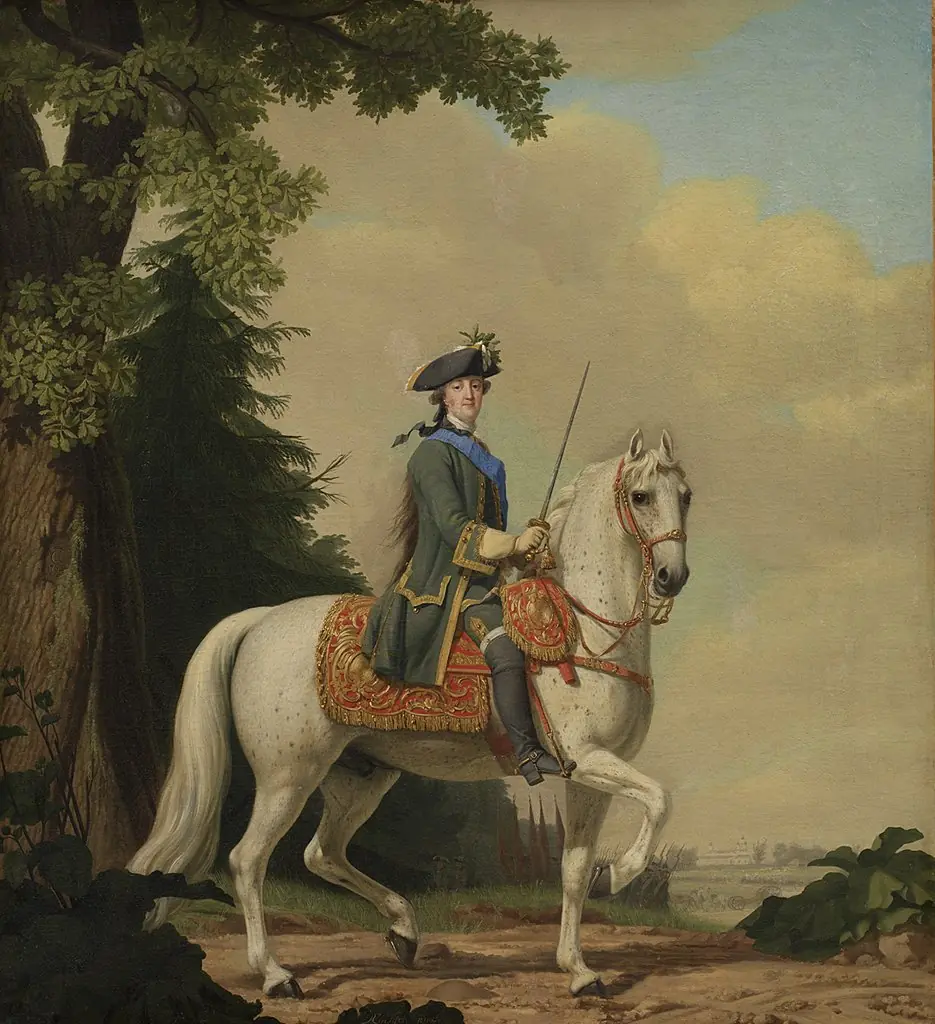 Catharina II of Russia and her stallion Brillante
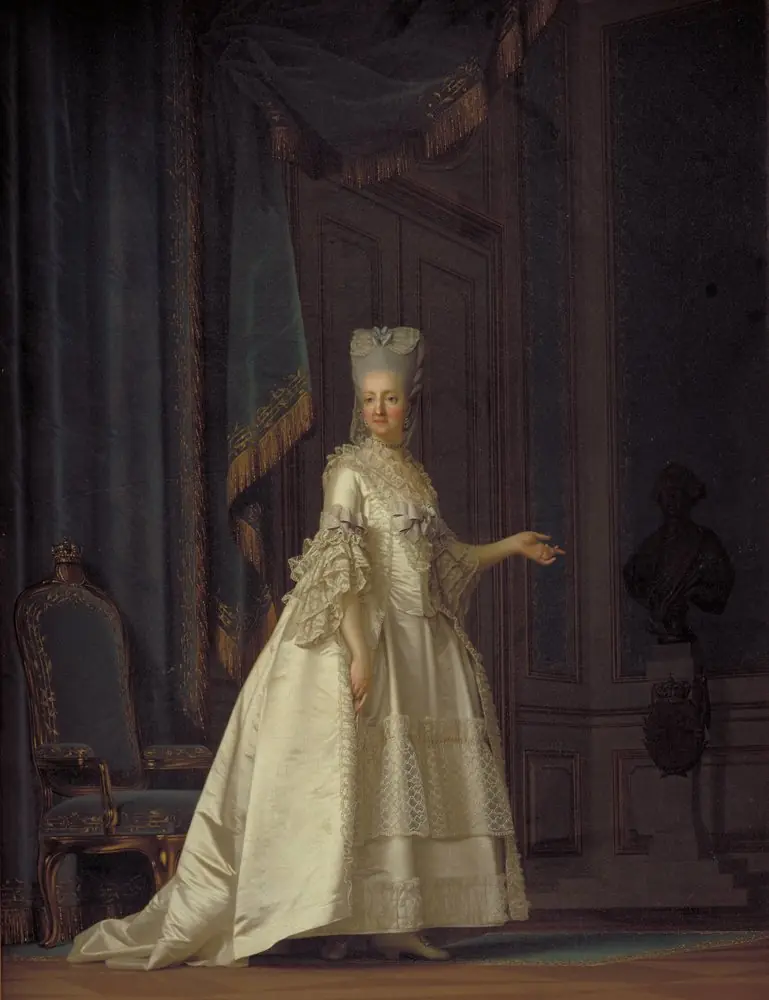 The Dowager Queen Juliane Marie of Denmark
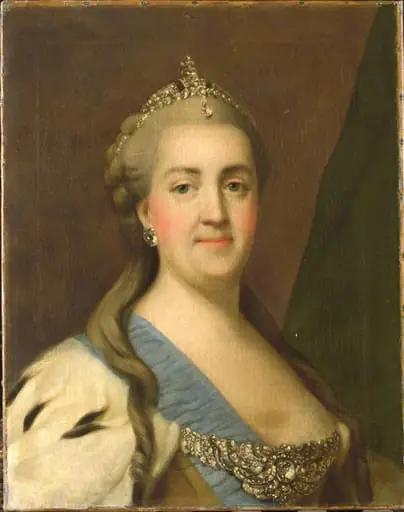 Catherine II (1729-96), Empress of Russia
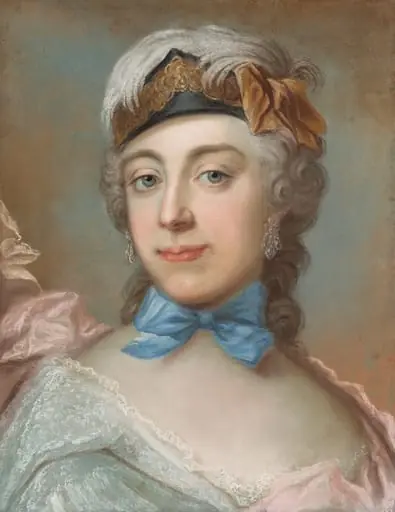 Kreivitär Ulrika Charlotta Sprengtporten
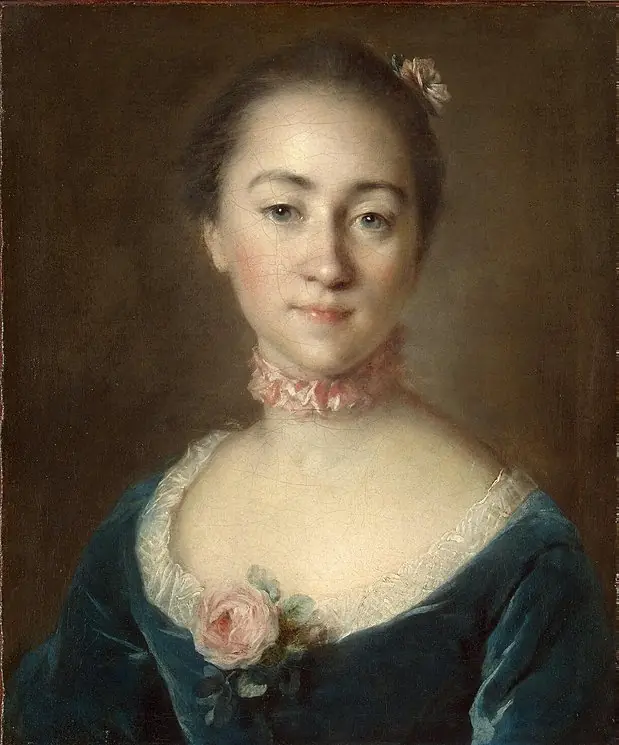 Portrait of Ekaterina Golovkina
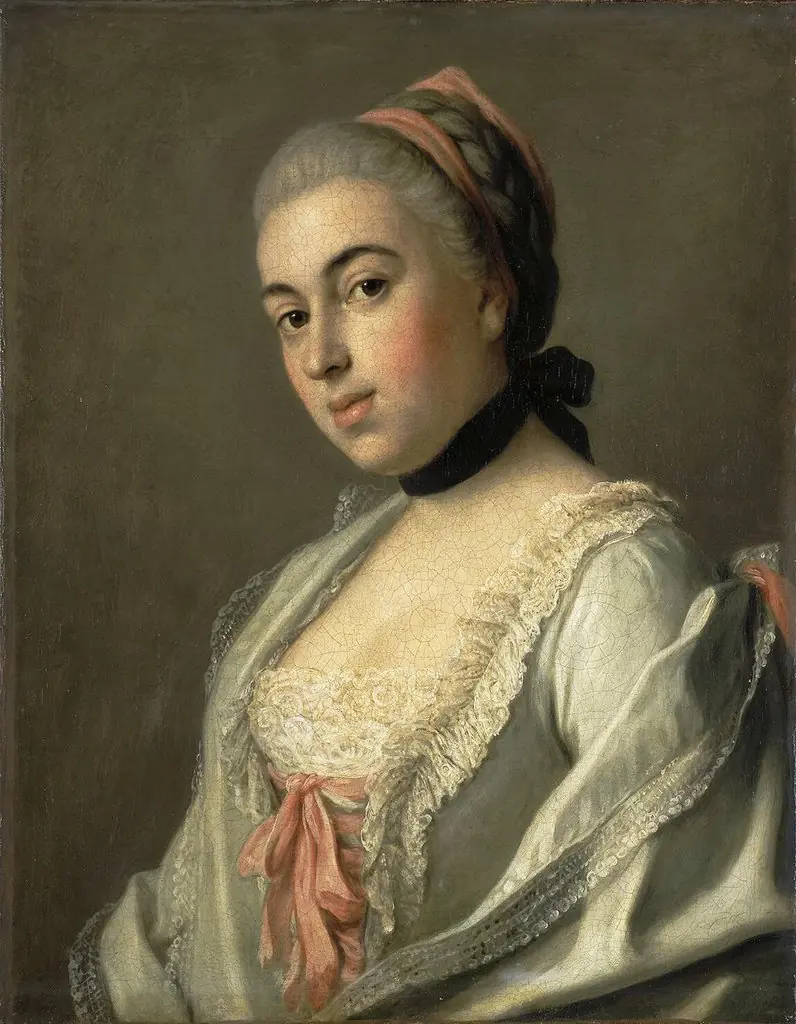 Portrait of Countess A.M. Vorontsova
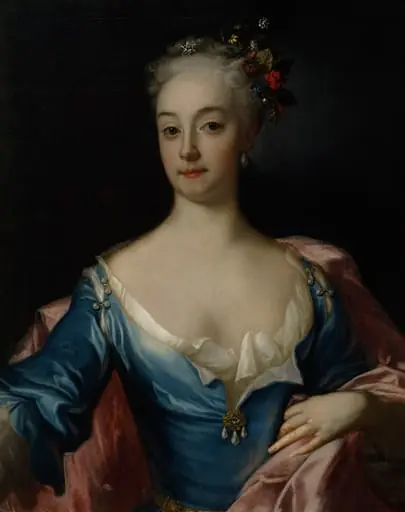 Anna Dorothea Amiga
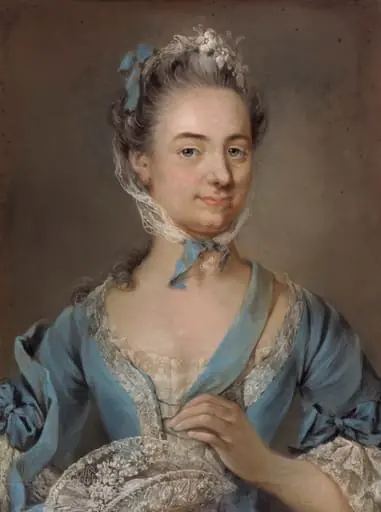 Maria Ulrika Dævel
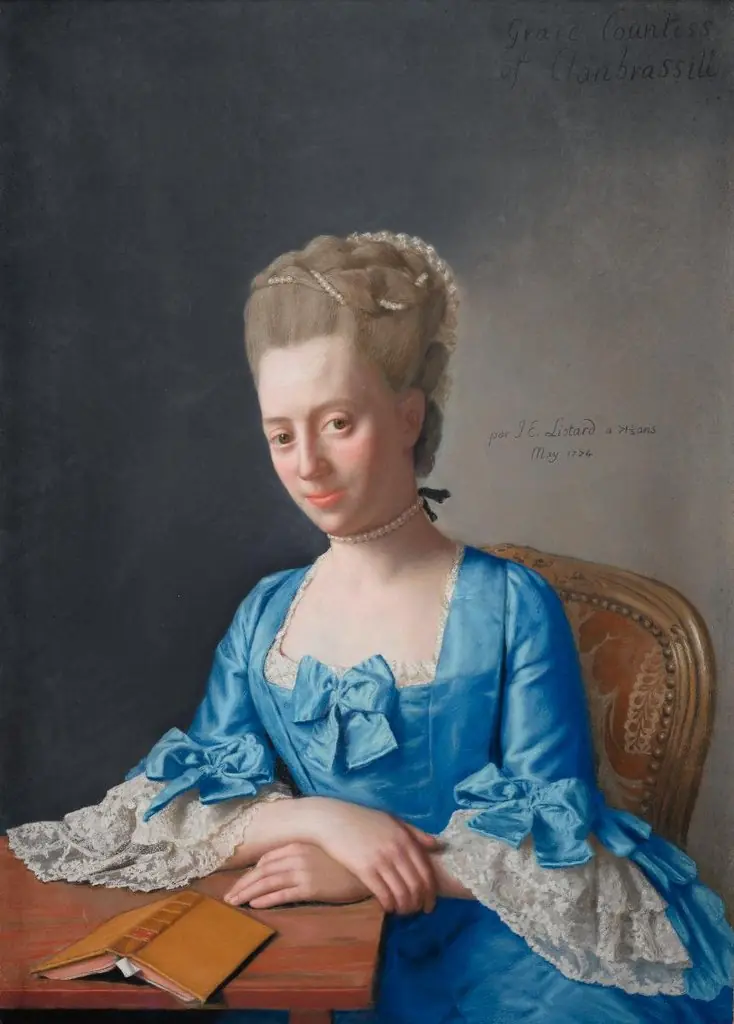 Grace, Countess of Clanbrassil
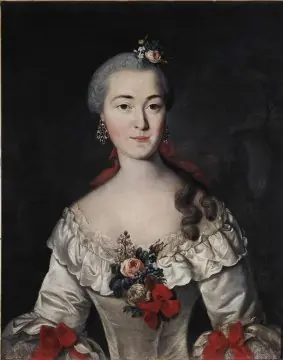 Portrait of M.I. Tatischeva
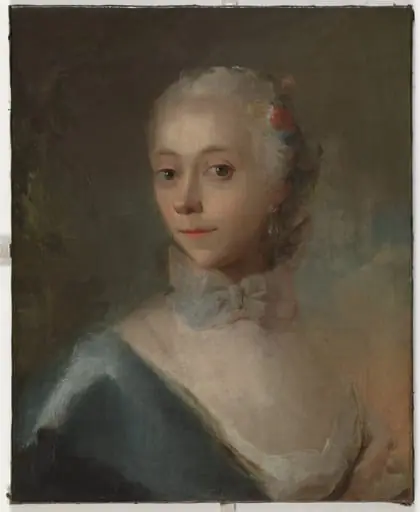 Dameportræt
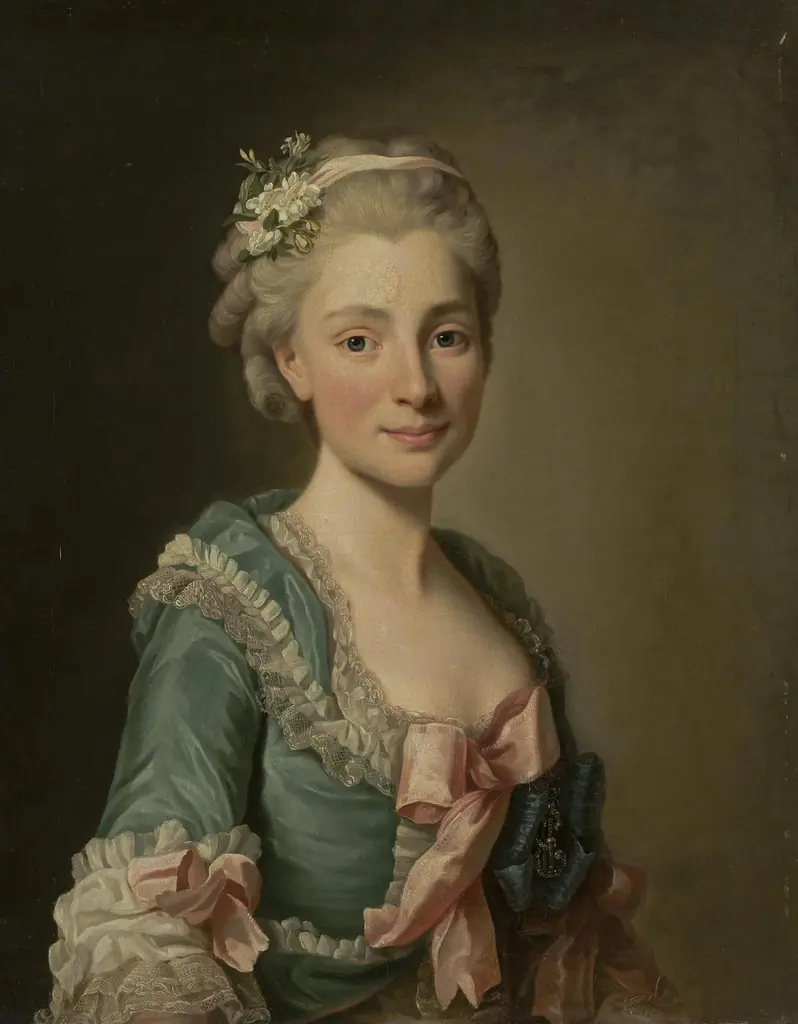 Portrait of Countess Yekaterina P. Stroganova (1744-1815) (copy)
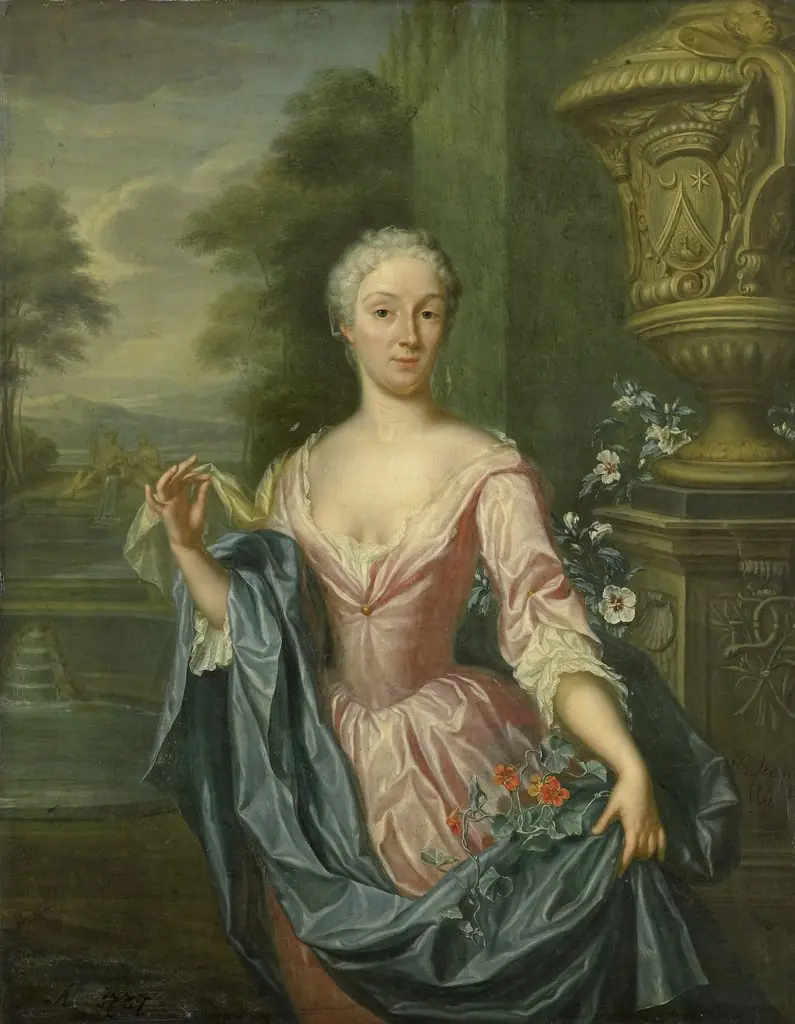 Portrait of Claudine van Royen (born 1712), Wife of Pieter Teding van Berkhout
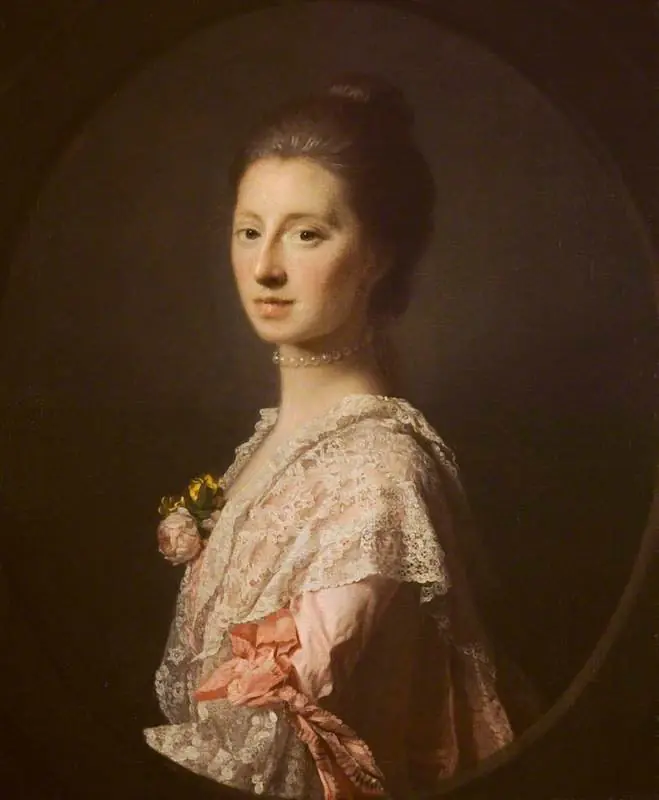 Mrs Anna Bruce of Arnot (died 1810)
 Gertrud Sabine Spengler, f. Trott