Artwork
Grace, Countess of Clanbrassil
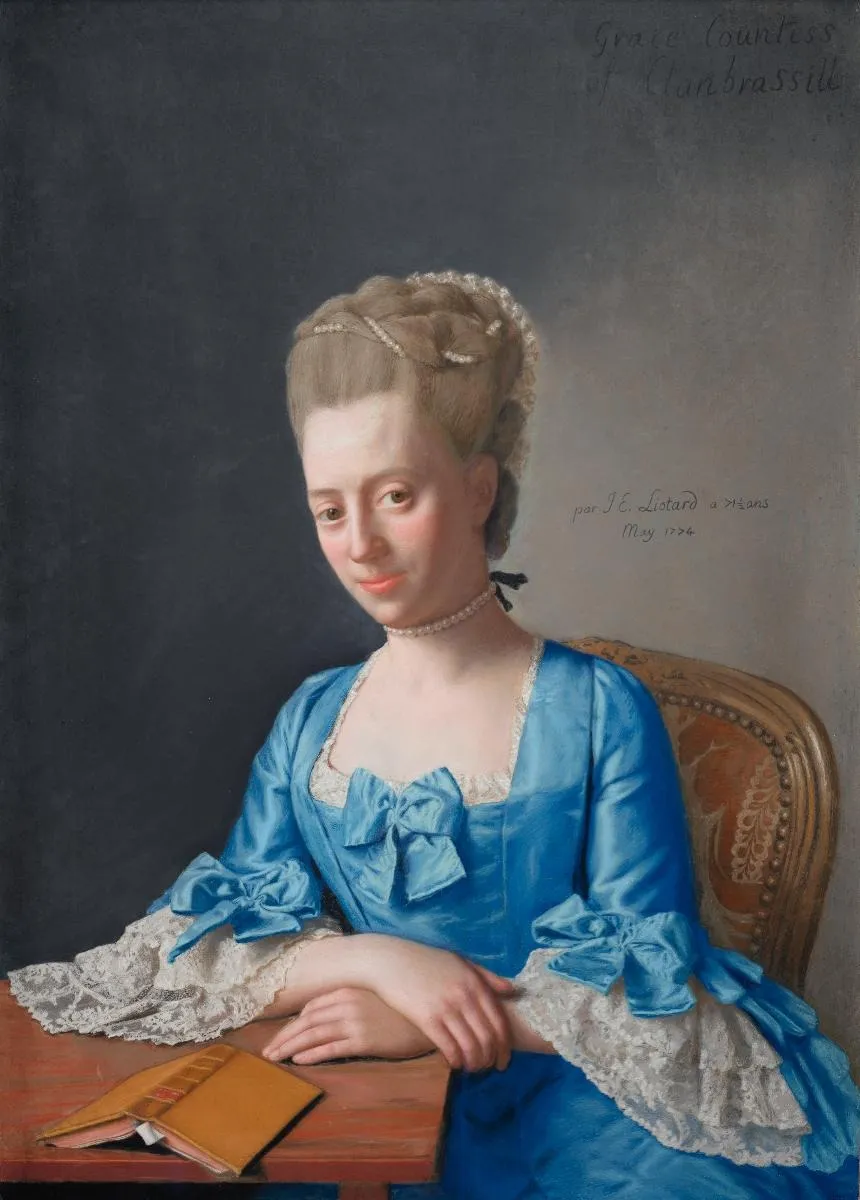
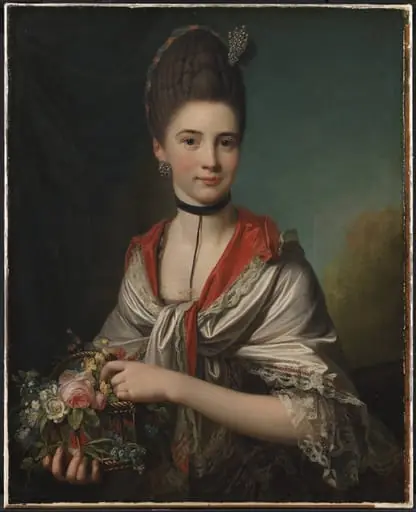
Grace, Countess of Clanbrassil is an unspecified painting by the Rococo painting artist Jean-Étienne Liotard. It dates from 1774 and is held in the collection of the Kunsthaus Zürich.
About this work
Overview
Her hair is gathered into an up‑do and accented with a pearl headband, while her hands rest lightly on the surface, a book or papers lying before her.
Jean‑Étienne Liotard’s 1774 portrait presents Grace, Countess of Clanbrassil seated at a table, dressed in a blue gown trimmed with lace and a modest bow at the neckline. Her hair is gathered into an up‑do and accented with a pearl headband, while her hands rest lightly on the surface, a book or papers lying before her. The composition conveys a calm, dignified poise characteristic of Liotian portraiture.
Subject & Meaning
The sitter, Grace, Countess of Clanbrassil, is rendered as a figure of aristocratic refinement. The inclusion of a book or documents suggests intellectual engagement or administrative duty, aligning the portrait with contemporary ideals of cultured femininity and the genteel responsibilities of a noblewoman. The restrained expression and composed posture reinforce an image of measured self‑possession.
Technique & Style
Liotard applies his renowned naturalistic approach, employing delicate brushwork to model flesh tones and the subtle sheen of silk and lace. Light falls across the figure, creating nuanced chiaroscuro that highlights the texture of the fabric and the glint of pearls. The overall effect is a restrained Rococo elegance, emphasizing realism over ornamental excess.
History & Provenance
Created during Liotard’s mature period, the portrait entered the collection of the Kunsthaus Zürich, where it remains on display. The painting’s provenance traces back to the Countess’s family, reflecting the artist’s practice of working for high‑ranking patrons across Europe, particularly in the mid‑eighteenth century.
Context
Liotard, a Genevan born to Huguenot refugees, traveled extensively—working in Rome, Istanbul, and Vienna—before settling in a peripatetic career that blended portraiture with genre scenes. The 1770s marked a transition from the exuberant Rococo to a more restrained neoclassical taste; this work exemplifies that shift through its sober palette and focus on individual character.
Artist & collection
Artist
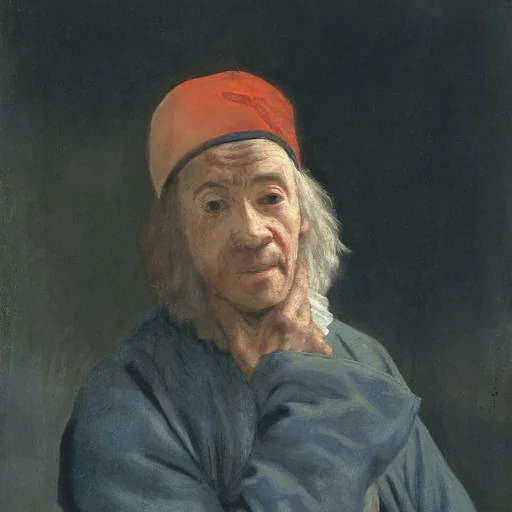
Jean-Étienne Liotard (French pronunciation: ; 22 December 1702 – 12 June 1789) was a Genevan painter, pastellist, printmaker, art theorist and art dealer.

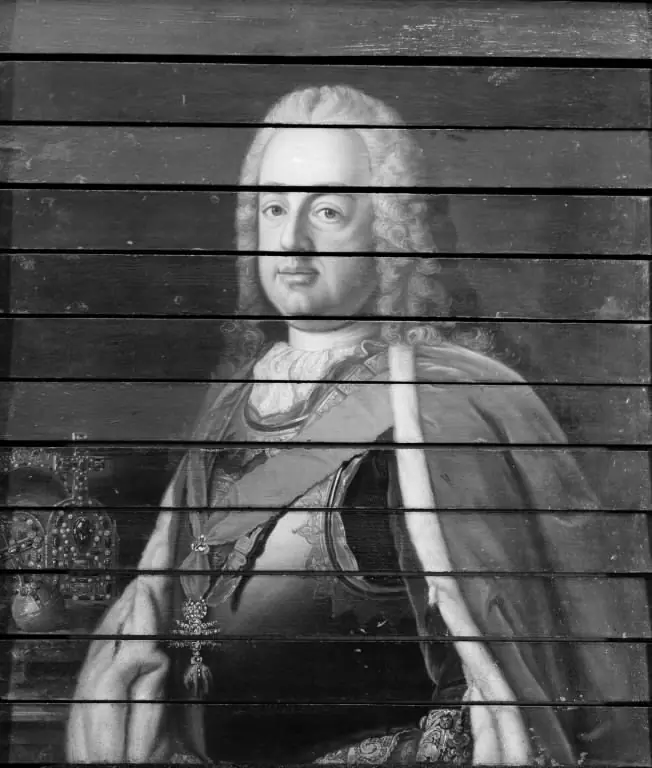 Emperor Franz I, Empress Maria Theresa and Their Son Archduke Joseph
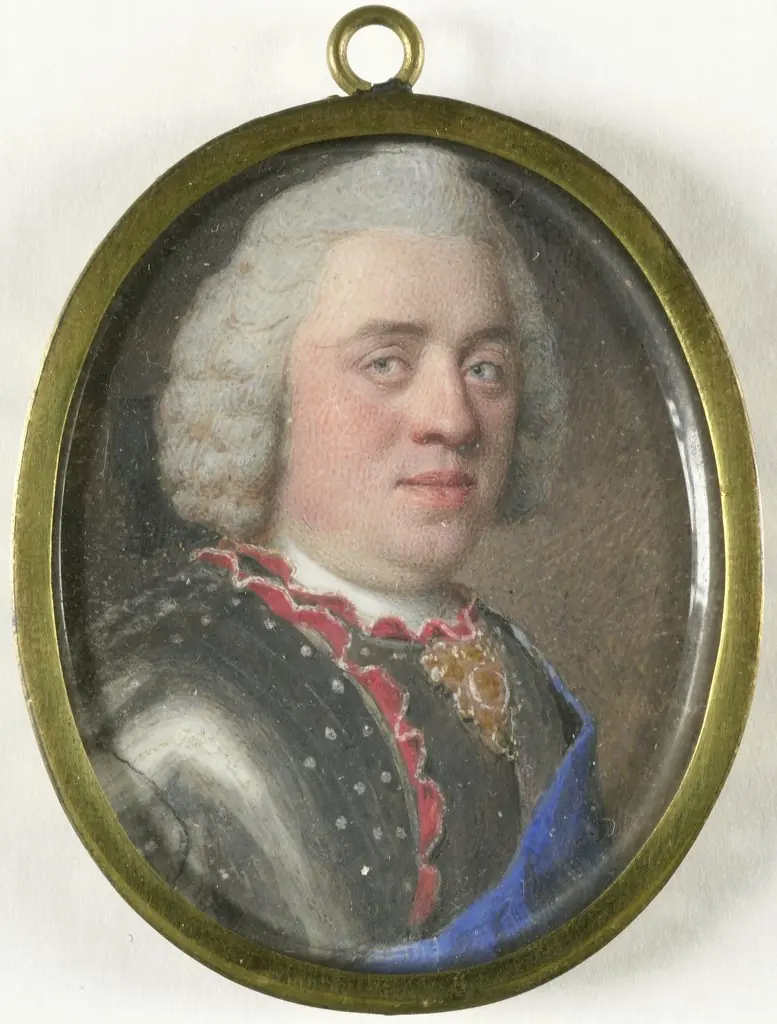 Portrait of Willem IV van Oranje- Nassau (1711-1751)
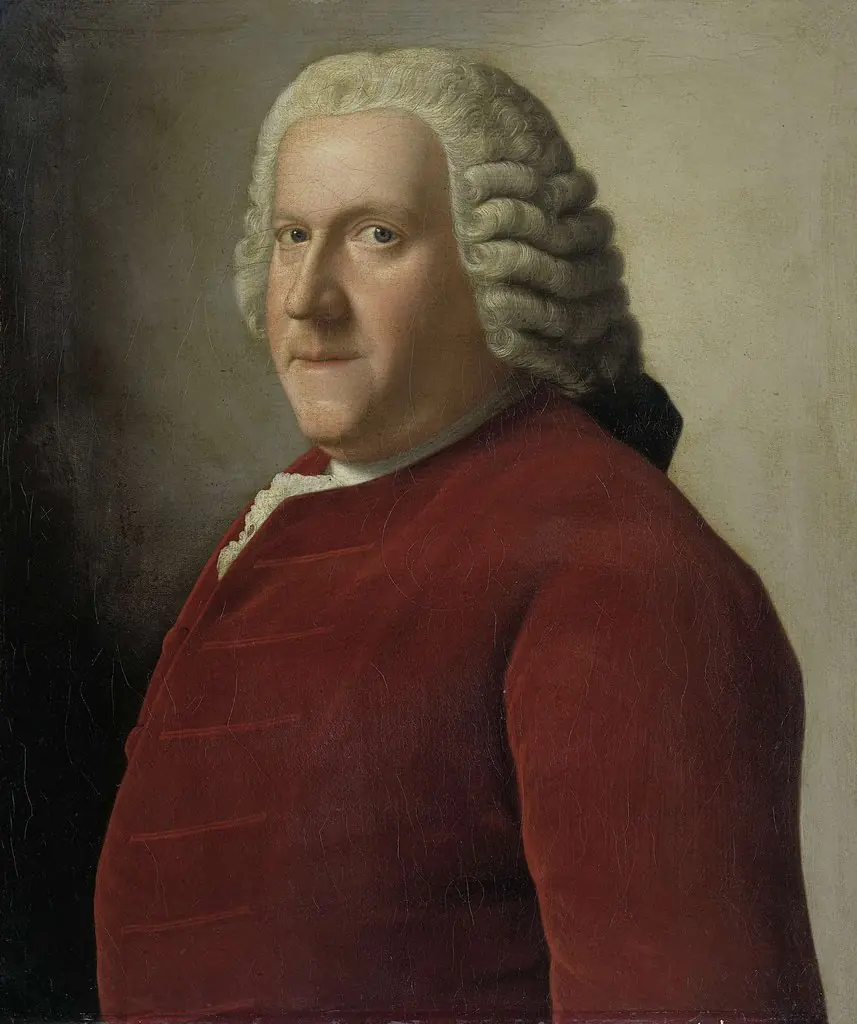 Portrait of Willem Bentinck van Rhoon (1704-1774)
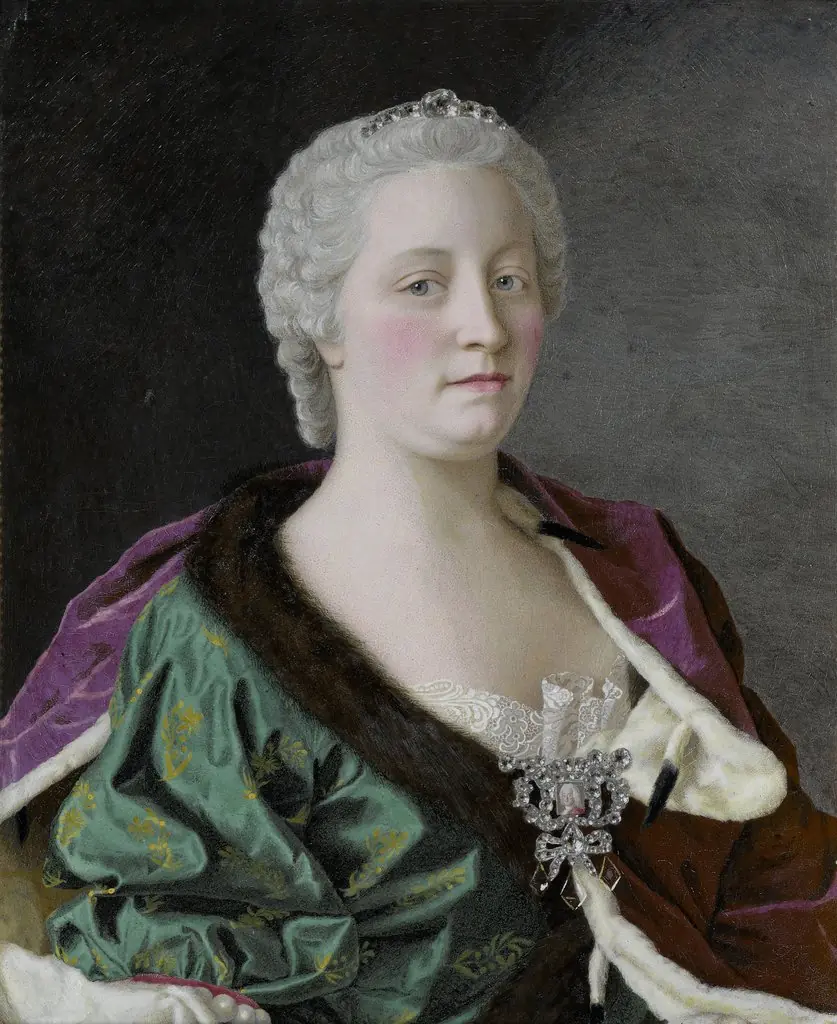 Maria Theresa, Archduchess of Austria, Queen of Hungary and Bohemia, and Holy Roman Empress
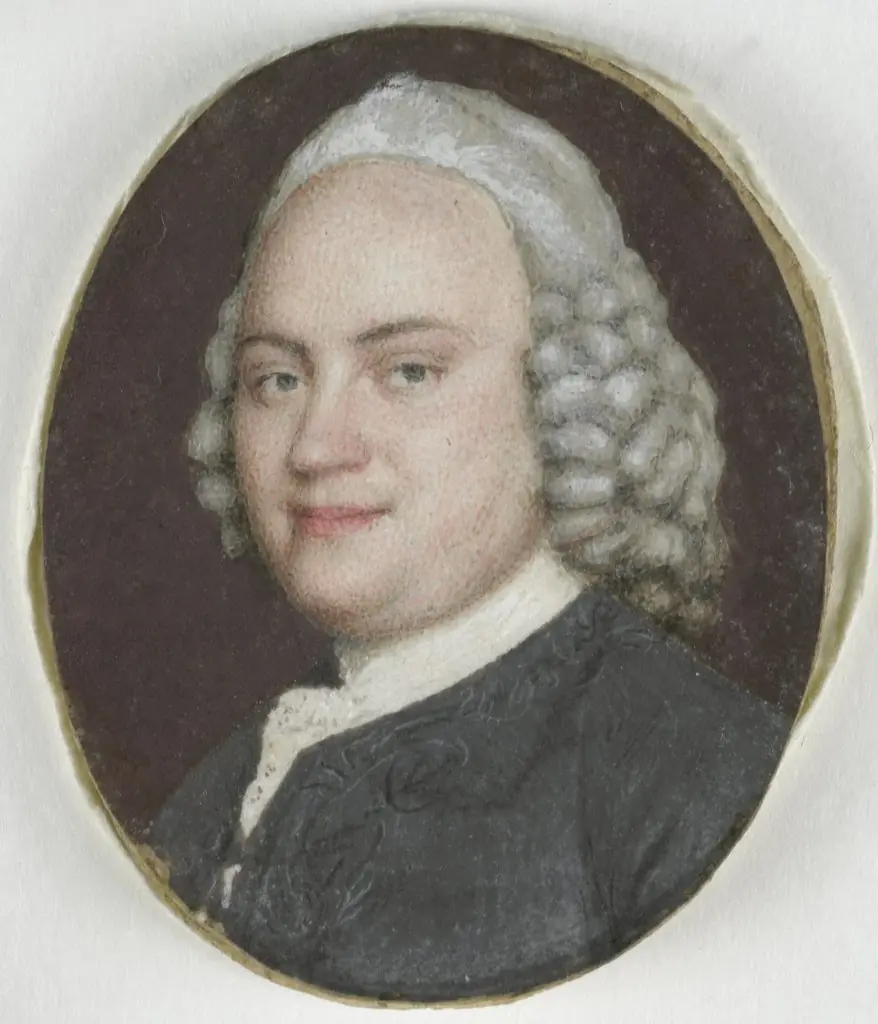 Portret van Pieter van Bleiswijk (1724-90), raadpensionaris van Holland
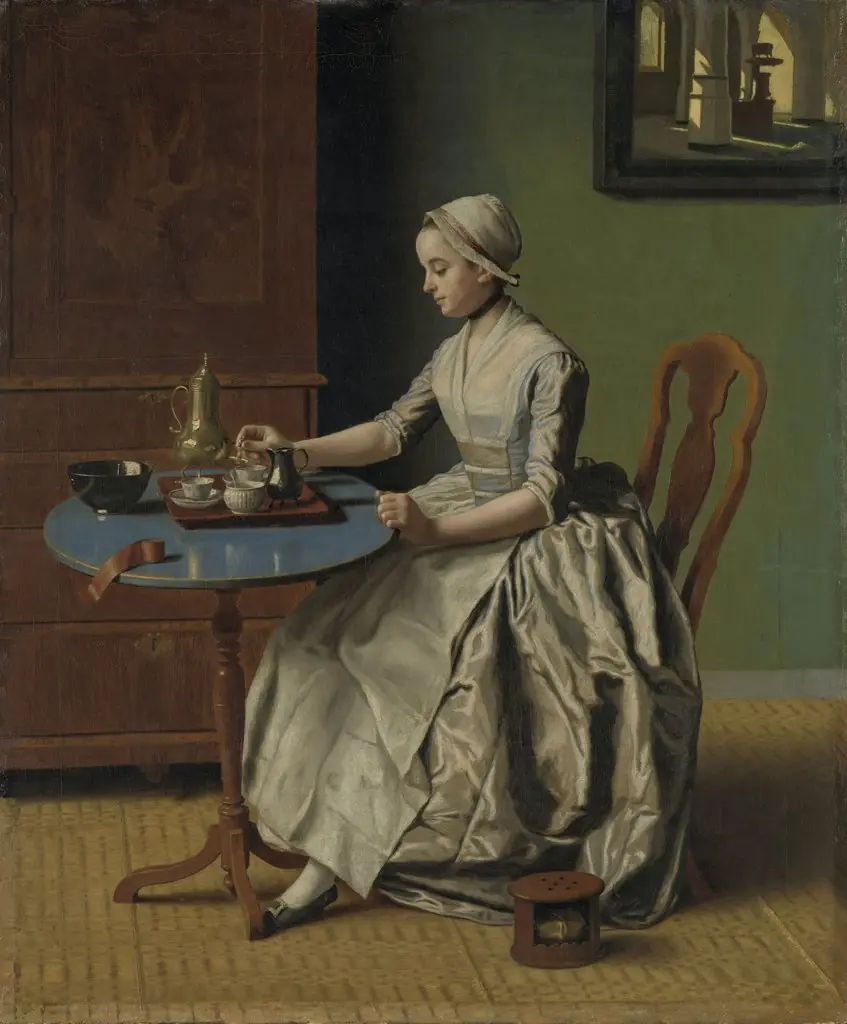 A Dutch Girl at Breakfast
 Sleeping old lady with a bible on her lap
 Portrait of Maria Adelaide of France in Turkish-style clothes
 Ritratto di Maria Giuseppa Carmela di Borbone
 María Luisa de Borbón y Sajonia
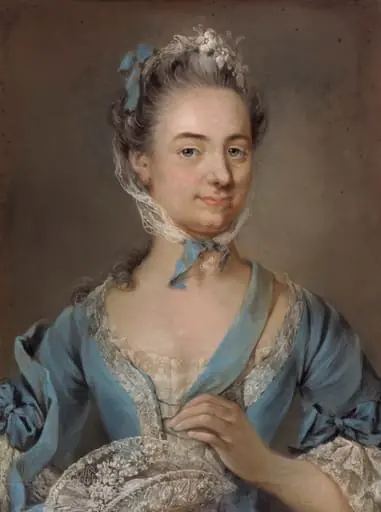 Maria Ulrika Dævel
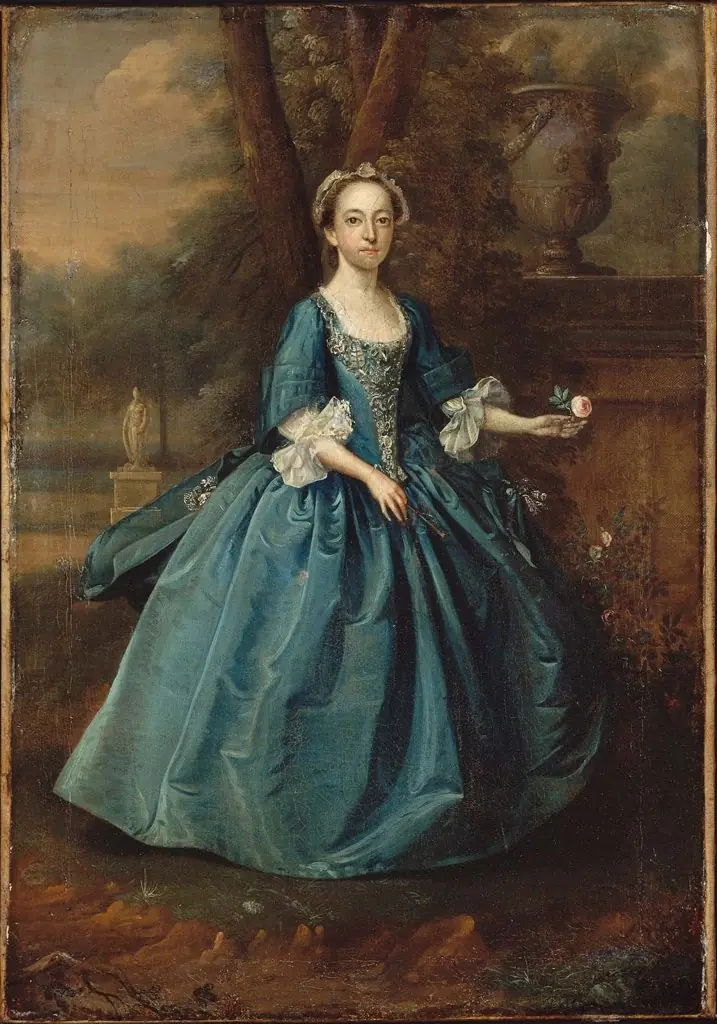 Portrait of a Woman Standing in a Garden
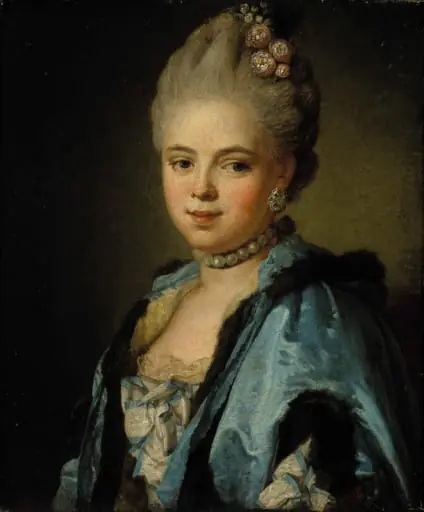 Naisen muotokuva
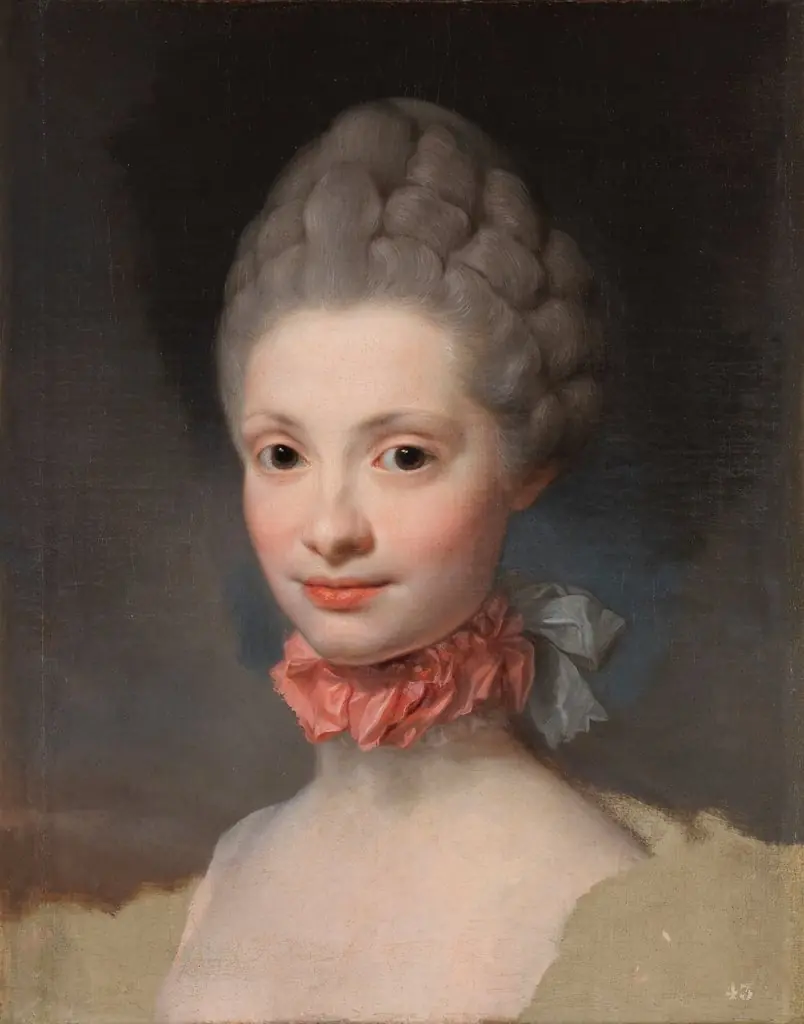 Maria Luisa of Parma
 Portrait of Countess Yekaterina P. Stroganova (1744-1815) (copy)
 Portrait of Countess Eleonora Agnes Scheel, neé Raben
 Anna Dorothea Amiga
 Portrait of waarschijnlijk Wilhelmina van Pruisen (1751-1820)
 Portrait of Anna Elisabeth Battier, née Storp
 Madame de Saint-Maurice