Artwork
Landscape with Oaks
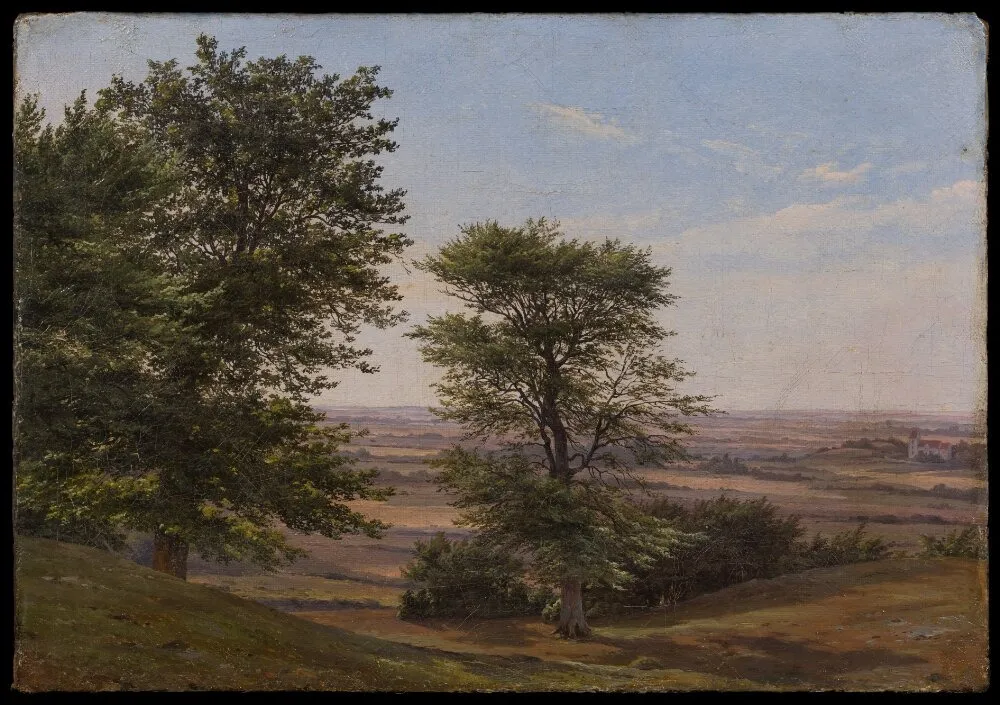
Landscape with Oaks is an oil painting by the Barbizon school artist Vilhelm Kyhn. It dates from 1848 and is held in the collection of the Nationalmuseum.
About this work
Overview
As a figure of Denmark’s post-Golden Age landscape tradition, he favored observed nature over idealized composition.
Vilhelm Kyhn painted *Landscape with Oaks* in 1848, capturing a quiet stretch of Zealand’s countryside in oil. As a figure of Denmark’s post-Golden Age landscape tradition, he favored observed nature over idealized composition. The work reflects his commitment to realism and his resistance to emerging Romantic or modernist trends, aligning him with the quiet observational spirit of the Barbizon painters.
Subject & Meaning
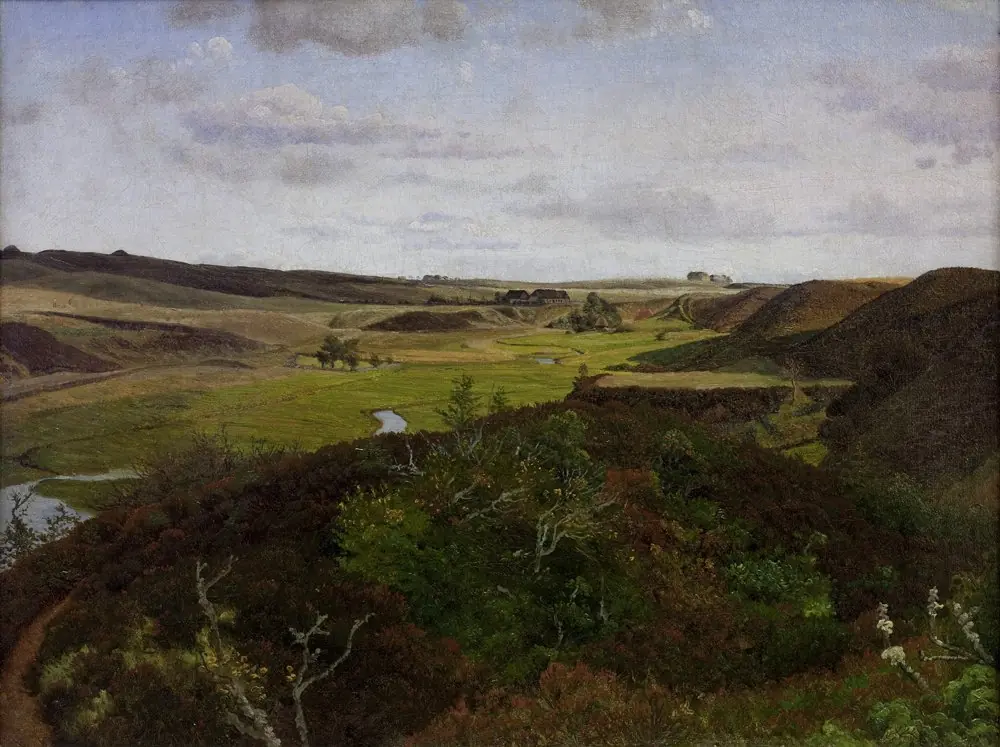
The painting centers on two mature oaks standing prominently in the foreground, their gnarled forms anchoring the scene. Behind them, undulating fields and distant buildings suggest rural life without intrusion. The absence of human figures emphasizes nature’s quiet endurance. Kyhn’s focus on native trees and local terrain conveys a sense of place rooted in Danish identity, not romanticized fantasy.
Technique & Style
Kyhn employed layered oil paint to render the texture of bark, foliage, and earth with careful precision. Subtle shifts in tone and soft atmospheric perspective guide the eye from the foreground trees to the hazy horizon. Light falls naturally across the landscape, enhancing volume without dramatic contrast. His method prioritizes observational accuracy over expressive brushwork, reflecting a disciplined, traditional approach.
History & Provenance
Completed in 1848, the painting entered the collection of the Nationalmuseum in Denmark, where it remains today. Kyhn’s reputation as a teacher and institutional figure helped secure the work’s preservation. Unlike many contemporaries who embraced international styles, Kyhn’s consistent focus on Danish scenery ensured his works were valued as cultural documents within the nation’s art institutions.
Context
In mid-19th-century Denmark, landscape painting was shifting from idealized compositions toward direct observation. Kyhn stood apart by rejecting both the grandeur of the Golden Age and the emotionalism of newer movements. His work emerged alongside rural realism in France and Germany, yet remained distinctly tied to Denmark’s topography and the growing interest in national heritage through art.
Legacy
Kyhn’s dedication to landscape as a subject of study, not spectacle, influenced generations of Danish artists. He co-founded art schools, including one for women, expanding access to formal training. While not widely known beyond Scandinavia, his body of work helped establish a local tradition of naturalistic painting grounded in regional identity and technical discipline.
Artist & collection
Artist
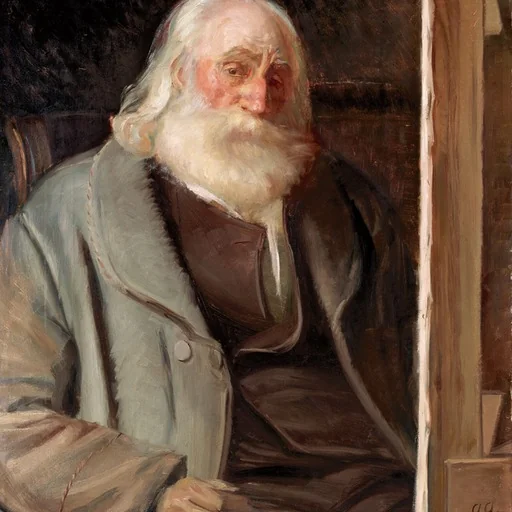
Peter Vilhelm Carl Kyhn (March 30, 1819 – May 11, 1903) was a Danish landscape painter who belonged to the generation of national romantic painters immediately after the Danish Golden Age and before the Modern Breakthrough.

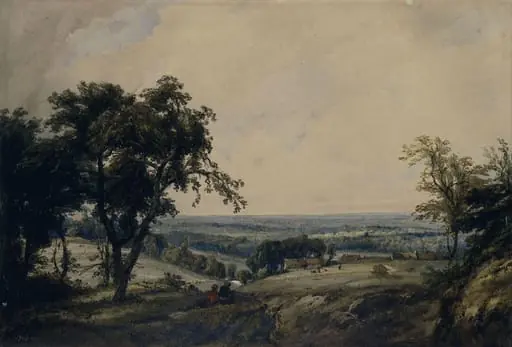 Landscape with figures and cottages in a hollow
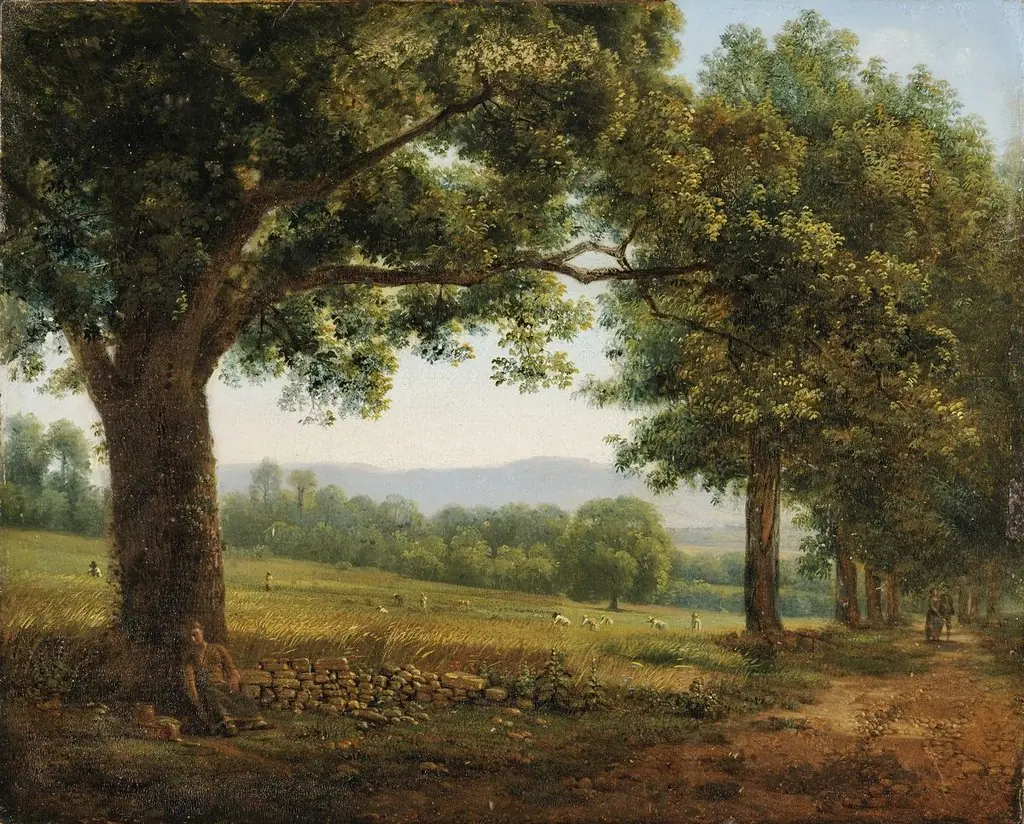 Vue aux environs de Lyon
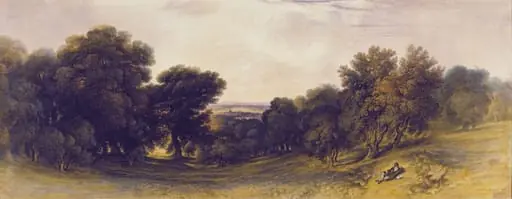 Richmond Park
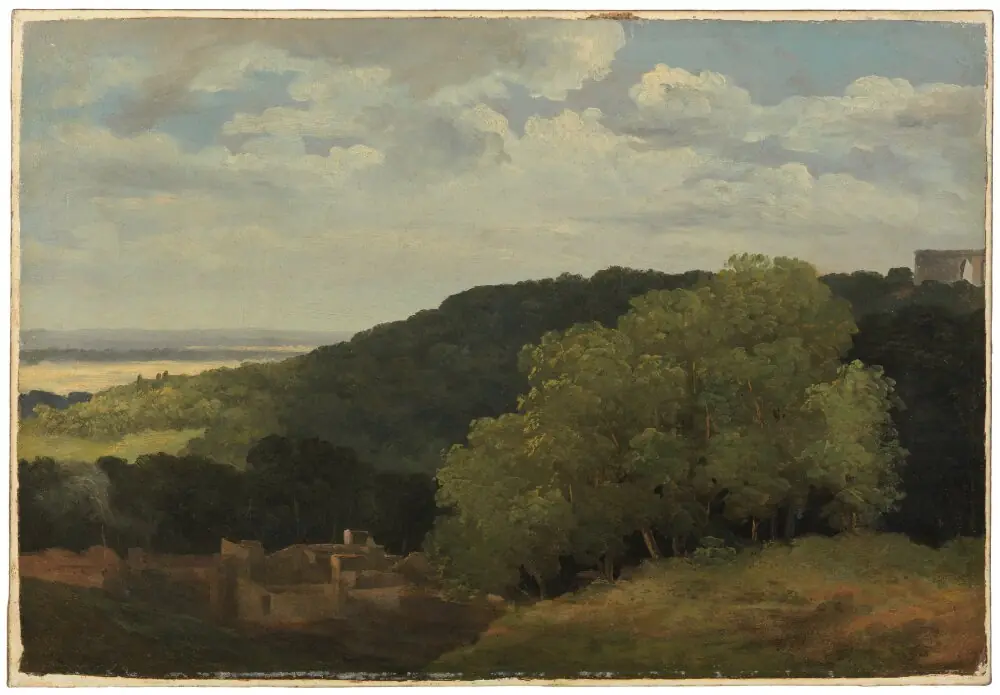 View of the Roman Campaign near Subiaco
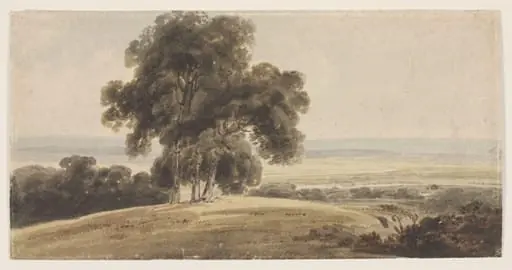 Untitled
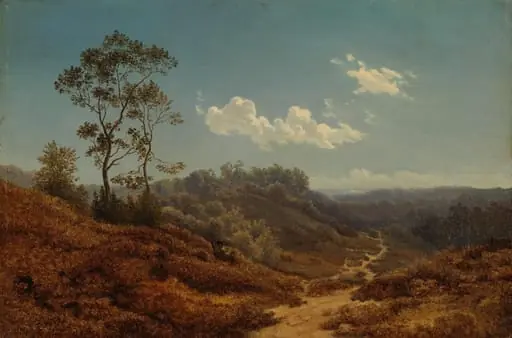 Maisematutkielma, kopio Albert Flammin mukaan
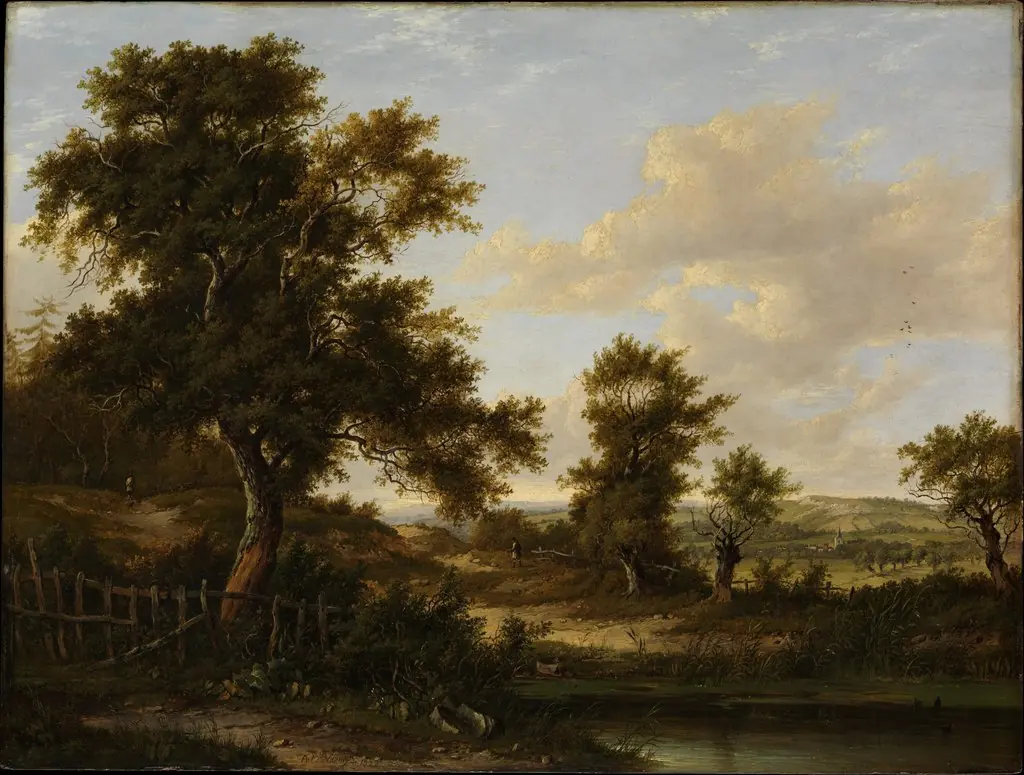 Near Penshurst, Kent
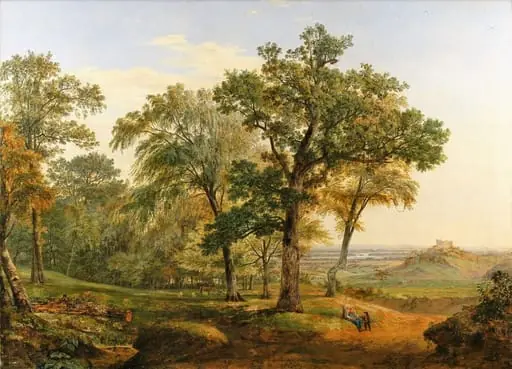 Cetatea Kesmárk
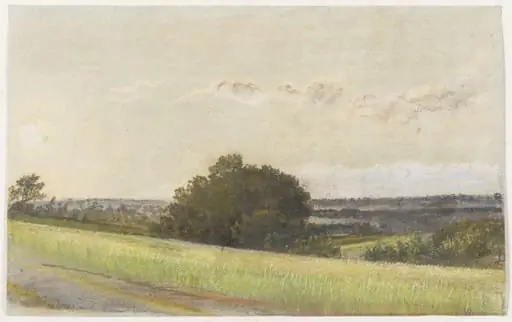 Landscape with evening effect, Abinger, Surrey
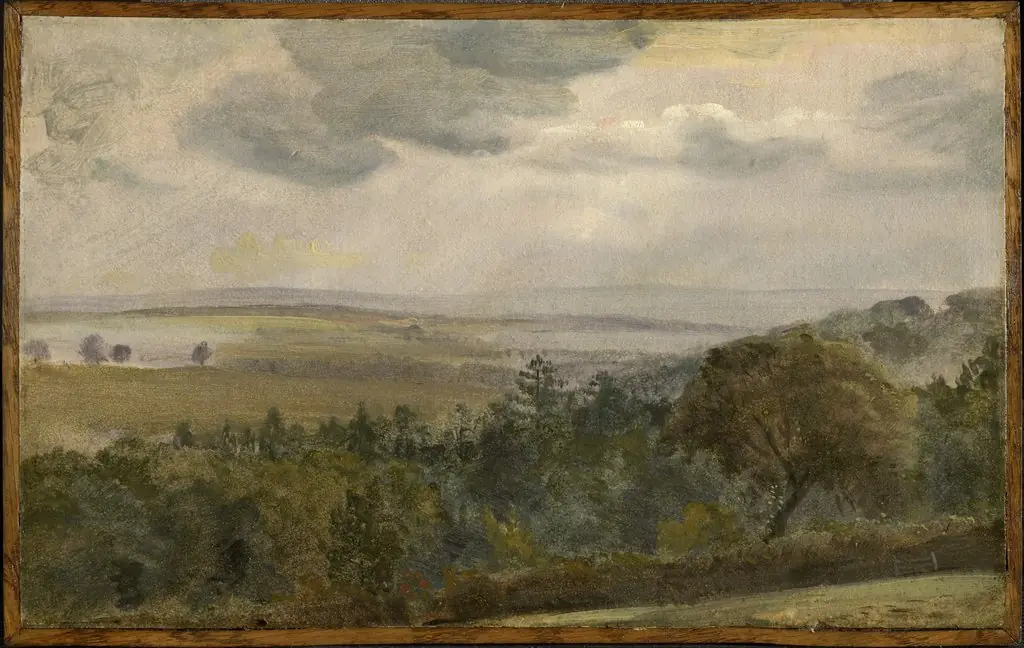 Extensive Landscape with Clouds
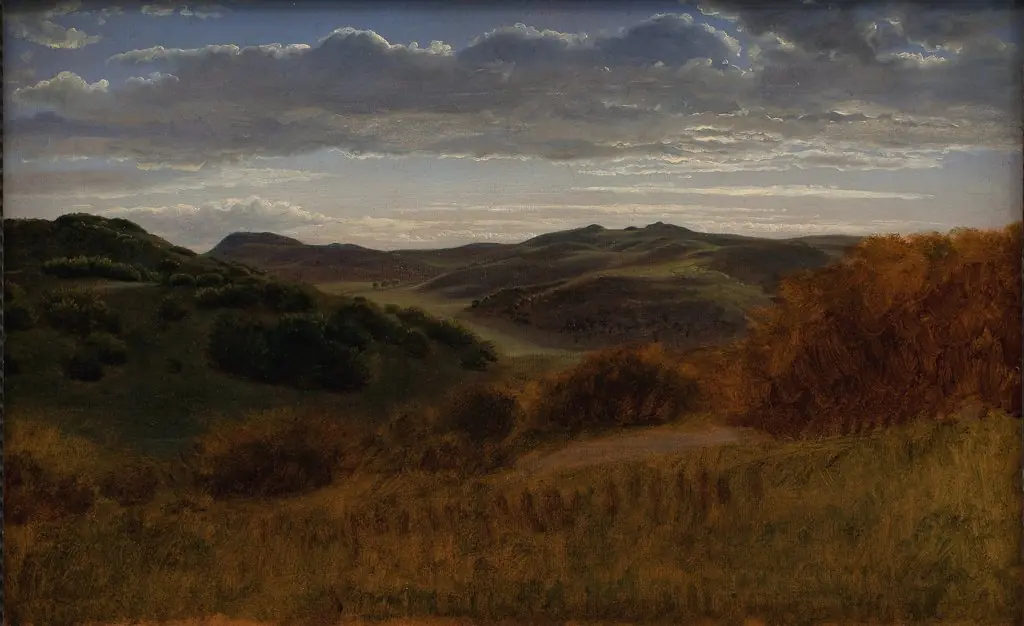 Hills behind the Møen Cliff
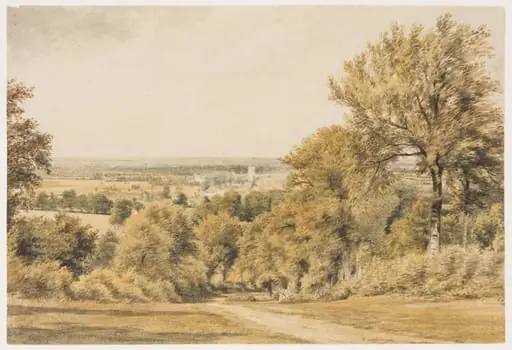 Edgware